
Imagine having a touch of nature right inside your home, a vibrant oasis that requires minimal care yet offers endless beauty. That’s exactly what an indoor succulent garden can provide.
Whether you’re looking to brighten up your living space or simply want to indulge in a new hobby, creating your own succulent garden is the perfect choice. These hardy plants are not only visually stunning but also incredibly easy to maintain.
You might be thinking, “I don’t have a green thumb. ” Don’t worry! Succulents are forgiving and thrive in various conditions. In this guide, you’ll discover simple steps to cultivate your own indoor succulent paradise. By the end, you’ll be ready to transform any corner of your home into a lush, green retreat. So why wait? Dive in and uncover the secrets to a thriving indoor succulent garden today.
Choosing The Right Succulents
Craft a vibrant indoor succulent garden by selecting hardy varieties like jade or aloe. These plants thrive in sunlight and require minimal care. Choose containers with good drainage to prevent overwatering, ensuring your succulents stay healthy and beautiful.
Choosing the right succulents for your indoor garden is crucial. Succulents are diverse. Each type has unique needs and appearances. Knowing which varieties thrive indoors ensures a vibrant garden. Let’s explore popular varieties and growth considerations.Popular Varieties
Succulents come in many shapes and sizes. Here are some popular indoor varieties:- Aloe Vera:Known for its healing properties. Its thick leaves store water.
- Jade Plant:Features round, fleshy leaves. It’s easy to care for.
- Echeveria:Offers stunning rosette shapes. Comes in various colors.
- Haworthia:Small and compact. Perfect for small spaces.
- String of Pearls:Unique trailing plant. Looks like green beads.
Considerations For Growth
Growth conditions affect succulents’ health. Consider light, water, and soil needs.- Light:Succulents need bright, indirect sunlight. Avoid direct sun.
- Water:Overwatering can harm succulents. Water when soil is dry.
- Soil:Use well-draining soil. It prevents root rot.
- Temperature:Succulents prefer warm temperatures. Keep them away from cold drafts.
- Space:Allow room for growth. Crowding can stunt development.

Credit: www.facebook.com
Selecting Containers
Choosing the right containers is crucial for a thriving indoor succulent garden. Opt for pots with good drainage to prevent overwatering. Consider diverse shapes and sizes to create an eye-catching display.
Selecting the right containers is crucial for your indoor succulent garden. Containers not only hold your plants but also influence their health. Choosing the appropriate size and material can make a big difference. Let’s explore the essentials of container selection.Size And Material Options
Choose containers that fit your space and plant size. Small pots suit tiny succulents, while larger ones accommodate bigger plants. Consider materials like clay, ceramic, or plastic. Clay pots allow air flow, helping roots breathe. Ceramic pots are stylish and durable. Plastic pots are lightweight and budget-friendly. Select based on your style and needs.Drainage Importance
Proper drainage is vital for succulent health. Excess water can rot roots. Look for containers with drainage holes. They let extra water escape, preventing root rot. If your pot lacks holes, create one or use a layer of stones at the bottom. This helps water flow away from roots. Good drainage keeps your succulents thriving.Preparing The Soil
Preparing the Soil Begin by selecting a well-draining potting mix, ensuring it’s suitable for succulents. Mix in coarse sand or perlite to enhance drainage. This setup prevents root rot and provides a healthy environment for your indoor succulent garden.
Preparing the soil is a crucial step for a thriving indoor succulent garden. The right soil mix ensures healthy roots and vibrant plants. Succulents need a specific environment to flourish indoors. Let’s dive into creating the perfect soil foundation.Ideal Soil Mix
Succulents prefer a well-draining soil mix. The typical garden soil retains too much moisture. This can lead to root rot, a common problem for succulents. An ideal mix includes coarse sand, potting soil, and perlite. Combine these in a ratio of 2:2:1. This mixture mimics the natural arid environment of succulents. You can find commercial cactus soil, but mixing your own is cost-effective.Enhancing Drainage
Proper drainage is essential for succulent health. Without it, water can accumulate and harm the roots. Add a layer of gravel or small stones at the pot’s bottom. This layer helps excess water escape, preventing soggy soil. Ensure your pots have drainage holes. If not, drill a few holes or use a pot liner. This simple step can make a big difference.Planting Techniques
Creating an indoor succulent garden is a delightful project. Succulents are low-maintenance and bring a touch of nature indoors. Proper planting techniques ensure they thrive. Let’s explore how to arrange them and manage their spacing and depth.
Arranging Succulents
Arranging succulents is like crafting a living piece of art. Choose a variety of shapes and sizes for visual interest. Start with a focal point, like a large rosette-shaped succulent. Surround it with smaller plants to create balance. Mix textures and colors for a dynamic look. Consider the container size. Ensure each plant has enough space to grow. Place taller succulents at the back. Shorter ones should be in the front. This creates depth and layers in your arrangement.
Spacing And Depth
Proper spacing is crucial for succulent health. Crowding can lead to poor air circulation. Leave space between each plant. This prevents moisture buildup and rot. Depth is equally important. Succulents need well-draining soil. Plant them at the right depth for stability. The roots should be covered, but not too deep. This helps them absorb water efficiently. Use a gentle touch when planting. Succulents can be fragile. Pat the soil lightly around the base. Ensure they are secure, but not compacted.
Watering Strategies
Ensure succulents thrive indoors by using the soak-and-dry method. Water them deeply, then let the soil dry completely. Adjust frequency based on light and humidity levels.
Creating an indoor succulent garden is a delightful way to bring nature into your home with minimal maintenance. However, one crucial aspect that can make or break your succulent success is watering. Understanding the right strategies for watering your succulents will ensure they thrive and enhance your living space. Let’s explore some effective watering strategies that will keep your indoor succulent garden flourishing.Frequency And Amount
Succulents are known for their ability to store water, which means they don’t need frequent watering. A common rule of thumb is to water your succulents every 2-3 weeks. However, this can vary based on factors like room humidity and pot size. When watering, ensure the soil is completely dry before adding more water. A good soak is better than frequent shallow watering. Let the water drain completely from the bottom of the pot to avoid waterlogging.Signs Of Overwatering
Overwatering is a common mistake that can lead to root rot and ultimately kill your succulents. Look out for signs such as yellowing leaves or a mushy texture. If you notice these signs, reduce the watering frequency immediately. Check the soil’s moisture by sticking your finger about an inch deep into the soil. If it feels damp, hold off on watering. Using a pot with drainage holes is essential as it helps prevent excess water retention. By adopting these watering strategies, you’ll ensure your indoor succulent garden remains healthy and vibrant. Do you find yourself often unsure about the right time to water? Observing your plant’s needs and the soil’s condition can be your best guide. Keep experimenting and soon you’ll find the perfect rhythm for your green companions.
Credit: www.dallasnews.com
Lighting Conditions
Creating an indoor succulent garden is a rewarding endeavor, but lighting conditions play a crucial role in the success of your plants. Succulents are sun-loving plants that need the right amount of light to thrive indoors. Understanding how to balance natural and artificial light, while adjusting for seasonal changes, can make all the difference in maintaining a healthy indoor garden.
Natural Vs Artificial Light
Natural light is often the best option for succulents, as it mimics their native environment. Place your succulents near south or east-facing windows where they can soak up several hours of direct sunlight daily. However, be cautious of overly intense midday sun that might scorch your plants.
If your home lacks sufficient natural light, consider using artificial light. LED grow lights are effective and energy-efficient options that can supplement or replace sunlight. Position them about six to twelve inches above your plants, and aim for about 12-16 hours of light per day.
Adjusting For Seasons
As seasons change, so does the intensity and duration of sunlight. In winter, the sun is lower in the sky and provides less light, which can challenge your succulents. You might notice slower growth during this time, and it’s perfectly normal.
To adjust, move your succulents closer to windows or increase the duration of artificial light. During the summer, you may need to reduce exposure to prevent sunburn. Regularly assess your plants’ condition and be ready to tweak their lighting setup accordingly.
Are your succulents stretching towards the light? This is a sign they need more. Keep observing and experimenting with different lighting conditions to find the perfect balance for your indoor garden.
Maintaining Health
Maintaining the health of your indoor succulent garden is crucial for its longevity. Succulents are hardy, but they still need proper care. Consistent maintenance helps them thrive and look their best.
Pest Prevention
Pests can harm your succulents. Regularly check for any signs of infestation. Use a gentle spray of water to remove dust and insects. Ensure your plants have good air circulation. This prevents pest buildup.
Introduce natural predators like ladybugs to your garden. They help control pests naturally. Avoid overwatering as it attracts pests and causes root rot.
Pruning Tips
Pruning keeps your succulents in shape and healthy. Remove dead or damaged leaves with clean scissors. This improves air circulation and plant appearance.
Prune leggy stems to encourage new growth. Cut just above a leaf node to promote branching. Regular pruning keeps your garden neat and thriving.
Credit: www.youtube.com
Creative Design Ideas
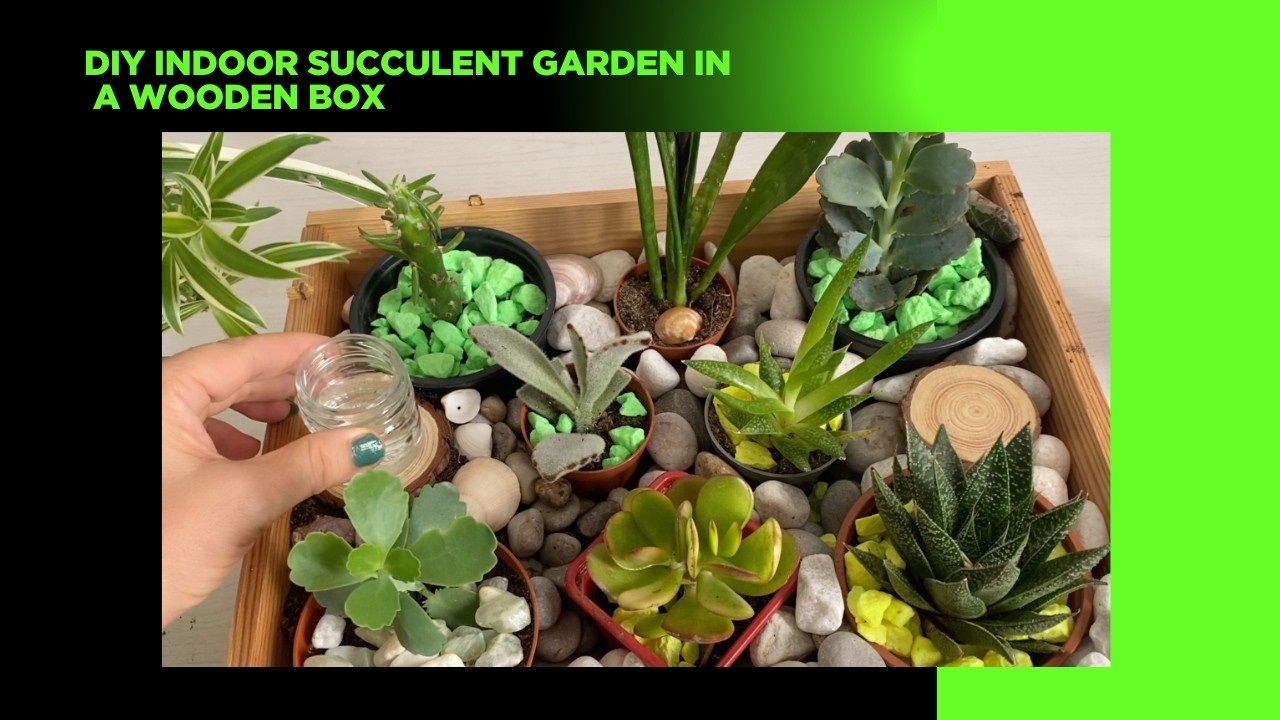
Transform your living space with a vibrant indoor succulent garden. Select diverse succulents and arrange them in stylish containers. Place them near windows to ensure they receive ample sunlight, creating a refreshing and low-maintenance oasis indoors.
Creating an indoor succulent garden offers endless design possibilities. With a little creativity, you can transform your space into a lush, green haven. From themed arrangements to unique decor, each idea adds charm and personality. Dive into these engaging design ideas and let your imagination flourish.Themed Arrangements
Design your succulent garden around a specific theme. A desert theme could feature sandy soil and cacti. For a beach vibe, add seashells and driftwood. A fairy garden theme brings whimsy with miniature furniture and tiny figurines. These themes create visual interest and tell a story.Incorporating Decor
Integrate decor items that complement your succulents. Use colorful pots to add vibrancy. Arrange succulents on a wooden tray for a rustic look. Hanging planters save space and add depth. Incorporate stones, crystals, or small sculptures for added texture. This decor enhances the natural beauty of your plants.Frequently Asked Questions
What Are The Best Succulents For Indoor Gardens?
Choosing the right succulents is crucial for indoor gardens. Opt for low-maintenance varieties like jade plant, aloe vera, or echeveria. These are hardy, adapt well to indoor conditions, and require minimal care. Ensure they receive adequate sunlight and aren’t overwatered for optimal growth and health.
How Do I Care For Indoor Succulents?
Succulents need minimal care but thrive with proper attention. Water them sparingly, allowing soil to dry between watering. Ensure they receive bright, indirect light. Use well-draining soil to prevent root rot. Regularly check for pests and remove any dead leaves to keep your indoor succulent garden healthy.
Can Succulents Grow In Low Light Conditions?
Succulents prefer bright, indirect light but some can adapt to low light. Varieties like snake plant and haworthia tolerate less light. However, growth might be slower. Rotate plants occasionally to ensure even light exposure. If possible, supplement with artificial grow lights for optimal growth.
How To Prevent Overwatering Indoor Succulents?
Prevent overwatering by using pots with drainage holes and well-draining soil. Only water when soil is completely dry. Ensure pots aren’t sitting in water. Monitor humidity levels and adjust watering accordingly. Overwatering is a common issue, leading to root rot, so careful attention is necessary.
Conclusion
Creating your indoor succulent garden is simple and rewarding. These plants thrive indoors and need little care. Perfect for beginners. Arrange them creatively. Mix sizes and colors for a vibrant display. Regularly check light and water. Your garden will flourish.
Enjoy the soothing green touch. Transform your space. Feel the joy of growing. Share your garden journey with friends. Inspire others to start their own. Happy gardening!







