Imagine harvesting fresh, vibrant greens right from your living room. No soil, no mess, just pure gardening bliss.
You can transform any space into a lush, thriving garden with the magic of hydroponics. Curious about how you can cultivate your own indoor oasis? Whether you’re an apartment dweller with limited outdoor space or someone seeking a new hobby, indoor hydroponic gardening offers a fresh, innovative approach to growing plants.
Get ready to explore a world where your garden is as close as your fingertips. Dive in to discover how you can create your very own hydroponic paradise at home, and watch your plants flourish like never before. Your journey to a greener thumb starts here.
Benefits Of Indoor Hydroponic Gardens
Indoor hydroponic gardens offer year-round growth without soil, saving space and reducing pest risks. They provide fresh produce, improve air quality, and allow easy control of nutrients and water, making gardening accessible to all skill levels.
Indoor hydroponic gardens are not just a trendy hobby; they offer a wealth of benefits that can transform your living space and lifestyle. Imagine enjoying fresh, pesticide-free produce year-round without stepping outside your home. This innovative gardening method can turn your apartment or house into a lush oasis, improving your well-being while contributing to a sustainable future. Let’s delve into the advantages that indoor hydroponic gardens bring to your life.Space Efficiency
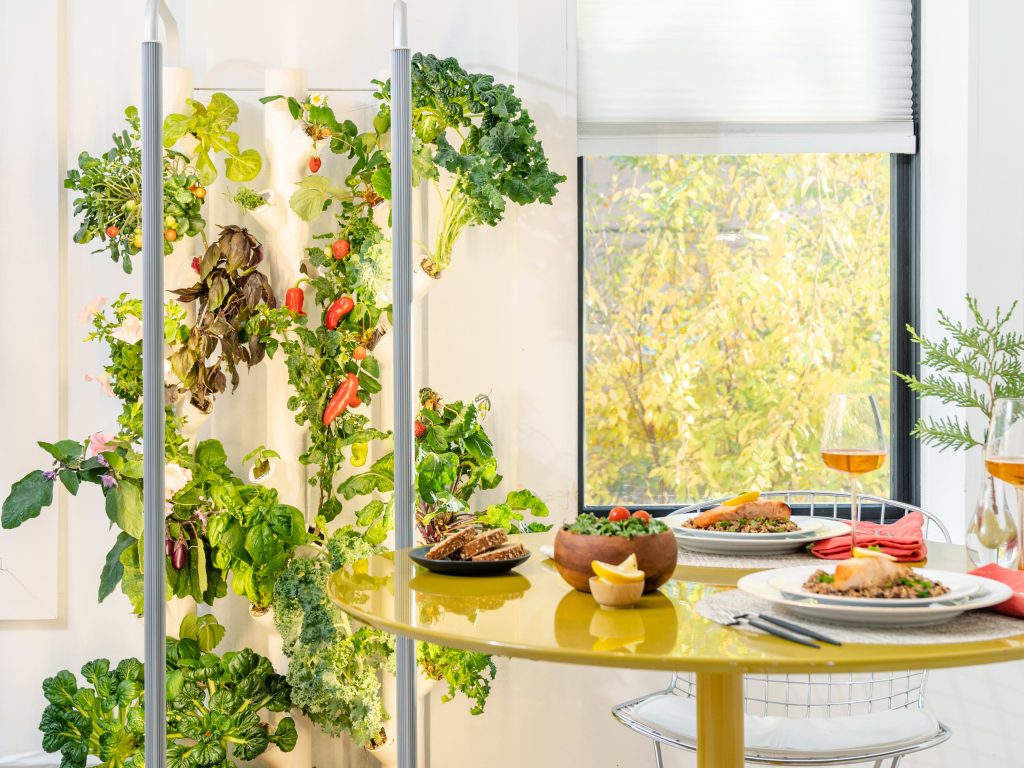
Living in a small apartment doesn’t mean you have to give up on gardening. Hydroponic systems are designed to maximize vertical space, allowing you to grow more in less square footage. Picture a tower garden in the corner of your kitchen, providing fresh herbs and greens at your fingertips.
Water Conservation
Traditional gardening can use a lot of water, but hydroponic systems are much more efficient. They recirculate water, using up to 90% less than soil-based gardening. This is a boon for eco-conscious individuals looking to reduce their environmental footprint.
Pesticide-free Produce
Growing indoors means fewer pests, allowing you to skip the chemical pesticides. You can enjoy cleaner, healthier produce without worrying about harmful residues. It’s a win for your health and the planet.
Year-round Growing
One of the biggest perks of hydroponic gardening is the ability to grow plants year-round. Seasonal changes won’t affect your indoor garden, so you can have fresh tomatoes, basil, or strawberries even in the dead of winter.
Fast Plant Growth
Hydroponic plants often grow faster and yield more than those grown in soil. Nutrients are delivered directly to the roots, promoting robust growth. You’ll be amazed at how quickly your lettuce goes from seed to salad bowl.
Improved Air Quality
Plants naturally improve air quality by filtering toxins and releasing oxygen. An indoor hydroponic garden can boost the air quality in your home, creating a healthier environment for you and your family.
Therapeutic Benefits
Gardening is a proven stress reliever, and the convenience of an indoor garden makes it easy to engage with plants daily. Whether you’re pruning, watering, or harvesting, the tactile experience can be incredibly calming.
Are you ready to bring these benefits into your home? Consider the possibilities of transforming your indoor space with a hydroponic garden. What fresh produce will you grow first?
Credit: nosoilsolutions.com
Choosing The Right Hydroponic System
Choosing the right hydroponic system is crucial for indoor gardening. This decision affects plant growth and maintenance efforts. With several systems available, selecting one can be overwhelming. Understanding the types and factors involved simplifies the process.
Types Of Hydroponic Systems
Hydroponic systems come in various forms. Each has its unique features and benefits.
- Deep Water Culture (DWC):Plants float in a nutrient solution. This system is simple and cost-effective.
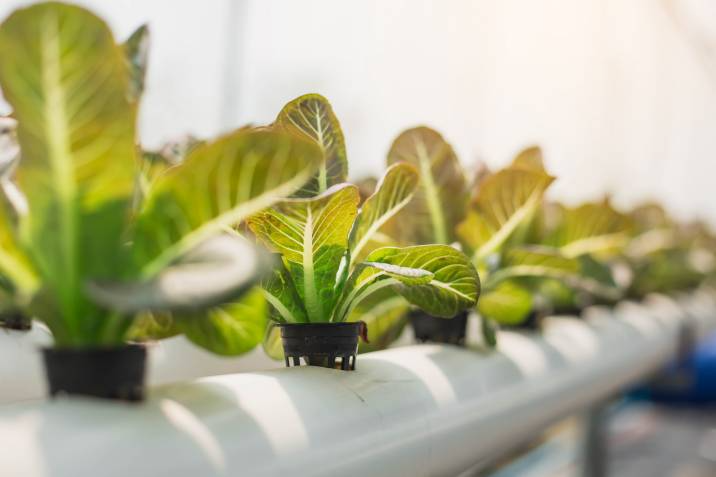
- Nutrient Film Technique (NFT):A thin film of nutrient solution flows over roots. Ideal for lightweight plants like lettuce.
- Ebb and Flow:Nutrients flood the grow tray, then drain back. It suits a wide range of plants.
- Wick System:Nutrients move from a reservoir to roots via a wick. It’s passive and easy to set up.
- Aeroponics:Roots hang in the air, misted with nutrients. This method uses less water and promotes fast growth.
Factors To Consider
Selecting the right system depends on several factors. Consider these before making a choice.
- Space Availability:Some systems require more room. Ensure adequate space for your setup.
- Budget:Costs vary by system. Choose one that fits your financial plan.
- Plant Type:Some systems suit specific plants. Research which system benefits your chosen plants.
- Maintenance Level:Some systems demand more attention. Pick a system that matches your maintenance capacity.
- Experience:Beginners may prefer simpler systems. Advanced gardeners might opt for complex setups.
Setting Up Your Hydroponic Garden
Creating a hydroponic garden indoors can be an exciting and rewarding endeavor. It’s the perfect way to enjoy fresh produce all year round, regardless of the weather outside. To ensure success, let’s delve into the essential steps for setting up your hydroponic garden.
Selecting A Location
The first step in setting up your indoor hydroponic garden is choosing the ideal location. Look for a spot with ample natural light, such as near a south-facing window. If natural light is limited, consider using grow lights to supplement.
Think about the space you have available. Hydroponic systems vary in size, so measure your chosen area carefully. Remember, a well-ventilated space can help prevent mold and mildew, ensuring healthy plant growth.
Essential Equipment
Once you’ve decided on the location, gather the necessary equipment. You will need a hydroponic system that suits your space and budget. Popular options include the nutrient film technique and deep water culture systems.
- Grow Lights:Essential for providing the right spectrum of light if natural sunlight is insufficient.
- Water Pump:Ensures nutrient-rich water circulates efficiently to your plants.
- pH Meter:Helps monitor and maintain the optimal pH level for nutrient absorption.
Don’t forget the nutrients! Your plants will need a balanced nutrient solution tailored to their specific growth stage. Consider purchasing a starter kit that includes nutrients, which can simplify the process for beginners.
Setting up your hydroponic garden requires careful planning and the right tools. Are you ready to embark on this green adventure? With the right location and equipment, your indoor garden will soon flourish, providing you with fresh produce and a rewarding gardening experience.
Credit: www.airtasker.com
Selecting Plants For Hydroponics
Selecting plants for hydroponics involves choosing varieties that thrive indoors. Leafy greens like lettuce and herbs such as basil are excellent options. These plants grow well in water-based systems and require minimal light and care.
Selecting the right plants for your hydroponic garden can be both exciting and overwhelming. The beauty of hydroponics is that it offers flexibility in plant choice, but not all plants thrive equally in this environment. Choosing wisely can make the difference between a flourishing indoor garden and a lackluster one. Let’s dive into the specifics of plant selection to ensure your hydroponic garden thrives.Best Plants For Indoor Growing
When setting up your hydroponic garden indoors, certain plants are naturally suited for this environment. Leafy greens like lettuce, spinach, and kale are top choices due to their rapid growth and minimal space requirements. Herbs such as basil, mint, and cilantro also adapt well, allowing you to enjoy fresh flavors right at home. Fruit-bearing plants like tomatoes and strawberries can be a fun challenge, offering a rewarding harvest with proper care. Consider the space and lighting conditions in your indoor setup. Smaller plants or those requiring less light might be more suitable for tighter spaces or low-light areas.Seed Vs. Seedling
Deciding between starting from seeds or seedlings is a crucial step in your hydroponic journey. Seeds provide the satisfaction of nurturing growth from the beginning, offering an economical way to start. However, they require patience and care to ensure successful germination and growth. Seedlings, on the other hand, give you a head start with established plants ready to thrive. This option can be more convenient, especially if you’re eager to see quicker results. But be mindful of transplant shock, which can occur when moving seedlings into a new environment. Choose what fits your gardening style and goals. As you plan your indoor hydroponic garden, consider your personal preferences and the space you have available. Are you looking for quick yields or are you ready to experiment with different plant varieties? The choice between seeds and seedlings might even shape your gardening experience.Creating The Ideal Growing Environment
Set up a hydroponic garden indoors by controlling light, temperature, and humidity. Use LED grow lights for optimal plant growth. Ensure proper ventilation to maintain air circulation and prevent mold.
Creating the ideal growing environment for your indoor hydroponic garden is crucial for healthy plant growth and abundant yields. Unlike traditional soil gardening, hydroponics requires precise conditions. But don’t worry, with a little guidance, you can easily set up the perfect atmosphere for your plants. Let’s dive into the essentials you’ll need to consider.Lighting Requirements
Lighting is the lifeline of your indoor hydroponic garden. Plants need light to perform photosynthesis, so choosing the right type of lighting is key. LED grow lights are a popular choice because they are energy-efficient and provide the full spectrum of light that plants need. Position your lights close to the plants, but not so close that they can cause heat damage. Aim for about 12-16 hours of light per day. Consider using a timer to automate the lighting schedule, ensuring consistency even when you’re not home.Temperature And Humidity Control
Maintaining the right temperature and humidity levels is essential for plant health. Most plants thrive in temperatures between 65°F and 75°F. Use a digital thermometer to monitor the room temperature, and make adjustments as needed with heaters or fans. Humidity levels should be kept between 40% and 60%. Too much humidity can lead to mold, while too little can cause plant dehydration. A humidifier or dehumidifier can help maintain these levels. Have you ever noticed how plants react differently in changing environments? Your vigilance in monitoring these conditions can make all the difference in their growth. Remember, achieving the ideal growing environment is a balance. Small adjustments can have significant impacts, so stay attentive and responsive to your plants’ needs.Nutrient Solutions And Water Management
Creating a hydroponic garden indoors offers a unique way to grow plants. Success hinges on nutrient solutions and water management. These elements are vital for plant health and growth. Properly mixed nutrients ensure plants receive essential minerals. Water management sustains plant hydration and nutrient delivery.
Mixing Nutrient Solutions
Mixing nutrient solutions correctly is crucial. Start with a base nutrient mix. Follow the instructions on the package. Use distilled water for mixing. This prevents impurities from affecting plant growth. Measure nutrients accurately. A digital scale can help. Stir the solution until dissolved completely. This ensures even distribution of nutrients.
Monitoring Water Quality
Monitoring water quality keeps plants healthy. Test the pH level regularly. Ideal pH for most plants ranges from 5.5 to 6.5. Use pH testing kits available at gardening stores. Adjust pH using solutions if needed. Check the temperature of the water. It should be between 65°F and 75°F. Use a thermometer for accurate readings. Ensure water is clear and free from debris.
Maintenance And Troubleshooting
Ensure the garden has proper lighting and air circulation. Check water levels regularly to prevent plant stress. Troubleshoot nutrient imbalances by adjusting the solution based on plant growth signs.
Maintaining an indoor hydroponic garden ensures healthy plants and a successful harvest. Regular care keeps your system running smoothly and prevents problems. Troubleshooting helps identify and solve issues quickly, saving plants from potential harm.Common Issues
Indoor hydroponic gardens face unique challenges. Nutrient deficiencies might occur if the solution is imbalanced. Watch for yellowing leaves or stunted growth as signs. Pest infestations can also be a problem. Bugs like aphids or spider mites may invade your setup. Regular checks help catch these issues early. Water-related problems often impact plant health. Ensure the pH level is between 5.5 and 6.5. Pumps might clog or fail, affecting water flow. Check them regularly for smooth operation.Regular Maintenance Tasks
Routine upkeep is key to a thriving garden. Clean tanks and trays often to prevent algae growth. Change the nutrient solution every two weeks. This ensures plants receive fresh nutrients. Check the pH and nutrient levels weekly for balance. Inspect plants for signs of disease or pests. Trim dead leaves to encourage healthy growth. Monitor the temperature and humidity levels. Keep them within the ideal range for your plant species. Regularly check equipment like lights and timers. Ensure they function correctly for optimal plant care.Harvesting And Recycling
Harvesting and recycling in a hydroponic garden involves collecting ripe produce and reusing nutrient solutions. This process ensures a continuous supply of fresh vegetables while conserving resources. Efficient water and nutrient management are key to sustainable indoor gardening success.
Creating a hydroponic garden indoors offers fresh produce year-round. It’s essential to focus on harvesting and recycling to maximize your garden’s potential. Efficient harvesting ensures your plants stay healthy and productive. Recycling nutrients and water reduces waste and saves resources. Let’s dive into the details.Harvesting Techniques
Harvesting hydroponic plants requires care. Use sharp scissors to snip leaves or fruits. Cut at an angle to promote regrowth. Pick mature produce to prevent plant stress. Monitor your plants weekly for readiness. Different plants have unique harvesting needs. Leafy greens can be trimmed continuously. Fruits and vegetables need more time to mature. Keep your hands clean to avoid contamination.Recycling Nutrients And Water
Recycling nutrients is crucial in hydroponics. Use a nutrient solution recovery system. Collect runoff to reuse in your garden. Ensure the pH balance before reusing. It keeps plants healthy and thriving. Water conservation is another key factor. Check water levels daily to prevent waste. Use water-efficient systems like drip irrigation. Reusing water reduces costs and environmental impact. Regularly clean and sterilize your system. It prevents algae and bacteria buildup.Expert Tips For Successful Hydroponics
Creating a thriving hydroponic garden indoors can feel like a daunting task, but with expert tips, you can transform your space into a lush paradise. Whether you’re a seasoned gardener or a curious beginner, understanding the nuances of hydroponics will maximize your success. Let’s dive into some crucial tips that can help you cultivate a productive indoor garden.
Maximizing Yield
To boost your hydroponic garden’s productivity, focus on optimizing light and nutrients. LED grow lights are a popular choice because they provide the full spectrum needed for plant growth. Position them close to the plants but avoid burning them with excessive heat.
Balancing nutrients is another key aspect. Use a nutrient solution tailored to your specific plant types. Regularly test the pH level to ensure it stays within the ideal range of 5.5 to 6.5. A pH meter can be your best friend here.
Are you rotating your crops? If not, consider doing so to maintain soil health and enhance yield. Rotating different plants can prevent nutrient depletion and keep your system thriving.
Avoiding Common Mistakes
Overwatering is a common pitfall in hydroponics. While it might seem beneficial, too much water can suffocate plant roots. Ensure your system provides adequate drainage and aeration.
Another mistake is neglecting regular maintenance. Check for clogs in the system or signs of mold, which can quickly derail your garden’s progress. A little vigilance goes a long way in keeping your system efficient.
Finally, don’t overlook the power of research. Each plant has unique requirements. Spend time understanding your plant’s needs, and adjust your system accordingly. Have you ever thought about joining a local gardening group? Sharing experiences can provide invaluable insights.
Embrace these expert tips, and watch your indoor hydroponic garden flourish like never before. With a little care and attention, you’ll be harvesting fresh produce in no time.

Credit: www.amazon.com
Frequently Asked Questions
What Is Hydroponic Gardening Indoors?
Hydroponic gardening indoors is a method of growing plants without soil. It uses nutrient-rich water solutions to nourish plants. This system allows for efficient use of space and resources. It’s ideal for urban homes and apartments with limited gardening space.
How To Start An Indoor Hydroponic Garden?
To start, choose a hydroponic system suitable for your space. Gather essential supplies like containers, pumps, and nutrient solutions. Select plants that thrive in hydroponic setups, such as lettuce and herbs. Regularly monitor water pH and nutrient levels for optimal growth.
What Are The Benefits Of Indoor Hydroponic Gardening?
Indoor hydroponic gardening offers several benefits, including efficient space usage. It provides year-round plant growth without soil constraints. This method reduces water usage and minimizes pest issues. It allows precise control over nutrient delivery to plants, enhancing growth rates.
Which Plants Grow Well In Indoor Hydroponics?
Many plants thrive in indoor hydroponic systems. Leafy greens like lettuce, spinach, and kale grow efficiently. Herbs such as basil, mint, and cilantro are excellent choices. Strawberries and tomatoes can also flourish with proper care and nutrients.
Conclusion
Starting a hydroponic garden indoors can be simple. Follow the steps carefully. Choose the right system for your space. Select plants suited for hydroponics. Ensure proper lighting and nutrients. Regularly monitor water levels and plant health. Troubleshoot any issues quickly.
Enjoy fresh produce all year round. Hydroponics saves space and supports sustainable growing. With practice, it becomes easier and more rewarding. Dive into this green adventure. Experience the joy of home-grown vegetables. Share your journey and inspire others. Gardening brings peace and fulfillment.
Embrace the benefits of indoor hydroponics today.