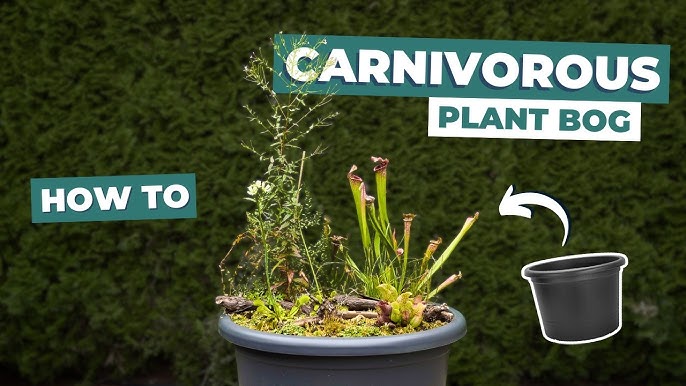
Imagine transforming a corner of your garden into a mysterious, enchanting world where carnivorous plants thrive. These fascinating plants offer a glimpse into nature’s wild creativity, capturing insects with their unique adaptations.
Creating a bog garden filled with carnivorous plants isn’t just an exciting project—it’s a chance to cultivate a living ecosystem that mesmerizes and educates anyone who steps into your garden. Do you want to make your garden stand out with something truly extraordinary?
In this guide, you’ll uncover the secrets to building your own bog garden and learn how to nurture these captivating plants. Whether you’re a seasoned gardener or a curious beginner, you’ll find practical tips that will help you successfully grow and maintain these intriguing species. Dive in to discover how you can start your own carnivorous plant paradise. Your garden will never be the same again!

Credit: www.tiktok.com
Choosing The Right Location
Selecting the perfect spot for a bog garden requires considering sunlight and water drainage. Choose a location with partial sunlight and ensure proper water retention. This setting supports the growth and sustenance of carnivorous plants.
Choosing the right location is crucial for a successful bog garden. Carnivorous plants need specific conditions. They thrive in areas that mimic their natural habitats. Selecting the perfect spot can make all the difference. It ensures your plants grow healthy and vibrant.Consider Sunlight Exposure
Carnivorous plants need ample sunlight. Choose a spot that gets at least six hours of sun. Morning sun is ideal as it is not too harsh. Avoid placing the garden in a shaded area. Too little sunlight can hinder plant growth.Check Soil Drainage
Good drainage is essential for a bog garden. Standing water can harm the plants. Ensure the chosen location allows water to drain properly. A slightly sloped area is often suitable. Test the soil before planting.Proximity To Water Source
Carnivorous plants prefer moist conditions. Choose a location near a water source. This makes it easier to keep the soil damp. Natural rainwater is best for these plants. Avoid using chlorinated water.Protection From Strong Winds
Wind can damage delicate carnivorous plants. Select a site sheltered from strong winds. Plant near natural windbreaks like trees or shrubs. This helps protect the garden during storms.Space For Growth
Consider the space available for your bog garden. Carnivorous plants need room to spread and grow. Ensure the location is spacious enough. Avoid overcrowding to allow healthy development.
Credit: www.youtube.com
Selecting Carnivorous Plants
Creating a bog garden with carnivorous plants offers a unique and fascinating landscape. Choose plants like pitcher plants or Venus flytraps for their striking appearance. Ensure proper soil conditions and adequate moisture to support their growth and thrive in this environment.
Selecting carnivorous plants for your bog garden is an exciting adventure into the world of nature’s most fascinating flora. These plants not only add a unique charm to your garden but also serve an ecological purpose by controlling insects naturally. So, how do you choose the right ones for your bog garden? The key is understanding the species and their specific needs.Popular Species
When it comes to popular carnivorous plants, some names stand out due to their vibrant appearances and intriguing mechanisms. Venus Flytrap is a crowd favorite, known for its quick snap trapping action. Then there’s the Pitcher Plant, which lures insects into its tubular leaves filled with digestive juices. Sundews are equally captivating, with their sticky tentacles that curl around unsuspecting prey. Each of these species has unique features that can make your bog garden a mesmerizing spectacle.Climate Considerations
Before you rush to plant these marvels, pause to consider your local climate. Different carnivorous plants thrive in varying conditions. For instance, Venus Flytraps prefer warm, humid environments, making them perfect for temperate zones. On the other hand, Pitcher Plants can be quite forgiving, adapting to both sunny and shady spots. Understanding your region’s climate can ensure that your chosen plants flourish, saving you time and effort in maintenance. Now, ask yourself: are you ready to transform your garden with these natural wonders? Taking the time to understand these plants’ needs will reward you with a garden that not only looks stunning but also functions as a natural pest control system.Preparing The Soil
Creating a bog garden for carnivorous plants begins with soil preparation. Mix equal parts of sphagnum peat moss and sand to mimic natural swamp conditions. Ensure the soil retains moisture but remains acidic for optimal plant growth.
Preparing the soil for a bog garden designed for carnivorous plants is a crucial step that can determine the success of your garden. These unique plants thrive in specific conditions, so getting the soil right is key to their health and vigor. Let’s dive into the essential components that make up the perfect soil mixture and the importance of maintaining the right pH levels.Ideal Soil Composition
Creating the right soil blend involves combining materials that mimic the natural bog environment. Carnivorous plants typically flourish in a mix of sphagnum peat moss and sand. – Sphagnum peat moss: This is the main ingredient as it retains moisture and provides the acidic conditions these plants prefer. – Sand: Helps with drainage, preventing waterlogged conditions which can harm the roots. A personal tip: avoid using regular garden soil or compost, as they are too nutrient-rich and can damage your carnivorous plants.Ph Level Importance
The pH level of your soil is a critical factor in the health of carnivorous plants. These plants generally thrive in acidic environments, with an ideal pH range between 4.0 and 5.5. Regularly test your soil’s pH to ensure it stays within this range. Testing kits are affordable and simple to use, making it easy to keep track of your soil’s acidity. Have you ever noticed your plants looking a bit off? Checking the pH could reveal an imbalance affecting their growth. By maintaining the correct pH, you create an environment where your carnivorous plants can truly thrive.Watering Techniques
Creating a bog garden for carnivorous plants involves maintaining consistently moist soil. Use rainwater or distilled water to avoid harmful minerals. Ensure the soil is never dry, mimicking a natural bog environment.
Creating a bog garden for carnivorous plants is exciting. These unique plants require special care, especially with watering. Proper watering techniques can help your carnivorous plants thrive. Understanding water quality, frequency, and methods is crucial. Let’s dive into each aspect.Water Quality
Carnivorous plants are sensitive to water quality. They prefer rainwater or distilled water. Tap water often contains minerals that can harm them. These minerals may build up in the soil, affecting plant health. Using distilled or rainwater ensures your plants stay healthy.Frequency And Methods
Watering frequency depends on climate and season. In summer, plants need more water. During winter, they require less. Always keep the soil moist but not soggy. Overwatering can lead to root rot. Use a shallow tray to water your plants. Fill the tray with water and let the plants absorb it. This method mimics natural bog conditions. It allows the roots to take in water gradually. Ensure the tray is never completely dry. Observing your plants can guide your watering routine. If leaves curl or turn brown, adjust your watering. Consistent care will ensure your carnivorous plants thrive in their bog garden.Designing The Layout
Creating the ideal layout for a bog garden requires planning to accommodate carnivorous plants’ specific needs. Ensure proper drainage and consider plant grouping for optimal growth.
Designing the layout of your bog garden for carnivorous plants is a thrilling step that sets the stage for a thriving ecosystem. This process not only involves choosing the right plants but also arranging them in a way that mimics their natural habitat. You want your garden to be both functional and visually appealing, drawing the eye to the unique features of each species.Plant Groupings
Grouping plants is about creating harmony in your garden. Consider placing similar types of carnivorous plants together, like pitcher plants in one area and Venus flytraps in another. This not only makes maintenance easier but also highlights their distinct characteristics. Mixing different species can also enhance the visual appeal. For instance, contrasting the tall, slender stalks of the pitcher plants with the low-lying sundews adds depth. Remember, each plant has its own space needs, so ensure they’re not too crowded. Think about the moisture and light requirements of each plant. Some may thrive in wetter areas, while others prefer slightly drier spots. Tailoring your layout to these needs can significantly boost plant health.Incorporating Features
Adding features can transform your bog garden into an enchanting space. Simple elements like rocks and logs can offer structural support and habitat variety. They also provide a natural look that complements the plants. Consider creating small paths or stepping stones through the garden. This makes it easier to navigate while also allowing you to get up close with your plants. Plus, it gives your garden a more interactive feel. Water features can be a great addition, too. A small pond or water trickle can enhance the humidity levels, which carnivorous plants often love. Just ensure that any water feature is easy to maintain and doesn’t disrupt the plant’s environment. As you design your layout, visualize how these elements will come together. Imagine walking through your garden—what do you want to see and experience? This approach ensures that your bog garden is not just a collection of plants but a cohesive, engaging ecosystem.Maintaining The Bog Garden
Creating a bog garden for carnivorous plants involves selecting a sunny spot and using acidic, nutrient-poor soil. Regularly water with rainwater to maintain moisture levels. Place plants like pitcher plants and sundews to attract and trap insects naturally.
Maintaining a bog garden filled with carnivorous plants requires dedication and a touch of patience. These fascinating plants thrive in environments that mimic their natural habitat, and keeping them healthy involves understanding their unique needs. From managing pests to handling seasonal changes, your bog garden will flourish with the right care.Pest Control
Carnivorous plants are nature’s pest control, but they aren’t immune to their own pest problems. Aphids, snails, and slugs can pose a threat to these plants. Regularly inspect your garden for signs of infestation. Use gentle insecticidal soap if you spot pests. It’s effective without harming your plants. For slugs and snails, consider manual removal or use environmentally-friendly slug pellets. Do you know that some pests actually avoid areas with certain carnivorous plants? Experiment with companion planting to create a natural deterrent.Seasonal Care
Seasons change, and so should your care routine. In winter, many carnivorous plants enter a dormant phase. Reduce watering and ensure they’re in a cool, frost-free environment. In spring, gradually increase water and sunlight exposure. This helps wake the plants from dormancy. Summer is growth season; ensure your bog garden is moist but not waterlogged. Mulch can help retain moisture and regulate temperature. Have you ever noticed how plants respond to even slight changes in care? Observing these changes can guide you in fine-tuning your seasonal routine for optimal growth. By focusing on these specific areas, your bog garden will not only survive but thrive, showcasing the unique beauty and functionality of carnivorous plants.Troubleshooting Common Issues
Creating a thriving bog garden for carnivorous plants involves understanding their unique needs. Ensure proper water drainage and acidic soil conditions. Troubleshoot issues like poor growth by adjusting light exposure and checking for pests.
Creating a bog garden filled with carnivorous plants is an exciting venture. But, like any gardening endeavor, it comes with its own set of challenges. Understanding and troubleshooting common issues can transform your bog garden into a thriving ecosystem of fascinating and exotic plants. By addressing these problems head-on, you can ensure your plants remain healthy and your garden flourishes.Plant Health Problems
Carnivorous plants can be sensitive, and their health may decline due to various factors. You might notice yellowing leaves, stunted growth, or even a lack of new traps. These symptoms often indicate nutrient deficiencies or improper watering practices. Ensure you’re using distilled or rainwater, as tap water can introduce harmful minerals. Regularly check for pests like aphids or spider mites that can damage leaves and traps. Removing them promptly with insecticidal soap or a gentle wash can prevent further harm.Environmental Challenges
Bog gardens depend heavily on environmental conditions. If your plants are struggling, consider the light and temperature they receive. Too much direct sunlight can scorch the leaves, while inadequate light can hinder growth. Adjusting the placement to ensure they get bright, indirect sunlight can make a significant difference. Additionally, humidity levels play a crucial role. Carnivorous plants thrive in high humidity, but indoor environments can be dry. Using a humidity tray or misting the plants regularly can help maintain optimal moisture levels. Have you considered the impact of seasonal changes on your garden? Adapting your care routine to different weather conditions can prevent issues before they arise.
Credit: www.facebook.com
Enhancing Biodiversity
Create a vibrant bog garden with carnivorous plants to boost biodiversity. These plants attract insects, adding life to your garden. Choose species like pitcher plants and sundews for natural pest control and a unique ecosystem.
Enhancing biodiversity in your garden transforms it into a lively ecosystem. A bog garden with carnivorous plants is an excellent way to start. These unique plants attract various wildlife, creating a balanced and thriving environment.Supporting Local Wildlife
Carnivorous plants provide a habitat for insects and small animals. They attract various bugs, which in turn bring birds and amphibians. This interaction supports the local food chain and keeps your garden buzzing with life. Frogs and toads find safe places among the plants. They help control pest populations naturally.Companion Plants
Choosing the right companion plants enhances the bog garden’s biodiversity. Select native plants that thrive in wet conditions. Species like marsh marigold and sedges add beauty and diversity. These plants provide shelter and food for local wildlife. They also improve soil health and prevent erosion. Companion plants offer different textures and colors. This variety makes your garden visually appealing. They work together with carnivorous plants to create a balanced ecosystem. Native ferns can also make a great addition. They thrive in the same conditions and support more biodiversity.Frequently Asked Questions
What Is A Bog Garden?
A bog garden simulates a wetland environment, perfect for moisture-loving plants. It features saturated soil conditions, ideal for growing carnivorous species that thrive in nutrient-poor, acidic environments. Creating a bog garden involves using a liner to retain moisture and selecting suitable plants like pitcher plants and sundews.
How To Start A Bog Garden?
To start a bog garden, select a location with partial sunlight. Dig a shallow depression and line it with pond liner to retain moisture. Fill it with peat moss and sand mix. Choose carnivorous plants like Venus flytraps and pitcher plants.
Regularly keep the soil moist by watering with rainwater.
Which Carnivorous Plants Suit Bog Gardens?
Carnivorous plants like Venus flytraps, pitcher plants, and sundews are ideal for bog gardens. These plants thrive in nutrient-poor, acidic conditions typical of bogs. They capture insects for nutrients, making them fascinating additions. Ensure the garden remains moist and consider their sunlight requirements for optimal growth.
How To Care For Carnivorous Plants?
Carnivorous plants require specific care to thrive. Keep the bog garden moist using rainwater, as tap water can harm them. Ensure they receive adequate sunlight, but avoid direct harsh rays. Trim dead leaves to promote healthy growth and prevent mold.
Provide insects occasionally for added nutrients.
Conclusion
Creating a bog garden with carnivorous plants is rewarding. These unique plants add intrigue and beauty to your space. They are natural pest controllers, too. Start with the right soil and moisture. Choose plants like Venus flytraps or pitcher plants.
Regularly check water levels and sunlight. Protect them from harsh weather. Patience and care will ensure success. Soon, your garden will thrive with life. Enjoy the magic of nature at your fingertips. Happy gardening!







