
Imagine stepping into your kitchen and being greeted by the vibrant aroma of fresh basil, mint, or rosemary. An indoor herb garden can transform your cooking and elevate your meals with flavors straight from your own home.
But to keep these aromatic plants thriving, you need to give them the right care and attention. Maintaining your indoor herb garden doesn’t have to be a daunting task. With a few simple strategies, you can cultivate a lush, green oasis that enhances your culinary creations and offers a slice of nature indoors.
Are you wondering how you can keep your herbs healthy, vibrant, and ready to harvest? Whether you’re a seasoned gardener or just starting out, this guide will provide you with all the tips and tricks you need. Stay with us as we delve into the essentials that will make your indoor herb garden flourish. Your herbs are counting on you!
Choosing The Right Herbs
Choosing the right herbs is crucial to the success of your indoor herb garden. The right selection not only enhances your culinary adventures but also ensures that your plants thrive indoors. Selecting herbs that are well-suited to your environment and lifestyle can make all the difference.
Popular Herbs For Indoor Gardening
Many herbs are ideal for indoor gardens because they don’t require much space and can adapt well to indoor conditions. Basil, mint, and cilantro are favorites among indoor gardeners because they grow quickly and are versatile in the kitchen. Rosemary and thyme are also popular choices, known for their resilience and aromatic leaves.
- Basil: Perfect for pasta dishes and salads.
- Mint: Refreshing in drinks and desserts.
- Cilantro: Essential for salsa and Mexican dishes.
- Rosemary: Ideal for roasted meats and vegetables.
- Thyme: Great for soups and stews.
Considerations For Herb Selection
When choosing herbs, consider your available space and light conditions. Do you have a sunny windowsill or a well-lit corner? Choose herbs that match the light conditions in your home. If you love cooking, pick herbs that you frequently use to ensure they don’t go to waste.
Think about the maintenance level you’re comfortable with. Some herbs, like mint, can be quite forgiving and require less attention, while others may need more care. It’s also wise to consider your climate; some herbs may struggle in dry indoor air while others thrive.
Lastly, ask yourself what herbs will bring joy to your culinary and gardening experiences. Growing herbs you love and use often can transform your meals and make your indoor garden a cherished part of your home.
Optimal Growing Conditions
Creating the perfect environment for your indoor herb garden ensures healthy growth. Herbs thrive under specific conditions that mimic their natural habitat. Understanding these needs makes maintaining your garden simpler and more rewarding.
Light Requirements
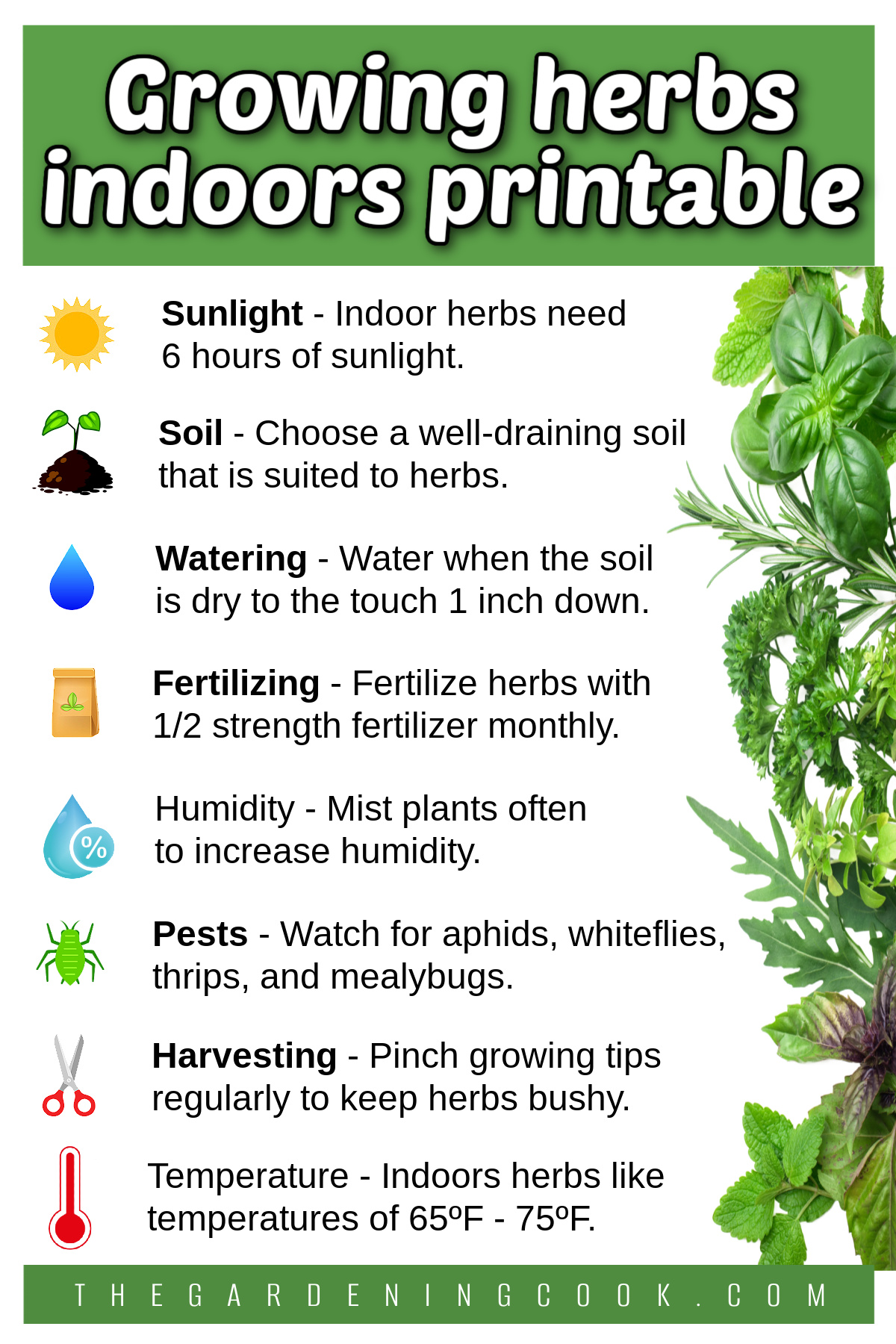
Herbs need plenty of light to grow well. Most herbs prefer at least six hours of sunlight daily. Place your garden near a south or west-facing window. Use grow lights if natural light is scarce. LED grow lights are energy-efficient and work well for herbs.
Temperature And Humidity
Herbs prefer a consistent temperature range. Keep your indoor garden between 65°F and 75°F. Avoid placing herbs near drafts or heat sources like radiators. Humidity is crucial for herb health. Most herbs thrive in moderate humidity levels. Use a humidifier if your home is too dry. Mist your herbs occasionally to maintain moisture.
Soil And Potting Essentials
Maintaining an indoor herb garden requires attention to soil and potting essentials. The right soil and containers will help your herbs thrive. Proper choices ensure healthy growth and vibrant flavors.
Types Of Soil Mixes
Choosing the right soil mix is crucial for your herbs. Herbs need well-draining soil to prevent root rot. Here are some options:
- Potting Soil:A common choice for indoor plants. It retains moisture well.
- Cactus Mix:Ideal for herbs needing less moisture. It drains quickly.
- Custom Mix:Combine equal parts potting soil, perlite, and sand. This mix balances drainage and moisture retention.
Choosing The Right Containers
Containers impact your herb garden’s health. They come in various materials and sizes. Ensure they have drainage holes to prevent water buildup.
- Clay Pots:These are breathable and prevent overwatering. They dry out faster.
- Plastic Pots:Lightweight and retain moisture longer. Ideal for dry environments.
- Self-Watering Pots:Great for busy gardeners. They provide consistent moisture.
Pick containers with enough room for root growth. Small herbs need smaller pots. Larger herbs require bigger containers.
Credit: thegardeningcook.com
Watering Techniques
Watering is crucial for a healthy indoor herb garden. It ensures herbs grow strong and vibrant. Proper techniques prevent common issues like overwatering or underwatering. Understanding your herbs’ needs can lead to a flourishing garden.
Frequency Of Watering
Each herb has unique watering needs. Some need more water, while others prefer drier soil. Check the soil moisture regularly. Insert your finger about one inch into the soil. If it feels dry, it’s time to water.
Most herbs need watering once or twice a week. Adjust this based on the season and humidity levels in your home. During hotter months, herbs may need more frequent watering.
Signs Of Overwatering
Overwatering is a common mistake. It can lead to root rot and other problems. Look for yellowing leaves, a sign of too much water. The soil may also feel constantly wet or soggy.
If you notice these signs, reduce watering frequency. Ensure pots have drainage holes. This helps excess water escape, keeping roots healthy.
Feeding Your Herbs
Feeding your indoor herb garden is vital for healthy growth. Herbs need nutrients to thrive and produce flavorful leaves. Understanding the right fertilizer and timing can make a huge difference.
Types Of Fertilizers
There are various fertilizers for herbs. Organic fertilizers are natural and gentle. They improve soil quality over time. Chemical fertilizers deliver nutrients quickly. They are easy to use but can harm soil if overused.
Liquid fertilizers are popular for indoor gardens. They are mixed with water and applied during watering. Granular fertilizers release nutrients slowly. They are spread on the soil surface and work over several weeks.
When To Fertilize
Fertilize your herbs during the growing season. This is usually spring and summer. Avoid fertilizing in winter when growth slows down. Over-fertilizing can harm your plants, so be careful.
Observe your plants for signs of nutrient needs. Yellowing leaves or slow growth may mean they need feeding. Always follow the instructions on the fertilizer package for best results.
Pruning And Harvesting
Pruning regularly helps your indoor herb garden stay healthy and vibrant. Trim dead or overgrown parts to encourage growth. Harvest herbs often to promote new leaves and ensure a continuous supply of fresh flavors for your dishes.
Maintaining an indoor herb garden is both a rewarding and aromatic experience. One of the key practices for ensuring your herbs thrive is regular pruning and harvesting. These actions not only keep your plants healthy but also provide you with fresh ingredients to enhance your culinary creations. Let’s delve into the benefits of regular pruning and the techniques for effective harvesting that can transform your indoor herb garden into a lush, green sanctuary.Benefits Of Regular Pruning
Pruning is more than just snipping leaves. It’s a strategic approach to encourage growth and prevent disease. Regular pruning helps your herbs grow bushier and more robust, providing a continuous supply of fresh leaves. By removing dead or overgrown stems, you allow sunlight and air to reach the inner parts of the plant. This can significantly reduce the risk of mold and pests. Consider how rewarding it feels to see your basil or mint bounce back after a good trim, looking healthier and fuller. Doesn’t it make you want to be diligent with your pruning routine?Harvesting Techniques
Effective harvesting is an art that balances your culinary needs with the plant’s health. For most herbs, it’s best to harvest in the morning after the dew has dried but before the sun is too intense. Use sharp scissors or garden shears to prevent damage to the plant. Cut just above a leaf node to encourage new growth. Think about the satisfaction of snipping rosemary or thyme, knowing you’re not only enhancing your dishes but also promoting your plant’s vitality. Isn’t it fascinating how a simple harvest can lead to a flourishing garden? Engaging in these practices not only ensures your herbs remain healthy but also provides you with a constant supply of fresh flavors. Have you tried these techniques in your indoor garden? If not, maybe it’s time to give them a shot and enjoy the green rewards.Pest And Disease Management
Regularly inspect your indoor herbs for pests and diseases to ensure healthy growth. Keep leaves dry and provide good airflow to prevent mold and mildew. Use natural remedies like neem oil or insecticidal soap for pest control.
Maintaining an indoor herb garden requires attention to pest and disease management. Indoor environments can attract unwanted pests that affect plant health. Understanding common pests and using natural treatments can help keep your herbs thriving.Common Pests In Indoor Gardens
Indoor gardens often face pest issues. Some of the most common pests include aphids, spider mites, and whiteflies. Aphids are small insects that suck sap from plants, causing leaves to curl. Spider mites are tiny and create webbing on leaves. Whiteflies are winged insects that lay eggs on plant leaves, leading to leaf yellowing. These pests can weaken plants and reduce growth.Natural Remedies And Treatments
Natural remedies help manage pests without harmful chemicals. Here are some effective treatments:- Neem Oil: Spray diluted neem oil on leaves. It disrupts pest life cycles.
- Soap Spray: Mix mild liquid soap with water. Spray to suffocate pests.
- Garlic Spray: Blend garlic with water. Strain and spray on leaves.
- Essential Oils: Use peppermint or rosemary oil mixed with water.
- Companion Planting: Grow herbs like basil. They repel certain pests.

Credit: food52.com
Troubleshooting Common Problems
Keeping your indoor herb garden thriving involves proper light, watering, and soil care. Ensure herbs get enough sunlight by placing them near windows. Regularly check the soil moisture and adjust watering to prevent root rot.
Troubleshooting common problems in your indoor herb garden is essential. It keeps your plants healthy and thriving. Identifying issues early ensures better growth and flavor. Let’s explore some common problems.Yellowing Leaves
Yellowing leaves often signal a nutrient issue. Check your soil’s nitrogen levels. Low nitrogen can cause yellow leaves. Use a balanced fertilizer. Ensure your herbs get enough sunlight. Lack of light can also yellow leaves. Rotate your plants regularly. This ensures even light exposure. Overwatering is another cause. Check soil moisture before watering. Herbs need well-drained soil. Too much water suffocates roots. Allow soil to dry between waterings. This helps prevent root rot.Slow Growth Issues
Slow growth is frustrating. Begin by checking light exposure. Herbs need bright, indirect sunlight. Insufficient light stunts growth. Consider using grow lights. They provide consistent light indoors. Nutrient deficiency can also slow growth. Use organic compost or liquid fertilizer. This boosts soil health. Ensure your pot is the right size. Crowded roots hinder growth. Repot if necessary to allow space. Temperature affects growth too. Herbs prefer temperatures between 65°F and 75°F. Avoid placing near heaters or cold drafts. Stable temperatures promote steady growth. Keep these tips in mind to maintain a healthy herb garden.Enhancing Aesthetic Appeal
Enhancing the aesthetic appeal of your indoor herb garden is about more than just having fresh basil at your fingertips. It’s about creating a living piece of art that brings beauty and life to your home. Imagine walking into your kitchen and being greeted by a vibrant display of greenery that makes you smile. This section will help you achieve that by focusing on decorative pot ideas and arrangement tips, ensuring your herb garden is both functional and visually stunning.
Decorative Pot Ideas
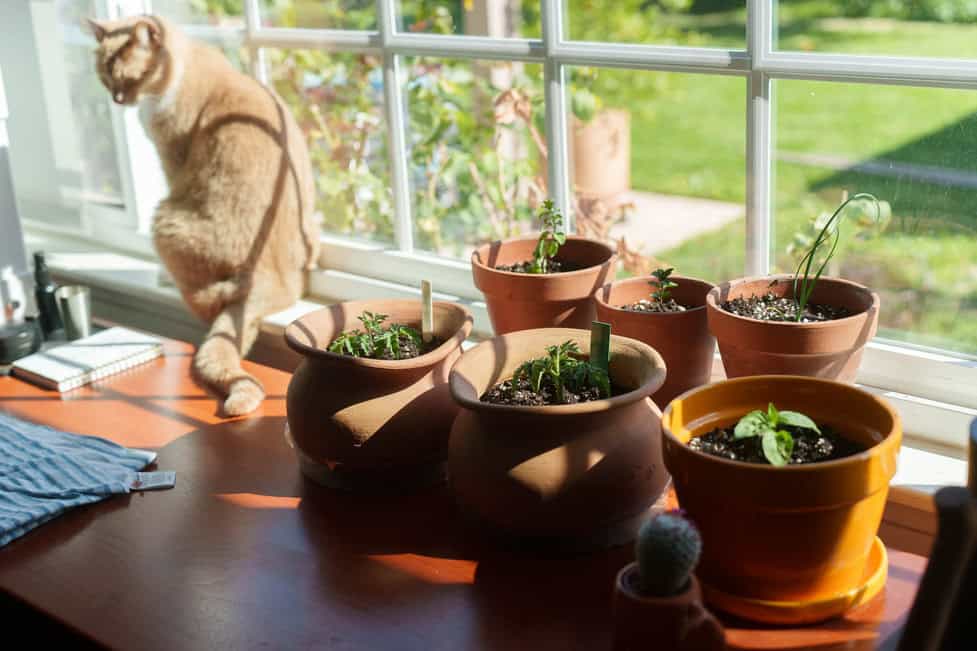
The right pot can elevate your herb garden’s appearance. Consider using pots with unique textures or colors that complement your home decor. Ceramic pots are a classic choice, offering a timeless appeal.
Embrace creativity with repurposed containers like teacups or mason jars. These can add a whimsical touch to your space. If you’re aiming for a modern look, sleek metallic pots might be the perfect fit.
Don’t forget about hanging pots. They save space and add dimension to your garden. A collection of hanging pots can create a striking focal point in any room.
Arrangement Tips
Arranging your herbs is an art form in itself. Group plants with similar sunlight needs together to make care easier and enhance visual symmetry. This keeps your garden thriving and looking cohesive.
Play with heights to add interest. Place taller herbs like rosemary at the back and shorter ones like thyme at the front. This layering effect draws the eye and adds depth.
Consider arranging pots in clusters rather than rows. Clusters create a more organic and inviting look. Experiment with different formations until you find one that resonates with your style.
How can you make your herb garden a conversation starter? By blending functionality with visual appeal, your indoor herb garden can become a cherished part of your home decor. What decorative pot will you choose next?
Credit: www.hungryhuy.com
Frequently Asked Questions
How Often Should I Water My Indoor Herbs?
Water your indoor herbs when the soil feels dry to touch. Most herbs prefer consistent moisture but avoid overwatering. Check them every few days. Adjust frequency based on humidity and temperature conditions. Use pots with drainage holes to prevent waterlogging, ensuring healthy growth.
What Light Do Indoor Herbs Need?
Indoor herbs thrive in bright, indirect sunlight. Place them near a south-facing window for optimal light exposure. Consider supplementing natural light with LED grow lights if needed. Rotate pots regularly for even growth. Ensure your herbs receive about 6-8 hours of light daily.
How Do I Prune Indoor Herbs?
Prune indoor herbs by cutting above leaf nodes to encourage bushy growth. Regular pruning prevents legginess and promotes new shoots. Use sharp scissors for clean cuts. Remove dead or yellowing leaves promptly. Pruning enhances flavor and aroma while maintaining plant health.
Can I Grow Herbs Indoors Year-round?
Yes, you can grow herbs indoors all year. Control the environment with consistent light, temperature, and humidity. Use grow lights in winter for adequate lighting. Choose hardy herbs like basil, mint, and rosemary. Indoor herb gardens offer fresh flavors year-round with proper care.
Conclusion
Growing herbs indoors is both fun and rewarding. Regular care keeps them healthy. Water the plants when the soil feels dry. Ensure they get enough light each day. Trim the herbs to encourage growth. Check for pests and remove them quickly.
Use the right potting soil for your herbs. Enjoy fresh herbs in your meals. With these simple steps, your indoor herb garden will thrive. Happy gardening!







