Imagine stepping into your garden, greeted by vibrant blooms and lush greenery, a sanctuary of calm and beauty. But achieving this garden paradise doesn’t happen by chance.
It requires a little know-how and consistent care. If you’re looking to transform your outdoor space into a thriving haven, you’re in the right place. Maintaining garden plants might seem overwhelming, but with the right tips and tricks, you can nurture your garden with confidence and ease.
This article will guide you through simple yet effective strategies to ensure your plants flourish, captivating your senses and enhancing your surroundings. So, grab your gardening gloves, because you’re about to discover how straightforward and rewarding plant care can be. Dive in, and let your garden flourish like never before!

Credit: www.youtube.com
Choosing The Right Plants
Selecting plants suited to your climate helps them thrive. Consider sunlight, soil type, and water needs. Proper spacing ensures healthy growth and prevents overcrowding.
Choosing the right plants for your garden is crucial for maintaining their health and beauty. It’s not just about picking the prettiest flowers or the most exotic trees. You need to consider several factors that impact plant growth and sustainability. By selecting plants that fit your environment, you’ll create a thriving garden with less effort. So, how do you choose the right plants? Let’s break it down.Understanding Your Climate
Your local climate significantly impacts plant growth. Some plants love the heat, while others thrive in cooler temperatures. Consider the average rainfall, sunlight hours, and temperature variations throughout the year. A cactus might be perfect for a dry, sunny climate, but it wouldn’t survive in a region with heavy rainfall and low sunlight. Spend some time observing your garden’s microclimate before making your choices.Assessing Soil Conditions
The soil in your garden is the foundation for plant growth. Different plants require different soil types—some prefer sandy soils, others need clay, and many thrive in loamy soil. You can test your soil’s pH and texture using a simple home kit or by sending a sample to a local extension service. Adjustments like adding compost or sand can improve soil conditions, making it more suitable for the plants you want to grow.Selecting Native Plants
Native plants are adapted to your local climate and soil, making them easier to grow and maintain. They are also more resistant to local pests and diseases. Incorporating native plants can reduce the need for fertilizers and pesticides, promoting a healthier garden ecosystem. You might be surprised by the variety and beauty of native plants that can fit perfectly into your garden design. Are there native plant species you haven’t considered yet? Choosing the right plants involves understanding your environment and making informed decisions. This ensures a flourishing garden that doesn’t just look good but is also sustainable.Watering Techniques
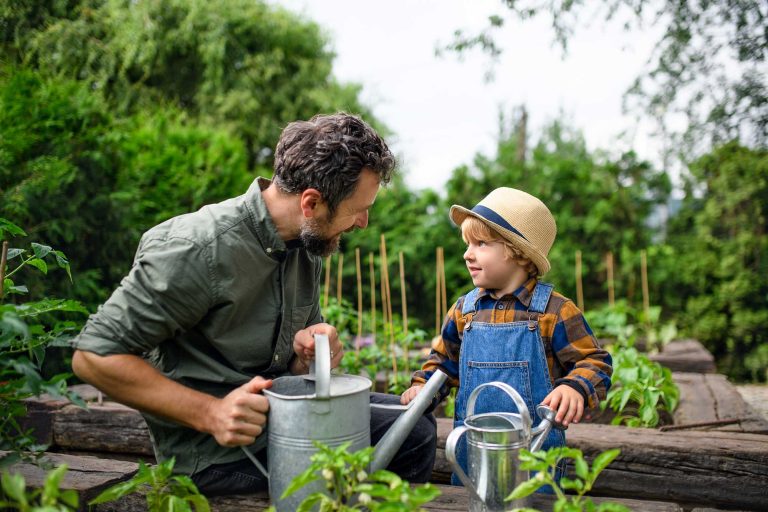
Proper watering ensures healthy garden plants. Water deeply but less often to encourage strong root growth. Morning watering reduces evaporation and fungal diseases.
Watering your garden plants requires careful attention and technique. Ensuring they receive the right amount of water can significantly boost their health. Different plants have varied needs, making it essential to understand specific requirements. Using efficient watering systems helps conserve water and saves time. Avoiding overwatering is crucial to prevent root rot and other issues. Let’s explore some effective watering techniques for a thriving garden.Determining Water Needs
Different plants require different amounts of water. Observe your plants regularly to assess their needs. Consider the plant type, soil condition, and climate. Check the soil moisture by sticking your finger into the soil. If it’s dry an inch below, it’s time to water. Understanding your plant’s specific needs ensures they thrive.Efficient Watering Systems
Efficient watering systems save time and resources. Drip irrigation is a popular choice. It delivers water directly to the plant roots. Soaker hoses are another great option. They distribute water evenly along their length. Sprinklers are suitable for larger areas. Choose a system that suits your garden size and plant type.Avoiding Overwatering
Overwatering is a common mistake. It can harm your plants. Ensure proper drainage in your garden. Use pots with drainage holes for potted plants. Always check the soil moisture before watering. Overwatering can lead to root rot and other diseases. Understanding your plants’ needs helps prevent these issues.Soil Health And Fertilization
Healthy soil is key for thriving garden plants. Regularly check soil quality and use organic fertilizers to enrich nutrients. Rotate plant varieties to maintain soil health and prevent nutrient depletion.
Maintaining the health of your garden plants begins with nurturing the soil they grow in. Soil health and fertilization are crucial components that ensure your plants flourish. Understanding the quality of your soil and choosing the right fertilizers can make a significant difference in your garden’s vitality. So, how can you optimize soil health and fertilization for thriving plants?Testing Soil Quality
Before you plant anything, it’s essential to test your soil. You might be surprised to learn that soil can vary greatly even within a small area of your garden. Get a soil test kit from your local garden center. It will help you understand the nutrient content, pH level, and texture. If your soil lacks certain nutrients, you’ll know exactly what to add. This step can save you time and effort in the long run. Wouldn’t you want to ensure your plants are getting the best start possible?Organic Vs. Chemical Fertilizers
Choosing between organic and chemical fertilizers can be a tricky decision. Organic fertilizers, like compost and manure, enrich the soil naturally and improve its structure. They release nutrients slowly, making them a great choice for long-term soil health. On the other hand, chemical fertilizers offer immediate nutrient availability but can harm beneficial soil organisms if overused. Consider what your garden needs and how much effort you’re willing to put into maintaining soil quality. Which option aligns with your gardening goals?Timing Fertilization
Timing is everything in gardening, especially when it comes to fertilization. Adding nutrients at the right time can maximize absorption and benefit your plants the most. Generally, fertilize during the growing season when plants are actively absorbing nutrients. For many, this means early spring and late summer. Be mindful of your specific plant needs, as some might require more frequent feeding. Ask yourself, when was the last time you checked your fertilization schedule? Adjusting it could be the key to your garden’s success. By focusing on soil health and fertilization, you can create a thriving environment for your garden plants. Healthy soil leads to robust plants, and who doesn’t want a garden bursting with life and color?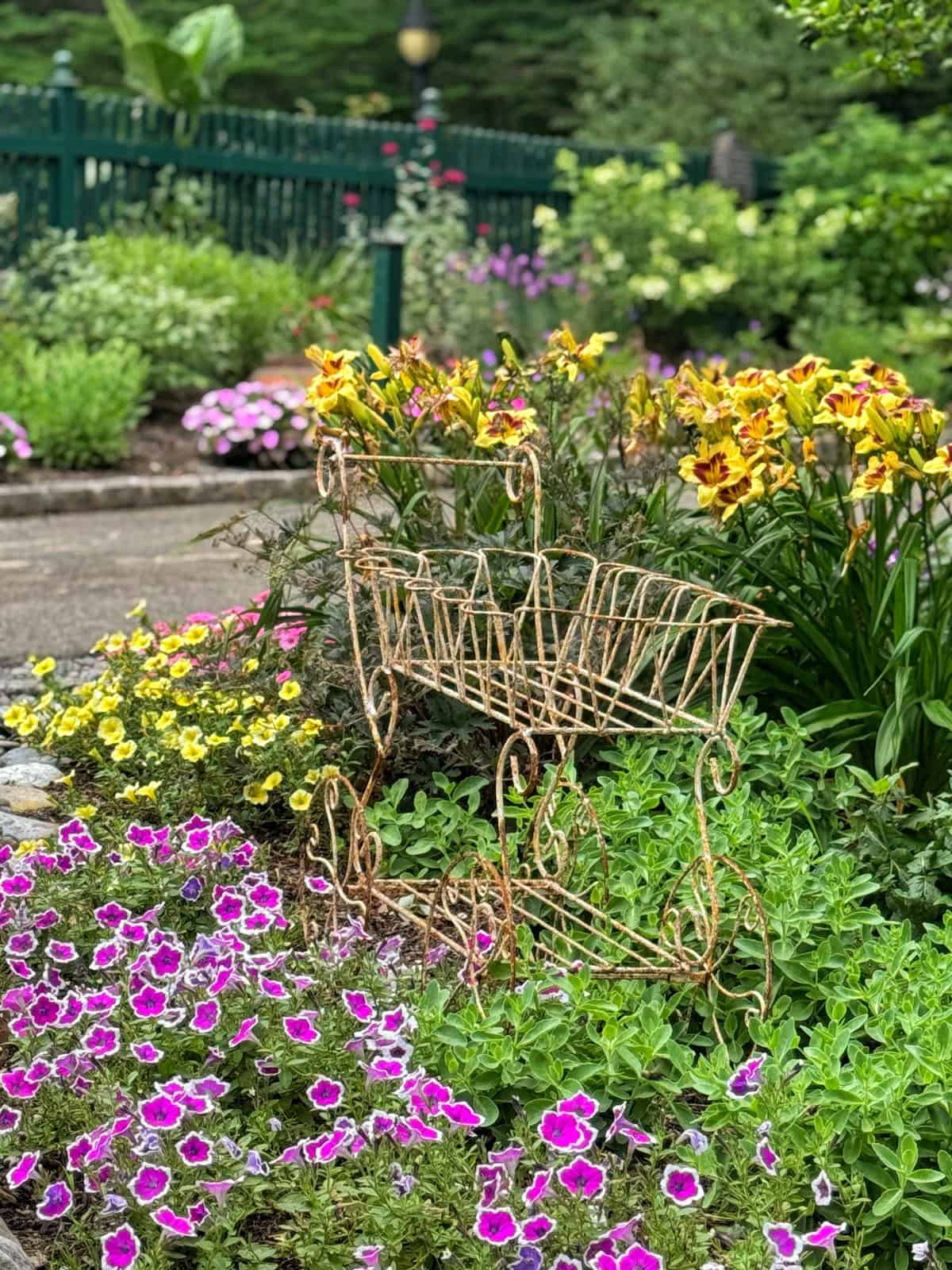
Credit: stacyling.com
Pruning And Trimming
Pruning and trimming are essential for healthy garden plants. These practices remove dead or overgrown branches, helping plants grow better. By shaping plants, you improve air circulation and sunlight exposure. This promotes vibrant growth and reduces disease risk. Let’s explore how to prune effectively.
Identifying When To Prune
Timing is crucial for pruning. Different plants have specific pruning seasons. Research your plant type to know the right time. Generally, prune in late winter or early spring. This is before new growth starts. Avoid pruning during flowering season. This can stress the plant.
Tools For Effective Pruning
Using the right tools makes pruning easier. Invest in quality tools for best results. Common tools include:
- Pruning shears: For small branches and stems.
- Lopping shears: Ideal for thicker branches.
- Pruning saw: Used for large branches.
Keep tools sharp and clean. This ensures smooth cuts and prevents disease spread.
Encouraging Plant Growth
Pruning encourages new growth. Cut back old stems to stimulate fresh shoots. Remove any branches blocking sunlight. This improves overall plant health. Aim for a balanced shape. This helps plants grow evenly. Remember, less is more. Don’t over-prune, as it can harm the plant.
Pest And Disease Management
Regularly inspect plants for signs of pests and diseases. Use natural remedies to prevent infestations. Maintain healthy soil and good air circulation for robust garden plants.
Maintaining a healthy garden involves more than just watering and fertilizing your plants. One of the most challenging yet essential tasks is managing pests and diseases. These unwanted guests can quickly turn your flourishing garden into a scene of devastation. Understanding how to effectively manage these issues ensures your plants thrive and your garden remains a beautiful sanctuary. Let’s delve into some practical and actionable insights that will help you tackle garden pests and diseases head-on.Common Garden Pests
Every gardener has faced the frustration of dealing with common garden pests. Aphids, slugs, and caterpillars often top the list. These tiny invaders can cause significant damage if not addressed promptly. Aphids, for example, are small, soft-bodied insects that cluster on new growth, sucking out sap and leaving plants weakened. Slugs and snails, on the other hand, leave telltale silvery trails and ragged holes in leaves. Identifying these pests early is crucial in minimizing their impact.Natural Pest Control Methods
Resorting to chemical solutions isn’t always necessary. Natural pest control methods can be just as effective. Introducing beneficial insects like ladybugs can help control aphid populations. Ladybugs are voracious eaters of aphids and can be a gardener’s best friend. Another approach is using homemade sprays. A simple mix of water and dish soap can deter many pests without harming the plants. Companion planting, such as growing marigolds alongside tomatoes, can also repel unwanted insects. These methods not only preserve the environment but also encourage a balanced ecosystem in your garden.Signs Of Plant Diseases
Recognizing the signs of plant diseases early can save your garden from potential disaster. Yellowing leaves, wilting, or unusual spots are often indicators of disease. Fungal infections, like powdery mildew, manifest as white, powdery spots on leaves and stems. Bacterial infections might cause black, water-soaked patches. Observing these signs early allows you to take quick action. Removing affected parts, improving air circulation, and adjusting watering practices can often halt the spread of disease. Have you ever considered how much damage a tiny pest can do to your garden? By staying vigilant and employing these strategies, you can keep your garden healthy and vibrant. Remember, a little proactive care goes a long way in maintaining the beauty and productivity of your plants.Seasonal Care Strategies
Adjust watering routines as temperatures change to prevent over or under watering. Prune plants regularly to encourage healthy growth. Use mulch to protect roots from extreme weather conditions.
Seasonal care strategies are essential for healthy garden plants. Different seasons bring unique challenges. Proper care ensures vibrant growth and resilience year-round. Let’s explore some strategies to keep your garden thriving.Preparing For Winter
Winter poses threats like frost and cold winds. Insulate your plants with mulch. Use straw or leaves around the base. Protect fragile plants with burlap wraps. Ensure that pots and containers are off the ground. This prevents freezing damage. Water plants deeply before the first frost. Moist soil retains warmth. Keep an eye on the weather forecast. Be ready to cover plants during cold snaps.Summer Care Tips
Summer heat can stress your plants. Water early in the morning. This reduces evaporation. Use drip irrigation for efficient watering. Mulch keeps soil cool and moist. Prune dead or damaged branches. This promotes healthy growth. Fertilize lightly. Too much can harm plants in the heat. Provide shade for delicate plants during peak sun hours. Monitor for pests. They thrive in warm conditions.Handling Seasonal Transitions
Seasonal transitions require careful observation. Gradually adjust watering schedules. Daylight changes affect plant needs. Begin fertilizing again in spring. Use a balanced fertilizer for new growth. Prune plants as they come out of dormancy. Remove old or diseased branches. Watch for signs of pests or diseases. They often appear during changes in temperature. Rotate mulch or add fresh layers as needed. These seasonal strategies will help maintain your garden’s beauty and health.Enhancing Plant Growth
Regular watering and proper sunlight exposure are crucial for thriving garden plants. Soil enriched with nutrients boosts plant health. Pruning and pest control also help maintain vigorous growth.
Enhancing plant growth in your garden is more than just ensuring they get enough sunlight and water. It involves understanding the synergy between different plants, soil health, and providing the right support. By focusing on these elements, you can create a thriving garden that yields bountiful results.Companion Planting Benefits
Companion planting is a clever way to maximize plant growth. Pairing plants that benefit each other can lead to healthier growth and higher yields. For example, planting basil near tomatoes can enhance their flavor and deter pests. Think about the relationships between your plants. Some plants help each other by attracting beneficial insects or providing shade. Experiment with different combinations and observe the results.Using Mulch Effectively
Mulch is more than just a pretty cover for your soil. It retains moisture, suppresses weeds, and regulates soil temperature. Organic mulches like straw or wood chips also enrich the soil as they decompose. Spread a 2-3 inch layer of mulch around your plants. Be careful not to pile it against stems, as this can cause rot. Regularly check your mulch layer and replenish as needed to maintain its benefits.Support Structures For Plants
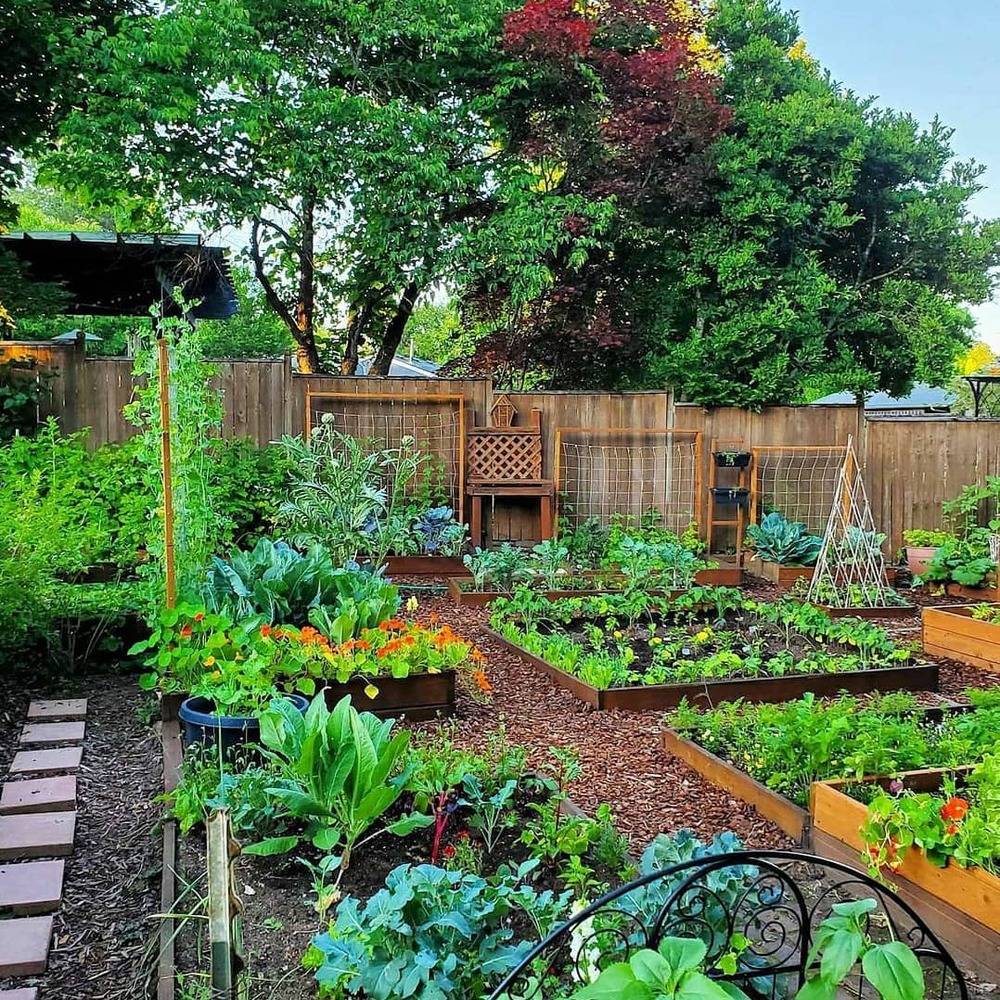
Sturdy support structures can make a big difference for growing plants. They prevent damage from wind and help plants grow upward, maximizing space in your garden. Stakes, trellises, and cages are popular choices for supporting plants. Consider the growth habits of your plants when choosing supports. For example, tomatoes benefit from cages, while climbing beans thrive on trellises. Providing the right support can lead to healthier plants and easier harvesting. What innovative methods have you tried to enhance plant growth in your garden?
Credit: elizabethgracegardens.com
Sustainability Practices
Sustainability practices are crucial for maintaining a healthy garden. These practices help preserve resources and protect the environment. They also ensure your garden remains vibrant and thriving. Implementing sustainable techniques can significantly improve plant health and yield.
Water Conservation Techniques
Water conservation is vital for a sustainable garden. Efficient watering methods save water and reduce costs. Use drip irrigation systems to deliver water directly to plant roots. This method minimizes evaporation. Mulching is another effective technique. It retains moisture in the soil, reducing the need for frequent watering. Collect rainwater using barrels. This provides an eco-friendly water source for your garden.
Reducing Chemical Use
Reducing chemical use benefits both plants and the environment. Opt for organic fertilizers and pest control methods. Composting kitchen scraps and garden waste creates natural fertilizer. It enriches the soil without harmful chemicals. Introduce beneficial insects like ladybugs. They naturally control pests, reducing the need for chemical pesticides. Planting native species can also deter pests. They are more resistant to local insects and diseases.
Encouraging Biodiversity
Biodiversity plays a key role in a sustainable garden. It promotes a balanced ecosystem. Plant a variety of species to attract different wildlife. Birds, bees, and butterflies are great pollinators. They help improve plant reproduction and diversity. Create habitats like birdhouses and bee hotels. These provide shelter for beneficial creatures. Avoid monoculture planting. Diverse gardens are more resilient to pests and diseases.
Frequently Asked Questions
How Often Should I Water Garden Plants?
Water garden plants based on their specific needs, soil type, and weather conditions. Most plants require watering every few days, ensuring soil is moist but not soggy. Adjust frequency during rainy or dry spells to prevent overwatering or dehydration.
What Is The Best Time To Prune Plants?
The best time to prune plants is late winter or early spring, before growth resumes. Pruning during these seasons promotes healthy growth and minimizes stress. Avoid pruning during extreme weather conditions to prevent damage.
How Do I Protect Plants From Pests?
Protect plants from pests by using natural deterrents like neem oil or insecticidal soap. Regularly inspect your plants and remove any visible pests manually. Encourage beneficial insects like ladybugs to help control pest populations.
How Can I Improve Soil Quality?
Improve soil quality by adding organic matter like compost or aged manure. These enrich the soil with essential nutrients and enhance drainage. Regularly test soil pH and amend as needed to support plant health and growth.
Conclusion
Caring for garden plants requires patience and attention. Regular watering keeps them healthy. Check soil moisture before watering. Prune plants to promote growth and remove dead parts. Fertilize appropriately to provide nutrients. Protect plants from pests and diseases with natural methods.
Rotate plants to balance nutrients and avoid soil depletion. Observe plant changes and adjust care as needed. Enjoy the beauty and tranquility your garden brings. A well-maintained garden offers peace and satisfaction. Keep learning and experimenting to improve your gardening skills.
Your garden will thrive with love and care.