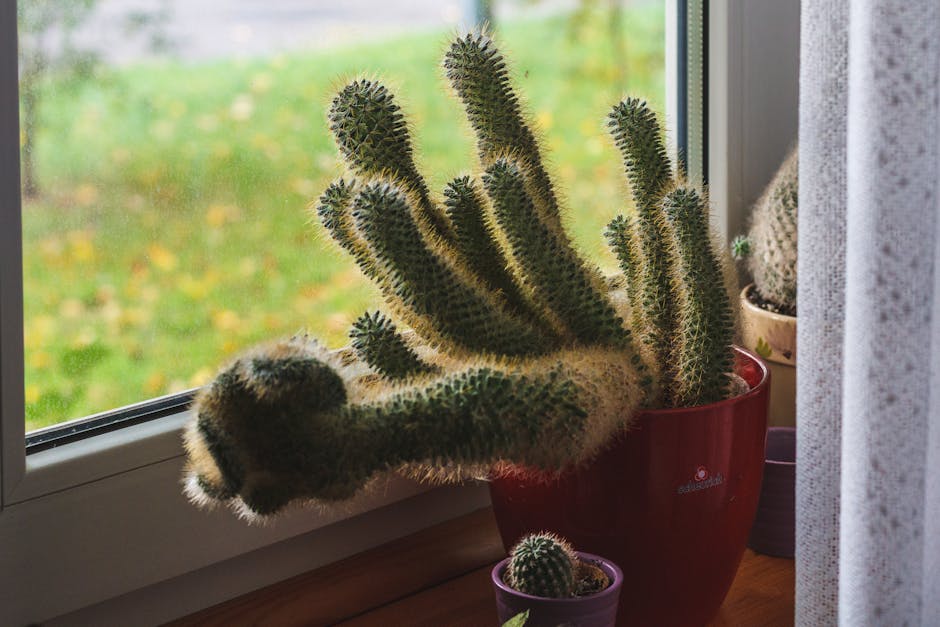
Imagine walking into your kitchen, surrounded by the vibrant greens of fresh herbs, leafy vegetables, and juicy tomatoes, all thriving indoors. You can have this lush garden right at your fingertips, ready to provide nourishment and flavor for your meals.
Living off an indoor garden isn’t just a dream—it’s a practical and rewarding lifestyle choice that you can achieve with a bit of planning and care. Why settle for store-bought produce when you can grow your own right at home?
An indoor garden offers a unique blend of convenience and sustainability, allowing you to harvest fresh ingredients no matter the season. You’ll discover the benefits of fresher, tastier produce, and the satisfaction of knowing exactly where your food comes from. You might be wondering how to make this happen in your own space. Whether you have a spacious apartment or a cozy corner, you’ll learn how to transform it into a thriving garden. Imagine the joy of picking your own salad greens or snipping fresh herbs for your favorite dish. This guide will walk you through the essentials of starting and maintaining an indoor garden, from choosing the right plants to understanding their light and water needs. Ready to turn your home into a green oasis? Dive into the world of indoor gardening and unlock the secrets to growing your own food, enhancing your health, and boosting your mood—all from the comfort of your home.
Benefits Of Indoor Gardening
Indoor gardening offers fresh produce year-round, reducing grocery bills. It improves air quality and provides a relaxing hobby. Growing herbs, vegetables, and fruits indoors boosts self-sufficiency and promotes healthy eating habits.
Indoor gardening offers a unique opportunity to transform your living space into a lush, green paradise. Beyond just aesthetics, it provides numerous benefits that can positively impact your life. Whether you’re tending to a small herb garden on your windowsill or cultivating a variety of vegetables, indoor gardening can be a game-changer.Health And Wellness
Growing your own food indoors allows you to access fresh produce year-round. This means you can enjoy nutrient-rich meals without worrying about pesticides or preservatives. Having plants around can boost your mental health, reduce stress, and improve air quality by increasing oxygen levels. It’s like having a personal spa at home without the expense. Imagine waking up to the smell of fresh basil or mint. It’s a simple pleasure that can uplift your mood and inspire creativity. Why not start your day with a calming ritual of watering your plants?Environmental Impact
Indoor gardening helps reduce your carbon footprint. By growing your own food, you reduce the need for transportation and packaging, which lessens environmental damage. Plants act as natural air purifiers. They absorb toxins and release oxygen, improving indoor air quality. This is particularly beneficial if you live in an urban area with pollution. Consider how much waste you can reduce by composting plant scraps and using them to enrich your garden soil. It’s a sustainable cycle that benefits both you and the planet.Economic Savings
Indoor gardening can be a budget-friendly way to eat healthy. Buying seeds and soil is often cheaper than purchasing vegetables at the store. You save money by avoiding costly trips to the grocery store for herbs and greens. Growing them at home ensures you always have a fresh supply. Think about the long-term savings. With a flourishing indoor garden, you may find yourself spending less on food and more on experiences that truly matter to you.Choosing The Right Plants
Selecting suitable plants ensures your indoor garden thrives year-round. Opt for varieties like herbs, leafy greens, and small vegetables. These choices adapt well to indoor conditions, providing fresh produce continuously.
Choosing the right plants for your indoor garden is crucial to ensuring a steady supply of fresh produce all year round. Think of your indoor garden as a mini grocery store where you control what’s on the shelves. Selecting plants that suit your needs and growing conditions will set you up for success.Herbs For Culinary Use
Herbs are a fantastic choice for indoor gardens. They take up little space and pack a flavor punch. Consider growing basil, mint, or cilantro, which are perfect for adding to your favorite dishes. Imagine the satisfaction of plucking fresh basil leaves for your homemade pizza. It’s not just about convenience; it’s about enhancing your meals with fresh ingredients. Herbs are forgiving and thrive on a sunny windowsill or under grow lights. They don’t require much attention, making them ideal for beginners.Vegetables For Nutrition
Growing your own vegetables indoors is a rewarding endeavor. Leafy greens like spinach, lettuce, and kale are excellent choices. These veggies grow quickly and continuously provide fresh leaves for your salads. Have you ever wondered about the nutritional value of store-bought vegetables? Growing your own ensures you know exactly what you’re consuming. Root vegetables like radishes and carrots can also be grown indoors. They need a bit more space, but the payoff is fresh, crunchy produce whenever you need it.Fruits For Sweetness
Don’t underestimate the joy of picking fresh fruits from your indoor garden. Strawberries and dwarf citrus trees are popular choices. They may require a bit more care, but the sweet reward is worth it. Do you remember the taste of freshly picked strawberries? It’s a burst of flavor that store-bought varieties can’t match. Fruits need plenty of light, so place them near the sunniest spot in your home or invest in good quality grow lights. Patience is key, but the results are delightful and refreshing.Essential Gardening Tools
Pruning shears, watering cans, and grow lights are vital for an indoor garden. They help maintain plant health and growth. These tools make living off an indoor garden practical and sustainable.
Growing an indoor garden can be a rewarding venture, offering fresh produce right at your fingertips. However, to ensure your garden thrives, it’s essential to equip yourself with the right tools. Let’s dive into some crucial items that will help you cultivate a flourishing indoor oasis.Containers And Pots
Choosing the right containers and pots is vital for your indoor garden’s success. Consider the size of your plants and the space available. You might find that ceramic or plastic pots work well for herbs, while deeper containers are necessary for root vegetables like carrots. Ensure your pots have drainage holes to prevent waterlogging, which can lead to root rot. Think about aesthetics as well. Sleek, modern pots can enhance your indoor decor, making your garden not only functional but also visually appealing. How will your choice of containers complement your indoor space?Lighting Solutions
Adequate lighting is crucial for indoor gardening. While natural light is ideal, it might not always be possible, especially in darker months. Investing in good quality grow lights can make a significant difference. LED grow lights are popular due to their energy efficiency and ability to mimic natural sunlight. Position your lights correctly to avoid uneven growth. It’s worth experimenting with different setups—perhaps elevate some lights for taller plants while keeping others closer to shorter ones. How can you adjust your lighting to optimize growth throughout the seasons?Watering Systems
Watering can be a challenge in an indoor garden, especially if you’re juggling a busy schedule. Consider using self-watering pots or drip irrigation systems to automate the process. These tools ensure your plants receive consistent moisture, reducing the risk of over or under-watering. Monitor the humidity levels in your home. If it’s too dry, a humidifier can help maintain optimal conditions for your plants. What adjustments can you make to ensure your watering system is efficient and effective? By equipping yourself with these essential tools, you’ll be well on your way to creating a thriving indoor garden that not only feeds your body but also enriches your living space.
Credit: www.tiktok.com
Creating The Ideal Environment
Creating the Ideal Environment An indoor garden needs proper light, water, and temperature control to thrive. Use LED grow lights for sufficient illumination. Maintain moderate humidity and ensure good air circulation.
Creating the Ideal Environment Growing your indoor garden requires more than just planting seeds in pots. To thrive, plants need a balanced environment where temperature, humidity, and air circulation are optimized. Think about how different plants have varied needs. How can you mimic their ideal outdoor conditions indoors?Temperature Control
Maintaining the right temperature is crucial for plant growth. Most indoor plants flourish between 65°F and 75°F. Too cold, and your plants might stunt; too warm, and they could wilt. Consider investing in a digital thermometer for accurate readings. Have you ever walked into a room and felt the temperature shift? Your plants feel it too. Adjusting your thermostat or using space heaters can keep them cozy.Humidity Management
Indoor plants often suffer from dry air, especially during winter months. Aim for humidity levels between 40% and 60% to keep them healthy. Simple solutions like misting plants or using a humidifier can make a big difference. Have you noticed your skin feeling dry indoors? Just like us, plants need moisture to thrive. Grouping plants together can also naturally increase humidity.Air Circulation
Fresh air is essential for preventing mold and promoting healthy growth. Stagnant air can be a silent killer. Consider using fans to create gentle air movement. Have you ever felt the refreshing breeze on a warm day? Your plants enjoy it too. Ensure windows are opened occasionally to let in fresh air. This simple step can invigorate your indoor garden.Plant Care Techniques
Indoor gardening offers a sustainable way to grow fresh produce. Knowing how to care for your plants is key. Proper plant care ensures healthy growth and bountiful harvests. Here are some essential plant care techniques to help your indoor garden thrive.
Watering Best Practices
Watering is crucial for plant health. Use lukewarm water to avoid shocking the plants. Check the soil moisture before watering. Stick your finger about an inch into the soil. If it’s dry, it’s time to water. Overwatering can lead to root rot. Ensure pots have drainage holes to prevent waterlogging. Water early in the day to reduce evaporation.
Pruning And Trimming
Pruning keeps plants healthy and encourages growth. Remove dead or yellowing leaves. Use clean, sharp scissors for precise cuts. Cut just above a leaf node to promote new growth. Regular trimming prevents plants from becoming leggy. It helps maintain a neat and tidy garden appearance.
Soil And Fertilization
Good soil provides essential nutrients. Use a high-quality potting mix for your plants. Choose soil that retains moisture but drains well. Fertilize your plants to keep them nourished. Use organic fertilizers for a natural approach. Follow the package instructions for application frequency. Over-fertilizing can harm your plants.
Pest And Disease Management
Pest and disease management is essential for thriving indoor gardens. Regularly inspect plants to catch issues early. Use natural remedies like neem oil to control pests.
Pest and disease management is crucial for a thriving indoor garden. Indoor plants need protection from pests and diseases. Understanding how to manage these threats keeps your garden healthy. Below, explore essential tips for maintaining a pest-free indoor garden.Identifying Common Pests
Common pests include aphids, spider mites, and fungus gnats. Each pest has unique characteristics. Aphids are small and often green. Spider mites create fine webs on plants. Fungus gnats resemble tiny flies. Regularly check leaves and soil for signs. Early detection helps in managing infestations.Natural Pest Control
Natural solutions are safe and effective. Use neem oil to deter pests. It disrupts their growth and reproduction. Insecticidal soap can also help. It targets soft-bodied insects like aphids. Introduce beneficial insects like ladybugs. They eat harmful pests, balancing the ecosystem. Keep plants healthy to resist pest attacks.Disease Prevention
Diseases often result from poor conditions. Ensure proper air circulation around plants. This reduces humidity levels. Avoid overwatering to prevent root rot. Always use clean tools and pots. Sterilize them before use. This stops the spread of pathogens. Inspect plants regularly for disease symptoms. Remove any infected leaves immediately.Maximizing Yield
Indoor gardening offers a sustainable way to live off home-grown produce. Focus on efficient space utilization to maximize yield. Choose versatile plants like herbs and leafy greens for continuous harvest.
Maximizing yield from your indoor garden can be a rewarding endeavor, turning a hobby into a practical solution for sustainable living. By employing strategic gardening techniques, you can significantly increase the volume and quality of your produce. The key lies in understanding the dynamics of your indoor environment and making the most of the space and resources available to you.Succession Planting
Succession planting involves sowing seeds in intervals to ensure a continuous harvest. By staggering planting times, you can enjoy fresh produce throughout the year without overwhelming your space. Consider starting with quick-growing crops like lettuce or radishes and follow them up with slower-growing plants such as tomatoes or peppers. Rotating crops is another effective strategy. After harvesting one batch, immediately plant a new set of seeds to keep the cycle going. This method not only maximizes yield but also makes efficient use of your time and space.Companion Planting
Companion planting is about growing certain plants together that can benefit each other. For instance, basil can enhance the flavor of tomatoes and deter pests when planted nearby. Similarly, marigolds can help protect your vegetables from harmful insects. Think of it as creating a mini-ecosystem. The right combination of plants can improve growth rates and increase resilience against diseases. Do some research to find out which plants work well together in your indoor garden setup.Harvesting Tips
Harvesting at the right time is crucial to maximize yield. Picking your vegetables early can encourage more production. For leafy greens, pick the outer leaves first, allowing the inner leaves to mature. Use sharp scissors or garden shears to avoid damaging the plants. Regularly check your garden to ensure you’re harvesting at peak ripeness. This not only enhances the flavor but also promotes further growth. Are you making the most of your indoor garden? Evaluate your current practices and see where you can incorporate these strategies. By doing so, you’ll find yourself with a bountiful indoor harvest, enjoying fresh, home-grown produce all year round.
Credit: www.designcafe.com
Preserving And Storing Produce
Cultivating an indoor garden offers fresh produce year-round. Preserve surplus harvests by freezing, drying, or canning. Store produce in cool, dark places to extend shelf life and maintain flavor.
Growing an indoor garden is a rewarding venture, offering fresh produce right at your fingertips. However, maximizing the benefits of your garden involves knowing how to preserve and store your harvest effectively. By utilizing different preservation techniques, you can ensure your produce remains fresh and usable long after it’s picked. Let’s delve into some practical methods for keeping your garden bounty ready for any meal.Drying And Dehydrating
Drying and dehydrating are simple yet powerful ways to preserve your produce. These methods remove moisture, preventing spoilage and extending shelf life. For herbs like basil or mint, simply hang them upside down in a warm, dry place. For fruits and vegetables, consider using a dehydrator or your oven on a low setting. You’ll be amazed at how a handful of dried tomatoes can transform your winter pasta dishes. Plus, dried produce takes up less space, making it perfect for compact storage.Canning And Pickling
Canning and pickling not only preserve your produce but also enhance flavors. These methods are excellent for cucumbers, peppers, and tomatoes. Pickling adds a tangy twist that can elevate your meals. Using sterilized jars, you can store your produce for months. Imagine opening a jar of homemade tomato sauce in the middle of January—it’s like tasting summer all over again. Canning might seem intimidating at first, but once you get the hang of it, it’s a satisfying way to stock your pantry.Freezing Methods
Freezing is an accessible option for many, requiring minimal equipment. Blanch vegetables like broccoli or beans before freezing to preserve their color and nutrients. This quick process involves boiling them briefly, then plunging them into ice water. Fruits like berries can be frozen directly, making them perfect for smoothies or baking. Use airtight bags or containers to prevent freezer burn. Do you have a favorite vegetable soup? Freeze your garden veggies in portions, ready to thaw and enjoy whenever you crave that comforting dish. These preservation techniques not only reduce waste but also allow you to savor your indoor garden’s produce throughout the year. What’s your favorite method to store garden produce?Incorporating Produce Into Meals
Growing an indoor garden provides fresh produce for your meals. Herbs, vegetables, and fruits thrive indoors. Enjoy the convenience and flavor boost in your daily dishes.
Incorporating produce from your indoor garden into meals can be rewarding. It ensures fresh flavors and boosts nutritional intake. Home-grown vegetables and herbs can transform any dish. Let’s explore creative ways to include them in daily meals.Recipe Ideas
Fresh produce can inspire diverse recipes. Consider making a vibrant salad with leafy greens, tomatoes, and cucumbers. Add fresh basil and oregano to your pasta sauce for a rich taste. Stir-fry bell peppers and carrots for a quick, healthy side dish. Homemade pesto with home-grown basil is a delightful topping for bread or pasta.Nutritional Benefits
Freshly picked produce is packed with nutrients. Vegetables from your garden retain more vitamins. Eating them boosts your immune system and energy levels. Herbs add flavor and carry antioxidants. These help fight inflammation and keep you healthy.Meal Planning
Plan meals around what your garden offers. Start with a weekly menu using available produce. Make a list of recipes that feature your vegetables. This ensures nothing goes to waste. Batch-cook meals and store them for busy days. Doing this saves time and keeps your diet healthy.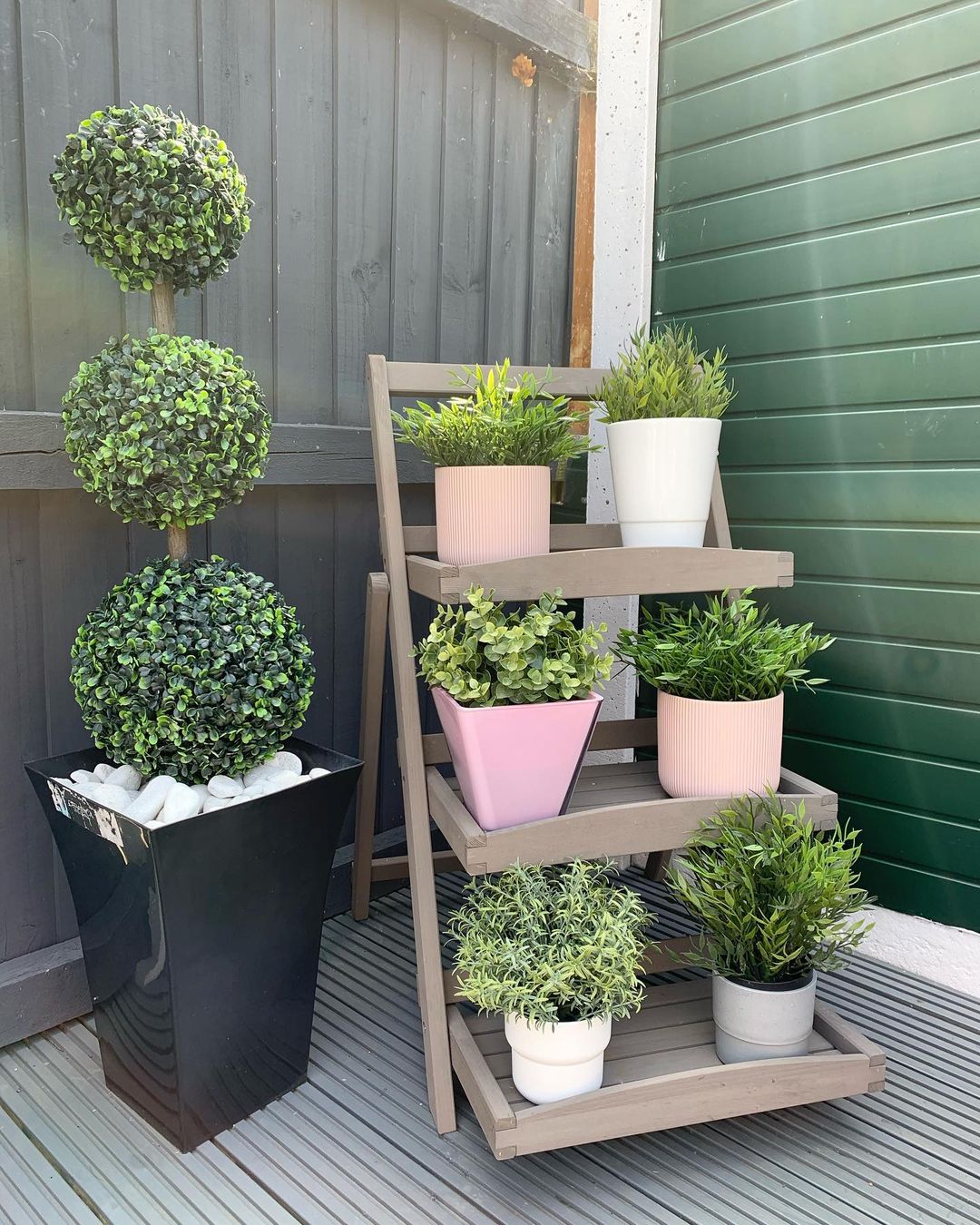
Credit: www.extraspace.com
Sustainable Practices
Cultivate an indoor garden to embrace sustainable living. Grow herbs, vegetables, and fruits in small spaces. Enjoy fresh produce year-round while reducing your carbon footprint.
Creating a thriving indoor garden is not just about growing plants; it’s about embracing sustainable practices that help you live more harmoniously with nature. By making thoughtful choices in how you manage waste, materials, and resources, you can transform your indoor garden into a sustainable ecosystem. Let’s dive into some practical ways to make your indoor gardening efforts more sustainable.Composting Waste
Turning kitchen scraps into compost is a fantastic way to enrich your garden soil naturally. Instead of throwing away vegetable peels and coffee grounds, why not use them to nourish your plants? You don’t need a large space for composting indoors. A small bin with a lid under your sink can do the trick. Remember to mix green waste, like fruit scraps, with brown waste, such as paper and dried leaves, to maintain balance.Recycling Materials
Before discarding containers and jars, consider how they might be repurposed for your indoor garden. Old yogurt cups and tin cans can become excellent plant pots with a little creativity. Reusing materials not only saves money but also reduces waste. Creating your own plant labels from cut-up cereal boxes is a simple and eco-friendly project. How might you creatively use materials lying around your home?Water Conservation
Water is a precious resource, and conserving it should be a priority in your indoor garden. Collect rainwater or use leftover water from cooking to hydrate your plants. Consider installing a simple drip irrigation system to ensure your plants receive the right amount of water without waste. Monitoring the moisture levels of your soil can prevent over-watering, which is a common mistake among indoor gardeners. By integrating these sustainable practices into your indoor garden, you’ll not only reduce your environmental footprint but also enjoy the satisfaction of creating a self-sustaining space in your home. What sustainable practice will you try first?Community And Sharing
Growing an indoor garden lets you enjoy fresh produce year-round. Share surplus vegetables with neighbors to strengthen community bonds. Indoor gardening not only provides food but also connects people through shared harvests.
Community and Sharing Growing an indoor garden can be a fulfilling and sustainable way to nourish yourself and your family. But the benefits extend beyond your own kitchen. Engaging with a community of fellow gardeners can enrich your experience and provide support. By sharing your produce and knowledge, you can foster connections and inspire others to embrace indoor gardening.Joining Gardening Groups
Connecting with local or online gardening groups can be a game-changer. These communities offer a wealth of knowledge and encouragement. You’ll find tips on plant care, pest control, and even innovative gardening techniques. Participating in these groups can also lead to lasting friendships. Share your successes and challenges, and learn from the experiences of others. You’ll be surprised at how much you can grow together.Sharing Excess Produce
One of the joys of indoor gardening is the occasional surplus of produce. When your basil plant is more than you can use, why not share the bounty? Offering your extra harvest to friends or neighbors not only spreads goodwill but also reduces waste. Set up a small produce swap in your neighborhood. Imagine the variety of fresh ingredients you could gather! It’s a win-win situation that can bring communities closer together.Educating Others
Your journey in indoor gardening can be a source of inspiration. Share your knowledge with others who are eager to learn. Host a workshop or a casual gathering to discuss your successes and challenges. Encourage your audience to start their own indoor garden. Use your personal experiences to demonstrate the tangible benefits. The more you share, the more you’ll see your community bloom with budding gardeners.Frequently Asked Questions
What Plants Are Best For Indoor Gardens?
Choosing indoor plants depends on lighting and space. Herbs like basil and mint thrive easily. Leafy greens such as spinach and kale are great too. For fruits, strawberries and tomatoes can be grown indoors. Ensure proper care for each plant type to maximize yield.
How Can Indoor Gardens Save Money?
Indoor gardens reduce grocery bills by providing fresh produce. Growing herbs, vegetables, and fruits at home cuts down on frequent store visits. This sustainable approach also lessens food waste. Investing initially in seeds and gardening equipment pays off in long-term savings.
What Are Common Indoor Gardening Challenges?
Common challenges include inadequate lighting, pests, and watering issues. Lack of natural sunlight can hinder growth. Pests such as aphids may appear indoors. Overwatering or underwatering can affect plant health. Addressing these issues early ensures a successful indoor garden.
How Do I Maintain An Indoor Garden?
Proper maintenance involves regular watering, pest control, and adequate lighting. Monitor soil moisture levels to avoid overwatering. Use organic pest solutions for infestations. Ensure plants receive enough light by placing them near windows or using grow lights. Regularly prune and harvest for optimal growth.
Conclusion
Living off an indoor garden is both rewarding and sustainable. You gain fresh produce year-round. It’s a perfect hobby for city dwellers. Start small with herbs or vegetables. Expand as you gain confidence. Enjoy the health benefits of home-grown food.
Save money and reduce your carbon footprint. Indoor gardening connects you with nature. It brings joy and satisfaction. Anyone can do it with patience and care. Remember, every plant is a step towards self-sufficiency. Embrace the journey and watch your garden thrive.







