
Are you tired of weeds taking over your garden? Do you want your plants to thrive without constantly battling unwanted guests?
Laying garden fabric around your plants might be the solution you’ve been searching for. With a simple yet effective approach, garden fabric can help maintain a neat and healthy garden, saving you time and effort. Imagine spending less time weeding and more time enjoying the beauty of your garden.
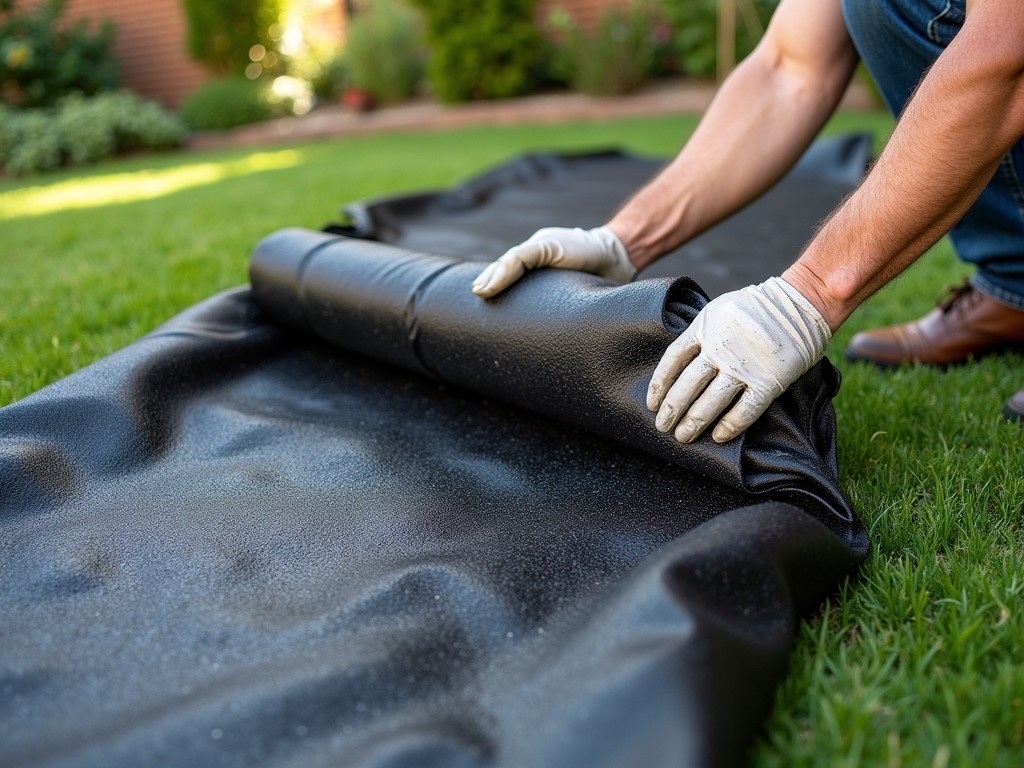
In this guide, you’ll discover the step-by-step process to lay garden fabric around your plants, ensuring they get the protection and support they need. By the end of this article, you’ll feel confident and ready to give your garden the makeover it deserves. Dive in and take the first step towards a more vibrant and weed-free garden!
Credit: www.leisurelandscapes.com
Benefits Of Garden Fabric
Laying garden fabric around plants helps control weeds and retains soil moisture. This barrier allows air and water to reach roots, promoting healthy growth. Easy to install, it reduces time spent on maintenance.
Garden fabric, also known as landscape fabric, offers many benefits for your garden. It helps keep weeds at bay, retains soil moisture, and provides a neat appearance. Using garden fabric can make gardening more manageable and efficient. Below are some key benefits that make garden fabric a worthy addition to your gardening routine.Weed Control
Garden fabric acts as a physical barrier. It prevents weeds from sprouting. Weeds struggle to penetrate the tough material. This reduces the need for chemical herbicides. You spend less time removing weeds.Moisture Retention
Garden fabric helps retain moisture. It slows down evaporation from the soil. Plants benefit from consistent water levels. Less frequent watering is required. This is especially helpful in dry seasons.Soil Erosion Prevention
Garden fabric stabilizes the soil. It prevents erosion caused by wind and rain. This maintains soil structure and nutrient levels. Your plants stay healthy and strong.Temperature Regulation
Garden fabric moderates soil temperature. It provides insulation during cold months. It reflects excess heat during summer. Plants grow in a more controlled environment.Improved Aesthetics
Garden fabric gives a tidy look. It covers the ground evenly. Mulch or stones placed on top enhance appearance. Your garden looks well-maintained and attractive.Easy Installation
Garden fabric is easy to lay. Simple tools are all you need. Cut the fabric to fit around plants. Secure it with garden staples. The process is quick and straightforward.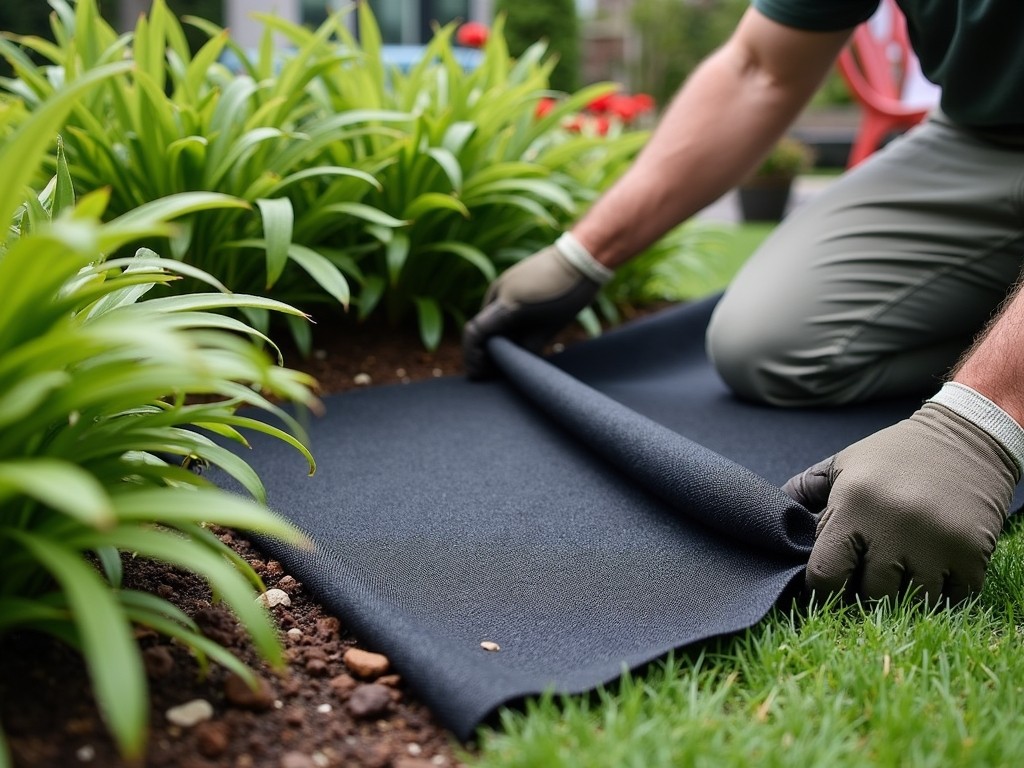
Credit: www.leisurelandscapes.com
Choosing The Right Fabric
Choosing the Right Fabric Garden fabric helps control weeds and retains moisture. Ensure it fits snugly around plants without covering stems. Secure the edges with garden staples for stability.
Choosing the right garden fabric is crucial for the health and aesthetics of your garden. It acts as a barrier against weeds, retains moisture, and enhances plant growth. But with so many options available, how do you decide which one is best for your garden?Types Of Garden Fabrics
There are primarily three types of garden fabrics: woven, non-woven, and spun-bonded. Woven fabrics are sturdy and long-lasting, ideal for areas with heavy foot traffic. Non-woven fabrics are breathable, making them perfect for flower beds and vegetable gardens. Spun-bonded fabrics offer a balance of durability and permeability, suitable for a variety of plants.Factors To Consider
When selecting garden fabric, consider the climate in your area. A fabric that’s too thick may retain too much heat in sunny climates. If you’re laying fabric in a high-traffic area, durability should be your priority. Check the permeability of the fabric to ensure it allows water and nutrients to reach your plants. Don’t forget about the cost. High-quality fabric might be an investment, but it often lasts longer, saving you money in the long run. Finally, think about the ease of installation. Some fabrics are easier to cut and lay around existing plants, making your gardening project smoother. Choosing the right garden fabric doesn’t have to be overwhelming. By understanding your garden’s needs and the options available, you can make an informed decision that benefits your plants and enhances your garden’s appearance.Preparing The Area
Preparing the area for laying garden fabric is crucial to ensure your plants thrive and the fabric serves its purpose effectively. It’s not just about laying fabric; it’s about creating an environment where your plants can flourish while minimizing weeds and maintaining moisture. Let’s dive into the essentials that will set the stage for successful garden fabric installation.
Clearing Debris
Start by removing any debris from the area where you plan to lay the garden fabric. This includes fallen leaves, rocks, and any leftover mulch. Clearing debris ensures a smooth surface for the fabric and prevents any sharp objects from tearing it.
Consider this as a fresh start for your garden bed. Imagine how much easier it will be to work without obstacles in your way. Plus, you’ll have a clear view of the soil, which is essential for the next step.
Soil Preparation
Once your area is free from debris, focus on preparing the soil. Loosen it using a rake or hoe to ensure proper drainage and aeration. This step helps plants establish strong roots beneath the fabric.
Think of it as giving your plants a head start. Well-aerated soil enhances nutrient absorption, and you’ll notice your plants looking healthier and more vibrant. Ever tried planting in compact soil? It’s a struggle that can be avoided with proper preparation.
Have you ever wondered why some plants thrive more than others? Soil quality is often the secret ingredient. Before laying down fabric, consider adding compost or organic matter to enrich the soil. You’ll be rewarded with lush growth that makes all the effort worth it.
Laying The Fabric
To lay garden fabric around plants, first clear the area of weeds and debris. Cut the fabric to fit, leaving space around plant stems. Secure it with garden staples to prevent movement.
Laying garden fabric helps control weeds and maintain soil moisture. This simple task can make your garden healthier and easier to manage. By following a few steps, you can ensure your garden fabric is correctly laid around plants.Measuring And Cutting
First, measure the area where you will place the fabric. Use a measuring tape for accuracy. Note the dimensions carefully. This helps in cutting the fabric to the right size. Once you have your measurements, spread the fabric out. Use sharp scissors for a clean cut. Cut the fabric according to your notes. Ensure you leave a little extra on the edges. This extra fabric helps in better coverage.Positioning And Securing
Now, lay the cut fabric over the soil. Position it around existing plants carefully. Make small slits to fit the plant stems. Ensure the fabric rests flat on the ground. Secure the fabric using garden staples or pins. Place them around the edges and in the middle. This keeps the fabric in place during wind or rain. Check that the fabric is smooth and snug against the soil. Following these steps will help keep your garden neat. The fabric will stay in place, protecting your plants.Making Plant Holes
Creating neat plant holes involves laying garden fabric carefully. Cut holes in the fabric, ensuring they fit the plant size. This helps control weeds while allowing plants to thrive.
Laying garden fabric is an effective way to keep weeds at bay while allowing your plants to thrive. However, making holes for your plants requires precision and a bit of strategy. When done correctly, it ensures that your plants get the space and nutrients they need without unwanted interference from weeds. Let’s explore some effective techniques for making plant holes.Cutting Techniques
Use sharp scissors or a utility knife for cleaner cuts. A sharp tool prevents fraying, which can lead to tears and larger holes over time. Consider the size of your plants. A small slit works for seedlings, while larger plants might need an X-shaped cut. An X-shaped cut provides flexibility, allowing you to fold back the flaps and adjust the size as the plant grows. This method is particularly useful if you’re unsure of the plant’s final size.Spacing Considerations
Think about how your plants will spread. Crowding can lead to competition for nutrients and sunlight. Use a measuring tape to ensure consistent spacing. This not only helps with plant health but also gives your garden a neat appearance. Consider future growth. A young plant may not take much space now, but envision its size in a few months. Proper spacing ensures each plant has room to flourish. By being mindful of your cutting techniques and spacing, you can lay garden fabric effectively around your plants, promoting healthy growth while keeping weeds in check. What are some techniques you’ve found successful in your garden?Maintaining Garden Fabric
Garden fabric helps control weeds and retain soil moisture. Cut the fabric to fit around plants and secure with landscape pins. Ensure a snug fit to prevent weeds from sneaking through.
Maintaining garden fabric is essential for its longevity and effectiveness. This protective layer can enhance plant growth and reduce weeds. Regular care ensures it continues to serve your garden well. Here are key steps to keep your garden fabric in top shape.Regular Inspections
Inspect the garden fabric regularly for any signs of damage. Look for holes, tears, or areas where weeds are pushing through. Check these spots every few weeks to catch problems early. Walk around your garden and gently lift parts of the fabric to see underneath. Make sure the edges are secure and not fraying. Regular inspections help identify issues before they become major problems.Repairing Tears
Repairing tears promptly prevents further damage. For small tears, use garden fabric tape or patches. Clean the area around the tear before applying a patch. Larger tears may require replacing a section of the fabric. Cut out the damaged area and lay new fabric over it, overlapping the edges. Secure it with garden staples to keep it in place. Proper repair ensures the fabric continues to protect your plants effectively.Expert Tips For Success
Laying garden fabric around plants enhances weed control and moisture retention. Cut fabric to fit the area, ensuring it’s snug around stems. Secure edges with garden staples for stability.
Laying garden fabric around plants is a great way to control weeds and improve soil moisture retention. But doing it successfully requires a few expert tips. These insights will help you avoid mistakes and enhance the growth of your plants, making your gardening efforts more fruitful and enjoyable.Avoid Common Mistakes
Garden fabric can be your best friend or your worst enemy, depending on how you use it. One common mistake is placing the fabric too close to plant stems. This can lead to moisture build-up and rot. Ensure there’s a small gap around the base of each plant. This prevents moisture issues and gives plants room to breathe. Another error is not securing the fabric properly. Use garden staples to anchor the fabric firmly, especially in windy areas. This keeps the fabric from shifting and exposing the soil to weeds.Enhance Plant Growth
Garden fabric doesn’t just control weeds; it can also enhance plant growth when used correctly. Consider adding a layer of organic mulch on top of the fabric. This not only improves the fabric’s appearance but also adds nutrients to the soil as it breaks down. Have you thought about soil quality? Before laying the fabric, enrich the soil with compost or other organic matter. This provides a nutrient-rich environment for roots to thrive. Watering is another crucial aspect. While garden fabric helps retain moisture, it’s important to ensure your plants still receive adequate water. Check the soil moisture regularly, especially in dry spells, and adjust watering as needed. By incorporating these tips, you’ll create a garden that’s both beautiful and easy to maintain. What small changes can you make today to improve your garden’s health and appearance?Integrating With Other Gardening Methods
Integrating garden fabric with other methods enhances plant protection and soil health. Fabric helps prevent weeds and retains moisture, promoting better growth. Lay fabric carefully around plants, ensuring coverage without hindering root expansion.
Integrating garden fabric with other gardening methods can enhance your plant care routine. This integration can improve the health and aesthetics of your garden. By combining techniques, you can maximize your garden’s potential with minimal effort.Combining With Mulch
Garden fabric and mulch work well together. The fabric acts as a barrier against weeds. It also helps retain soil moisture. Lay the garden fabric first, covering it with mulch. This combination reduces the need for frequent watering. It also keeps your garden looking tidy and well-maintained. Mulch over fabric provides double protection against weeds. It also enriches the soil as it breaks down over time. Choose organic mulch for added nutrients.Using With Raised Beds
Garden fabric is perfect for raised beds. It helps manage soil erosion and retains moisture. Place the fabric at the bottom of the bed. This setup ensures good drainage while keeping weeds out. Raised beds with fabric are easier to maintain. They also provide a neat and organized look. The fabric supports healthy plant growth by keeping the soil warm. This method is ideal for vegetable gardens and flower beds alike. Raised beds with fabric require less frequent weeding.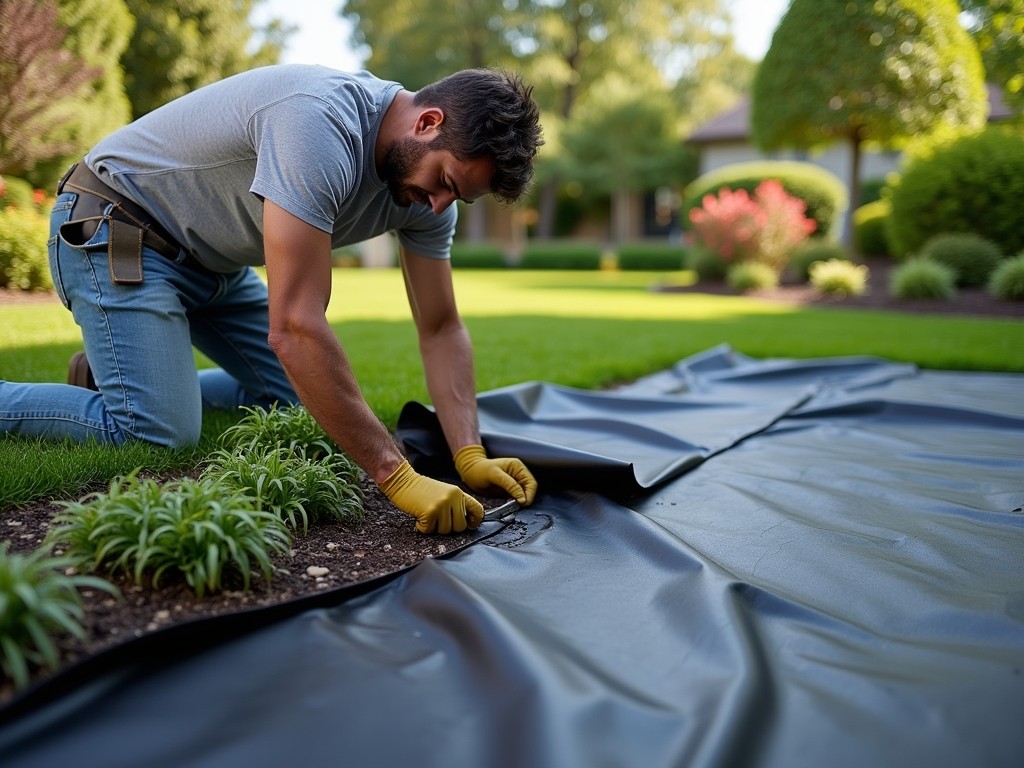
Credit: www.leisurelandscapes.com
Frequently Asked Questions
How Do I Prepare Soil Before Laying Fabric?
Preparing soil is essential. Clear debris, weeds, and rocks first. Ensure soil is level and smooth. This helps fabric lay flat. Add a layer of mulch for extra protection and aesthetics. Mulch also helps retain moisture and suppress weeds.
Can Garden Fabric Harm Plant Growth?
Garden fabric is generally safe for plants. It controls weeds and conserves moisture. Choose breathable fabric to avoid suffocation. Regularly check plants for any signs of distress. Proper installation ensures healthy plant growth and longevity.
What Type Of Garden Fabric Is Best?
Choose fabric based on plant type and climate. Woven and non-woven options exist. Woven fabrics are durable and ideal for long-term use. Non-woven fabrics are affordable and suitable for seasonal gardens. Always consider UV resistance and water permeability.
How Often Should I Replace Garden Fabric?
Replace garden fabric every 3-5 years, depending on wear. Monitor for tears or damage annually. Regular maintenance prolongs fabric lifespan. Replacing fabric ensures effective weed control and soil protection. Inspect fabric edges and seams for signs of deterioration.
Conclusion
Laying garden fabric around plants keeps weeds away. It saves time on maintenance. Garden fabric helps soil retain moisture. Plants grow healthier with less effort. Easy to install, it lasts for years. Choose quality fabric for best results. Measure and cut carefully.
Secure edges to prevent shifting. Enjoy a cleaner, more productive garden. Less weeding means more time for gardening joys. Watch your plants thrive with this simple method. Try it today and see the difference. Happy gardening!







