Imagine stepping into your garden, only to find your beloved plants looking less than vibrant. The culprits?
Those cute but pesky squirrels. They can turn your flourishing garden into a battleground overnight, digging up bulbs and munching on tender shoots. You might feel like you’re in a constant war, fighting to protect the fruits of your labor.
But don’t worry, you’re not alone. You’ve put too much effort into nurturing your plants to let them be a squirrel’s snack. This article is here to help you reclaim your garden sanctuary. With practical tips and clever strategies, you’ll learn how to keep these furry invaders at bay. Get ready to transform your outdoor space into a squirrel-free zone and enjoy the garden you’ve always dreamed of. Let’s dive in and take the first step toward making your garden squirrel-proof!

Credit: www.yahoo.com
Natural Barriers
Natural barriers like thorny plants or rough mulch deter squirrels from gardens. These elements create an uncomfortable environment, discouraging unwanted visitors. Placing natural deterrents strategically can effectively protect your plants without harming the animals.
Creating natural barriers is an effective and eco-friendly way to keep those pesky squirrels away from your garden plants. By using physical and plant-based deterrents, you can protect your precious blooms without resorting to harmful chemicals. Let’s dive into some practical methods to safeguard your garden.Physical Fences
Physical fences are one of the most straightforward solutions. A simple wire mesh fence can act as a sturdy barrier. Ensure the mesh is small enough to prevent squirrels from slipping through. Use a height of at least four feet to deter agile climbers. You can even add a slight outward curve at the top to make it harder for squirrels to climb over. Another idea is to install motion-activated sprinklers. These devices startle squirrels, making them think twice about trespassing.Planting Deterrent Species
Certain plants naturally repel squirrels due to their strong scents or textures. Consider planting daffodils or alliums around your garden. These plants not only add beauty but also act as a natural deterrent. Incorporate plants like mint or garlic which squirrels find unappealing. Imagine a garden that not only looks good but smells amazing to you and unattractive to critters. Utilizing these plants not only protects your garden but also enhances biodiversity. Have you ever thought about how nature itself can be your best ally in pest control?Repellents
Natural repellents deter squirrels from garden plants effectively. Use garlic or pepper spray to create unpleasant scents. Planting daffodils or marigolds can also keep squirrels away naturally.
Keeping squirrels away from your garden can feel like an uphill battle. These mischievous creatures seem to have an endless appetite for your plants and vegetables. Luckily, repellents offer a practical solution. By using the right methods, you can safeguard your garden and enjoy the fruits of your labor without worry.Homemade Solutions
Creating homemade repellents is not only cost-effective but also allows you to customize based on your garden’s needs. Mixing cayenne pepper with water can be surprisingly effective. Simply spray this concoction around your plants. The spicy scent deters squirrels, making them think twice before snacking on your greens. Another popular homemade solution involves using vinegar. Its strong smell is often enough to keep squirrels at bay. You can soak cotton balls in vinegar and place them strategically around your garden. Have you ever tried using peppermint oil? This aromatic oil can act as a natural deterrent. Spraying a mixture of peppermint oil and water around the garden can create a scent barrier that squirrels typically avoid.Commercial Products
If DIY isn’t your style, commercial products offer convenience with tried-and-tested formulas. Granular repellents are easy to sprinkle around your garden. They usually contain natural ingredients like garlic or hot pepper, which squirrels find unappealing. Sprays are another popular option. Brands often promise protection for weeks with just one application. These sprays can cover large areas and are generally rain-resistant, ensuring long-lasting protection. Electronic repellents might surprise you with their effectiveness. These devices emit high-frequency sounds that irritate squirrels without disturbing humans. They provide a tech-savvy approach to pest control. Have you ever thought about what would be most effective in your garden? Choosing between homemade solutions and commercial products depends on your preferences and the specific needs of your garden. Experiment with these methods and discover what keeps those pesky squirrels at bay.Garden Modifications
Protect garden plants by using natural deterrents like peppermint oil or cayenne pepper. Install barriers, such as chicken wire, to block their path. Consider planting squirrel-repellent flowers like daffodils or alliums around your garden.
Garden modifications can effectively deter squirrels from your plants. By adjusting your garden layout, you create a less inviting space. Simple changes can keep these critters at bay.Mulching Techniques
Using mulch can help protect garden plants. Opt for mulch types that squirrels dislike. Sharp or thorny mulch can deter them. Pine cones, or holly leaves, work well. Spread mulch evenly around plant bases. This makes digging difficult for squirrels. Keep mulch thick, around 2-3 inches deep. Refresh mulch regularly to maintain effectiveness. Mulching also helps retain moisture and suppress weeds.Proper Plant Arrangement
Strategic plant placement can reduce squirrel visits. Group plants in dense clusters. This limits access to individual plants. Place taller plants in the garden’s center. Surround them with shorter ones. This creates a natural barrier. Squirrels have a harder time navigating. Use companion plants that repel squirrels. Garlic and marigolds are good choices. Their scent can keep squirrels away. Rotate plant locations every season. This disrupts squirrel patterns and habits.
Credit: www.thegardenglove.com
Noise And Light Deterrents
Noise and light deterrents can keep squirrels away from garden plants effectively. Use motion-activated lights or sound devices to scare them off. These methods create an uncomfortable environment for squirrels without harming them.
Keeping squirrels away from your garden plants can be a challenging task. However, using noise and light deterrents can be an effective way to protect your plants. These methods are humane and easily available, making them an excellent choice for any gardener. Whether you’re dealing with a cheeky squirrel digging up your flower beds or nibbling on your fresh produce, these deterrents can help maintain peace in your garden.Wind Chimes
Wind chimes can be a delightful addition to your garden decor while serving a practical purpose. The gentle sound they produce can unsettle squirrels, making them think twice before approaching your garden. Choose wind chimes with varied tones to keep the squirrels guessing. You might be surprised how a simple change in sound can make a difference. Place them strategically around your garden, especially near areas that squirrels frequent. Have you ever noticed how a shift in sound can change the atmosphere?Motion-activated Lights
Motion-activated lights are another effective deterrent for those nocturnal squirrel visits. These lights can startle squirrels, causing them to flee. Install them near critical areas like fruit trees or vegetable patches. They work like an invisible guardian, ready to spring into action when needed. Experiment with different brightness levels and positions to find what works best for your garden. Wouldn’t it be intriguing to see how a sudden burst of light can reshape your garden’s security? By incorporating these noise and light deterrents, you can create a more squirrel-free environment in your garden, ensuring your plants remain safe and healthy.Providing Alternative Food Sources
Diversify your garden with alternative food sources for squirrels. Plant corn and sunflowers away from key areas. This approach can attract squirrels to these plants, helping protect your main garden.
Creating a harmonious balance between enjoying a lush garden and coexisting with the wildlife around it can be a rewarding challenge. Squirrels, with their curious nature and appetite, often find their way into gardens, leaving you with nibbled plants and disrupted soil. A thoughtful way to deter them is by providing alternative food sources. This strategy not only protects your garden but also keeps the squirrels happily occupied elsewhere.Feeding Stations
Setting up feeding stations in your garden can be a game-changer. Place them strategically at a distance from your prized plants to divert squirrels’ attention. Use a variety of nuts, seeds, and fruits that squirrels love. This ensures they have plenty to munch on and less reason to invade your flower beds. One sunny afternoon, I decided to try this in my own garden. I noticed a significant drop in plant damage as the squirrels preferred the easy pickings from the feeding station. Wouldn’t you love to enjoy your garden without the constant worry of squirrel invasions?Squirrel Feeders
Investing in squirrel feeders can further enhance your garden’s peace. These feeders are designed to be entertaining for the squirrels, often featuring puzzles or levers that make them work a bit for their meal. This keeps them busy and mentally stimulated. Mount the squirrel feeders on trees or poles away from your main garden area. Rotate the feeders’ locations occasionally to keep things interesting for the squirrels. You might find that your garden becomes a more harmonious space with this simple addition. By providing alternative food sources, you create a win-win situation. Your garden thrives, and the local squirrel community enjoys a feast. Isn’t it amazing how a few small changes can lead to such delightful results?Using Predators
Introduce natural predators like owls or hawks to deter squirrels from garden plants. These birds can help keep the squirrel population in check, protecting your plants effectively.
Squirrels can be pesky visitors in your garden. Using predators is an effective way to deter them. This natural method involves inviting creatures that naturally hunt squirrels. It’s an eco-friendly solution that maintains the balance in your garden ecosystem. Below are two ways to use predators in your garden.Attracting Birds Of Prey
Birds of prey like hawks and owls are natural squirrel predators. To attract them, install a perch or birdhouse in your garden. Keep these structures high and stable for the birds. Place them away from busy areas to give birds some peace. Offer a water source. Birds are attracted to fresh water. A small birdbath can work wonders. Clear any debris regularly to keep it inviting. Avoid using pesticides. Birds can be harmed by these chemicals. Instead, use organic methods for pest control. This keeps the environment safe for them.Introducing Pets
Dogs and cats can help keep squirrels at bay. Their presence can deter squirrels from entering your garden. Choose breeds known for their hunting instincts. Let your pets roam the garden regularly. Their scent can act as a deterrent. Train your pets to not harm the plants while chasing squirrels. Ensure pets have a safe space to rest and hydrate. A shaded area with a water bowl is ideal. This keeps them comfortable during their garden patrol. These methods can help maintain a squirrel-free garden. They are natural and beneficial for your garden’s ecosystem.Regular Garden Maintenance
Protect garden plants from squirrels by using natural repellents like peppermint oil. Install barriers such as mesh wire or netting around vulnerable plants. Regularly check for signs of damage and adjust measures as needed to ensure your garden remains squirrel-free.
Regular garden maintenance plays a vital role in keeping squirrels away from plants. Consistent care keeps your garden healthy and less appealing to these furry intruders. Squirrels often seek shelter and food in neglected areas. By maintaining your garden, you can deter them effectively.Trimming Trees
Regularly trim trees around your garden. Overgrown branches provide squirrels with easy access. Keep branches away from fences and roofs. This minimizes their jumping routes. Trimmed trees also reduce hiding spots. Without cover, squirrels feel exposed and avoid the area.Clearing Debris
Keep your garden clear of debris. Fallen leaves and twigs can attract squirrels. They use debris for nesting material. Remove these to make your garden less attractive. Check for food scraps or waste. Squirrels are drawn to leftover food. Clean these to prevent visits.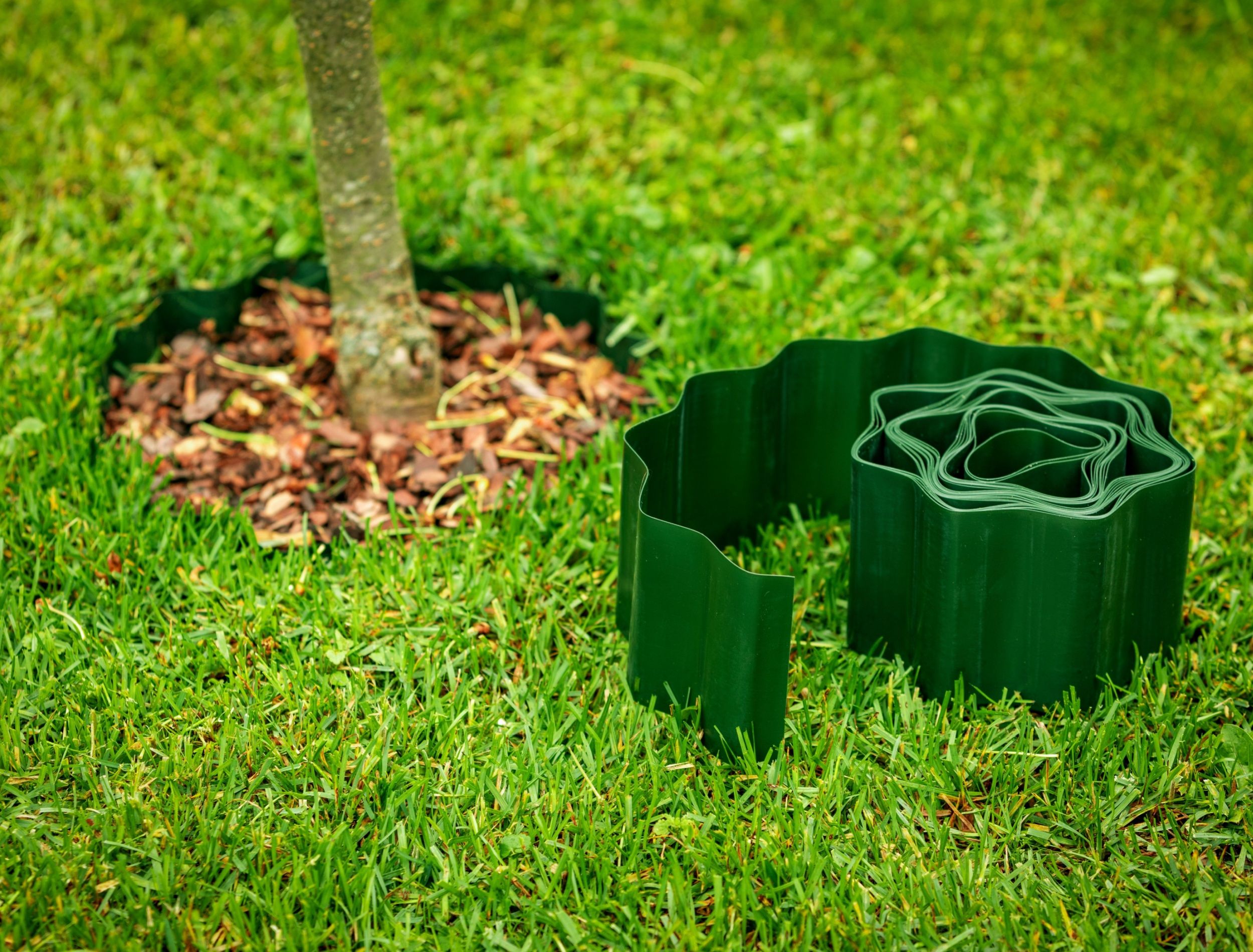
Credit: www.backyardboss.net
Frequently Asked Questions
How Can I Deter Squirrels Naturally?
Use natural repellents like peppermint oil or cayenne pepper. Planting squirrel-repellent plants such as daffodils and marigolds can help. Regularly changing deterrents prevents squirrels from getting used to them.
What Smells Do Squirrels Hate?
Squirrels dislike the smell of peppermint, vinegar, and garlic. Spraying these scents around your garden can deter them. Regular reapplication is crucial for effectiveness.
Are There Plants That Repel Squirrels?
Yes, certain plants like mint, daffodils, and marigolds repel squirrels. These plants have scents or tastes that squirrels find unpleasant. Incorporating them into your garden can help keep squirrels away.
Do Ultrasonic Devices Work On Squirrels?
Ultrasonic devices can deter squirrels by emitting high-frequency sounds. These sounds are irritating to squirrels but inaudible to humans. Ensure the device covers the entire area for effectiveness.
Conclusion
Keeping squirrels away can protect your garden. Simple steps make a big difference. Use natural repellents for safety. Try barriers like nets or fences. Keep your garden clean and tidy. Remove food sources that attract them. Consistency is key. Stay patient and persistent.
Observe what works best in your space. Every garden is unique. Adapt methods as needed. Enjoy a healthy, thriving garden. With these tips, you can enjoy your plants without worry. Happy gardening!







