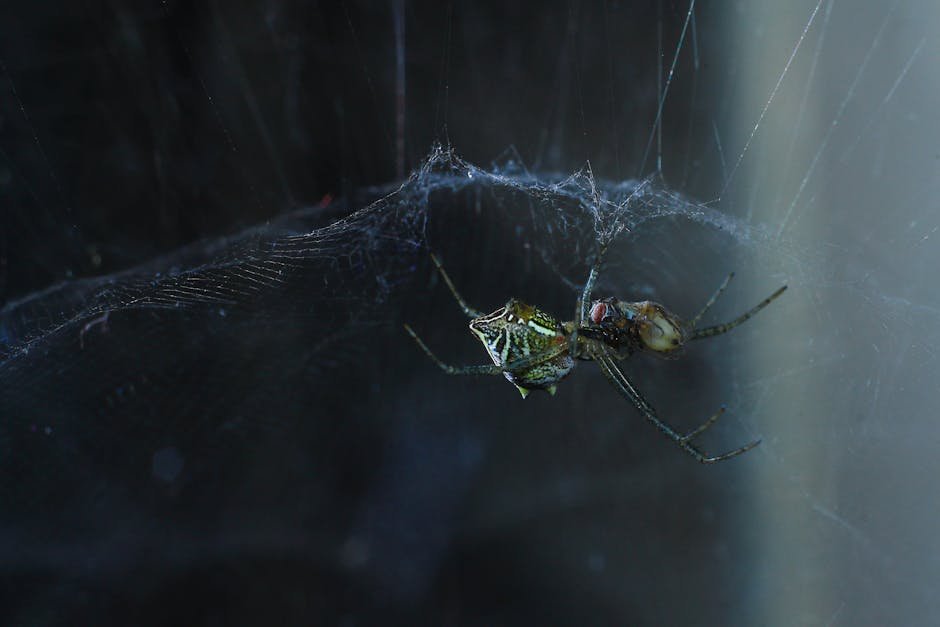
Imagine stepping into your garden, expecting to see lush, healthy plants, only to find them under siege by pesky bugs. Frustrating, right?
You want your garden to thrive, not become a buffet for insects. You’re not alone in this struggle. Many gardeners face the challenge of keeping their plants bug-free. But here’s the secret: it’s easier than you think. With a few simple strategies, you can protect your plants and enjoy a vibrant garden.
This article will guide you through effective methods to keep bugs off your garden plants, ensuring they remain healthy and flourishing. Ready to discover how to transform your garden into a bug-free zone? Let’s dive in and learn how you can reclaim your garden!

Credit: www.youtube.com
Companion Planting
Companion planting is a fascinating and effective way to keep your garden flourishing while minimizing pest issues. By strategically placing certain plants together, you can create a natural defense against insects. This method harnesses the power of plant relationships to promote growth and deter pests. Imagine walking through your garden, knowing each plant is working together to protect itself and its neighbors. It’s a technique that not only improves plant health but also adds diversity and beauty to your garden.
Beneficial Plant Combinations
Pairing certain plants can create a protective shield against bugs. For example, planting basil near tomatoes can deter flies and mosquitoes. Basil emits a scent that these insects find repulsive, keeping your tomatoes safe.
Another powerful duo is carrots and onions. Onions repel carrot flies, which are notorious for damaging carrot crops. By planting them together, you can ensure healthier carrots with minimal pest interference.
Consider marigolds in your garden. They can be planted alongside many vegetables to repel nematodes and other harmful insects. Their bright blooms add a splash of color while protecting your plants.
Plants That Repel Insects
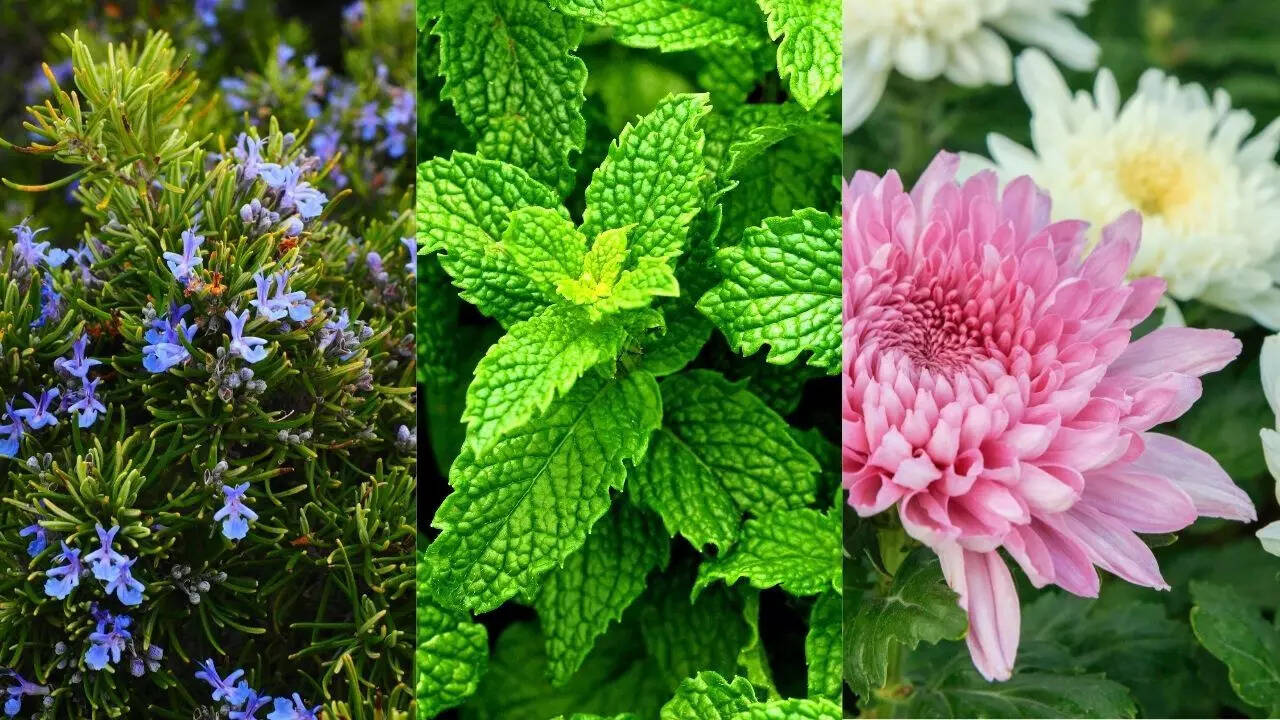
Some plants act as natural bug repellents. Lavender, for instance, is known for its calming scent, but it also wards off mosquitoes and moths. Plant it near entryways to keep bugs at bay.
Mint is another excellent choice. Its strong aroma can deter ants and aphids. However, be cautious, as mint can spread rapidly. Plant it in pots to control its growth while enjoying its pest-repelling benefits.
Chrysanthemums contain a natural compound called pyrethrin, which is effective against many insects. Plant them around your garden’s perimeter to create a barrier against pests.
What other plant combinations have you tried in your garden? Experimenting with different pairings can lead to surprising results, enhancing both the beauty and health of your garden.
Credit: www.dripworks.com
Natural Pest Repellents
Natural pest repellents can help keep bugs off garden plants. Use ingredients like garlic, neem oil, or vinegar. These options are safe for both plants and the environment, ensuring healthier gardens.
When battling garden pests, natural pest repellents offer an eco-friendly solution that protects your plants without harsh chemicals. These methods tap into nature’s own arsenal, providing you with effective ways to keep bugs at bay. Using natural repellents can be both rewarding and straightforward, allowing you to enjoy a flourishing garden. Are you curious about how simple household items can transform into powerful pest deterrents?Homemade Sprays
Homemade sprays are a great way to start your journey into natural pest control. You likely have the ingredients already sitting in your kitchen. Mix water with a dash of mild dish soap for a basic spray. This concoction suffocates small insects, safeguarding your plants. For added strength, you can incorporate garlic or hot pepper flakes into the mix. These spices irritate pests, encouraging them to find a new home. Try experimenting with different combinations. Would a bit of vinegar enhance the effectiveness of your spray?Essential Oils
Essential oils offer another method to repel pests naturally. Their strong scents can deter bugs from making your plants their cozy residence. Mint oil is a popular choice; its refreshing aroma is pleasant to humans but repelling to insects. Dilute a few drops in water and spray onto plant leaves. Similarly, lavender oil can calm your garden while disrupting bugs. How about trying lemon eucalyptus oil for a citrusy twist? This oil not only repels mosquitoes but may also keep other pests at bay. With essential oils, it’s all about finding the scent that both you and your plants love, while bugs hate.Physical Barriers
Use physical barriers like nets or row covers to protect garden plants. These barriers keep bugs away while allowing sunlight and air to reach the plants. Simple and effective solutions ensure your garden stays bug-free.
Physical barriers are a simple way to protect garden plants from bugs. They work by creating a shield that keeps insects away. These barriers are effective and do not involve chemicals. They are a great choice for organic gardening. Let’s explore some common physical barriers you can use.Row Covers
Row covers are lightweight fabrics placed over plants. They allow sunlight and rain while blocking insects. Use them for crops like lettuce and cabbage. Secure the edges with soil or stones to prevent bugs from sneaking in. They also help in maintaining humidity and warmth. This can boost plant growth.Netting And Mesh
Netting and mesh are great for keeping larger insects away. They are made of woven materials with small openings. This allows air and light to pass through. Use them over fruit trees and berry bushes. They prevent birds and bugs from reaching the fruits. Secure the mesh tightly to avoid gaps. This ensures no pests can enter.Encouraging Beneficial Insects
Gardeners often battle pests that threaten their plants. Encouraging beneficial insects is a smart solution. These insects naturally keep harmful bugs in check. By creating a welcoming environment for them, your garden thrives without harsh chemicals.
Attracting Predatory Insects
Predatory insects are nature’s pest control agents. Ladybugs and lacewings feast on aphids. Hoverflies and parasitic wasps target caterpillars and beetles. To attract them, plant a variety of flowers. Daisies, marigolds, and sunflowers work well. They provide nectar and pollen, essential for these insects.
Set up insect hotels. These are small structures that offer shelter. Fill them with straw, twigs, and hollow stems. This gives predatory insects a safe place to live.
Maintaining A Balanced Ecosystem
A balanced ecosystem supports both plants and insects. Avoid using pesticides that kill indiscriminately. These can harm beneficial insects too. Instead, opt for organic solutions. Neem oil and insecticidal soap are good choices. They target specific pests without harming helpful insects.
Diversity is key. Grow a mix of plants to attract different insects. Companion planting also helps. Basil with tomatoes, or carrots with onions, can deter pests naturally.
Regularly check your garden. Observe the insect activity. Healthy gardens have a mix of insects. This balance keeps pest populations under control.
Regular Monitoring And Maintenance
Regular monitoring and maintenance are the unsung heroes of a flourishing garden. By keeping a watchful eye on your plants, you can catch potential pest problems before they spiral out of control. Imagine the satisfaction of strolling through your garden, confident that your vigilance is keeping your plants healthy and vibrant. Let’s dive into how you can master this essential skill.
Identifying Early Signs Of Infestation
Spotting early signs of infestation can be your secret weapon in maintaining a bug-free garden. Look for telltale signs like discolored leaves, tiny holes, or a sticky substance on leaves. Have you ever noticed leaves curling or dropping prematurely? These are signals that pests may be lurking.
Pay attention to your plants’ overall health. Are they growing slower than usual? This could indicate an underlying issue. Regularly inspecting your plants helps you act quickly, potentially saving your entire garden.
Routine Plant Inspections
Make routine plant inspections a part of your gardening ritual. Dedicate a few minutes each day to walk through your garden. Feel the leaves and observe any changes. This simple habit can transform your gardening experience.
Is there a specific time of day you prefer for garden walks? Morning or evening might be ideal when it’s cooler, and pests are more active. Use this time to connect with your garden and spot any irregularities.
Keep a notebook handy to jot down your observations. Recording patterns can help you understand your garden’s unique dynamics. Does a particular plant frequently attract bugs? Your notes can guide you in adjusting your approach.
Cultural Practices
Natural solutions help protect garden plants from bugs. Companion planting and crop rotation deter pests effectively. Regularly inspecting and removing infested leaves keeps your garden healthy.
Cultural practices play a vital role in keeping bugs off garden plants. These methods focus on creating a healthy environment for plants. They reduce the need for chemical pesticides. By using cultural practices, gardeners can manage pest populations effectively.Crop Rotation
Crop rotation involves changing plant locations each season. This practice disrupts the life cycle of pests. Bugs that thrive on specific crops find it hard to survive. For example, if you plant tomatoes in one spot this year, plant them elsewhere next year. This reduces the chance of bug infestations.Soil Health And Fertility
Healthy soil supports strong plants. Strong plants resist bugs better. Test your soil regularly. This helps you know what nutrients are needed. Add organic matter like compost to enrich the soil. It improves soil structure and fertility. Healthy soil retains moisture and provides nutrients. This creates a less inviting environment for pests. Regularly practicing these methods ensures a balanced garden ecosystem. It protects your plants from unwanted bugs naturally.Using Organic Pesticides
Organic pesticides offer a natural way to protect garden plants. These solutions control pests without harming the environment. They are safe for humans and beneficial insects. Using organic pesticides can keep your garden healthy and thriving.
Types Of Organic Pesticides
There are various types of organic pesticides available. Neem oil is popular for controlling a wide range of pests. It disrupts the life cycle of insects. Insecticidal soap targets soft-bodied insects like aphids. It works by breaking down the protective layers of pests. Diatomaceous earth is another option. It is made from fossilized algae and kills insects by dehydration.
- Neem Oil:Effective against many pests.
- Insecticidal Soap:Ideal for soft-bodied insects.
- Diatomaceous Earth:Causes dehydration in insects.
Application Methods
Applying organic pesticides correctly ensures their effectiveness. Spray neem oil directly onto leaves. Focus on areas where pests gather. Insecticidal soap should be mixed with water. Use a spray bottle for easy application. Dust diatomaceous earth around plant bases. It creates a barrier that pests can’t cross.
- Neem Oil:Spray directly on leaves.
- Insecticidal Soap:Mix with water and spray.
- Diatomaceous Earth:Dust around plant bases.
Credit: timesofindia.indiatimes.com
Frequently Asked Questions
How Do I Naturally Keep Bugs Off Plants?
To naturally keep bugs off plants, use organic solutions like neem oil, garlic spray, or diatomaceous earth. Encourage beneficial insects, such as ladybugs, which prey on harmful pests. Regularly inspect plants for early signs of infestation and maintain a healthy garden environment to deter pests naturally.
What Are The Best Plants For Repelling Bugs?
Plants like marigolds, lavender, basil, and mint are great for repelling bugs. These plants emit scents that deter pests while adding beauty to your garden. Incorporating these plants into your garden can help reduce the presence of unwanted insects and protect other plants.
Can Essential Oils Repel Garden Pests?
Yes, essential oils like peppermint, tea tree, and lavender can repel garden pests. Mix a few drops with water and spray on plants. This natural method can deter bugs without harming beneficial insects or the environment, making it a sustainable pest control option.
How Often Should I Inspect My Plants For Pests?
Inspect your plants for pests at least once a week. Regular inspections help catch infestations early, preventing damage. Look for signs like discolored leaves, holes, or sticky residue. Early detection allows you to take timely action, keeping your garden healthy and pest-free.
Conclusion
Keeping bugs off garden plants is simple with the right steps. Regularly check plants for bugs. Use natural pest repellents to protect them. Consider planting bug-resistant varieties. Maintain a clean garden environment. Remove dead leaves and debris. Encourage beneficial insects to visit.
They help control pests naturally. Water plants properly to keep them healthy. Healthy plants resist bugs better. Follow these tips for a pest-free garden. Enjoy a thriving garden with vibrant plants. Gardening can be fun and rewarding. Keep bugs away for a flourishing garden year-round.
Happy gardening!