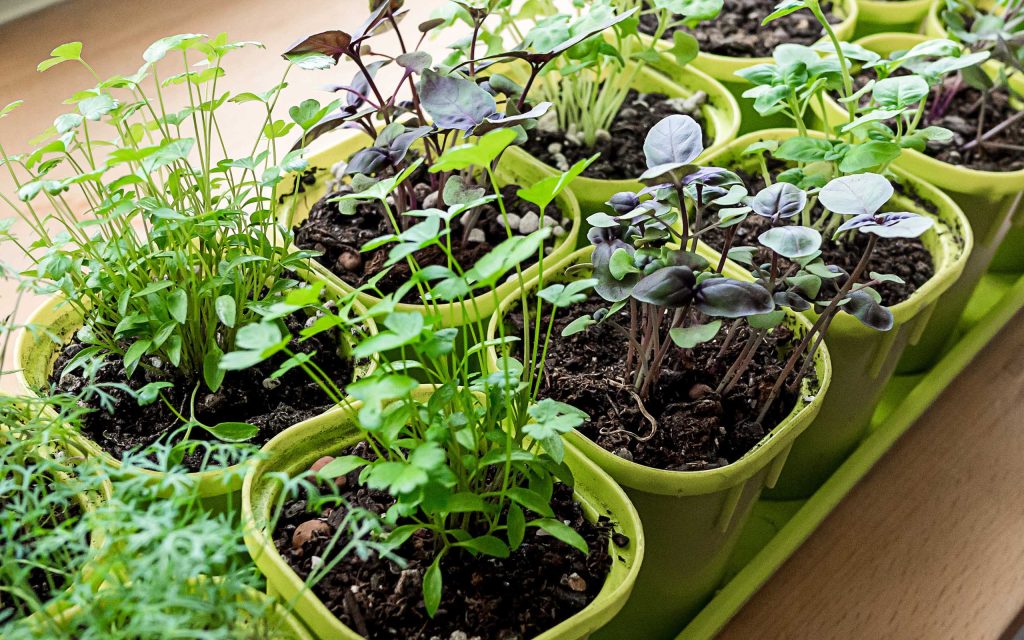
Imagine the joy of picking fresh herbs or vibrant vegetables right from your living room. With an indoor garden, you can transform your home into a lush oasis, providing you with fresh produce year-round.
You don’t need a sprawling backyard or green thumb to start growing indoors. All it takes is a bit of planning and some simple tools. Are you ready to discover how you can easily cultivate your own indoor garden? Stay with us as we guide you through each step, ensuring you have all the tips and tricks to create a thriving garden in your home.
From choosing the right plants to understanding light and water needs, this article will empower you to turn your indoor space into a flourishing green haven.
Benefits Of Indoor Gardening
Indoor gardening offers a peaceful and relaxing hobby, perfect for stress relief. It enhances air quality, adding a touch of nature indoors. Growing herbs and vegetables indoors provides fresh produce right at home, while requiring minimal space and maintenance.
Growing an indoor garden is more than just a hobby; it’s an opportunity to bring a slice of nature into your living space. Beyond the obvious beauty, indoor gardening offers numerous benefits that can enhance your life in surprising ways. Whether you’re nurturing herbs on your kitchen windowsill or maintaining a lush oasis in your living room, the advantages are numerous and impactful.Improved Air Quality
Indoor plants are natural air purifiers. They absorb toxins and produce oxygen, which can improve the air you breathe. Imagine coming home to a space where the air feels fresher and cleaner, simply because of the green friends you’ve nurtured.Stress Reduction
Gardening has a calming effect. The act of caring for plants can help reduce stress levels. Studies have shown that just being around plants can lower blood pressure and improve mood. Next time you’re feeling overwhelmed, spending a few minutes tending to your indoor garden might be just what you need.Access To Fresh Produce
Growing herbs and vegetables indoors means having fresh produce at your fingertips. This not only saves money but also ensures you know exactly where your food comes from. Imagine the satisfaction of adding fresh basil from your own plant to your pasta dish.Enhanced Aesthetic Appeal
Plants add beauty and life to any room. An indoor garden can transform a dull space into a vibrant, inviting area. Consider how a well-placed fern or a cascading ivy can become a focal point in your home décor.Year-round Gardening
One of the greatest advantages of indoor gardening is the ability to grow plants all year round. You’re not limited by weather or seasons. This means you can enjoy the benefits of gardening, like fresh herbs and flowers, even in the depths of winter.Educational Opportunities
Indoor gardening is a fantastic way to learn about plant care and biology. It offers hands-on experience in understanding plant growth, soil health, and the importance of light and water. This can be a rewarding educational journey for both adults and children alike. By embracing indoor gardening, you open yourself up to a world of benefits. Whether it’s the joy of seeing your plants thrive or the peace they bring to your environment, an indoor garden is a worthwhile venture that can enrich your life in countless ways.Choosing The Right Space
Selecting the right space is crucial for a thriving indoor garden. Ensure adequate sunlight and consider factors like temperature and humidity. Small spaces can work well with vertical gardening techniques.
Choosing the right space for your indoor garden can significantly impact the growth and health of your plants. Whether you’re a seasoned gardener or a beginner, finding the perfect spot in your home requires some thought and planning. Your indoor garden’s success depends on how well you assess factors like light, temperature, and humidity.Assessing Light Availability
Light is a crucial factor for plant growth. Start by observing different areas of your home to see where natural light is most abundant. South-facing windows typically provide the most sunlight, making them ideal for sun-loving plants. If you don’t have access to natural light, consider investing in grow lights. You might be surprised at how much light some rooms receive during different times of the day. Take note of any objects, such as curtains or furniture, that might block light. Position your plants to maximize their exposure to light without causing them to overheat.Considering Temperature And Humidity
Temperature and humidity levels also play a critical role in plant health. Most indoor plants thrive in temperatures between 65°F and 75°F. Use a thermometer to monitor the temperature in your chosen space. If you live in a cooler climate, avoid placing plants near drafty windows or doors. Humidity can be a bit tricky, especially in homes with central heating or air conditioning. Consider using a humidifier to maintain ideal moisture levels. You could also group plants together, which creates a microenvironment with higher humidity. Have you ever noticed how your plants seem happier when they’re clustered together? This is why.Selecting Suitable Plants
Choosing the right plants is crucial for an indoor garden’s success. Opt for low-maintenance varieties like pothos or succulents. Consider light availability and space to ensure healthy growth.
Selecting the right plants is key to a thriving indoor garden. Your choices impact growth, beauty, and maintenance ease. Consider light, space, and care requirements. Some plants need more sunlight, while others thrive in shade. Choose plants that fit your environment and lifestyle.Easy-to-grow Options
Begin with plants that require little effort. These options are perfect for beginners.- Spider Plant:Hardy and adaptable. Requires minimal care.
- Pothos:Grows quickly. Tolerates neglect and low light.
- Succulents:Store water. Need occasional watering.
Plants For Low Light Conditions
Not all homes have abundant sunlight. Some plants thrive in low light.- Snake Plant:Tolerates shade. Cleans air effectively.
- ZZ Plant:Resilient. Grows in dark corners.
- Peace Lily:Blooms in low light. Needs regular watering.

Credit: www.familyhandyman.com
Gathering Essential Tools
Starting an indoor garden can be a rewarding venture, offering the joy of nurturing plants right in the comfort of your home. Before you dive into planting, it’s crucial to gather the right tools and supplies. Whether you’re a beginner or an avid gardener looking to elevate your indoor oasis, having the right gear can make all the difference in your gardening experience.
Basic Gardening Supplies
Every indoor gardener needs a set of fundamental tools to get started. First on the list is a selection of pots and containers. Choose pots with drainage holes to prevent overwatering. Plastic, ceramic, or biodegradable options are available, catering to different aesthetic preferences.
Next, consider investing in good potting soil. Quality soil is essential for healthy plant growth. Look for soil mixes specifically designed for indoor plants, as they often contain essential nutrients and are well-draining.
- Watering can:A small, spouted watering can allows for precise watering, reducing the risk of waterlogging.
- Garden trowel:This handy tool helps you easily transplant seedlings and manage soil in your pots.
- Plant markers:Keep track of your plants and their care needs by labeling them with markers.
Advanced Equipment For Enthusiasts
If you’re looking to dive deeper into indoor gardening, certain advanced tools can enhance your setup. Consider investing in grow lights. They simulate natural sunlight, providing plants with the light they need to thrive, particularly during darker months.
Humidity levels can greatly impact plant health. You might explore a humidifier to maintain ideal moisture conditions, especially for tropical plants.
| Equipment | Purpose |
|---|---|
| pH meter | Ensure optimal soil acidity levels for specific plant types. |
| Heat mat | Provide consistent warmth for seed germination. |
While these tools may not be necessary for everyone, they offer the chance to experiment and refine your gardening skills. What tools could transform your indoor garden into a thriving ecosystem?
Preparing The Soil
Preparing the soil is crucial for a thriving indoor garden. Use nutrient-rich potting mix to support healthy plant growth. Ensure the soil is loose for better root development and water drainage.
Preparing the soil is crucial for a thriving indoor garden. The right soil provides nutrients, supports roots, and retains moisture. It creates the perfect environment for plants to flourish. This section will guide you on choosing and maintaining the best soil for your plants.Choosing The Right Soil Mix
Select a high-quality potting mix for your indoor plants. Look for a mix with good drainage and aeration. It should contain ingredients like peat moss, perlite, and vermiculite. These elements ensure that water doesn’t pool around roots. Avoid using garden soil indoors. It can compact and hinder root growth. Consider the specific needs of each plant type. Some may require a unique mix or additional components. Research your plant’s preferences to ensure optimal growth.Maintaining Soil Health
Healthy soil is vital for plant success. Regularly check the soil’s moisture level. Use your finger to test if it needs watering. Overwatering can lead to root rot. Underwatering can stress the plant. Keep the soil loose to allow air circulation. Gently fluff the top layer occasionally. Add organic matter like compost for nutrients. This helps in maintaining a balanced nutrient profile. Monitor for pests or mold in the soil. Address issues promptly to keep your plants healthy.
Credit: food52.com
Planting Techniques
Cultivating an indoor garden requires understanding light, soil, and water needs. Choose plants that thrive indoors and arrange them by lighting conditions. Regular care and monitoring ensure a lush, healthy indoor garden.
Creating an indoor garden can be a rewarding experience. It allows you to enjoy nature’s beauty year-round, even if outdoor space is limited. One crucial aspect of successfully growing an indoor garden is mastering effective planting techniques.Seed Starting Basics
Starting plants from seeds can be both cost-effective and satisfying. To begin, choose seeds that are well-suited for indoor growth, like herbs or leafy greens. Use seed trays or small pots filled with a quality potting mix, ensuring good drainage. Water the seeds gently, keeping the soil moist but not waterlogged. Place the trays in a warm location, such as on top of a refrigerator or near a sunny window, to encourage germination. Once seedlings emerge, ensure they receive adequate light, using grow lights if necessary to prevent them from becoming leggy.Transplanting Tips
Transplanting seedlings is a delicate process that requires care to avoid root damage. When seedlings have developed a couple of true leaves, it’s time to move them to larger pots. Gently loosen the soil around the roots with your fingers or a small tool. Prepare the new pot by filling it with fresh potting mix and creating a small hole for the seedling. Carefully transfer the seedling to its new home, ensuring the roots are covered but the stem is not buried too deeply. Water the plant thoroughly and place it in a location where it can acclimate, away from direct sunlight initially. Have you ever noticed how some seedlings thrive while others struggle? Paying attention to your transplanting technique can make all the difference in your indoor garden’s success.Watering Strategies
Efficient watering is crucial for growing a thriving indoor garden. Monitor soil moisture regularly and adjust watering schedules accordingly. Use a spray bottle for delicate plants to avoid overwatering.
Watering Strategies Creating a thriving indoor garden isn’t just about choosing the right plants and placing them near sunlight. A crucial aspect of plant care is mastering watering strategies. How you water your plants can make the difference between a lush indoor oasis and a wilted disappointment.Understanding Plant Water Needs
Every plant species has unique water requirements. Some, like succulents, prefer their soil to dry out completely between waterings. Others, such as ferns, thrive in consistently moist conditions. Observe your plants and learn their language. Droopy leaves might be signaling thirst, while yellowing leaves can indicate overwatering. Check the soil moisture by sticking your finger an inch deep into the soil. If it’s dry, it’s time for a drink.Avoiding Overwatering
Overwatering is one of the most common mistakes indoor gardeners make. It can lead to root rot, which is often fatal for plants. Remember, it’s usually better to err on the side of underwatering than overwatering. Consider using a pot with drainage holes to allow excess water to escape. This simple step can prevent water from pooling at the bottom, reducing the risk of root rot. Use a spray bottle for plants that prefer misting, like orchids, to avoid drowning their roots. Use a watering schedule to help manage your routine. Setting reminders on your phone can be a helpful way to remember when each plant needs attention. The key to successful indoor gardening lies in understanding and adapting to your plants’ needs. What strategies will you adopt to ensure your indoor garden flourishes?Light Management
Proper light management is essential for thriving indoor gardens. Position plants near windows to maximize natural light. Use grow lights for areas with limited sunlight to ensure healthy growth.
Managing light effectively is crucial for a thriving indoor garden. Plants need light to photosynthesize, which fuels their growth and overall health. Understanding how to balance natural and artificial light sources can transform your indoor space into a lush, green haven.Using Grow Lights
Investing in grow lights can make a world of difference. These lights mimic the sun’s spectrum, providing consistent light intensity. Choose LED grow lights for their energy efficiency and customizable settings. Place grow lights above your plants, ensuring they are neither too close nor too far. Too close may cause overheating, while too far may limit light exposure. Adjust the height as your plants grow. Set a timer for your grow lights to mimic natural daylight cycles. Typically, 12 to 16 hours of light per day works well for most plants. Experiment to find what best suits your specific plants’ needs.Maximizing Natural Light
Harnessing natural light is both cost-effective and beneficial for your plants. Place your garden near a south-facing window for maximum sunlight. East or west-facing windows can also work well. Rotate your plants regularly to ensure even light exposure. This prevents them from leaning towards the light source. A simple turn every week can promote balanced growth. Consider using reflective surfaces like mirrors or white walls to amplify natural light. This can brighten up darker corners of your indoor garden. Have you noticed how this small change can make a big impact? By managing light effectively, you not only boost your plants’ health but also enhance your indoor environment. How will you light up your indoor garden today?Fertilization And Nutrition
Boosting indoor garden growth relies on proper fertilization and nutrition. Use organic fertilizers to enrich soil with essential nutrients. Regular feeding ensures plants stay healthy and thrive indoors.
Fertilization and nutrition are crucial for a thriving indoor garden. Plants indoors often lack access to natural nutrients found in outdoor soil. This makes fertilization essential to provide the necessary nutrients for growth. Understanding the types of fertilizers and a proper feeding schedule is key to a successful indoor garden.Types Of Fertilizers
Choosing the right fertilizer is important. There are three main types: – Liquid Fertilizers: Easy to apply and quickly absorbed by plants. They are mixed with water and provide immediate nutrients. – Granular Fertilizers: These are sprinkled on the soil surface. They release nutrients slowly over time. – Organic Fertilizers: Made from natural sources. They improve soil health and provide long-lasting nutrition. Each type has its benefits. Choose based on your plant’s needs and your gardening style.Feeding Schedule
A consistent feeding schedule ensures plants get regular nutrition. Here’s a simple plan: – Weekly Feedings: Use liquid fertilizers for quick nutrient uptake. This is ideal for fast-growing plants. – Bi-weekly Feedings: Granular fertilizers work well here. They release nutrients slowly. – Monthly Feedings: Organic fertilizers are great for long-term nutrition. They support healthy soil structure. Adjust the schedule based on plant type and growth stage. Always follow instructions on the fertilizer package to avoid over-fertilization. This prevents nutrient burn and keeps plants healthy.
Credit: www.plantflix.com
Pest Control Methods
Keeping pests away is crucial for thriving indoor gardens. Use natural repellents like neem oil or vinegar solution. Regularly inspect plants for signs of insects and remove them promptly.
Pest control is crucial for maintaining a healthy indoor garden. Unwanted pests can damage your plants and spread diseases. Understanding how to manage these pests helps your garden thrive. Below, explore effective pest control methods for your indoor garden.Identifying Common Pests
Learn to spot common indoor pests. Aphids are tiny, soft-bodied insects that cluster on new growth. They can be green, black, or white. Spider mites are almost invisible but leave fine webs on plants. Whiteflies are small, white insects that fly when plants are disturbed. Fungus gnats resemble tiny flies and thrive in moist soil.Natural Remedies And Solutions
Natural solutions keep your garden chemical-free. Neem oil is a powerful natural pesticide. It disrupts pest life cycles and is safe for plants. Mix a few drops with water and spray on affected areas. Soap water solution works well for soft-bodied insects. Mix mild soap with water and spray directly on pests. Use sticky traps to catch flying insects like fungus gnats and whiteflies. These traps are easy to set up and use. A simple way to reduce pests is to remove affected leaves. This limits the spread and helps plants recover.Regular Maintenance
Regular maintenance keeps indoor gardens healthy and vibrant. Check soil moisture regularly and trim plants to encourage growth. Remove dead leaves to prevent pests and diseases.
Regular maintenance is key to a thriving indoor garden. Keeping plants healthy requires consistent attention and care. It involves several tasks which ensure your indoor plants grow strong and vibrant. By understanding and applying essential maintenance techniques, you can enjoy a lush garden indoors all year round. Below are two crucial aspects of regular maintenance to focus on.Pruning Techniques
Pruning helps plants grow better by removing dead or overgrown parts. Use sharp scissors or pruning shears for clean cuts. Cut at a slight angle to encourage new growth. Regularly check your plants for any leaves or branches that need trimming. This prevents disease and improves air circulation. Each plant may have different pruning needs. Learn the specific requirements for your indoor plants for the best results.Monitoring Plant Health
Keep a close eye on the health of your indoor plants. Look for signs of pests like spots on leaves or webbing. Check the soil moisture regularly. Overwatering is a common mistake that can harm plants. Yellow leaves might indicate too much water. Adjust the light exposure if plants seem weak or leggy. Healthy plants have bright leaves and sturdy stems. Regularly inspect each plant to catch issues early and maintain a vibrant indoor garden.Troubleshooting Common Issues
Troubleshooting common issues in indoor gardening involves adjusting light levels and ensuring proper watering. Monitor humidity and pest control to maintain plant health. Regularly check for signs of overwatering or nutrient deficiencies to keep your indoor garden thriving.
Troubleshooting common issues in your indoor garden can feel like a daunting task, but it’s an essential part of ensuring your plants thrive. Many indoor gardeners encounter similar challenges, and understanding how to tackle them effectively can make all the difference. From yellow leaves to stunted growth, knowing what to look for and how to address these problems can transform your indoor garden into a lush oasis.Dealing With Yellow Leaves
Yellow leaves can be a sign of several issues, but they often indicate overwatering. Ensure your pots have good drainage, and let the soil dry out between waterings. Check for pests like spider mites, which can also cause yellowing; a close inspection might reveal tiny webbing. Adjusting the lighting can also help, as inadequate light can lead to yellow leaves. Don’t forget to consider nutrient deficiencies. If you’ve ruled out water and pests, your plant might need a nutrient boost. A balanced fertilizer can often solve the problem.Handling Stunted Growth
Stunted growth is frustrating, but it’s usually due to environmental stress. Consider if your plants are receiving enough light. In my experience, moving a struggling plant closer to a light source can work wonders. Temperature fluctuations can also hinder growth. Ensure your indoor garden maintains a consistent temperature. Nutrient imbalance is another common cause. If your plant isn’t growing, it might need more nutrients. Try a gentle fertilizer, and monitor for improvement. Is your plant root-bound? Overcrowded roots in a too-small pot can stunt growth. Re-potting your plant into a larger container can give it the space it needs to flourish. Remember, patience and observation are your best tools. Each plant is unique, and what works for one might not work for another. Keep experimenting and learning from your indoor gardening journey!Harvesting Tips
Indoor gardening offers a delightful way to cultivate fresh produce. Harvesting is a crucial stage in this journey. Knowing when and how to harvest ensures you enjoy the freshest flavors. Here are some essential tips to help you make the most of your indoor garden harvest.
Optimal Harvest Times
Timing is key to harvesting success. Each plant has its own optimal harvest time. Leafy greens like spinach are best picked when they’re young and tender. Herbs can be snipped once they reach sufficient height. Tomatoes should be harvested when they’re fully ripened. Learn the specific harvest signs for each plant you grow. This ensures maximum flavor and freshness.
Preserving Your Produce
Once harvested, proper preservation keeps your produce fresh longer. For leafy greens, rinse and store them in the fridge with a damp paper towel. Herbs can be dried or frozen to maintain their flavor. Fruits can be stored in cool, dark places. Consider vacuum sealing for longer storage. This minimizes spoilage and waste.
Frequently Asked Questions
How To Start An Indoor Garden?
Starting an indoor garden is simple. Choose a suitable space with good lighting. Select plants that thrive indoors, like herbs or succulents. Use containers with drainage holes and quality potting soil. Water regularly and ensure proper air circulation for healthy growth.
What Plants Are Best For Indoor Gardens?
Indoor gardens thrive with plants like succulents, herbs, and peace lilies. These plants adapt well to low-light conditions and require minimal care. Choose varieties that suit your space and climate. Consider their size, water needs, and growth habits for optimal results.
How Often Should I Water Indoor Plants?
Watering frequency depends on plant type and environment. Most indoor plants need watering every 1-2 weeks. Check soil moisture before watering. Ensure water drains well to prevent root rot. Adjust frequency based on humidity and temperature changes for healthy growth.
Can Indoor Gardens Improve Air Quality?
Yes, indoor gardens can enhance air quality. Plants absorb carbon dioxide and release oxygen, improving indoor air freshness. Some plants also filter harmful toxins, contributing to a healthier environment. Choose air-purifying plants like snake plants or spider plants for maximum benefits.
Conclusion
Creating an indoor garden can be simple and rewarding. Start with easy plants. Herbs and succulents are great choices. Use proper lighting to keep plants healthy. Water them regularly but not too much. Ensure good drainage in pots. Choose the right soil for your plants.
Experiment with different plant arrangements. Keep learning and adjusting your gardening techniques. Enjoy the beauty and freshness they bring indoors. Watch your garden grow and thrive. Feel the joy of nurturing nature inside your home. Transform your space into a green oasis.
Gardening is a journey, not a destination.







