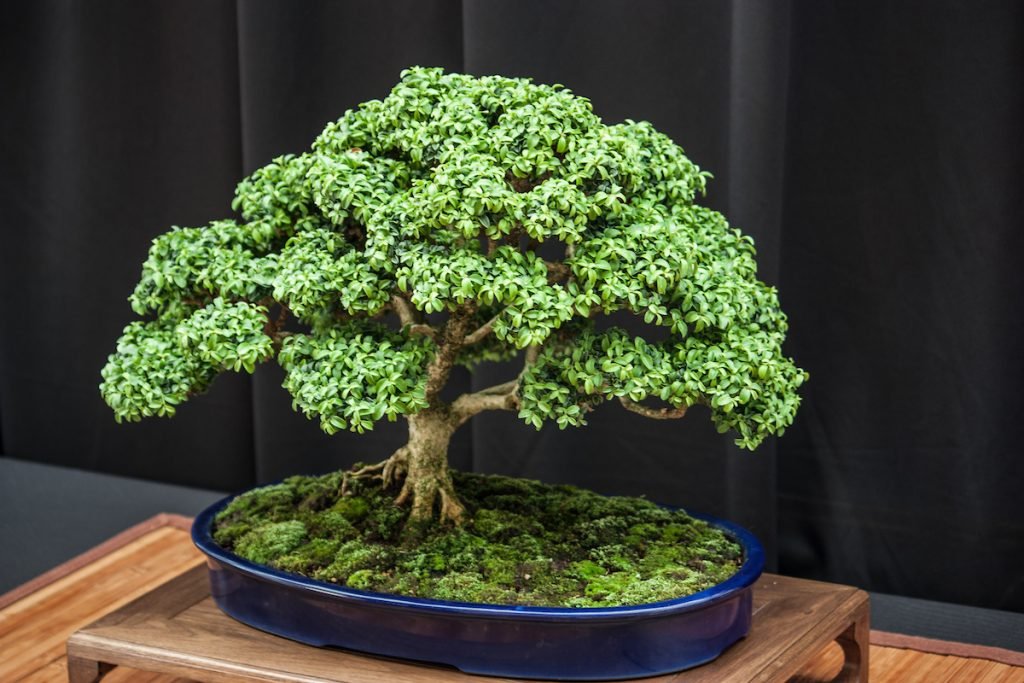
Imagine having a serene, green oasis right inside your home, a place where the art of nature thrives in miniature form. Picture yourself nurturing tiny trees that bring tranquility and beauty to your living space.
Growing a miniature indoor bonsai tree garden is not just about cultivating plants; it’s about creating a personal sanctuary of peace and beauty. With the right guidance, you can transform your home into a lush retreat that soothes the soul and impresses visitors.
Have you ever marveled at the elegance of a bonsai tree? These tiny wonders can be yours to enjoy, and the process is easier than you might think. In this guide, you’ll discover how to cultivate your own miniature indoor bonsai garden. Whether you’re a seasoned plant lover or just beginning your green thumb journey, this article will provide you with simple, effective steps to nurture your bonsai trees successfully. Dive in, and let’s turn your home into a haven of natural beauty.
Choosing The Right Bonsai Species
Creating a miniature indoor bonsai tree garden begins with selecting the right species. Bonsai trees are living art, reflecting patience and care. Choosing the right species ensures your indoor garden thrives in your home environment. Understanding the characteristics and needs of different bonsai species helps you make informed decisions.
Popular Indoor Varieties
Several bonsai species are well-suited for indoor growth. These varieties are popular due to their adaptability to indoor conditions:
- Ficus Bonsai:Known for its resilience and ease of care. Ficus is ideal for beginners.
- Jade Bonsai:Its thick, succulent leaves make it drought-tolerant. Perfect for busy individuals.
- Chinese Elm Bonsai:Offers delicate leaves and a graceful appearance. Requires consistent care.
Factors To Consider
Several factors influence the choice of bonsai species for your indoor garden. Consider these elements:
- Light Requirements:Ensure the species can thrive in available light conditions.
- Humidity Levels:Some species need higher humidity to flourish.
- Space Constraints:Choose compact varieties for limited space.
- Care Complexity:Select species matching your gardening experience.
Understanding these factors helps you pick the perfect bonsai for your indoor garden. A well-chosen species brings beauty and tranquility to your living space.
Credit: thebetterindia.com
Setting Up Your Miniature Bonsai Garden
Creating a miniature indoor bonsai tree garden brings nature into your home. Choose a suitable bonsai species and a shallow pot. Ensure proper lighting and regular watering for healthy growth.
Setting up your miniature bonsai garden is an exciting journey. With careful planning, you can create a captivating indoor display. Begin by choosing the right containers and setting up an ideal environment.Selecting Containers
Choose containers that complement your bonsai’s style. Containers should have drainage holes to prevent waterlogging. Shallow containers work best for bonsai aesthetics. Available in various materials, ceramics and clay are popular choices. Ensure the container size matches the tree’s root system. Consider the color and texture to enhance your tree’s appearance.Creating Suitable Environment
Bonsai trees need specific light, humidity, and temperature. Place your bonsai near a window with indirect sunlight. Use grow lights if natural light is insufficient. Maintain humidity by misting the leaves or using a humidity tray. Keep the temperature consistent to avoid stress on the tree. Avoid drafts and sudden temperature changes. Monitor the environment regularly to ensure optimal conditions.Essential Tools For Bonsai Care
Growing a miniature indoor bonsai tree garden requires specific tools for success. Pruning scissors, wire cutters, and a moisture meter are essential. These tools help maintain the tree’s shape and ensure proper watering.
Growing a miniature indoor bonsai tree garden is a rewarding endeavor that allows you to bring a slice of nature into your home. To ensure your bonsai trees thrive, it’s essential to equip yourself with the right tools. Whether you’re a beginner starting your first bonsai or an experienced enthusiast looking to refine your skills, having the proper tools will make your journey smoother and more enjoyable.Basic Tools
To start your bonsai adventure, you’ll need a few basic tools. Bonsai shears are crucial for pruning and shaping your trees. These specialized scissors help you make precise cuts without damaging the plant. A concave cutter is another must-have. This tool is used to remove branches cleanly, allowing the tree to heal with minimal scarring. It’s especially helpful when you’re shaping your bonsai to achieve a desired aesthetic. Don’t forget a watering can with a fine nozzle. Bonsai trees require careful watering, and a gentle stream will prevent soil displacement. A regular household can might be too forceful, so investing in a bonsai-specific one is wise.Advanced Equipment
Once you’ve mastered the basics, you might want to explore more advanced equipment. Root hooks are perfect for untangling roots during repotting. They allow you to gently separate roots without causing undue stress to the plant. Wire cutters are essential if you’re training your bonsai with wire. They help you trim the wire without damaging the branches or trunk, which is crucial for maintaining the health of your tree. Consider acquiring a humidity tray. Bonsai trees often need a humid environment, and a tray filled with water and pebbles placed under your bonsai can help maintain the necessary moisture levels. This is particularly important in dry indoor environments. Having these tools at your disposal is like having the right ingredients in a kitchen. Just as you wouldn’t bake without flour, you shouldn’t care for bonsai without these essentials. What tools have you found indispensable in your bonsai journey?
Credit: www.palasa.co.in
Planting And Potting Techniques
Growing a miniature indoor bonsai tree garden begins with selecting the right tree species for your environment. Use well-draining soil and a shallow pot to support root growth. Regular pruning and proper watering are essential to maintaining shape and health.
Planting and potting your miniature indoor bonsai tree garden is an art that requires a keen eye and gentle touch. The satisfaction of nurturing these tiny wonders is unparalleled, and it begins with understanding the foundation of their growth. Let’s delve into the essentials to ensure your bonsai thrives in your indoor haven.Soil Selection
Selecting the right soil is crucial for your bonsai’s health and vitality. Bonsai soil is different from regular potting soil—it’s gritty and provides excellent drainage, preventing root rot. Consider a mix of akadama, pumice, and lava rock. This combination offers good moisture retention while ensuring proper aeration. You might ask, “Why not just use garden soil?” Regular soil compacts over time, suffocating roots. Bonsai soil, on the other hand, stays loose, allowing roots to breathe and grow.Potting Steps
Potting your bonsai is like setting the stage for a living art piece. Start by selecting a pot that complements the size and style of your bonsai tree. Ensure the pot has drainage holes to keep the roots from sitting in water. Here’s a simple guide to potting:- Remove the bonsai from its current pot: Gently shake off excess soil without damaging the delicate roots.
- Prune the roots: Trimming ensures healthy growth and prevents them from becoming pot-bound.
- Prepare the new pot: Add a layer of coarse soil or small pebbles at the bottom for drainage.
- Position the bonsai: Place it in the center, and spread the roots evenly.
- Add fresh soil: Cover the roots with bonsai soil, pressing lightly to secure the tree.
Watering And Fertilizing Guidelines
Creating a miniature indoor bonsai tree garden requires careful attention to watering and fertilizing. These elements are crucial for your bonsai’s health and growth. Understanding the right techniques ensures your trees flourish in your indoor space.
Watering Schedule
Bonsai trees need a consistent watering routine. Check the soil moisture regularly. The topsoil should be slightly dry before watering. Avoid overwatering; it can harm the roots. Use a watering can with a fine nozzle for gentle watering.
The frequency of watering depends on the tree species and indoor conditions. Monitor your bonsai closely. Adjust watering based on humidity, temperature, and tree size. In drier months, increase watering frequency. Keep a close eye on the leaves and soil color for signs of dehydration or excess water.
Choosing Fertilizers
Bonsai trees require specific nutrients to thrive. Select a balanced fertilizer. Look for one with equal nitrogen, phosphorus, and potassium levels. Liquid fertilizers are easy to apply and absorb quickly. Follow the recommended dosage on the package.
Apply fertilizers during the growing season. Avoid fertilizing during winter dormancy. Over-fertilizing can damage the roots, so stick to the guidelines. Organic options are gentle on the soil. They improve long-term health. Consider slow-release granules for steady nourishment.
Pruning And Shaping Strategies
Pruning and shaping are essential for miniature bonsai trees. Carefully trim branches to encourage growth and maintain desired shape. Regularly inspect and adjust to keep your bonsai healthy and aesthetically pleasing.
Growing a miniature indoor bonsai tree garden involves careful pruning and shaping. These strategies ensure your bonsai maintains its miniature appearance and unique charm. Pruning and shaping are essential for bonsai health and aesthetics. They help control growth and encourage new shoots. This section explores pruning methods and shaping techniques to guide your bonsai journey.Pruning Methods
Pruning keeps your bonsai tree in shape. Regular trimming is crucial. Cut back new growth to maintain the desired form. Use sharp scissors for clean cuts. Remove dead or diseased branches promptly. This prevents infections and keeps the tree healthy. Focus on branches that grow inward. They can clutter the tree’s structure. Thin out dense areas. This allows light and air to reach inner branches. Prune during the growing season. This encourages vigorous growth.Shaping Techniques
Shaping gives your bonsai its unique look. Wiring is a popular method. Wrap wire around branches to guide their direction. Be gentle to avoid damaging the bark. Adjust wires every few weeks. This prevents them from cutting into the bark as branches grow. Use weights to bend branches downward. This mimics the natural growth pattern. Clip and grow is another technique. Trim branches to encourage them to grow in a specific direction. Always have a clear vision of the shape you want. This helps in making precise cuts.Pest And Disease Management
Growing a miniature indoor bonsai tree garden brings peace and beauty into your home. Keeping your bonsai healthy requires proper pest and disease management. This section explores how to protect your bonsai from common pests and diseases. Understanding these factors ensures your bonsai thrives for years.
Common Bonsai Pests
Bonsai trees can attract various pests. Aphids are tiny insects feeding on sap. They cause leaves to curl and stunt growth. Spider mites are another common pest. They create webs and suck nutrients from leaves. Scale insects cover branches with protective shells, damaging the tree. Fungus gnats lay eggs in soil, harming roots. Regular inspection helps detect these pests early.
Disease Prevention Tips
Preventing diseases starts with proper care. Ensure your bonsai receives adequate sunlight. This helps maintain a healthy immune system. Water your bonsai correctly to avoid root rot. Overwatering is a common cause of fungal diseases. Choose well-draining soil for healthy roots. Maintain cleanliness by removing dead leaves and debris. These steps minimize disease risks.

Credit: theurbanbotanist.ca
Seasonal Care Tips
Cultivate a miniature indoor bonsai tree garden by ensuring proper sunlight, careful watering, and regular pruning. Choose a suitable pot and soil to maintain healthy roots and promote growth. Adjust care techniques according to seasonal changes to keep your bonsai vibrant year-round.
Growing a miniature indoor bonsai tree garden is a rewarding experience, but it requires attention to seasonal care to ensure your tiny forest thrives year-round. Each season brings its own challenges and opportunities for your bonsai. By understanding and addressing these seasonal needs, you can keep your trees healthy and beautiful.Winter Precautions
Winter can be a tough time for your bonsai trees, especially if the temperature drops significantly. It’s crucial to keep your bonsai away from cold drafts and ensure they receive adequate light. Consider placing them near a south-facing window where they can soak up the much-needed sunlight. Humidity levels tend to drop in winter, so you might notice your bonsai struggling. An easy solution is to use a humidity tray or mist your bonsai regularly. This keeps the leaves from drying out and the tree from becoming stressed. Have you ever considered using grow lights? They can be a lifesaver during the short, dark days of winter. They provide the light your bonsai needs to remain healthy and vibrant.Summer Maintenance
In summer, your bonsai trees will likely experience a growth spurt, and with that comes the need for more water. It’s essential to check the soil daily and water thoroughly when it feels dry. However, be cautious not to overwater, as this can lead to root rot. During this time, it’s also vital to protect your bonsai from the intense midday sun. You might think more sun is better, but too much can scorch the leaves. Consider moving them to a spot where they receive morning sun and afternoon shade. Summer is also the perfect time for repotting and pruning. The warm weather encourages recovery and growth, making it easier for the trees to bounce back from any stress. How will you take advantage of this season to shape and nurture your bonsai garden?Enhancing Aesthetic Appeal
Create a serene space with a miniature indoor bonsai garden. Choose compact species and ensure proper lighting. Regular pruning and watering help maintain their unique shapes and health, enhancing your home’s aesthetic appeal.
Enhancing the aesthetic appeal of your indoor bonsai garden can be rewarding. A well-curated display not only beautifies your space but also highlights the unique charm of each bonsai tree. Thoughtful decoration and creative placement can transform your miniature garden into an artistic masterpiece.Decorative Elements
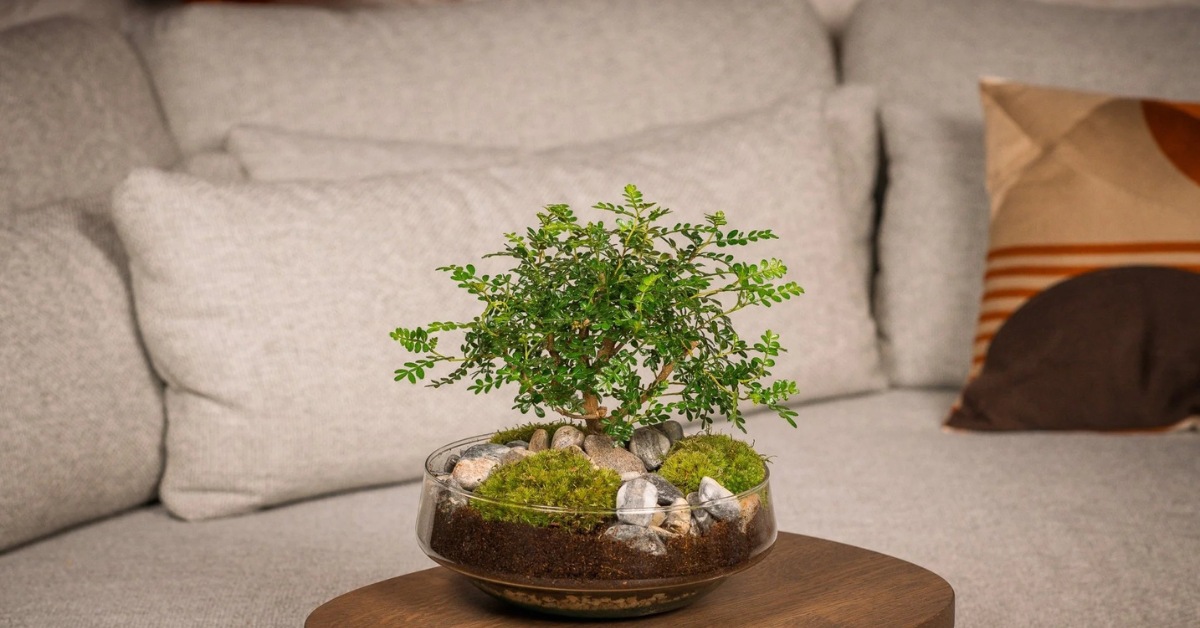
Integrate decorative elements to enrich your bonsai garden. Use colorful pebbles or stones around the base of the trees. These add texture and contrast, making the bonsai stand out. Employ small figurines or ornaments to create a themed miniature landscape. Consider using moss to give the garden a lush, natural look. It enhances the greenery and creates a harmonious environment. Choose pots that complement the style and color of your bonsai. Ceramic pots offer elegance and durability. Wooden containers bring a rustic charm to the display.Displaying Your Bonsai
Displaying your bonsai effectively elevates its visual impact. Place your bonsai on shelves at eye level. This ensures they become focal points in the room. Use multi-tiered stands for a dynamic arrangement. This lets you showcase different sizes and styles together. Position bonsai near windows to maximize natural light exposure. It helps in growth and highlights their beauty. Rotate the display regularly to keep the setup fresh and interesting. Adjust the angle and position to capture the best view.Long-term Bonsai Care
Caring for bonsai trees is an art. Long-term bonsai care requires dedication. These trees need attention to thrive indoors. Proper care leads to healthy growth. It also enhances their beauty. Let’s explore crucial aspects of bonsai care.
Repotting Techniques
Repotting is essential for bonsai health. It prevents root-bound conditions. Choose a pot that suits the tree size. Ensure the pot has drainage holes. Use fresh, nutrient-rich soil. Gently remove the bonsai from its old pot. Trim any damaged roots. Place the tree in the new pot. Cover roots with soil. Press lightly to secure the tree. Water thoroughly after repotting.
Growth Monitoring
Monitoring growth is crucial. Check leaves and branches regularly. Look for changes in leaf color. Watch for irregular growth patterns. Keep an eye on soil moisture levels. Prune excess branches to control shape. Use sharp, clean tools for pruning. This promotes healthy growth. Record observations in a journal. Adjust care routines as needed.
Frequently Asked Questions
What Are The Best Bonsai Species For Beginners?
The best bonsai species for beginners are Ficus, Jade, and Juniper. These species are hardy and easy to maintain. They thrive indoors with proper light and watering. Starting with these will help you learn bonsai care without much hassle.
How Often Should I Water My Bonsai Tree?
Watering frequency depends on the bonsai species and indoor conditions. Generally, water when the soil feels dry. During summer, bonsai trees may need water daily. In winter, watering might be less frequent. Ensure proper drainage to avoid root rot.
Can Bonsai Trees Survive In Low Light?
Yes, some bonsai trees can survive in low light conditions. Ficus and Jade are suitable for lower light environments. However, bright indirect light is ideal for healthy growth. Consider using grow lights if natural light is insufficient.
How Do I Prune Bonsai Trees Effectively?
Pruning bonsai trees involves removing unwanted branches and leaves to maintain shape. Use clean, sharp tools for precise cuts. Focus on removing dead or overgrown parts. Regular pruning encourages growth and maintains the desired form of your bonsai tree.
Conclusion
Creating a miniature indoor bonsai garden can be rewarding. These tiny trees offer peace and beauty. Start small. Choose the right species. Provide proper light and water. Trim regularly to maintain shape. Patience is key. Watch your bonsai grow and thrive.
Each tree tells a story. Enjoy the journey. Soon, your space will have a touch of nature. Bonsai gardening can reduce stress. It also connects you with nature. Enjoy your indoor oasis. Share your experience with friends and family. Inspire others with your bonsai garden.
Happy gardening!