Imagine transforming a corner of your home into a serene oasis, filled with lush greenery and gentle water features. An indoor water garden is more than just a pretty sight; it’s a calming presence that can enhance your living space and reduce stress.
But you might be wondering, how do you start growing one right in your own home? It’s easier than you think! With a few simple steps, you can cultivate a thriving indoor water garden that will impress your guests and bring tranquility to your day-to-day life.
This guide will walk you through the process, making it simple and enjoyable. Dive in and discover the secrets to creating your perfect indoor water garden. Get ready to unlock a new level of peace and beauty in your home!

Credit: www.youtube.com
Choosing The Right Plants
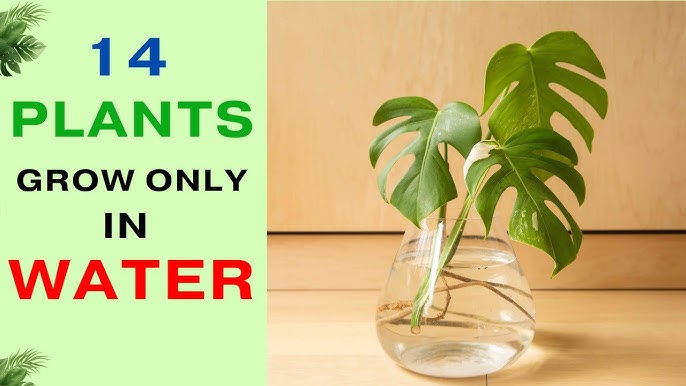
Selecting suitable plants for an indoor water garden enhances beauty and ensures healthy growth. Opt for easy-care varieties like pothos, peace lilies, and bamboo. These thrive in water and add elegance to your space.
Choosing the right plants for your indoor water garden is crucial to its success and beauty. The environment inside your home is different from the outdoors, which means not all plants will thrive in water-based settings indoors. Selecting plants that are well-suited to your indoor conditions ensures a lush, thriving water garden. Let’s dive into some excellent options and considerations for your indoor setup.Best Plants For Water Gardens
When selecting plants, consider those that naturally do well in aquatic environments. Some top choices include:- Lucky Bamboo:Often seen in offices and homes, this plant is low-maintenance and thrives in water.
- Pothos:Known for its air-purifying qualities, pothos can grow well in water and add a touch of green to your space.
- Spider Plant:With its striking leaves, spider plants adapt well to water gardens and are easy to care for.
- Philodendron:This versatile plant can grow in soil or water, making it an excellent choice for beginners.
- Peace Lily:While typically grown in soil, peace lilies can adapt to water, offering elegant white blooms.
Considerations For Indoor Environments
Your indoor environment plays a significant role in how well your water garden plants will grow. First, consider the amount of light available. Most indoor water plants prefer indirect sunlight. If natural light is limited, you might need to use artificial grow lights to keep them healthy. Temperature is another factor. Ensure your indoor temperature is consistent, avoiding drafts and sudden changes, as these can stress the plants. Lastly, think about your lifestyle. Are you away from home often? Choose plants that require minimal attention. Creating an indoor water garden is a rewarding experience that can enhance your living space. Take a moment to assess your environment and choose plants that not only fit your decor but also thrive in your specific conditions. What plants resonate with you and your indoor setting?Setting Up Your Water Garden
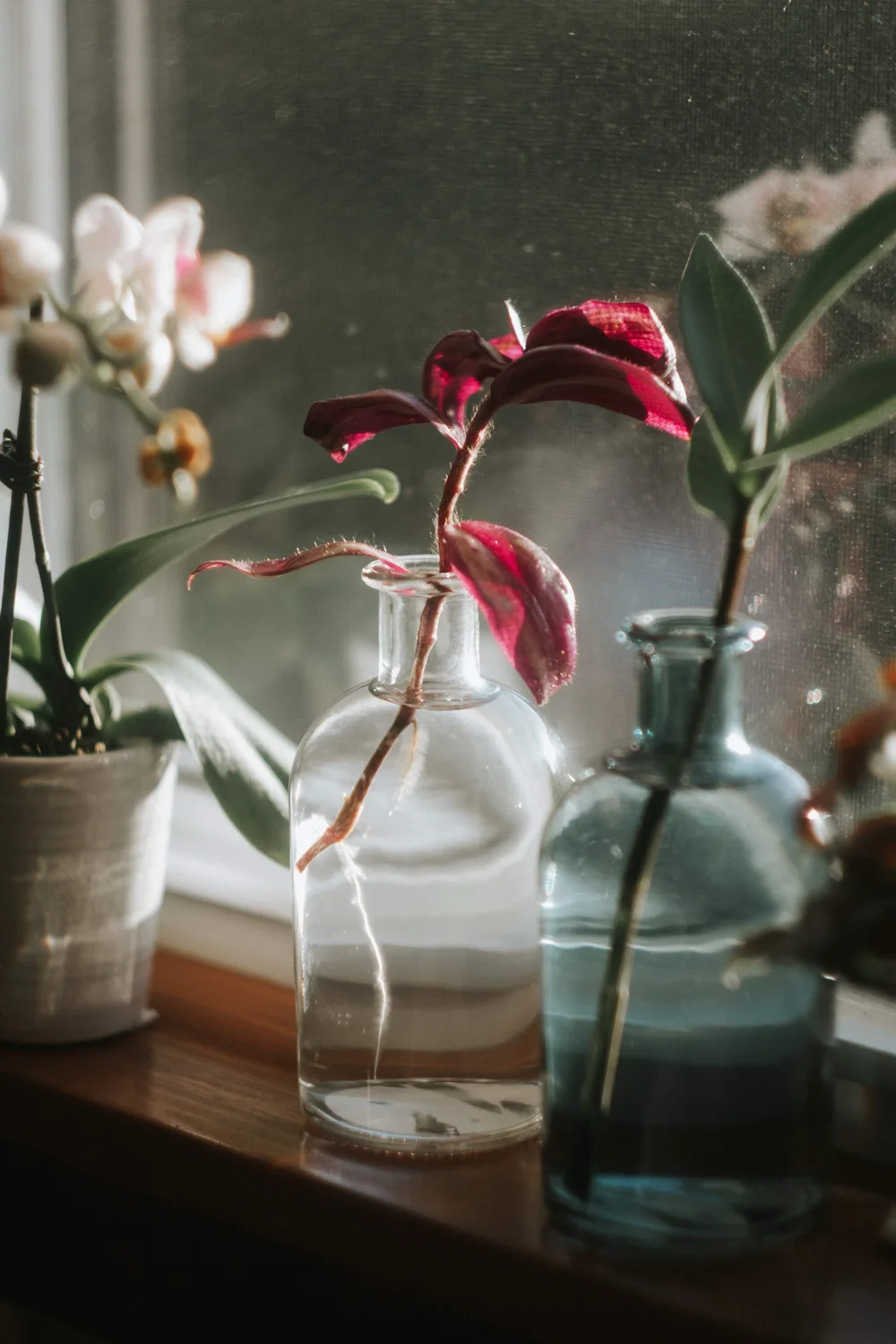
Growing an indoor water garden creates a tranquil and refreshing atmosphere in your home. Choose a clear container, add water, and place your favorite aquatic plants. Ensure proper light exposure and maintain water levels for healthy growth.
Setting up your indoor water garden is a delightful journey that brings a piece of nature into your home. This serene hobby requires a bit of planning and creativity. But don’t worry, it’s easier than you might think.Selecting Containers And Vessels
The first step in setting up your indoor water garden is choosing the right containers. You can opt for glass bowls, ceramic pots, or even repurpose old jars. Each offers a unique aesthetic, so let your style guide you. Glass containers allow you to see the roots and create a stunning visual effect. Ceramic pots, on the other hand, add a rustic touch. Ensure your choice has enough space for plant roots to grow comfortably.Creating Ideal Water Conditions
Water quality is crucial for a thriving water garden. Tap water may contain chlorine, which can harm your plants. Consider using filtered or rainwater for the best results. Maintaining the right temperature is also important. Most indoor plants thrive in water that’s between 65°F and 75°F. A simple thermometer can help you monitor this. Additionally, ensure adequate oxygen levels in the water. You can achieve this by using an air pump or simply changing the water regularly. This keeps your plants healthy and vibrant. Isn’t it fascinating how small tweaks can make a big difference in your indoor water garden? By carefully selecting containers and ensuring ideal water conditions, you’re setting the stage for a lush, green haven in your home.Essential Tools And Materials
Creating a thriving indoor water garden is both rewarding and relaxing. To ensure your plants flourish, you’ll need the right tools and materials. These essentials make maintenance easy and help your garden grow beautifully. From planting supplies to water testing kits, each item plays a crucial role. Let’s dive into what you’ll need to get started.
Must-have Gardening Supplies
Begin with containers that fit your space. Glass bowls are popular for their clarity. Plastic pots work well too and are lightweight. Choose a variety of sizes for different plants. Next, gather plant supports. Bamboo stakes or metal frames help tall plants stay upright. Floating plants require less support but benefit from mesh mats. You’ll also need a watering can. This ensures your plants receive fresh water regularly.
Consider decorative stones or gravel. These add aesthetic value and help anchor plant roots. Lighting is vital for indoor water gardens. Opt for LED grow lights to mimic sunlight. Ensure they have adjustable brightness settings. Finally, keep pruning tools handy. Scissors or small shears help maintain plant health. Regular trimming prevents overcrowding and promotes growth.
Water Quality Testing Kits
Water quality is key to a healthy garden. Testing kits let you monitor pH levels easily. Look for kits that test for nitrates and ammonia too. These elements affect plant growth significantly. Regular testing ensures balanced water conditions. Some kits offer digital readings, making them user-friendly. Others provide color-coded charts for quick analysis.
Choose kits with clear instructions. This ensures accurate testing and reliable results. Test your water at least once a month. This frequency helps catch imbalances early. Adjust water conditions based on test results. For example, add conditioners if pH levels are off. Keep extra test strips on hand. They’re useful for emergency checks.

Credit: www.facebook.com
Planting Techniques
Grow an indoor water garden by choosing plants that thrive in water. Use transparent containers for sunlight access. Arrange pebbles at the base for stability and aesthetics.
Planting techniques play a crucial role in the success of your indoor water garden. Understanding how to properly place and support your plants ensures they thrive in their aquatic environment. Let’s dive into the specifics of these techniques and see how you can create a vibrant indoor water oasis.Proper Plant Placement
Selecting the right spot for each plant is essential. Consider the natural light each area receives and match it with the needs of your plants. Some plants prefer direct sunlight, while others thrive in low-light conditions. Ensure each plant has enough space. Crowding can lead to unhealthy competition for nutrients and light. Think of your indoor water garden as a mini ecosystem where balance is key. Observe your plants regularly. Are the leaves vibrant and healthy? Adjust their placement if you notice signs of stress or poor growth.Anchoring And Supporting Plants
Without soil to hold them, plants need a little help to stay in place. Use pebbles or small rocks to anchor roots in water. This not only supports the plant but also adds a decorative touch to your setup. Consider using plant weights or clips. These tools can help keep plants upright and prevent them from floating away. Think about adding a support structure for taller plants. A small trellis or mesh can guide their growth and maintain their shape. Experiment with different anchoring techniques. What works for one plant might not work for another. Be willing to adjust and find what suits your garden best.Maintenance And Care
Maintaining and caring for your indoor water garden is crucial to ensure that your plants thrive. Proper attention prevents issues like algae growth and stagnation, which can affect the health of your plants. By understanding the essentials of maintenance, you can keep your water garden vibrant and flourishing.
Regular Water Changes
Water quality is the lifeblood of your indoor water garden. Regularly changing the water helps prevent the build-up of harmful substances and keeps the environment clean and fresh. Aim to change about 25% of the water every two weeks.
Consider this: Would you want to drink the same water for weeks without refreshing it? Your plants don’t either! Fresh water replenishes essential nutrients and oxygen, promoting healthier growth.
- Use dechlorinated water to avoid chemical harm to plants.
- Ensure the water temperature matches the existing temperature to prevent shock.
Monitoring Plant Health
Just like pets, plants need regular check-ups. Keep an eye on their leaves and stems for any signs of discoloration or wilting. These can be early indicators of distress or disease.
Ask yourself: How often do you check your plants? A quick daily glance can catch problems early, saving you from bigger issues down the road.
- Trim dead or yellowing leaves to encourage new growth.
- Check for pests, as they can sometimes sneak into indoor gardens.
By giving your indoor water garden the care it deserves, you’ll enjoy a lush, thriving oasis right in your home. What steps will you take today to ensure your garden’s success?
Credit: www.theplantdoctor.com.au
Pest And Disease Management
Managing pests and diseases in an indoor water garden requires regular monitoring and clean water. Remove dead leaves and debris to prevent mold and bacteria. Use natural solutions, like neem oil, to control pests without harming plants.
Pest and disease management is essential for a thriving indoor water garden. It’s not just about maintaining your plants, but also about ensuring a healthy environment. Ever noticed a small bug or unexpected leaf spot? These could be signs of pest invasion or disease. Your indoor water garden can be a sanctuary of tranquility, but unwanted guests might occasionally disrupt the peace. Let’s dive into how you can safeguard your green haven.Identifying Common Pests
It’s important to know the usual suspects in your indoor water garden. Aphids, spider mites, and whiteflies are frequent visitors. They can be tiny, making them easy to overlook. Check under leaves and around stems for any movement. Yellowing leaves or stunted growth might indicate their presence. It’s crucial to catch them early before they multiply. Have you ever found an unusual webbing on your plants? This could be a sign of spider mites.Preventative Measures And Treatments
Preventing pests starts with regular inspections. Make it a habit to check your plants weekly. Cleanliness is key; remove dead leaves and debris promptly. This minimizes hiding spots for pests. For treatments, consider natural options like neem oil or insecticidal soap. These are effective and safe for your plants and pets. You can also introduce beneficial insects like ladybugs to naturally control pest populations. Create a checklist for your garden routine. Are there any plants that consistently attract pests? You might need to relocate them for better control. A healthy garden is a happy garden. Keep your water clean and check for signs of disease regularly. Remember, prevention is easier than cure. Can you think of ways to make your garden more resilient?Enhancing Aesthetic Appeal
Indoor water gardens enhance aesthetic appeal with serene beauty. Choose glass containers for a clear view of plant roots. Add pebbles and aquatic plants to create a stunning visual effect.
Enhancing the aesthetic appeal of your indoor water garden transforms your space. It breathes life and beauty into your home. With thoughtful design, your water garden becomes a captivating focal point. Let’s explore how you can achieve this.Incorporating Decorative Elements
Add decorative elements to your water garden for visual interest. Use colorful pebbles or stones to line the bottom. They catch light and add depth. Consider floating candles or small statues. These enhance the garden’s charm and elegance. Include driftwood or branches for a natural look. They create striking contrasts with the water’s surface. Glass or ceramic containers also work well. Choose ones with unique shapes or colors. They add personality to your garden.Balancing Visual And Functional Aspects
Balance beauty with functionality in your water garden. Ensure the decorative elements don’t obstruct plant growth. Keep enough space for roots to spread. Maintain water circulation for healthy plants. Choose plants with different heights and textures. They add depth and dimension. Arrange taller plants at the back. Place shorter ones in the front. This creates a layered look. Ensure elements don’t overcrowd the space. Overcrowding reduces visual appeal and plant health. Keep the arrangement simple and elegant. This makes maintenance easier too.Troubleshooting Common Issues
Troubleshooting common issues in your indoor water garden can be a game changer. When problems arise, it’s easy to feel frustrated or overwhelmed. However, most issues are easily manageable with a few simple strategies. By addressing these problems promptly, you can ensure your plants thrive and your water garden remains a serene oasis.
Dealing With Algae Growth
Algae growth is a frequent issue in water gardens. It can quickly take over, affecting the health of your plants and the clarity of the water. To combat this, consider reducing the amount of light exposure. Algae thrive in direct sunlight, so moving your garden to a shaded area can help.
Another solution is to introduce algae-eating fish or snails. They naturally keep algae levels in check. You can also add a small water pump to improve circulation, making it harder for algae to establish. Lastly, regular cleaning and maintenance can prevent algae from spreading. A simple routine can keep your water garden crystal clear.
Solutions For Stunted Plant Growth
Stunted plant growth can be disheartening. You might wonder why your plants aren’t thriving despite your efforts. One common cause is nutrient deficiency. Ensure your water garden has adequate nutrients by adding liquid fertilizer. This can give your plants the boost they need.
Another reason could be improper water quality. Check the pH levels regularly to ensure they are suitable for your plants. If the pH is off, it can inhibit growth. Also, be mindful of overcrowding. Plants need space to grow and expand. Rearrange them if necessary to give each plant enough room.
Could lack of light be the culprit? While too much light can cause algae, too little light can stunt growth. Find a balance in your garden’s location. Sometimes the solution is as simple as repositioning your garden to ensure adequate light.
Frequently Asked Questions
What Is An Indoor Water Garden?
An indoor water garden is a collection of aquatic plants grown in water containers. It can include decorative elements like rocks, fish, and water features. These gardens bring tranquility and greenery indoors, requiring minimal maintenance compared to soil-based plants.
How Do I Start An Indoor Water Garden?
To start, choose a container and fill it with water. Select aquatic plants suitable for indoor environments. Ensure proper light and temperature conditions. Regularly check water levels and cleanliness to maintain a healthy garden environment.
Which Plants Are Best For Indoor Water Gardens?
Suitable plants include Peace Lily, Pothos, and Lucky Bamboo. These thrive in water and low light conditions. Ensure plants are compatible with indoor environments for optimal growth and aesthetic appeal.
How Often Should I Change The Water?
Change the water every two weeks to prevent algae growth. Fresh water ensures healthy plant roots and prevents odor. Regular water changes keep your indoor garden clean and vibrant.
Conclusion
Creating an indoor water garden is easy and rewarding. It brings nature into your home. Enjoy cleaner air and relaxing vibes. Start with basic plants. Choose those suited for water growth. Use containers that fit your space and style. Maintain water levels and light conditions.
Watch your garden grow over time. Share it with friends and family. Inspire them to start their own. Remember, patience and care are key. Your green oasis awaits. Explore the beauty of nature indoors. Enjoy the journey and the benefits.
Happy gardening!