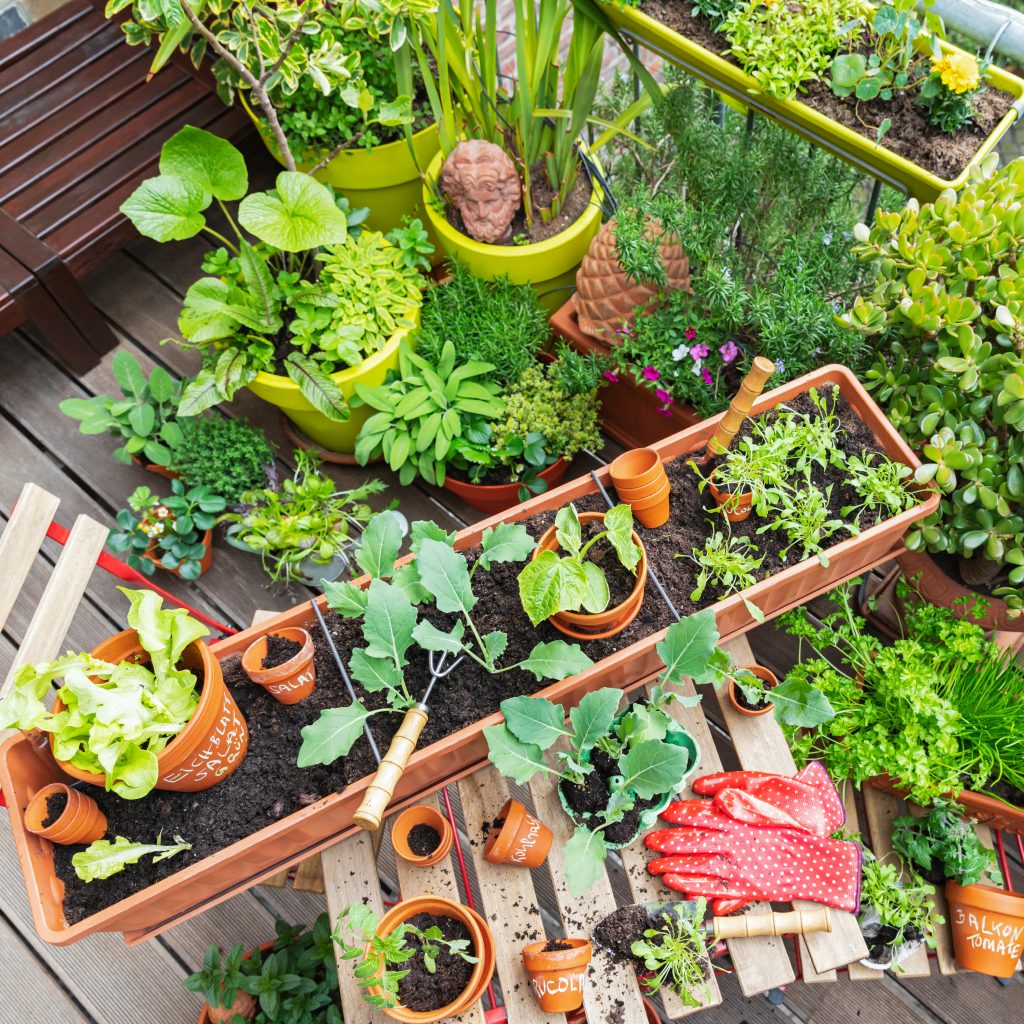
Imagine stepping into your home and being greeted by the vibrant colors and fresh scents of an indoor garden. The good news?
You can create this lush oasis right inside your living room, kitchen, or even your office space. Growing an organic indoor garden is easier than you might think, and it offers a host of benefits. Not only does it beautify your space, but it also provides fresh, healthy produce and purifies the air you breathe.
In this guide, you’ll discover the secrets to transforming any indoor area into a thriving garden paradise. We’ll explore the best plants to grow, simple techniques to keep them healthy, and the tools you need to succeed. Whether you’re a seasoned gardener or a curious beginner, this article will empower you to cultivate your own slice of green heaven. Ready to dig in? Let’s get started on making your indoor garden dreams a reality.
Choosing The Right Space
Choosing the right space for your indoor garden is crucial for its success. Think of your home as a canvas, where each corner holds potential for lush greenery. The space you select must cater to the unique needs of your plants, ensuring they thrive and flourish indoors.
Assessing Light Conditions
Light is a vital ingredient for your indoor garden. Begin by observing how natural light travels through your home throughout the day. Do you have a sunny windowsill that welcomes morning rays? Or perhaps a dim corner that could benefit from artificial light?
Consider investing in grow lights if natural light is scarce. Choose LED lights, as they are energy-efficient and mimic the sun’s spectrum. Experiment by moving plants around to find their sweet spot. Your plants will communicate their happiness through vibrant leaves and steady growth.
Space Optimization Techniques
Maximizing space in your indoor garden is like solving a fun puzzle. Start by measuring areas you’re considering for planting. Vertical gardening is a brilliant solution for small spaces; consider shelves or hanging planters that turn walls into green havens.
Think creatively—how about transforming an empty corner with a tiered plant stand? Or utilizing the space under a staircase for a mini greenhouse? These techniques not only save space but also add charm and character to your home.
Engage your imagination and experiment with layouts. Could a corner shelf hold pots with trailing vines? Your garden is a reflection of your personality, so let it be as unique as you are.
Selecting Suitable Plants
Growing an organic indoor garden requires selecting the right plants. Different plants have different needs. It’s essential to choose those that thrive indoors. Consider the light, temperature, and space available. This will ensure your plants grow healthy and strong.
Top Choices For Indoor Gardens
Some plants are well-suited for indoor conditions. They adapt easily and require minimal care.
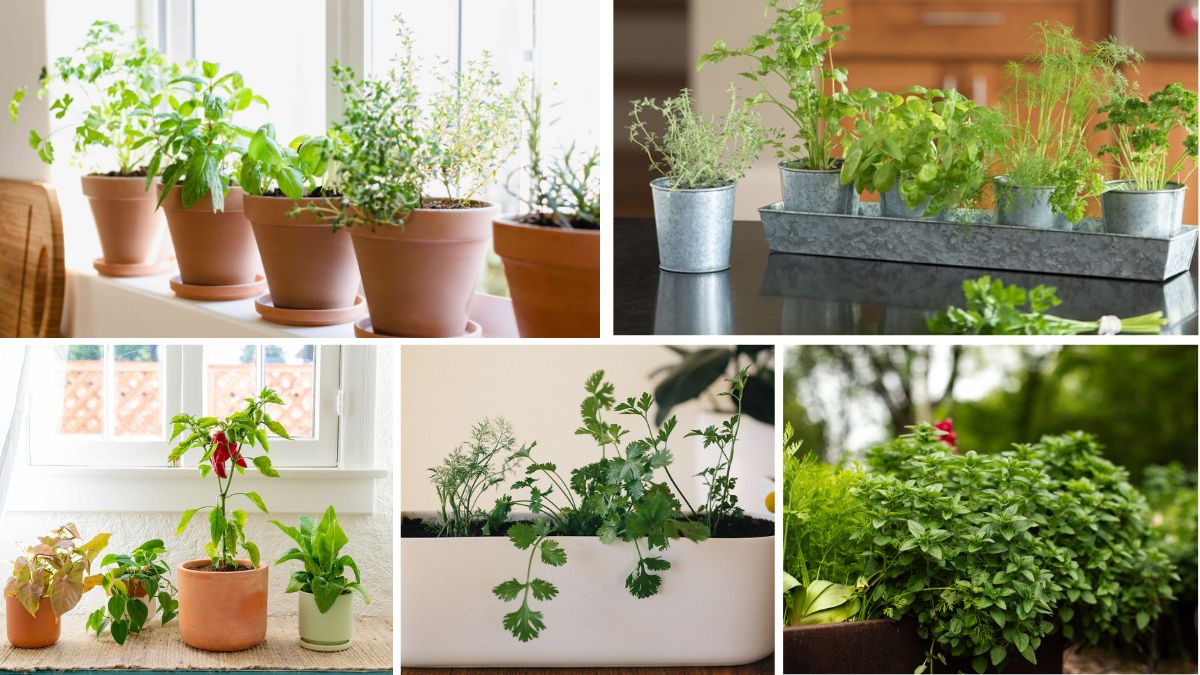
- Herbs:Basil, mint, and parsley are great options. They flourish indoors and add flavor to meals.
- Succulents:These are low-maintenance and need little water. Aloe vera and jade plants are popular choices.
- Leafy Greens:Spinach and lettuce grow well inside. They provide fresh, nutritious leaves.
- Ferns:They thrive in shaded areas. Their lush foliage adds a touch of green.
Considerations For Plant Size
Plant size matters in an indoor garden. Large plants require more space and light.
Choose smaller plants if space is limited. They fit well on windowsills or shelves.
Consider the growth rate of plants. Fast-growing plants might need frequent repotting.
Think about the plant’s mature size. This helps in planning the layout of your garden.
Remember, smaller plants are easier to manage indoors.
Soil And Container Selection
Creating an organic indoor garden is a rewarding experience. Choosing the right soil and container is essential for healthy plant growth. These two elements play a crucial role in providing plants with the necessary nutrients and support.
Best Organic Soil Mixes
Organic soil is rich in natural nutrients. It supports healthy plant growth without chemicals. Look for soil mixes that contain compost, peat, and vermiculite. These components retain moisture and improve soil structure.
Adding coconut coir to your mix is beneficial. It enhances water retention and air flow. Another option is worm castings. They naturally enrich the soil with essential nutrients.
Regularly check soil pH levels. Most plants thrive in slightly acidic to neutral pH. Adjusting pH ensures optimal nutrient absorption.
Choosing Appropriate Containers
The right container supports plant health and growth. It should have adequate drainage holes to prevent waterlogging. Excess water can cause root rot, harming your plants.
Consider the size of the container based on plant type. Herbs need smaller pots, while vegetables need larger ones. Ensure the material suits your plant’s needs. Clay pots are breathable, while plastic retains moisture.
Position your containers near natural light sources. This ensures plants receive sufficient sunlight for photosynthesis. Rotate the containers regularly for even growth.
Lighting Solutions
Illuminate your indoor garden with tailored lighting solutions. Choose LED grow lights to mimic sunlight and boost plant growth. Adjust light intensity and duration to suit each plant’s needs.
Lighting is crucial for growing an organic indoor garden. It impacts plant growth and health. Proper lighting mimics sunlight, helping plants thrive indoors. Exploring lighting solutions is vital for indoor gardening success.Natural Vs Artificial Light
Natural light is sunlight entering through windows. It’s the most effective for indoor plants. But, not every room has sufficient sunlight. Artificial light fills the gap in dim rooms. It provides consistent light. You can control its intensity and duration. This is essential for plants needing specific light conditions.Types Of Grow Lights
Grow lights come in different types, each with unique benefits.- Fluorescent Lights: They are affordable and energy-efficient. Suitable for seedlings and leafy greens.
- LED Lights: They are versatile and long-lasting. Ideal for all plant stages.
- Incandescent Lights: They are less efficient and produce more heat. Best for plants needing warmth.
- High-Intensity Discharge (HID) Lights: Great for large-scale gardens. They offer powerful light.
Watering Strategies
Watering an indoor garden requires careful attention. The right amount keeps plants healthy. Too much or too little can harm them. Understanding effective watering strategies is vital for success. This guide will help you master the basics. Let’s dive into the details.
Frequency And Techniques
Watering frequency depends on plant type and environment. Some plants need daily watering. Others thrive with less frequent care. Check soil moisture regularly. Use a finger to test it. If dry, it’s time to water.
Choose watering techniques wisely. Use a watering can for precise control. Direct water to the base of the plant. This avoids wetting the leaves. Misting can benefit some plants. It increases humidity and keeps leaves fresh.
Signs Of Overwatering
Overwatering can harm plants. Watch for yellowing leaves. This is a common sign. Mushy stems indicate excess water, too. Check for mold on the soil surface. It suggests too much moisture.
Wilting can also signal overwatering. Surprisingly, it mimics underwatering symptoms. Examine the roots if unsure. Healthy roots are firm and white. Overwatered roots become brown and soft.

Credit: food52.com
Nutrient Management
Nutrient Management Ensure your organic indoor garden thrives by providing balanced nutrients. Use natural compost and organic fertilizers to enrich the soil. Regular monitoring helps maintain healthy plant growth.
Growing an organic indoor garden is rewarding and sustainable. Nutrient management plays a crucial role. It ensures your plants get the essential nutrients. The indoor environment requires special attention. Let’s explore how to manage nutrients effectively.Organic Fertilizers
Organic fertilizers are vital for indoor gardens. They enhance soil health naturally. These fertilizers come from plant or animal sources. They release nutrients slowly, benefiting plant growth. Common options include compost, bone meal, and fish emulsion. Compost enriches soil with organic matter. Bone meal provides phosphorus for root development. Fish emulsion supplies nitrogen for leafy growth. Choose fertilizers based on your plant needs. Always follow instructions for application. Overuse can harm your plants.Preventing Nutrient Deficiencies
Nutrient deficiencies can stunt plant growth. Observe plants closely for signs of deficiency. Yellow leaves may indicate nitrogen shortage. Purple leaves can signal phosphorus deficiency. Curling leaves might show potassium lack. Test your soil regularly for nutrient levels. Adjust fertilizer use based on test results. Ensure proper drainage to avoid nutrient washout. Rotate plants to promote balanced nutrient use. By preventing deficiencies, your indoor garden thrives.Pest And Disease Control
Keep pests and diseases away by maintaining a clean environment. Use natural methods like neem oil or garlic spray. Regularly check plants for signs of trouble and act quickly to ensure healthy growth.
Growing an organic indoor garden is a fulfilling endeavor, but it comes with its own set of challenges. One of the most significant obstacles is managing pests and diseases, which can quickly ruin all your hard work. It’s crucial to address these issues proactively to ensure the health and vitality of your garden. Imagine the disappointment of nurturing your plants only to find them wilting or infested. With the right strategies, you can combat these problems effectively.Natural Pest Remedies
When pests invade your indoor garden, reaching for chemical pesticides might seem tempting. However, there are natural solutions that can be just as effective and kinder to your plants. Consider using neem oil, a plant-based remedy that disrupts insect growth and reproduction. It’s safe for humans and pets, making it a great choice for indoor use. Another technique is introducing beneficial insects like ladybugs. These tiny warriors feast on aphids, spider mites, and other common pests. You can also create a DIY spray with garlic or chili peppers, which acts as a deterrent. Experiment with these options to see what works best for your garden’s unique ecosystem.Disease Prevention Tips
Preventing disease in your indoor garden requires vigilance and consistency. Start by ensuring proper air circulation. Stagnant air can lead to mold and mildew, which are detrimental to plant health. Use a small fan to keep air moving and reduce humidity levels. Regularly inspect your plants for signs of distress or unusual spots. Early detection is key to preventing the spread of disease. Remove any affected leaves immediately to stop the disease in its tracks. Maintain a clean garden space by removing debris that can harbor pathogens. Lastly, consider the power of companion planting. Certain plants can help protect others by repelling diseases naturally. For instance, basil is known to ward off harmful fungi. By strategically arranging your plants, you create a natural defense system. Have you ever thought about the role of your environment in pest and disease control? It’s more than just the plants themselves—it’s the entire ecosystem you’ve created indoors.Maintaining Indoor Garden Health
Maintaining Indoor Garden Health Grow an organic indoor garden by ensuring proper sunlight, regular watering, and using natural fertilizers. Monitor plant health for pests and diseases. Rotate plants occasionally for balanced growth.
Maintaining the health of your indoor garden is crucial for ensuring lush growth and bountiful yields. It’s not just about watering and feeding; it’s about understanding your plants’ unique needs and adjusting your care routine to match. Healthy plants are more resilient to pests and diseases, making your indoor garden a peaceful haven of greenery.Regular Inspection Practices
Regular inspections are your first line of defense against plant health issues. Set aside time each week to closely examine your plants. Look for signs of pests, like holes in leaves or sticky residue, and address them promptly. Check the soil moisture using your finger or a moisture meter. Overwatering is a common issue, so ensure the topsoil is dry before watering again. Keep an eye out for any unusual changes in leaf color or texture, which might indicate nutrient deficiencies or other problems.Seasonal Care Adjustments
Adjusting your care routine with the seasons can make a big difference in plant health. During winter, indoor light levels drop, so consider moving plants closer to windows or using grow lights. You might also need to reduce watering as plants tend to use less water in cooler months. In summer, indoor temperatures can soar, causing soil to dry out quickly. Increase watering frequency but ensure good drainage to avoid root rot. Think about how you felt last summer when the heat was unbearable—your plants feel the same! Are your plants near a drafty window or a heating vent? Such locations can stress plants, so reposition them if necessary. Remember, minor adjustments can significantly impact your garden’s overall health.Harvesting And Storage
Harvesting ripe vegetables from your organic indoor garden ensures peak flavor and nutrition. Store produce in cool, dry places to maintain freshness. Regularly check for spoilage and consume promptly for the best taste experience.
Harvesting and storing your indoor garden produce is rewarding. It ensures you enjoy fresh flavors year-round. Knowing when to harvest is key to perfect taste and nutrition. Proper storage methods help retain these benefits for longer.Optimal Harvesting Time
Timing is crucial for harvesting indoor plants. Pick fruits and vegetables at their peak. This enhances their taste and nutritional value. Look for visual cues like color and size. For instance, tomatoes should be bright red and firm. Herbs like basil are best when their leaves are vibrant green. Harvest in the morning for crisp and fresh produce. Morning dew keeps the plants hydrated, making them easier to pick.Preserving Your Produce
Store your harvested produce properly to maintain freshness. Use airtight containers for leafy greens and herbs. This prevents moisture loss and keeps them crisp. Store root vegetables in a cool, dark place. A pantry or a cellar is ideal. Keep fruits like apples and pears in the fridge. This slows down ripening and extends shelf life. Dry or freeze herbs to use them later. Dried herbs retain flavor for months. Freezing herbs in ice cube trays with water is also effective.
Credit: food52.com
Credit: lodhigarden.com
Frequently Asked Questions
What Are The Benefits Of An Indoor Garden?
Indoor gardens improve air quality, reduce stress, and boost mood. They also offer fresh produce year-round, regardless of weather. Additionally, they save space and require less maintenance than outdoor gardens, making them ideal for urban living.
How Much Light Do Indoor Plants Need?
Most indoor plants need bright, indirect sunlight for optimal growth. South-facing windows provide the best light. Some plants, like succulents, require more direct sunlight. Consider using grow lights to supplement natural light, especially in low-light homes or during winter months.
Can You Grow Vegetables Indoors?
Yes, many vegetables thrive indoors, such as tomatoes, lettuce, and herbs. They need adequate light, water, and nutrients. Use containers with good drainage and a quality potting mix. Consider vertical gardening techniques to maximize space in small areas.
How Do You Control Pests In Indoor Gardens?
To control pests, regularly inspect plants for signs of infestation. Use natural remedies like neem oil or insecticidal soap. Ensure proper air circulation and avoid overwatering to prevent fungal growth. Quarantine new plants before introducing them to your garden.
Conclusion
Growing an organic indoor garden brings joy and benefits. Fresh herbs and veggies at home. Cleaner air, healthier meals. Start small, with easy plants. Basil, mint, and tomatoes thrive indoors. Keep soil moist, but not soggy. Provide enough light, natural or artificial.
Monitor plant health; watch for pests. Enjoy the process and learn as you go. Gardening relaxes the mind and enriches life. Share tips with friends; inspire others to start. With patience and care, your garden flourishes. A rewarding hobby that feeds body and soul.
Ready to nurture your indoor oasis? Let’s get planting!







