
Imagine enjoying a fresh, crisp salad, harvested straight from your own indoor garden. You don’t need a sprawling backyard or perfect weather to make this a reality.
An indoor salad garden brings the joys of gardening right into your home, offering a year-round supply of greens that are as fresh as they are nutritious. But why settle for store-bought when you can experience the satisfaction of growing your own?
Not only does an indoor salad garden provide a continuous source of healthy greens, but it also enhances your living space with vibrant colors and the soothing presence of nature. This guide will walk you through the simple steps to set up and maintain your own indoor oasis of health and freshness. Are you ready to transform your meals and your home with an indoor salad garden? Let’s dive in and explore how you can easily cultivate a flourishing garden that delivers fresh produce at your fingertips.
Choosing The Right Space
Choosing a bright spot with ample light is essential for growing an indoor salad garden. Ensure the space has good airflow to prevent mold and pests. Consider using shelves or vertical planters to maximize limited space efficiently.
Choosing the right space for your indoor salad garden is crucial. The space you select impacts growth success and plant health. Every plant needs the right environment to thrive. Let’s explore key factors to consider.Assessing Light Conditions
Plants need light to grow. Natural sunlight is ideal. Observe where sunlight enters your home. Choose a spot with good exposure. South-facing windows usually provide ample light. If natural light is scarce, use grow lights. These mimic sunlight and support plant growth. Ensure your plants get enough light daily. This will help them stay healthy and vibrant.Utilizing Small Spaces
Indoor gardening doesn’t require large areas. You can grow salad greens in small spaces. Consider using shelves or windowsills. Vertical gardening is a smart option. Use stackable planters or wall-mounted pots. This maximizes space efficiency. Small pots work well for herbs and leafy greens. You can also use containers on countertops. Ensure easy access for watering and maintenance. Creative use of space can lead to a productive garden.Selecting Salad Varieties
Selecting Salad Varieties Explore diverse salad greens like lettuce, spinach, and arugula for your indoor garden. Choose fast-growing and easy-care varieties to ensure a steady supply of fresh salad ingredients.
Selecting the right salad varieties for your indoor garden is essential. A mix of leafy greens and herbs can make your salads delicious. Different plants offer unique flavors and textures. Choosing a variety ensures a tasty and nutritious blend. Here are some great options for your indoor salad garden.Leafy Greens Options
Leafy greens are the base of any good salad. They are easy to grow indoors. Popular choices include:- Lettuce:Romaine, butterhead, and leaf lettuce grow well inside.
- Spinach:Spinach is rich in vitamins and perfect for salads.
- Kale:Baby kale offers a mild taste and is nutritious.
- Arugula:Arugula adds a peppery kick to any salad.
Herbs To Include
Herbs enhance the taste of your salads. They are easy to grow indoors. Consider these herbs for your garden:- Basil:Sweet and fragrant, basil pairs well with greens.
- Parsley:Parsley offers a fresh, crisp taste to salads.
- Cilantro:Cilantro adds a bright, citrusy flavor.
- Dill:Dill has a unique taste that complements many dishes.
Necessary Supplies
Gather seeds, soil, pots, and grow lights to start your indoor salad garden. Ensure proper drainage and adequate light for healthy growth. Regular watering and monitoring of temperature are essential for thriving plants.
Growing an indoor salad garden can be a delightful and rewarding experience. To ensure success, gathering the right supplies is crucial. These essentials will set the foundation for your thriving indoor greens.Containers And Pots
Choosing the right containers can make or break your indoor gardening journey. Look for pots with good drainage holes to prevent waterlogging. Consider using recycled materials like yogurt cups or old bowls as creative potting options. Ensure they’re cleaned thoroughly before use. You can also opt for self-watering pots which can be a lifesaver if you often forget to water your plants. They maintain consistent moisture levels, perfect for busy individuals.Potting Mix And Soil
The type of potting mix you choose will significantly impact your plant’s health. Go for a high-quality potting mix rich in organic matter. Avoid using garden soil as it may contain pests and isn’t well-suited for indoor environments. Instead, look for mixes specifically designed for container gardening. Adding a slow-release fertilizer can provide your plants with the necessary nutrients over time. This minimizes the need for frequent feeding and keeps your salad greens lush and healthy. What surprising benefits have you discovered with your indoor salad garden? By carefully selecting your supplies, you set the stage for a bountiful harvest that can add freshness to your meals and greenery to your home.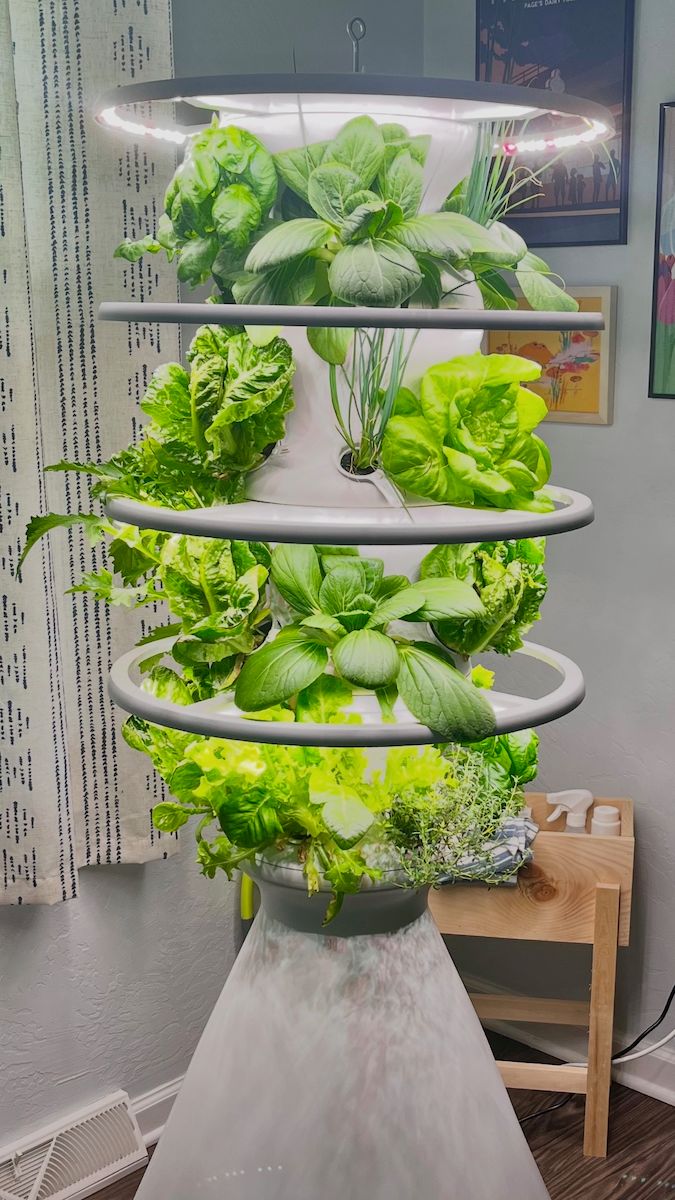
Credit: www.lettucegrow.com
Planting Techniques
Indoor salad gardens thrive in well-lit spaces with controlled temperature. Choose shallow containers for leafy greens, ensuring good drainage. Regularly water and provide nutrients to maintain healthy growth.
Growing an indoor salad garden requires careful planting techniques. Proper methods ensure healthy growth and abundant harvests. Let’s explore key techniques that will help you succeed.Seed Germination Process
Start with high-quality seeds from trusted sources. Use a seed tray with drainage holes. Fill it with a seed-starting mix. Moisten the mix with water. Plant seeds according to the packet instructions. Cover the tray with a clear lid or plastic wrap. Place it in a warm, bright location. Check daily for moisture and signs of growth. Once seeds sprout, remove the cover. Ensure they get plenty of light, either from a window or grow lights.Transplanting Seedlings
Seedlings need transplanting when they have two true leaves. Prepare larger containers filled with potting soil. Gently loosen seedlings with a spoon or small tool. Hold seedlings by leaves, not stems, to avoid damage. Place each seedling in a hole in the new container. Fill in around roots with soil and press gently. Water thoroughly but avoid overwatering. Position the containers in a spot with consistent light. Regularly check the soil’s moisture level. Adjust the position if needed for optimal light exposure.Optimal Growing Conditions
Growing an indoor salad garden is a rewarding endeavor. To ensure your greens thrive, focus on creating optimal growing conditions. These conditions include maintaining the right temperature, humidity, and watering schedule. Each factor plays a crucial role in the health and growth of your plants. Let’s dive into these key aspects.
Temperature And Humidity
Salad greens prefer a moderate climate. Keep the temperature between 60-70°F (15-21°C). This range helps the plants grow well without stress. Avoid placing your garden near heat sources like radiators. It could dry out the soil and harm the plants.
Humidity is also important. Salad greens enjoy a bit of moisture in the air. Aim for 40-50% humidity in your growing space. You can use a small humidifier to maintain these levels. Grouping plants together can also help. They naturally increase the humidity around them.
Watering Schedule
Proper watering is essential for a healthy salad garden. Overwatering can lead to root rot, while underwatering stresses the plants. Check the soil moisture regularly. Stick your finger into the soil up to the first knuckle. If it feels dry, it’s time to water.
Watering in the morning is ideal. It allows the soil to dry out during the day. This prevents fungal growth. Use room-temperature water to avoid shocking the plants. Ensure the pots have drainage holes. It prevents water from pooling at the bottom.
Managing Pests And Diseases
Regularly inspect plants for signs of pests or diseases. Use natural remedies like neem oil for treatment. Ensure proper air circulation to minimize risks.
Managing pests and diseases in your indoor salad garden is crucial. These issues can affect plant health and yield. Indoor gardens face fewer pests but are not immune. A proactive approach ensures healthy growth and a bountiful harvest.Common Indoor Pests
Indoor salad gardens often encounter several pests. Aphids are tiny, sap-sucking insects. They weaken plants and spread diseases. Fungus gnats are small flies that thrive in damp soil. They damage roots and stunt plant growth. Spider mites are tiny, web-spinning pests. They cause yellow leaves and weaken plants.Preventive Measures
Preventing pests begins with proper care. Ensure good air circulation around plants. This reduces humidity and deters mold. Water plants only when the soil is dry. Overwatering attracts fungus gnats. Regularly inspect plants for early signs of pests. Catching them early is key. Consider using natural insecticides. Neem oil and insecticidal soap are effective. They manage pests without harming plants. Keep your indoor garden clean. Remove fallen leaves and debris promptly. This denies pests a hiding place. Rotate crops to prevent diseases. Different plants host different pests. Rotation confuses them.Harvesting Tips
Choose a sunny spot indoors for your salad garden. Keep soil moist but not soggy for healthy growth. Harvest leaves regularly to enjoy fresh salads year-round.
Growing an indoor salad garden is a rewarding journey that culminates in the delightful process of harvesting. The moment you pick your first fresh leaf, you’ll feel the joy of your efforts. Understanding when and how to harvest is crucial for enjoying the freshest and most flavorful greens.When To Harvest
Timing is key to get the most out of your indoor salad garden. Generally, your greens will be ready for harvesting when they are about 4 to 6 inches tall. This is when they are most tender and packed with flavor. Keep an eye on the leaves. If they start turning yellow or become bitter, you might have waited too long. Harvesting regularly encourages new growth, keeping your salad garden productive.Methods For Harvesting
There are a few simple methods to harvest your greens efficiently. You can use scissors or garden shears for a clean cut, which helps prevent damage to the plant. Cut the leaves about an inch above the base to allow regrowth. Alternatively, you can opt for the “cut-and-come-again” method. This involves picking just the outer leaves as needed, allowing the center to keep growing. It’s a great way to enjoy fresh greens continuously without replanting. Have you considered using a salad spinner to rinse your freshly harvested greens? It’s a quick way to clean them and adds a fun twist to your gardening routine.Enhancing Flavor And Nutrition
Growing an indoor salad garden can be a delightful experience. Enhancing flavor and nutrition adds value to your harvest. By focusing on the right techniques, your salads will taste better and be healthier. This section explores methods to enrich both taste and nutrient content.
Companion Planting Benefits
Companion planting is a smart way to boost flavor and nutrition. Pairing certain plants together can lead to improved growth and taste. For example, planting basil near lettuce can enhance lettuce flavor. Basil emits natural oils that may improve its neighbor’s taste. Additionally, herbs like parsley and chives can deter pests. This means healthier plants and fresher salads.
- Improves plant health naturally
- Enhances flavors through chemical interaction
- Reduces the need for chemical pesticides
Using Organic Fertilizers
Organic fertilizers enrich soil without harmful chemicals. They provide essential nutrients that help plants grow stronger. Compost is a popular choice and easy to make at home. It’s rich in nutrients and improves soil structure. Another option is fish emulsion. It’s high in nitrogen, promoting leaf growth. Regular application ensures plants receive consistent nourishment.
- Promotes healthy plant growth
- Improves soil quality naturally
- Supports sustainable gardening practices
Troubleshooting Common Issues
Identifying light needs is key to growing a thriving indoor salad garden. Addressing soil moisture and nutrient issues ensures healthy greens. Overcoming pests can protect your plants and maintain their growth.
Growing an indoor salad garden can be a rewarding venture, but it comes with its own set of challenges. Understanding the common issues you might face can help you take proactive measures to ensure your greens thrive. Whether it’s slow growth, wilting leaves, or pests, troubleshooting these problems is key to a flourishing indoor garden. Let’s explore the common issues and solutions to keep your salad garden healthy and productive.Identifying Growth Problems
To identify growth problems, start by observing the plants closely. Are the leaves yellowing or curling? This could indicate nutrient deficiencies or incorrect watering. Monitor growth rate. If your salad greens aren’t growing as expected, it could be due to insufficient light or cramped roots. Take note of any spots or discoloration. Such signs might point towards a pest infestation or fungal infection.Solutions For Common Challenges
Ensure your plants receive adequate light. Consider using grow lights if natural sunlight is limited in your home. Adjust watering habits. Check soil moisture regularly. Over-watering can lead to root rot, while under-watering can cause wilting. Use organic pest control methods to tackle unwanted insects. Neem oil or insecticidal soap can be effective without harming your plants. Test the soil for nutrient levels. Adding a balanced fertilizer can improve growth and leaf color. Ask yourself: Are you providing the right conditions for your plants? Taking a step back to evaluate your setup can often lead to simple adjustments that make all the difference.
Credit: northernwildflowers.ca

Credit: www.wired.com
Frequently Asked Questions
What Is The Best Location For An Indoor Salad Garden?
Choose a spot with ample natural light, ideally near a south-facing window. Ensure the area is free from drafts and extreme temperatures. Consistent warmth and light support plant growth and nutrient absorption. If natural light is insufficient, consider using grow lights to supplement.
How Do You Start An Indoor Salad Garden?
Begin by selecting salad greens like lettuce, spinach, and arugula. Use pots or containers with drainage holes, and fill them with quality potting soil. Sow seeds according to package instructions, water consistently, and ensure adequate light. Regularly check for pests and adjust watering as needed.
Can You Grow Salad Indoors Without Sunlight?
Yes, you can use grow lights to simulate sunlight conditions. Place lights above the plants, ensuring they are on for 12-16 hours daily. Opt for full-spectrum LED lights for best results. Rotate plants regularly for even growth and prevent leggy stems.
How Often Should I Water My Indoor Salad Garden?
Water your plants when the top inch of soil feels dry. Ensure pots have drainage to prevent overwatering and root rot. Use room temperature water for best absorption. Adjust watering frequency based on indoor humidity and plant size.
Conclusion
Growing an indoor salad garden is simple and rewarding. Fresh greens at home. No more trips to the store. You control what you eat. Healthy. Sustainable. Fun. Start with seeds or small plants. Choose a sunny spot. Water regularly. Watch them grow.
Add your greens to meals. Salads. Sandwiches. Wraps. Enjoy the process. Learn each step. Each leaf a triumph. Share with friends and family. Inspire others to grow their own. Feel proud of your garden. It’s your space. Your food. Your choice.
Happy gardening!







