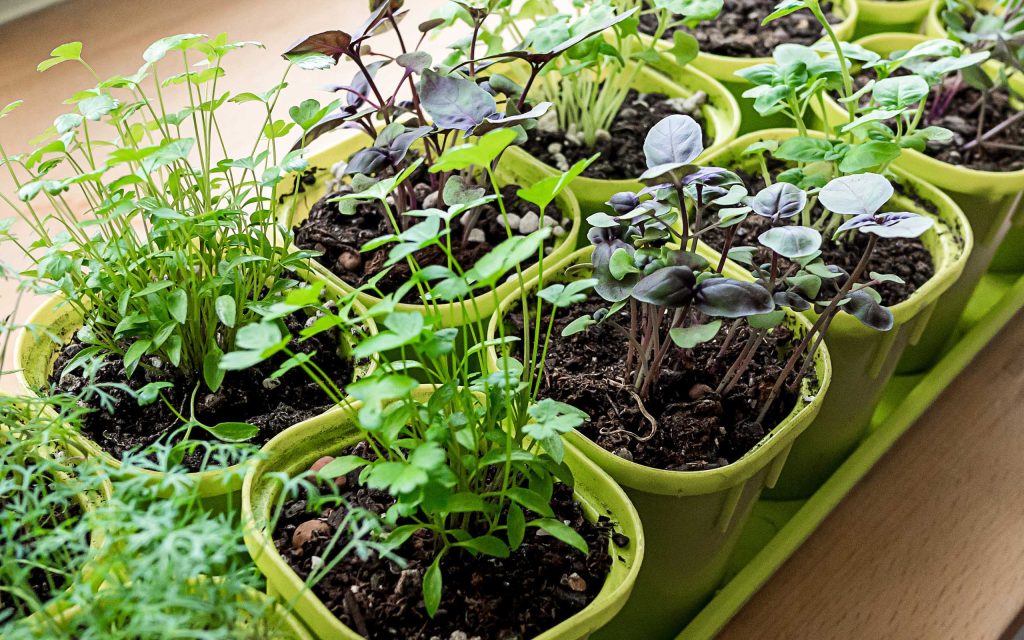
Imagine walking into your kitchen and plucking fresh basil or mint straight from your own indoor herb garden. The aroma alone is enough to invigorate your senses, while the flavors elevate every dish you prepare.
Growing a small indoor herb garden isn’t just a hobby; it’s a way to transform your cooking and enhance your lifestyle. This guide is crafted for you, whether you’re a seasoned gardener or just starting out. You’ll discover simple steps to turn even the smallest space into a thriving herb sanctuary.
No matter the season, you can enjoy fresh herbs year-round, right at your fingertips. By diving into this article, you’ll unlock the secrets to choosing the right plants, understanding their needs, and nurturing them to full bloom. Imagine the satisfaction of harvesting your herbs and knowing they’re free from harmful chemicals and pesticides. Plus, it’s a rewarding experience that can boost your mood and reduce stress. Stay with us as we reveal tips and tricks that will make your indoor garden flourish. Your journey to fresh, flavorful herbs is just a few scrolls away.
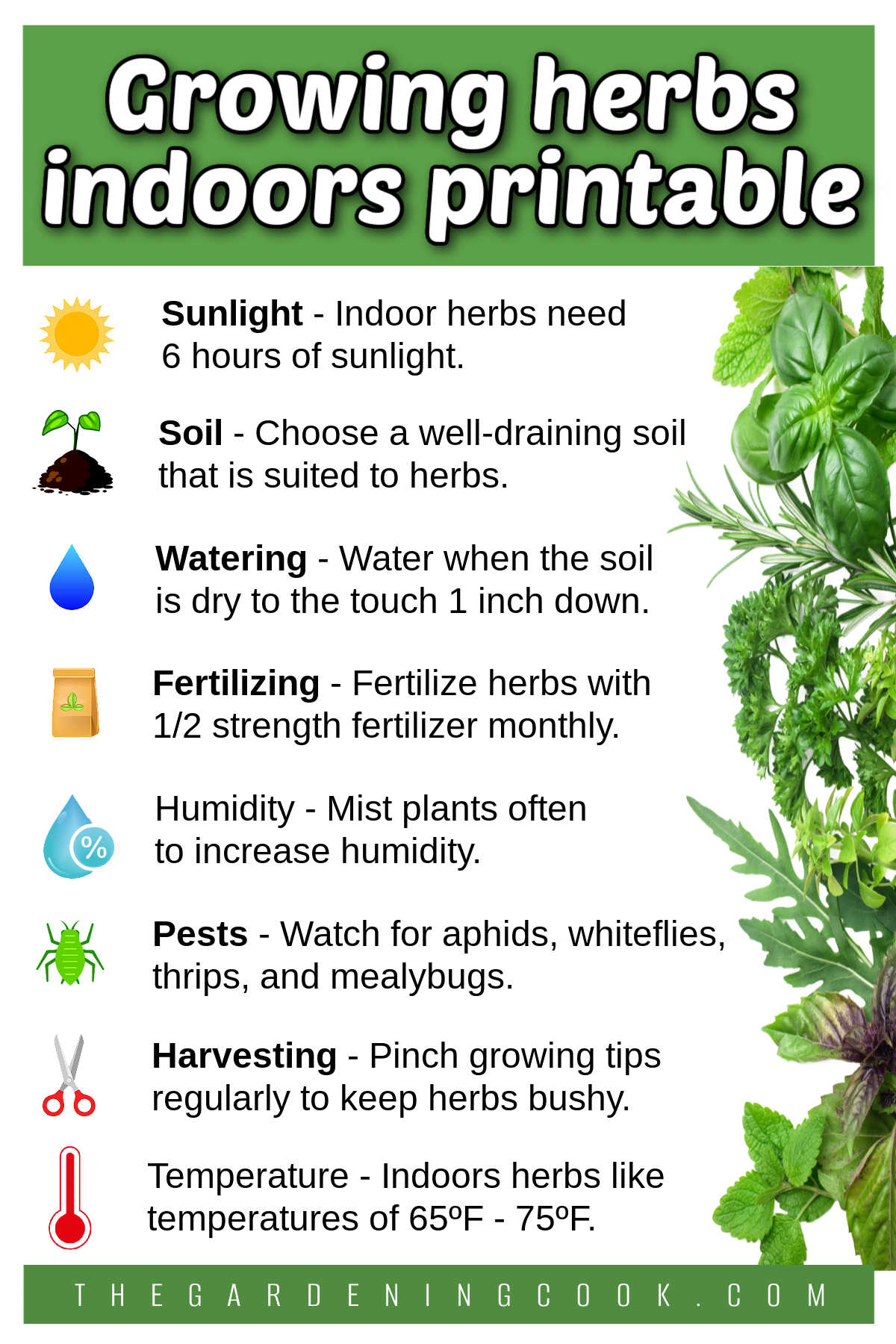
Credit: thegardeningcook.com
Choosing The Right Herbs
Choosing the right herbs for your indoor garden can make all the difference between a thriving green space and a patchy collection of wilting plants. The herbs you choose will depend on your cooking habits, the light available in your home, and even your personal preferences. Starting with the right selection sets you up for a successful and rewarding gardening experience.
Popular Herb Options
- Basil:Perfect for making pesto and adding a fresh touch to salads.
- Mint:Ideal for teas, desserts, and even homemade mojitos.
- Parsley:A versatile herb that brightens up any dish.
- Thyme:Great for seasoning meats and stews.
- Rosemary:A robust herb perfect for roasted dishes.
These herbs not only enhance your meals but also fill your home with delightful aromas. Imagine the satisfaction of plucking fresh basil leaves from your windowsill for a homemade pizza. It’s these small joys that make growing herbs indoors so rewarding.
Factors To Consider
- Light:Do you have a sunny windowsill or will you need grow lights?
- Space:Consider how much room you have for pots or planters.
- Climate:Some herbs prefer cooler conditions while others thrive in warmth.
- Watering needs:Some herbs are more drought-tolerant than others.
- Growth rate:Fast-growing herbs like mint can quickly overtake slower-growing neighbors.
Your lifestyle and environment play a crucial role in the success of your indoor herb garden. If you’re often away, low-maintenance herbs like rosemary or thyme might be best. Conversely, if you enjoy daily interaction with your plants, more demanding herbs like basil could be a delightful challenge.
Have you ever found yourself with too much of one herb and not enough of another? Balancing your selection can prevent this common issue. Consider your favorite recipes and choose herbs that complement them. This way, you’re not just growing plants; you’re growing a garden that suits your culinary needs.
Preparing Your Space
Create a cozy spot with good sunlight for your indoor herb garden. Ensure proper ventilation and choose containers with good drainage. Use quality potting soil to help herbs thrive.
Preparing Your Space Growing a small indoor herb garden can be a rewarding and delicious endeavor, but it all starts with the right preparation of your space. Creating an environment where herbs can thrive is crucial, and it begins with selecting the perfect spot. Whether you’re a seasoned gardener or a beginner with a green thumb, understanding how to prepare your space can make all the difference.Ideal Locations
Choosing the ideal location for your indoor herb garden sets the foundation for successful growth. Look for a spot that is easily accessible and has good air circulation. Kitchens often make great locations as they are convenient for cooking, but any room with a window can work. Consider placing your herbs on a windowsill or a dedicated shelf. If you have limited space, vertical gardens or hanging planters can be excellent alternatives. Think about where you spend the most time and where you’ll remember to tend to your plants regularly.Lighting Requirements
Lighting is a key factor in the growth of your indoor herbs. Most herbs require six to eight hours of sunlight daily. A south-facing window is often the best choice to maximize natural light. If natural sunlight is scarce, consider using grow lights to supplement. LED grow lights are energy-efficient and can provide the necessary light spectrum for herb growth. You might wonder if you can use regular bulbs, but they often lack the full spectrum needed for healthy plants. Reflect on your space’s lighting and whether adjustments are needed. Could moving a lamp or adding a mirror to reflect light improve conditions? These simple changes can create a thriving environment for your herbs.Selecting Containers
Choose the right containers for your small indoor herb garden to ensure healthy growth. Opt for pots with drainage holes to prevent waterlogging. Select sizes that fit your space and herb types, ensuring sufficient room for roots.
Selecting the right containers is crucial for a thriving indoor herb garden. The right choice ensures your plants have enough room and proper drainage. This will help your herbs grow healthy and strong. Let’s explore what to consider for container selection.Size And Material
Choose containers that are large enough for your herbs. Small pots can restrict root growth. This might stunt your plants. Most herbs need at least six inches of soil depth. Bigger pots can hold more soil, providing better nutrients. Select materials like clay, ceramic, or plastic. Clay pots are breathable but dry out faster. Ceramic pots look nice but are heavier. Plastic pots are lightweight and affordable. Choose based on your home’s climate and your personal preference.Drainage Importance
Drainage is vital for healthy plants. Without it, water can drown your herbs. Ensure each container has a drainage hole. This prevents water from collecting at the bottom. A good tip is to use a saucer under each pot. This catches excess water. Remember to empty the saucer to avoid root rot. Proper drainage keeps your herbs healthy. It helps prevent overwatering and root diseases.Using Quality Soil
Growing a small indoor herb garden can be very rewarding. One of the essential elements is using quality soil. Quality soil helps your herbs thrive. It provides the right environment for growth. Let’s explore the key aspects of soil for your herb garden.
Soil Types
Choosing the right soil type is crucial. There are different types of soil available. Each has unique properties. For indoor herbs, potting soil is ideal. It drains well and retains moisture. Avoid garden soil. It can be too dense for pots.
Consider using a soil mix. Add perlite or vermiculite for better drainage. These materials help prevent root rot. This mix supports healthy herb growth.
Nutrient Needs
Herbs need nutrients to grow well. Quality soil usually contains essential nutrients. These include nitrogen, phosphorus, and potassium. Check the soil package for nutrient content. Some soils come with added fertilizers. This can benefit your herbs.
Sometimes, additional feeding is necessary. Use organic fertilizers for better results. They provide a balanced nutrient supply. Apply fertilizers according to the package instructions.
Proper soil care ensures your herbs stay healthy. Regularly check soil moisture and condition. This practice helps maintain a thriving indoor herb garden.
Watering Techniques
Watering your indoor herb garden correctly is vital for healthy growth. Understanding the right techniques can make a big difference. It helps prevent common issues like wilting or root rot. Let’s explore how to water your herbs effectively.
Frequency Guidelines
Herbs need different amounts of water based on their type. Most herbs thrive with weekly watering. Check the top inch of soil. If it’s dry, it’s time to water. Use your finger to gauge soil moisture. This simple test avoids overwatering.
Avoiding Overwatering
Too much water harms your herbs. Ensure pots have drainage holes. This lets excess water escape. Always empty the saucer under the pot. Standing water leads to root rot. Adjust watering based on your home’s humidity.

Credit: www.familyhandyman.com
Maintaining Healthy Growth
Cultivate a thriving indoor herb garden with simple care techniques. Ensure proper sunlight, watering, and use well-draining soil. Regular trimming encourages healthy growth, allowing your herbs to flourish.
Growing a small indoor herb garden is a delightful journey that connects you to nature and fills your home with fragrant aromas and fresh flavors. However, ensuring that your herbs thrive requires a bit of knowledge and care. Maintaining healthy growth is crucial to enjoy a bountiful harvest. This section will guide you through essential strategies to keep your indoor herb garden flourishing.Pruning Strategies
Pruning is an essential practice for maintaining healthy herb growth. Regularly trimming your herbs encourages bushier and more vigorous growth. Aim to snip off any dead or yellowing leaves to redirect energy to healthy parts of the plant. Use clean, sharp scissors or pruning shears to make precise cuts. This minimizes stress on the plant and reduces the risk of disease. Remember to never remove more than one-third of the plant at a time to ensure it can recover and continue to thrive.Disease Prevention
Keeping your indoor herb garden free from diseases is easier than you might think. Start by ensuring good air circulation around your plants to prevent mold and mildew. Position your herbs in a well-ventilated area, avoiding overcrowding. Water your herbs at the base of the plant rather than overhead. This helps prevent fungal diseases that thrive in moisture. Consider using a potting mix with good drainage to keep roots healthy and disease-free. Regularly inspect your herbs for any signs of pests or disease. Early detection is key to preventing the spread. If you spot any issues, act quickly by removing affected leaves or using natural remedies like neem oil. Maintaining healthy growth in your indoor herb garden doesn’t have to be daunting. With these practical strategies, you’ll enjoy a lush and productive garden year-round. What are your favorite herbs to grow, and how do you ensure their health?Harvesting Tips
Harvesting your indoor herb garden can be rewarding and fun. Knowing when and how to harvest ensures healthy growth and fresh flavors. Proper techniques also help your herbs last longer. Below are some essential tips to make the most of your harvest.
Optimal Harvest Times
Choose the right time of day to pick herbs. Early morning is best. The oils in herbs are most concentrated then. This gives you the best flavor. For most herbs, harvest before they flower. This keeps their taste strong. Regular harvesting also encourages more growth.
Proper Cutting Methods
Use clean scissors or shears to cut herbs. This prevents plant damage and disease. Snip above a leaf node where leaves join the stem. This promotes new growth. Avoid cutting more than one-third of the plant. This keeps the plant healthy and strong.
Troubleshooting Common Issues
Growing a small indoor herb garden can be challenging. Ensure herbs receive enough light and don’t overwater. Regularly check for pests and trim herbs to encourage growth.
Troubleshooting your small indoor herb garden can sometimes feel like navigating a maze, but it’s all part of the growing journey. Understanding common issues and addressing them promptly can turn potential failures into fruitful learning experiences. Here, we’ll explore some typical problems and provide practical solutions to keep your herbs thriving.Pest Control
Indoor gardens are not immune to pests. Tiny invaders like aphids, spider mites, and whiteflies can wreak havoc on your herbs. Check the undersides of leaves regularly for any signs of these pests. A simple solution involves using a mixture of water and mild dish soap. Spray it on the affected areas to deter pests. You might also consider introducing beneficial insects like ladybugs, which are natural predators to many common pests. Consider investing in sticky traps. They’re effective in catching flying pests without using harsh chemicals. If you notice tiny webs or leaf damage, act fast to prevent a full-blown infestation.Growth Problems
Are your herbs looking droopy or pale? Growth problems can arise from insufficient light, poor soil quality, or overwatering. Assess your plant’s environment and make adjustments as needed. Herbs like basil and parsley thrive in bright, indirect sunlight. If natural light is limited, think about adding a grow light to boost their growth. Overwatering is a common mistake—ensure your pots have good drainage and that the soil dries out between waterings. Sometimes, the problem might be nutrient-related. Consider using a balanced, water-soluble fertilizer every few weeks. It can help your herbs recover and flourish again. Keep a gardening journal to track changes and outcomes, which can be surprisingly insightful. What challenges have you faced with your indoor herb garden? Remember, troubleshooting is a skill that improves with practice and curiosity.
Credit: food52.com
Frequently Asked Questions
What Herbs Are Best For Indoor Gardens?
Basil, mint, parsley, and chives thrive indoors. They require minimal sunlight and space. These herbs are perfect for beginners. Just ensure proper watering and occasional pruning. They add flavor to dishes, making them ideal for kitchen gardens.
How Much Light Do Indoor Herbs Need?
Most indoor herbs need 6-8 hours of sunlight. Place them near a sunny window. South-facing windows are ideal. If natural light is limited, use grow lights. Ensure herbs receive consistent light for optimal growth.
How Often Should I Water Indoor Herbs?
Water herbs when the topsoil feels dry. Generally, this means once a week. Avoid overwatering, as it can cause root rot. Ensure pots have drainage holes. Adjust watering frequency based on humidity and temperature.
Can I Grow Herbs In Small Spaces?
Yes, herbs can thrive in small spaces. Use vertical planters or window sills. Select compact varieties like thyme or oregano. Ensure proper light and watering. Small spaces can still yield a healthy herb garden.
Conclusion
Creating a small indoor herb garden is simple and rewarding. Fresh herbs can enhance your cooking. They add flavor and aroma. Plus, they are easy to grow. Just find a sunny spot. Water regularly. Use good soil. Watch them flourish.
Herbs like basil, mint, and thyme are perfect choices. They grow well indoors. Enjoy the beauty they bring to your space. They also provide health benefits. Start today and enjoy fresh herbs year-round. It’s a fun and satisfying hobby. You’ll love the fresh taste in your meals.
Happy gardening!







