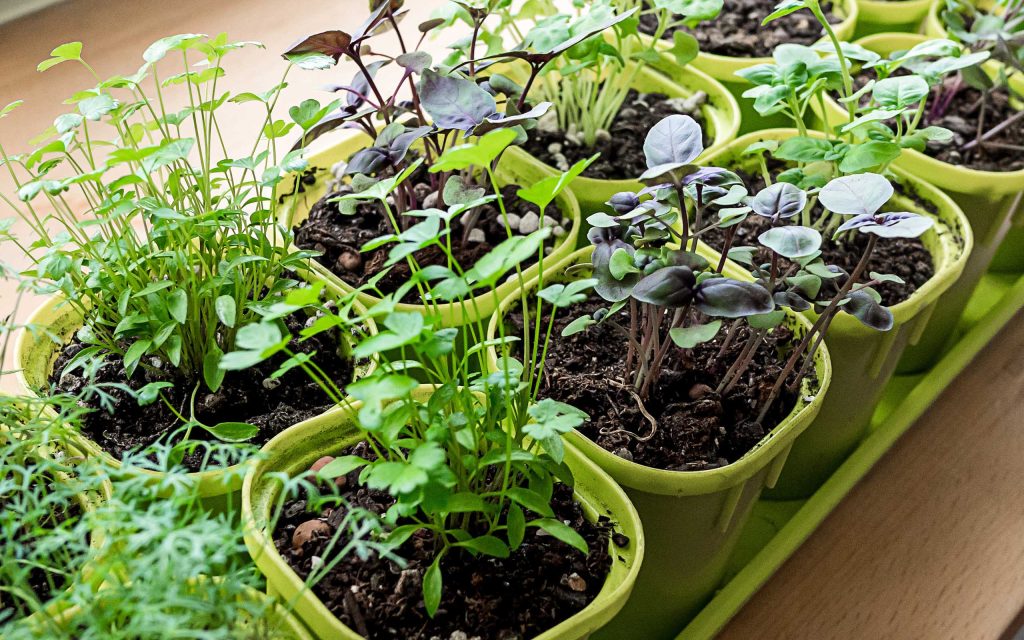
Imagine stepping into your home and being greeted by the vibrant colors and soothing scents of a lush garden. You don’t need a sprawling yard to make this dream a reality.
With a little creativity and the right guidance, you can transform a corner of your living space into a thriving indoor oasis. How does the idea of picking fresh herbs from your windowsill or nurturing a tiny forest on your bookshelf sound?
You’ll discover simple, practical steps to grow a small garden indoors, bringing nature closer and enhancing your home’s atmosphere. Get ready to learn how to harness the power of greenery to boost your mood and purify your air, all within the comfort of your home. Let’s dive in and explore how you can cultivate your own slice of paradise indoors!
Choosing The Right Plants
Choosing the right plants for your indoor garden can be the difference between a thriving green oasis and a droopy disappointment. It’s not just about what looks good; it’s about what works in your space. Understanding the specific needs of each plant will help you create a vibrant and healthy indoor garden.
Best Indoor Varieties
Not all plants are created equal, especially when it comes to growing indoors. Some plants are more suited to the conditions typically found inside a home. Consider these popular options:
- Spider Plant:Known for its resilience and ease of care.
- Pothos:Perfect for beginners, it grows well in a variety of conditions.
- Snake Plant:Tolerates low light and irregular watering.
- Peace Lily:Offers beautiful blooms and thrives in low light.
Each of these plants has unique characteristics. Think about your lifestyle and how much time you can dedicate to plant care.
Considering Light Requirements
Light is a crucial factor for plant growth. Many indoor plants prefer indirect sunlight, but some need more light than others. How much natural light does your space get?
Place light-loving plants, like succulents or cacti, near a south-facing window. If your space is dim, choose shade-tolerant plants like ferns or ZZ plants.
Artificial grow lights can supplement natural light for sun-loving plants. Assess your home’s light conditions and select plants that can thrive within them.
Experiment with plant placement. Sometimes moving a plant a few feet can make a big difference in its health.
Are there areas in your home where plants could benefit from more or less light? Adjust accordingly and watch your plants flourish.

Credit: www.plantflix.com
Setting Up The Space
Creating a small indoor garden requires careful planning and setup. Your space should be conducive to plant growth and easy maintenance. With thoughtful preparation, you can transform even the smallest area into a thriving green retreat.
Selecting Containers
The right containers are crucial for indoor gardening. Choose pots with proper drainage to prevent waterlogging. Consider the size of your plants. Larger plants need bigger pots for root growth. Use lightweight containers for easy movement. Decorative pots can add charm to your indoor space. Recycled containers can also be a sustainable choice.
Optimizing Indoor Lighting
Light is vital for plant health. Many indoor areas lack natural sunlight. Use LED grow lights to mimic sunlight for your plants. Position lights 12 inches above plants for even distribution. Ensure your plants receive 12-16 hours of light daily. Adjust the distance based on plant growth. Rotate plants regularly for balanced exposure.
Soil And Nutrients
Growing a small garden indoors requires special attention to soil and nutrients. Healthy soil provides the foundation for your plants. Proper nutrients ensure robust growth and vibrant foliage. Understanding the right balance is key to a thriving indoor garden.
Choosing The Right Soil
Not all soil is the same. Indoor plants need well-draining soil. Consider using a potting mix designed for indoor plants. It typically includes peat moss, perlite, and vermiculite. These components help retain moisture while allowing excess water to escape. Avoid garden soil, which might compact and hinder root growth. Check labels for specific plant needs, like succulents or herbs. This ensures optimal growth conditions.
Fertilizing Tips
Indoor plants need regular feeding. Use a balanced liquid fertilizer every few weeks. Dilute it to half strength to avoid over-fertilization. Pay attention to individual plant needs. Some may require more nitrogen, others might need phosphorus. Organic options like compost tea can enrich soil naturally. Avoid fertilizing during dormant periods. This prevents nutrient buildup. Monitor plant health and adjust feeding schedules accordingly.
Watering Techniques
Select suitable plants for your indoor garden to ensure proper growth. Use a watering can with a narrow spout for precise control. Monitor soil moisture regularly to prevent overwatering and encourage healthy plant development.
Watering Techniques Growing a small indoor garden can be incredibly rewarding, but getting the watering right is crucial. Too much or too little water can spell disaster for your plants. Let’s dive into some effective watering techniques that will keep your indoor garden thriving.Proper Watering Methods
Understanding the needs of your plants is the first step to proper watering. Different plants have different water requirements, so familiarize yourself with each plant’s needs. Use your finger to check the soil moisture; if the top inch feels dry, it’s usually time to water. Consider using a watering can with a narrow spout for precision. This helps you avoid splashing water on plant leaves, which can lead to mold or mildew. If you’re like me and tend to forget watering schedules, set reminders on your phone to keep your plants happy.Avoiding Overwatering
Overwatering is a common mistake, often more harmful than underwatering. Ensure your pots have drainage holes to prevent water from pooling at the bottom. Excess water can suffocate roots and lead to root rot. Keep in mind that plants need less water during cooler months when growth slows. Adjust your watering frequency accordingly to maintain healthy plants. Have you ever noticed yellowing leaves? That’s often a sign of overwatering, so be sure to monitor how much and how often you water. Remember, every plant is unique, and observing their reaction to your care is key to their happiness. Implement these watering techniques, and watch your indoor garden flourish!Managing Pests Indoors
Cultivating a small indoor garden requires effective pest management. Natural remedies like neem oil keep pests at bay. Regularly inspect plants for signs of infestation to maintain a healthy environment.
Managing pests indoors is a common challenge for indoor gardeners. While your small garden is thriving under the perfect balance of light, water, and care, pests can still find their way into your sanctuary. Addressing these unwelcome visitors promptly is essential to ensure your plants stay healthy and vibrant.Common Indoor Pests
Even in the controlled environment of your home, certain pests tend to appear more frequently. These include aphids, spider mites, and fungus gnats. Each of these tiny invaders can cause significant damage if not managed swiftly. Aphids are small, soft-bodied insects that love to feast on new plant growth. Their presence can lead to curled leaves and stunted growth. Spider mites, almost invisible to the naked eye, leave tiny webs on plants and suck out the juices, causing yellowing leaves. Fungus gnats, often mistaken for fruit flies, thrive in damp soil and can damage plant roots.Natural Pest Control
Before reaching for chemical solutions, consider natural pest control methods. These are not only effective but also safe for both plants and humans. Plus, they help maintain the delicate balance of your indoor ecosystem. Introducing beneficial insects like ladybugs can be a game-changer. They naturally prey on pests such as aphids, keeping their population in check. You might wonder, is releasing more bugs the right move? In this case, it is nature’s way of restoring balance. Another practical approach is using neem oil, a natural pesticide derived from the neem tree. A simple spray of neem oil mixed with water can deter many pests. Ensure you coat both the top and underside of leaves for the best results. For fungus gnats, let the soil dry out between waterings. These pests thrive in moist environments, so reducing soil moisture can help eliminate them. Adding a layer of sand on top of the soil can also deter adult gnats from laying eggs. Remember, every garden is unique. Keep experimenting with these methods until you find what works best for your indoor oasis. Are there other natural solutions you’ve tried that worked wonders? Share your experiences and keep your indoor garden pest-free!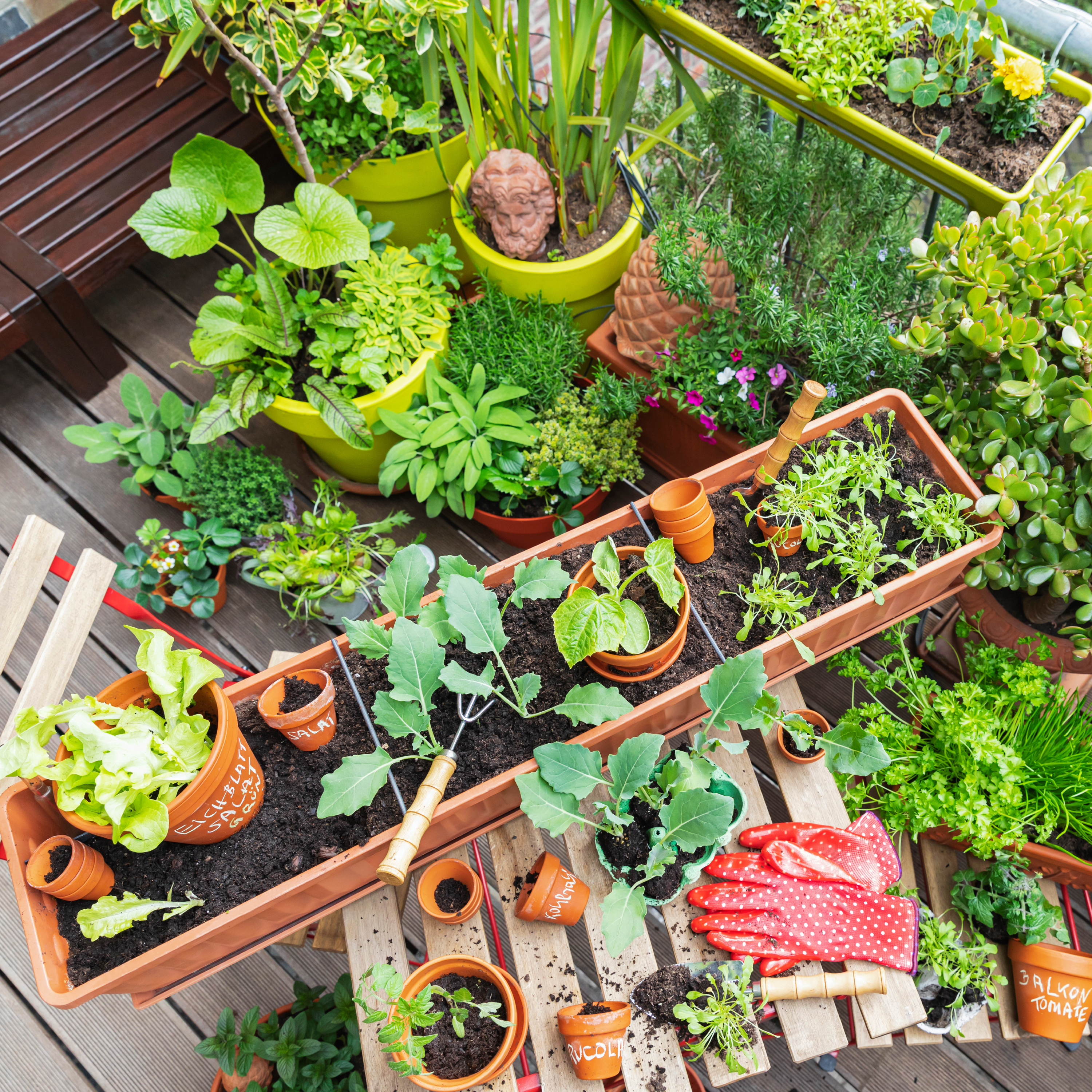
Credit: www.gardeningknowhow.com
Creating A Maintenance Routine
Establish a consistent watering schedule to keep your indoor garden thriving. Regularly check for pests and remove dead leaves to ensure healthy growth. Adjust light exposure by rotating plants for even development.
Creating a maintenance routine for your indoor garden is essential to keep your plants thriving. Consistency is key, and having a set schedule can make the difference between vibrant blooms and wilting leaves. With a little planning, even the busiest gardeners can ensure their indoor oasis remains lush and healthy.Regular Care Practices
Regular care practices are the backbone of any successful indoor garden. Begin by setting a specific day each week for watering. Overwatering is a common mistake, so check the soil moisture with your finger before adding water. Light is another crucial aspect. Rotate your plants weekly to ensure they receive even light exposure, preventing them from leaning towards the light source. If natural light is limited, consider using grow lights to supplement. Pruning is also vital. Trim dead or yellowing leaves to encourage new growth and keep your plants looking their best. This simple task can transform the health and appearance of your indoor garden.Monitoring Plant Health
Monitoring plant health involves more than just a quick glance. Take time each week to inspect leaves and stems for signs of pests or disease. Early detection can save your plants from severe damage. Keep an eye out for any changes in color or texture. Yellow leaves could indicate a nutrient deficiency, while brown tips might suggest low humidity. Adjust your care routine accordingly to address these issues. Ask yourself: Are your plants growing as expected? If not, it might be time to reevaluate their environment or your care routine. Being proactive about plant health can prevent minor issues from becoming major problems.Utilizing Technology
Growing a small garden indoors becomes easy with technology. Smart planters and LED grow lights provide perfect conditions for plants. Automated watering systems ensure consistent moisture, enhancing growth.
Growing a small garden indoors can be a rewarding experience, especially when you utilize technology to enhance your gardening efforts. Today’s tech advancements offer innovative solutions to help even the most novice gardener cultivate lush indoor plants. Whether it’s through smart gardening tools or automated systems, integrating technology can simplify the process and maximize your success.Smart Gardening Tools
Smart gardening tools are game-changers for indoor gardens. These devices can monitor your plant’s environment and provide real-time feedback on factors like light, humidity, and soil moisture. Consider using a smart plant sensor that connects to your smartphone, alerting you when your plants need water or more sunlight. Imagine waking up to a notification on your phone, reminding you to water your basil plant. It’s like having a personal gardening assistant who never sleeps. Such tools make it easier to keep track of your plants’ needs, ensuring they thrive without the guesswork.Automated Systems
Automated systems take indoor gardening to the next level by handling routine tasks for you. With automated watering systems, you can set a schedule to water your plants at the right times, removing the worry of overwatering or forgetting. Consider installing an automated LED grow light system. These lights can be programmed to mimic natural sunlight cycles, optimizing photosynthesis and encouraging healthy plant growth. Have you ever forgotten to adjust your blinds on a cloudy day? With automated systems, your plants get the ideal amount of light without any manual intervention. This convenience allows you to focus on enjoying your indoor garden rather than constantly maintaining it. By embracing technology, you can transform your indoor garden into a thriving oasis with minimal effort. What tech tools will you choose to enhance your gardening journey?Maximizing Space Efficiency
Growing a small garden indoors requires creative use of vertical space. Hanging planters and shelves can hold several pots. Consider using windowsills for sunlight-loving plants, maximizing natural light exposure.
Maximizing space efficiency is key when growing a small garden indoors. With limited space, every inch counts, and clever use of vertical surfaces and compact designs can transform your indoor garden from cramped to lush. Whether you live in a tiny apartment or simply want to keep your gardening contained, there are practical ways to make your indoor garden thrive without sacrificing comfort or style.Vertical Gardening Ideas
Vertical gardening is a brilliant way to maximize space in small indoor areas. Consider using wall planters or hanging pots to elevate your plants. Think about installing shelves or racks on your walls for placing pots. You could even use a pegboard to hang small containers, allowing you to rearrange them easily as your garden grows. Adding a trellis can encourage climbing plants, giving them the space they need to flourish upwards rather than outwards. How about transforming an unused corner into a vertical garden by stacking pots in a tiered arrangement? This not only saves space but also adds a touch of greenery to your interiors.Space-saving Techniques
Using space-saving techniques can make your indoor garden both efficient and aesthetically pleasing. Choose smaller pots and containers to fit more plants in a limited area. Consider multi-functional furniture like tables with built-in planters or window boxes that double as shelves. Maximize natural light by positioning your plants near windowsills or installing mirrors to reflect sunlight. You might also explore using compact plant varieties that require less room, such as dwarf herbs or succulents. Grouping plants with similar needs together can simplify care and create a cohesive look. Have you thought about using stackable pots or modular units that can be rearranged to suit your space as needed? These strategies not only save space but also ensure your plants receive the attention they deserve.
Credit: www.familyhandyman.com
Frequently Asked Questions
How To Start Indoor Gardening Easily?
Begin by choosing plants suited for indoor conditions. Use containers with proper drainage and quality potting soil. Ensure adequate light, either natural or artificial, and maintain consistent watering routines. Regularly monitor your plants for pests and adjust care as needed.
Starting small will help you learn and adapt.
What Are The Best Plants For Indoor Gardens?
Opt for plants like pothos, snake plant, and spider plant. They thrive indoors with minimal care. Herbs like basil and mint are great for culinary uses. Succulents and ferns also adapt well to indoor environments. These plants are generally resilient and require less maintenance.
How Much Light Do Indoor Plants Need?
Indoor plants need varying light levels. Most require bright, indirect light. South-facing windows are ideal for light-loving plants. Low-light plants like peace lilies can thrive in shaded areas. Consider using grow lights if natural light is insufficient. Monitor plants for signs of light deficiency.
Can Indoor Gardens Improve Air Quality?
Yes, indoor gardens can enhance air quality. Plants absorb pollutants and release oxygen. Common indoor plants like aloe vera and bamboo palm filter air effectively. They can reduce toxins like formaldehyde and benzene. Incorporating various plants can create a healthier indoor environment.
Conclusion
Growing a small garden indoors is rewarding. Plants brighten spaces. They clean air. Gardening indoors can be easy. Start with simple plants. Herbs are great choices. Choose pots that fit your space. Keep them near windows. Sunlight is essential. Water them regularly.
Don’t overwater. Use good soil for plants. Fertilize occasionally. Watch them grow. Enjoy the process. Learn from mistakes. Gardening is relaxing. It connects you to nature. Boosts your mood. Makes home lively. A small garden can make a big difference.
Keep nurturing it. See your indoor garden thrive. Feel proud of your efforts.







