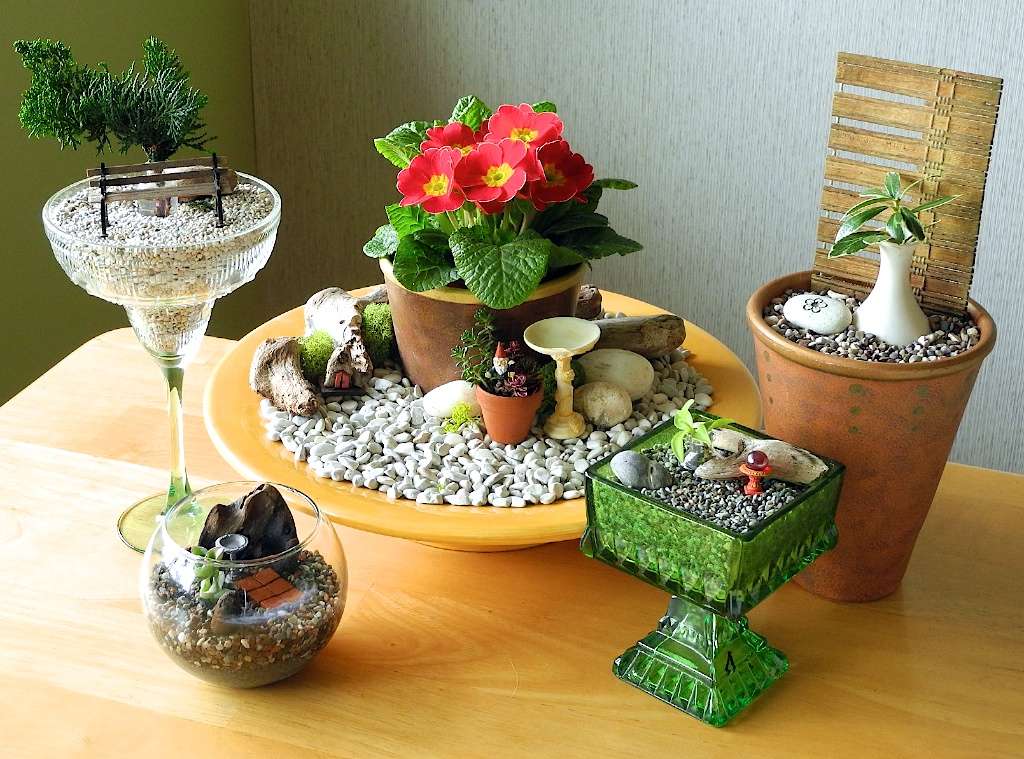
Imagine stepping into your home and being greeted by a lush, green oasis that breathes life into your space. Growing a mini garden indoors is not just a trend; it’s a delightful way to bring nature inside, even if you don’t have a sprawling backyard.
You might think it’s a daunting task, but the truth is, it’s simpler than you imagine. With the right tips and tricks, you can transform any corner of your home into a thriving garden. Whether you’re a seasoned plant enthusiast or a curious beginner, this guide will show you how to cultivate your very own mini garden indoors.
Get ready to discover the secrets to creating a vibrant, refreshing sanctuary that will not only beautify your home but also soothe your soul. Keep reading, because the path to your indoor paradise is just a few steps away!
Choosing The Right Plants
Creating a mini garden indoors brings nature closer to home. The first step to success is choosing the right plants. Select those that thrive in indoor conditions. Consider your space, light, and care requirements. This ensures your garden flourishes with minimal effort.
Best Indoor Plants For Beginners
Starting a mini garden is exciting, especially for beginners. Choose plants that are easy to grow. Some great options include:
- Spider plant: It adapts well to different light conditions.
- Peace lily: Known for its air-purifying qualities.
- Pothos: Requires minimal care and grows in various environments.
These plants are forgiving. They tolerate mistakes, helping new gardeners gain confidence.
Space-saving Plant Options
Limited space doesn’t mean you can’t have a garden. Opt for compact plants that fit snugly into small areas. Consider:
- Succulents: They come in various shapes and sizes.
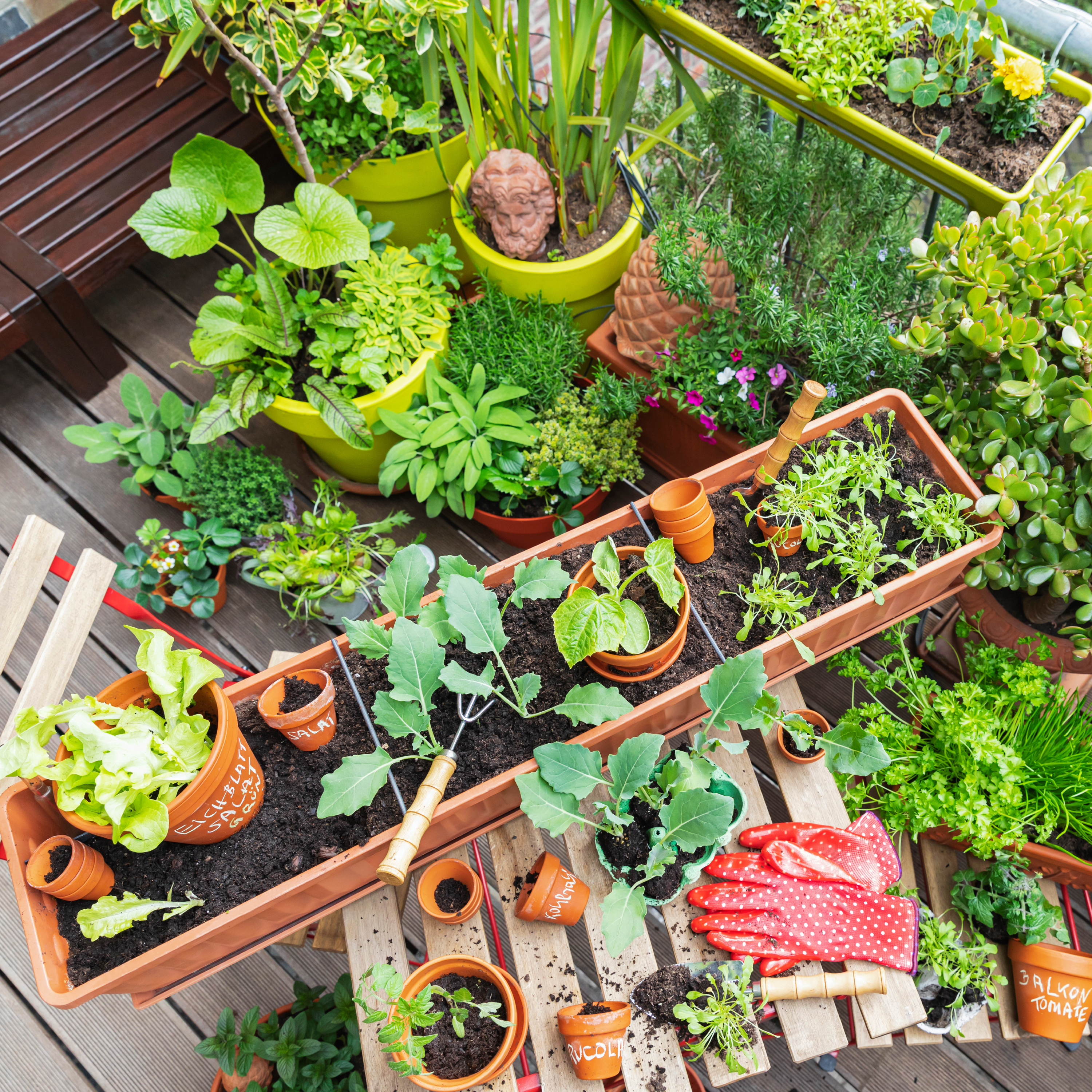
- Herbs like basil and mint: These can be grown in small pots.
- Ferns: Perfect for hanging pots or shelves.
These choices allow you to enjoy greenery without sacrificing space.
Low-maintenance Varieties
Busy lifestyles call for plants that need less attention. Low-maintenance varieties are ideal for indoor gardens. Some popular choices include:
- ZZ plant: It thrives in low light and requires little watering.
- Snake plant: Known for its resilience and air-purifying benefits.
- Cacti: Require minimal water and care.
These plants flourish with little intervention, making them perfect for beginners.
Credit: www.gardeningknowhow.com
Selecting Containers
Choose containers with good drainage to prevent waterlogging. Consider size based on plant type and available space. Opt for lightweight materials like plastic or ceramic to ease movement and handling indoors.
Creating a thriving mini garden indoors begins with selecting the perfect containers. The right containers not only ensure the healthy growth of your plants but also add an aesthetic touch to your living space. Whether you’re a seasoned green thumb or a beginner, understanding the various options and considerations can make a significant difference. Let’s dive into some practical insights on choosing the best containers for your indoor garden.Types Of Pots And Planters
There is a diverse array of pots and planters available to suit your needs. Traditional clay pots are popular for their breathability, allowing air and moisture to move through the walls, promoting healthy root systems. On the other hand, plastic pots are lightweight and retain moisture longer, making them ideal for plants that require consistent watering. Hanging planters can be a great choice if you’re short on space, providing a vertical gardening solution.Size And Material Considerations
Choosing the right size is crucial. A pot that is too small may constrict root growth, while one that is too large can retain excess moisture, leading to root rot. Consider the mature size of the plant when selecting your container. Materials also play a vital role. Ceramic pots are beautiful and durable but can be heavy. Metal containers offer a modern look but may heat up quickly, affecting the soil temperature.Diy Container Ideas
Feeling creative? DIY containers can add a personal touch to your indoor garden. Repurpose items like old teacups, mason jars, or even wooden boxes as unique planters. Ensure they have adequate drainage by adding small holes at the bottom. Upcycling not only saves money but also gives you the freedom to customize the look of your mini garden. Have you ever thought about using a colander as a hanging planter? Its built-in drainage makes it perfect for the job. The art of selecting containers is as much about style as it is about function. What unique container ideas have you tried in your indoor garden?Optimizing Light Conditions
Ensuring proper light conditions helps indoor mini gardens thrive. Place plants near windows for natural sunlight. Use grow lights during shorter days or in rooms with limited natural light.
Creating a thriving mini garden indoors can be a rewarding experience, but it all begins with optimizing light conditions for your plants. Light is a critical component of photosynthesis, and without it, your plants won’t reach their full potential. By understanding the intricacies of light requirements and positioning, you can create a lush, green oasis right in your living room. Whether you’re a seasoned gardener or just starting, these insights will help you grow healthier plants.Natural Light Requirements
Most indoor plants thrive with bright, indirect sunlight. Assess the natural light in your home by observing how the sun moves across your space throughout the day. South-facing windows typically offer the most light, making them ideal for plants like succulents and herbs. If your home lacks natural light, consider placing mirrors to reflect sunlight onto your plants. Even small changes can make a big difference in light exposure. Remember, not all plants require the same amount of light—shade-loving plants like ferns can thrive with less.Using Grow Lights Effectively
When natural light is insufficient, grow lights become your best friend. Choose LED or fluorescent lights as they are energy-efficient and provide a full spectrum of light. Position the lights about 6-12 inches above your plants. Set a timer for your grow lights to mimic the natural day-night cycle. Aim for about 12-16 hours of light per day for most plants. This ensures they get enough energy for growth without overheating.Positioning Plants For Optimal Growth
The placement of your plants can significantly impact their growth. Rotate your plants regularly to ensure even light distribution and prevent them from leaning towards the light source. Consider the height and spread of your plants when positioning them. Taller plants should be at the back or sides of the light source to avoid shading shorter plants. Create tiers using shelves or plant stands to maximize space and light access. By optimizing the light conditions in your indoor garden, you’re setting the stage for a flourishing green space. Which plant will you nurture first?
Credit: www.youtube.com
Maintaining Proper Watering
Proper watering is crucial for thriving indoor mini gardens. Ensure soil stays moist but not soggy. Overwatering can harm plant roots.
Maintaining Proper Watering Growing a mini garden indoors can be a delightful journey, but success largely hinges on how well you manage watering. Too much or too little can quickly spell disaster for your plants. Understanding the delicate balance of hydration is essential for lush, thriving greenery.Watering Techniques
Watering your indoor garden isn’t a one-size-fits-all task. Different plants have different needs. Consider the type of plant and its natural habitat. Succulents, for instance, require less frequent watering compared to tropical plants. Experiment with watering schedules to find what works best. Observe how the soil dries out. Use a moisture meter or simply stick your finger into the soil—if it feels dry an inch below the surface, it’s time to water.Signs Of Overwatering And Underwatering
Recognizing the signs of overwatering and underwatering can save your plants. Yellowing leaves and soggy soil often indicate overwatering. On the other hand, crispy leaves and dry soil suggest underwatering. Pay attention to your plants’ leaves and soil texture. Notice any drooping? It could be a cry for help. Adjust your watering practices accordingly to maintain a healthy indoor garden.Using Self-watering Systems
Self-watering systems can be a game-changer for busy plant lovers. These systems provide a consistent water supply, reducing the risk of over or underwatering. They are particularly useful if you travel frequently or have a hectic schedule. Consider investing in self-watering pots or wicking systems. They are easy to use and can significantly reduce the time spent on plant care. Do you have a favorite self-watering system, or are you ready to try one out? Your plants might thank you!Ensuring Adequate Humidity
Maintaining proper humidity is essential for indoor mini gardens. Use a humidifier or mist plants regularly to keep them healthy.
Creating a mini garden indoors is an exciting journey that brings a touch of nature into your home. However, one of the critical aspects to consider is ensuring adequate humidity. Indoor environments often have lower humidity levels, which can affect the health of your plants. Striking the right balance in humidity is crucial for the growth and well-being of your indoor garden. Let’s dive into how you can achieve this.Humidity Levels For Indoor Plants
Different plants have varying humidity needs. Most indoor plants thrive at humidity levels between 40% and 60%. If you’ve ever noticed your plant’s leaves turning brown or crispy, it might be a cry for more humidity. Research the specific needs of your plants to ensure you’re meeting their ideal conditions.Methods To Increase Humidity
There are several easy and affordable ways to raise humidity levels for your indoor garden:- Grouping Plants Together: Plants naturally release moisture, so clustering them can create a microclimate of higher humidity.
- Using a Humidifier: This is perhaps the most efficient way to maintain consistent humidity, especially during dry seasons.
- Placing a Tray of Water Nearby: Fill a shallow tray with water and pebbles, and place it near your plants. As the water evaporates, it adds moisture to the air.
Monitoring Indoor Humidity
Keeping an eye on your indoor garden’s humidity ensures it stays at optimal levels. Use a hygrometer—a simple device that measures moisture in the air. This tool helps you know when to take action to adjust humidity levels. Regularly checking your plants’ condition is also vital. Are the leaves curling or showing signs of distress? These could be signals that the humidity needs tweaking. By understanding and controlling humidity, you can cultivate a thriving indoor garden that not only looks good but also feels good. Are you ready to transform your indoor garden into a lush oasis?
Credit: goebbertspumpkinfarm.com
Nutrient Management
Indoor mini gardens thrive with proper nutrient management. Select the right soil mix and provide balanced fertilizers. Regular watering ensures plants receive essential nutrients for healthy growth.
Growing a mini garden indoors can be a rewarding and therapeutic experience, but managing nutrients effectively is crucial for healthy plant growth. Nutrient management involves providing your plants with the essential elements they need to thrive. This includes selecting the right fertilizer, establishing a feeding schedule, and recognizing signs of nutrient deficiencies. Let’s dive into how you can master these key aspects to ensure your indoor garden flourishes.Choosing The Right Fertilizer
Selecting the correct fertilizer is essential for your mini garden’s success. Different plants have varying nutrient needs, so it’s important to choose a fertilizer that matches those requirements. Look for a balanced, water-soluble fertilizer that provides essential nutrients like nitrogen, phosphorus, and potassium. Consider using organic fertilizers if you prefer a more natural approach. Products such as compost or worm castings can enrich the soil and provide a steady supply of nutrients. Check the labels for N-P-K ratios to ensure the fertilizer suits the specific plants you are growing.Feeding Schedule
Establishing a feeding schedule is vital to prevent over- or under-fertilizing your plants. Most indoor plants benefit from fertilization every two to four weeks, depending on their growth stage and type. Create a calendar reminder to help maintain consistency in your feeding routine. During the growing season, increase the frequency slightly, and reduce it during the dormant months. Observe how your plants respond and adjust the schedule as needed.Signs Of Nutrient Deficiency
Recognizing signs of nutrient deficiency early can save your plants from irreversible damage. Common symptoms include yellowing leaves, stunted growth, or poor flowering. These signs indicate that your plants might need more nutrients or a different balance. Keep a close eye on new growth, as deficiencies often show up there first. If you notice any issues, adjust your feeding routine or try a different fertilizer. What steps will you take to ensure your plants receive the nutrients they need?Pest Control Strategies
Growing a mini garden indoors is a rewarding experience. Yet, pests can be a common challenge for indoor gardeners. Understanding pest control strategies is key to maintaining healthy plants. Let’s dive into common pests, natural control methods, and preventive measures.
Common Indoor Plant Pests
Indoor plants often attract certain pests. Common ones include aphids, spider mites, and fungus gnats. Aphids are tiny insects that suck sap from plants. Spider mites are tiny and can cause leaves to yellow. Fungus gnats are small flies that hover near soil. Identifying these pests early can save your garden.
Natural Pest Control Methods
Natural methods work well for indoor gardens. Neem oil is a popular choice. It is safe and effective against many pests. You can also use insecticidal soap. Spray it on leaves to target bugs directly. Another option is diatomaceous earth. Sprinkle it on soil to deter crawling insects.
Preventive Measures
Prevention is better than cure. Keep your mini garden clean and tidy. Remove dead leaves and debris regularly. Ensure good air circulation around plants. Avoid overwatering your plants. Excess moisture attracts pests. Quarantine new plants before adding them to your garden. This helps prevent introducing new pests.
Arranging Your Mini Garden
Create an indoor mini garden by choosing the right spot with enough sunlight. Use small pots and good-quality soil for planting herbs or small plants. Regular watering and occasional fertilizing keep your mini garden thriving and fresh.
Arranging your mini garden indoors can transform your space. It adds beauty and tranquility. A well-thought-out arrangement maximizes the benefits of your garden. It ensures your plants thrive and enhances your decor. Consider the layout, decorative elements, and vertical space. These aspects help create an inviting indoor garden.Creating A Harmonious Layout
Plan your garden layout for balance and harmony. Group plants by size and type. Tall plants at the back, smaller ones in front. This setup allows each plant to get enough light. Use shelves or tables to elevate some plants. It creates layers and depth.Decorative Elements For Indoor Gardens
Decorations add charm to your mini garden. Choose pots in different colors and shapes. They bring variety and interest. Add small statues or figurines. Use colorful stones or gravel to cover the soil. It keeps the garden neat and attractive. Consider a small water feature or fountain. It adds movement and sound.Incorporating Vertical Space
Use vertical space to expand your garden. Hang planters from the ceiling or walls. Install shelves to hold multiple pots. This technique saves floor space. It also adds height to your garden display. Use trailing plants for a cascading effect. They soften the look and create a lush appearance. Vertical gardens can also serve as living art.Frequently Asked Questions
What Are The Best Plants For Indoor Gardens?
The best plants for indoor gardens include herbs like basil, mint, and thyme. Succulents such as aloe vera and jade are also ideal. Ferns and peace lilies thrive indoors, providing greenery and purifying the air. Choose plants that suit your light conditions and maintenance preferences for optimal growth.
How Do I Maintain Indoor Garden Humidity?
Maintaining humidity involves regular misting and using pebble trays. Grouping plants together can also boost humidity levels. Consider using a humidifier, especially in dry climates. Monitor humidity levels with a hygrometer to ensure your plants thrive, as most indoor plants prefer 40-60% humidity.
Can Indoor Gardens Improve Air Quality?
Yes, indoor gardens can improve air quality by absorbing pollutants and releasing oxygen. Plants like snake plants, spider plants, and pothos are known for air purification. They remove toxins such as formaldehyde and benzene, enhancing indoor air quality and promoting a healthier living environment.
How Much Light Do Indoor Plants Need?
Most indoor plants require indirect sunlight for 6-8 hours daily. Some, like succulents, need more direct sunlight. If natural light is scarce, use LED grow lights to provide adequate illumination. Monitor your plants for signs of light deficiency, such as leggy growth or pale leaves.
Conclusion
Creating a mini garden indoors is truly rewarding. Small plants can transform your space. They bring life and beauty inside your home. With the right care, plants thrive indoors. Use good soil and adequate sunlight. Water them regularly, but don’t overdo it.
Choose plants that suit your space and lifestyle. Herbs, succulents, or ferns work well. Enjoy the process of nurturing them. It’s a peaceful hobby that offers joy. Plus, it improves air quality. Start small and expand as you grow confident.
Your indoor garden will flourish with love and patience. Happy gardening!







