Imagine stepping outside to your balcony or patio, greeted by the fresh scent of basil, mint, and rosemary. Growing a herb garden in a planter box is not only simple but incredibly rewarding.
It brings nature right to your doorstep, providing fresh ingredients for your meals and a touch of greenery to your space. You might think you need a large garden to cultivate herbs, but a planter box is perfect for any living situation, whether you’re in a cozy apartment or a spacious home.
This guide will show you how easy it is to start your own herb garden, offering tips and tricks to ensure your plants thrive. You’ll discover the joy of nurturing your herbs and the satisfaction of using them in your cooking. By the end, you’ll wonder why you didn’t start sooner. Ready to transform your living area into a lush, aromatic escape? Let’s dive into the essentials of growing a flourishing herb garden right in your planter box.
Choosing The Right Planter Box
Creating a thriving herb garden begins with selecting the right planter box. It’s not just about aesthetics; it’s about ensuring your herbs have the right environment to flourish. Whether you’re a seasoned gardener or just starting out, choosing the right planter box can make a significant difference in your gardening success.
Material Considerations
The material of your planter box can affect the health of your herbs. Wooden boxesare popular for their rustic charm and excellent drainage capabilities. However, they may require occasional treatment to prevent rot. Ceramic potsoffer a stylish appearance and retain moisture well, but can be quite heavy, especially when filled with soil. Plastic containersare lightweight and affordable, making them a practical choice for beginners, but be mindful of their potential to overheat in direct sunlight. Consider what works best for your climate and space.
Size And Shape Options
The size and shape of your planter box will dictate how many herbs you can grow and how well they will thrive. Smaller boxes are perfect for growing a single type of herb, while larger, rectangular planters offer the flexibility to cultivate a variety. Consider depthas well; herbs like rosemary need deeper soil compared to basil. Think about how much space you have and how often you want to harvest. Are you planning to expand your garden over time? It might be worth investing in a larger box now to accommodate future growth.
Choosing the right planter box involves more than just picking a pretty container. It’s about understanding the needs of your herbs and planning for growth. Which material and size align with your vision for a thriving herb garden?
Credit: www.thesagejournal.com
Selecting Herbs For Your Garden
Growing a herb garden in a planter box offers convenience and variety. Choose herbs like basil, mint, and parsley for their easy growth. Ensure good drainage and sunlight for healthy plants.
Selecting herbs for your garden is an exciting part of growing a herb garden in a planter box. Understanding which herbs to choose can help ensure a successful and flavorful harvest. Each herb brings its unique aroma and taste, enhancing your culinary adventures.Best Herbs For Beginners
Starting with easy-to-grow herbs can make the gardening experience enjoyable. Basil is popular due to its versatility in cooking. It thrives in warm weather and is perfect for beginners. Mint is another easy herb, known for its refreshing flavor. It grows quickly and can be used in drinks and dishes. Parsley is a great choice for salads and garnishes. It grows well and adds a fresh touch to meals. Chives are hardy and require minimal maintenance. Their mild onion flavor is excellent for soups and salads. These herbs are forgiving and can thrive with basic care.Companion Planting Benefits
Companion planting enhances the growth and flavor of herbs. Some herbs benefit from being planted together. Basil and tomatoes grow well side by side. Basil repels pests that might harm tomatoes, promoting a healthier garden. Mint and rosemary make a good pair. Rosemary helps deter insects that can affect mint. This pairing ensures a thriving planter box. Parsley and chives complement each other. They share similar light and water needs, making them ideal companions. Herbs like marigold can boost the health of nearby plants. They repel harmful insects, keeping your garden safe. Companion planting not only improves growth but also enhances the taste of your herbs. This method helps create a harmonious and productive herb garden.Preparing The Soil
Preparing the Soil Ensure the soil is rich in nutrients and drains well. Mix compost or organic matter into the soil to enhance its quality. This helps herbs grow strong and healthy in a planter box.
Preparing the soil is crucial for a thriving herb garden in a planter box. Quality soil supports healthy roots and ensures herbs get the nutrients they need. Begin with a well-prepared soil mix to set the foundation for growth.Soil Mix Essentials
Choose a well-draining soil mix for your planter box. Use a combination of peat moss, vermiculite, and perlite. This mix ensures the soil is light and airy. Peat moss retains moisture, while perlite and vermiculite provide drainage. Avoid heavy garden soil. It can compact easily and suffocate roots.Adding Nutrients
Herbs need nutrients to thrive. Mix in organic compost with your soil. Compost enriches the soil with essential nutrients. It also improves soil structure. Consider adding slow-release fertilizer. This provides a steady nutrient supply. Check the pH level of your soil. Most herbs prefer a slightly acidic soil. Aim for a pH between 6.0 and 7.0. Adjust the soil pH using lime or sulfur if needed.Planting Techniques
Choose a spacious planter box with drainage holes. Fill it with nutrient-rich soil and plant herb seeds or seedlings. Ensure regular watering and sunlight exposure for healthy growth.
Growing a herb garden in a planter box is a rewarding endeavor that adds fresh flavors to your kitchen and a touch of green to your space. The key to a successful herb garden lies in the planting techniques you use. Whether you’re a seasoned gardener or a beginner, mastering these techniques ensures that your herbs thrive and provide a bountiful harvest. Let’s dive into some essential tips for planting your herbs effectively.Spacing And Depth
Proper spacing and depth are crucial for healthy herb growth. Herbs need room to spread their roots and access nutrients. When planting, make sure to leave enough space between each plant. For example, basil and parsley require about 6 to 12 inches between them. Planting too shallow or too deep can stunt growth. Generally, the planting depth should match the size of the root ball or seedling. If you’re planting seeds, follow the instructions on the seed packet for the correct depth. Crowding your herbs can lead to diseases and stunted growth. Consider your planter box size when deciding how many herbs to plant.Transplanting Seedlings
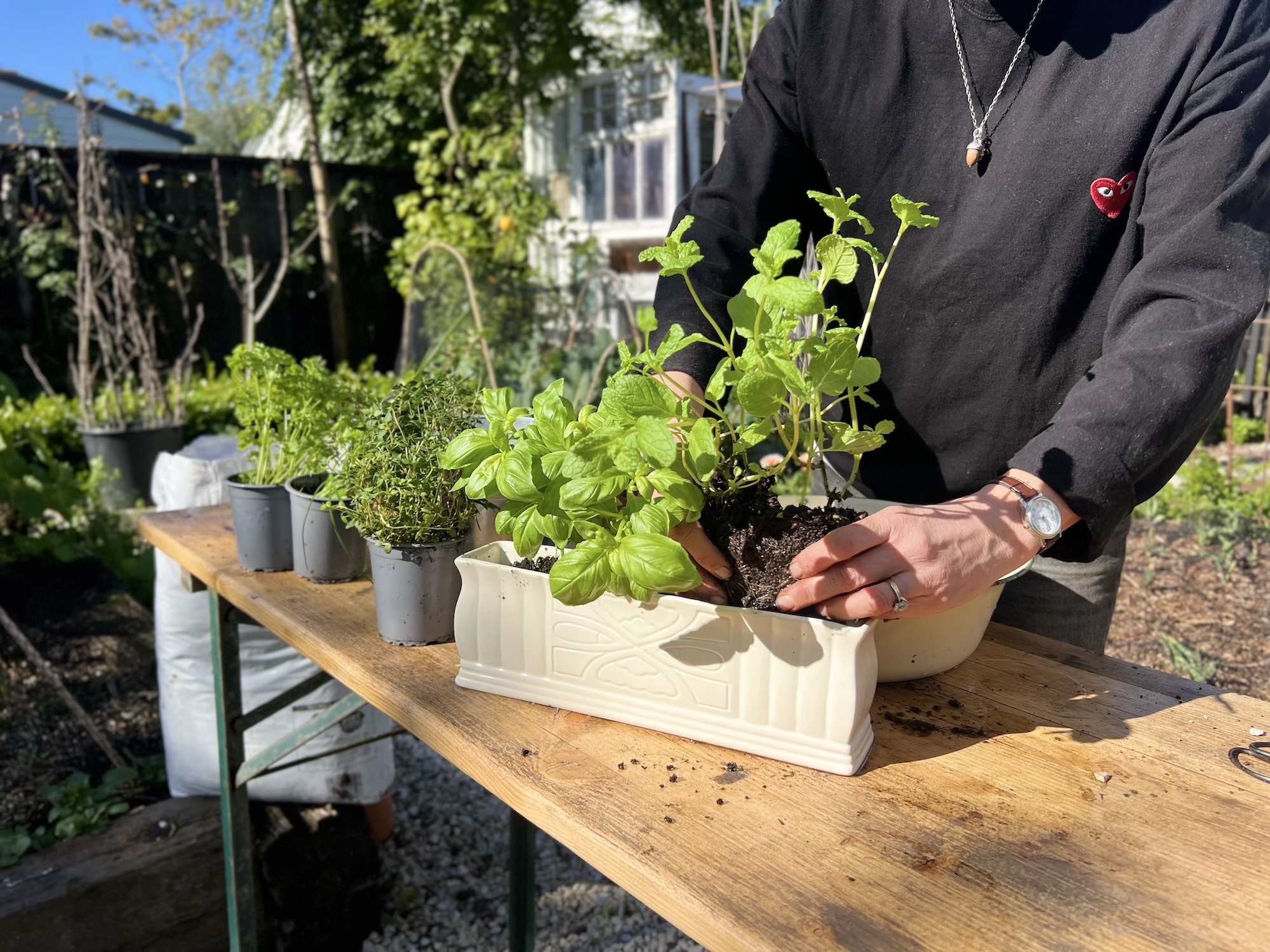
Transplanting seedlings into a planter box requires care. Start by gently removing the seedling from its original container, ensuring you don’t damage the roots. If the roots are tightly packed, gently loosen them with your fingers. This encourages the plant to spread out and establish itself in its new home. Plant the seedling at the same depth it was growing previously. Water the plant thoroughly after transplanting to help it settle and reduce transplant shock. Have you tried moving your herbs around to find the best sun exposure? Sometimes, a simple change can make a big difference in growth. Keep an eye on your herbs, and adjust their position if needed. Growing herbs in a planter box is not just about the end result; it’s about enjoying the process and learning from it. Happy gardening!Watering And Maintenance
Ensure the planter box has good drainage to avoid waterlogged herbs. Regular watering keeps soil moist but not saturated. Prune herbs often to encourage growth and remove dead leaves.
Watering and maintaining your herb garden in a planter box is crucial for ensuring your plants thrive. Proper care not only enhances the flavor and aroma of your herbs but also keeps them healthy and productive. Whether you’re a novice gardener or a seasoned pro, understanding the nuances of watering and maintenance can make all the difference in your herb garden’s success.Optimal Watering Schedule
Watering is a balancing act. Too much water can drown your herbs, while too little can leave them parched. It’s essential to understand the specific needs of each type of herb. For instance, rosemary prefers drier soil, while basil thrives with consistent moisture. A simple way to check if your herbs need water is to stick your finger into the soil up to an inch deep. If it feels dry, it’s time to water. Consider watering your herbs early in the morning or late afternoon. This timing allows the plants to absorb moisture before the sun is too intense, reducing evaporation.Pruning And Harvesting Tips
Regular pruning encourages your herbs to grow bushier and prevents them from becoming leggy. Snip off the top leaves to encourage more robust growth. Remember to use clean scissors or shears to avoid spreading diseases. Harvesting your herbs is not just about picking leaves; it’s about timing. For the best flavor, pick herbs like basil and mint just before they flower. This ensures you get the most aromatic and flavorful leaves. Engage with your herb garden by observing how each plant responds to your care. Do you notice more vibrant leaves after pruning? Are your herbs flourishing with your watering schedule? Paying attention to these details can turn you into a more mindful gardener.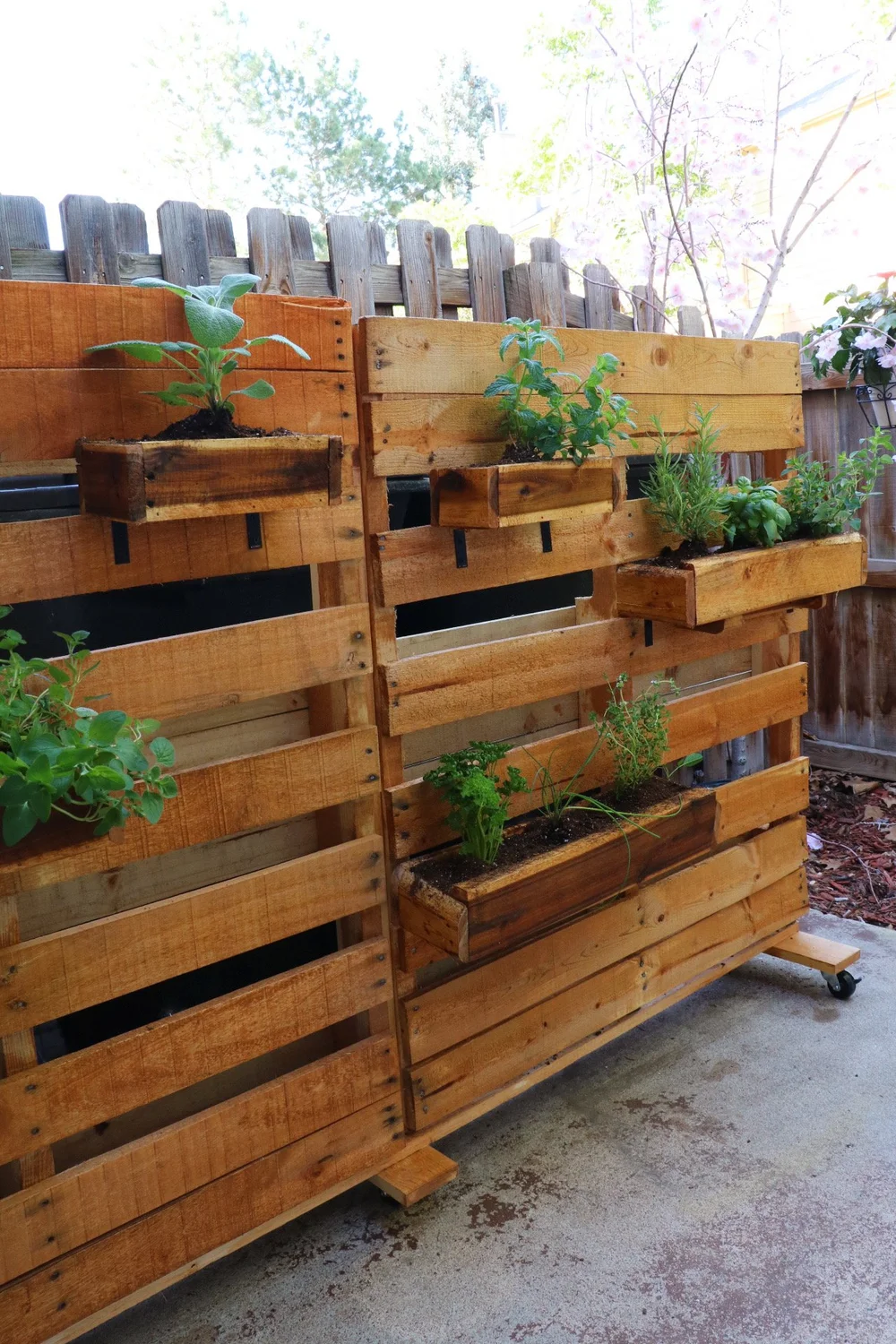
Credit: diydarlingblog.com
Dealing With Pests
Protect your herb garden by keeping pests at bay. Use natural repellents like garlic spray or neem oil. Regularly inspect plants for signs of pests and remove affected leaves immediately.
Growing a herb garden in a planter box is rewarding. Yet, pests can disrupt your efforts. Herbs attract unwanted visitors like aphids, slugs, and caterpillars. These pests can harm your plants and reduce your harvest. Knowing how to manage them is vital for a thriving garden. Let’s explore effective strategies for dealing with pests.Natural Pest Control Methods
Consider using natural solutions to combat pests. They are safe for your herbs and the environment. Here are some options:- Introduce beneficial insects like ladybugs. They eat aphids and other small pests.
- Sprinkle diatomaceous earth around plants. It deters slugs and snails.
- Use neem oil spray. It disrupts pest life cycles without harming your plants.
- Plant garlic or marigolds. Their strong scents repel many insects.
Preventative Measures
Preventing pests is better than fighting them. Keep your herb garden healthy to ward off pests. Follow these steps:- Maintain good drainage in your planter box. Excess moisture invites pests.
- Rotate your herbs. Change their positions every season to confuse pests.
- Remove dead leaves and debris. Pests often hide in them.
- Inspect plants regularly. Early detection helps control infestations.
Ensuring Proper Sunlight
Placing your planter box in a sunny spot is crucial for herb growth. Herbs need sunlight for at least 6 hours daily. This ensures healthy, flavorful herbs for your kitchen.
Ensuring Proper Sunlight Growing a herb garden in a planter box can be a rewarding experience, especially when you ensure your herbs receive the right amount of sunlight. Proper sunlight is crucial for the growth and health of your herbs. Without it, your herbs may struggle to thrive or even survive. Let’s explore how you can ensure your herb garden gets the sunlight it needs.Positioning Your Planter Box
Where you place your planter box can make all the difference. Ideally, choose a spot that receives sunlight for most of the day. South-facing locations are often the best as they capture sunlight throughout the day. If space is limited, consider a windowsill or balcony that gets direct sun. Rotate your planter box regularly to ensure all plants get equal exposure to light. Think about shadows from nearby buildings or trees. Are they blocking sunlight during certain times? Adjust accordingly to keep your herbs happy.Light Requirements For Herbs
Different herbs have varying light needs. For instance, basil and rosemary thrive in full sun, needing around six to eight hours daily. Meanwhile, mint and parsley can tolerate partial shade, doing well with about four to six hours. Create a table to easily track the light requirements of your chosen herbs:| Herb | Light Requirement |
|---|---|
| Basil | Full Sun (6-8 hours) |
| Mint | Partial Shade (4-6 hours) |
| Rosemary | Full Sun (6-8 hours) |
| Parsley | Partial Shade (4-6 hours) |
Seasonal Care And Adjustments
Seasonal care and adjustments are crucial for a thriving herb garden. Each season brings unique challenges and opportunities. Adapting your care routine ensures your herbs flourish year-round. Let’s explore some strategies to maintain a healthy herb garden in every season.
Adapting To Weather Changes
Weather changes affect your herb garden significantly. In spring, herbs need more sunlight and water. As summer arrives, increase watering to prevent wilting. During autumn, reduce watering and prepare for cooler temperatures. Winter requires special care. Move planter boxes to sheltered areas. Use frost covers to protect delicate herbs.
Indoor Herb Garden Strategies
Indoor herb gardens offer a controlled environment. Choose a sunny spot with ample light. Use grow lights if natural light is insufficient. Ensure proper ventilation to prevent mold. Regularly check humidity levels. Herbs need consistent moisture, but avoid overwatering. Rotate the planter box for even growth.

Credit: savvygardening.com
Frequently Asked Questions
What Herbs Can Be Grown In Planter Boxes?
Many herbs thrive in planter boxes, including basil, rosemary, thyme, parsley, and mint. These herbs are compact and easy to manage. They require minimal space and can be harvested regularly. Ensure your planter box has good drainage and receives adequate sunlight for optimal growth.
How Often Should I Water My Herb Garden?
Herbs in planter boxes generally need watering every few days. The frequency depends on the climate and season. Check the soil moisture before watering; it should be slightly dry to touch. Overwatering can lead to root rot, while underwatering can dry out the plants.
Do Herbs Need Sunlight To Grow Well?
Yes, most herbs require at least six hours of sunlight daily. Sunlight helps herbs photosynthesize, promoting healthy growth and flavor development. If you have limited sunlight, consider growing shade-tolerant herbs like mint and parsley. Using grow lights indoors can also supplement natural light.
Can I Grow Herbs Indoors In A Planter Box?
Absolutely, herbs can thrive indoors with proper care. Ensure they receive sufficient light, either from windows or grow lights. Maintain moderate humidity and temperature levels. Indoor herb gardens are convenient for fresh garnishes and cooking. Regular trimming encourages bushy growth and prevents legginess.
Conclusion
Growing a herb garden in a planter box is rewarding. It’s simple and practical for any space. Enjoy fresh herbs right at home. Choose the right planter for your herbs. Ensure proper drainage and sunlight. Water them regularly but don’t overdo it.
Watch them thrive with care and attention. Cooking becomes fun with fresh herbs. Plus, they add a lovely green touch to your space. Start small and watch your garden grow. Anyone can do it with a little effort. Enjoy the benefits of a home-grown herb garden.
Happy gardening!