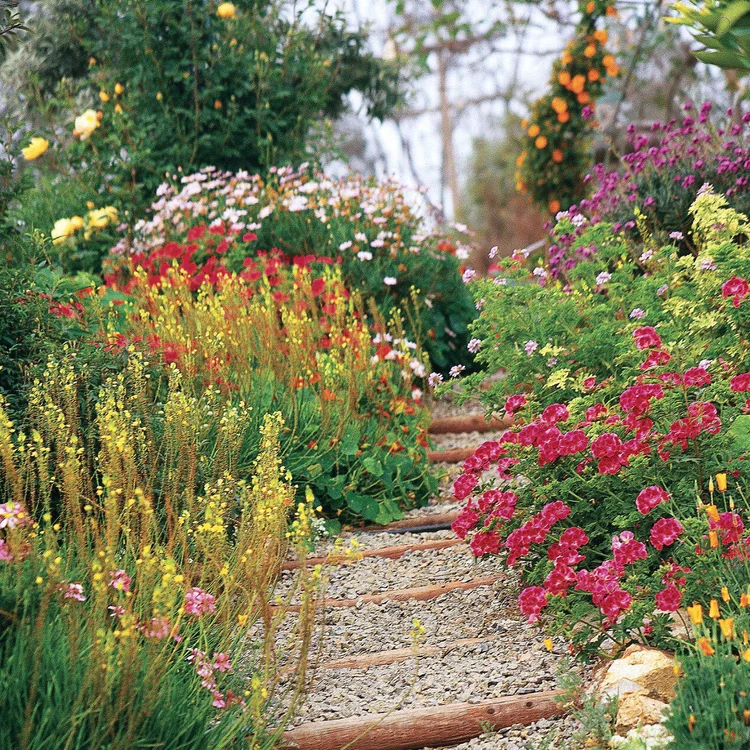
Imagine stepping into your garden, where colors, textures, and scents blend seamlessly to create a stunning masterpiece. That’s the magic of grouping perennials in garden design.
You have the power to transform your outdoor space into a captivating oasis, simply by choosing the right combinations of these hardy plants. But how do you achieve this harmonious balance? It’s easier than you think. We’ll unveil the secrets to grouping perennials effectively, ensuring your garden not only looks beautiful but also thrives year-round.
With a few simple tips, you can maximize the visual impact of your garden and enhance its natural charm. Are you ready to discover how your garden can become the envy of the neighborhood? Keep reading to unlock the potential of your green space.

Credit: www.facebook.com
Benefits Of Grouping Perennials
Grouping perennials enhances garden design by creating harmony and boosting visual appeal. It also simplifies maintenance and helps plants thrive together.
Grouping perennials in your garden can transform your outdoor space into a captivating and harmonious retreat. The strategic arrangement of these plants offers numerous advantages, not just for the aesthetic appeal but also for the health and sustainability of your garden. Whether you are a seasoned gardener or a novice, understanding these benefits can enhance your gardening experience.Enhanced Visual Appeal
When you group perennials, you create visual interest by playing with color, texture, and height. Picture a cluster of bright daisies next to tall, elegant foxgloves. This contrast draws the eye and creates a dynamic focal point. Grouping plants with complementary colors or textures can make a stunning visual impact. Think about how a mix of purple lavender and yellow coneflowers can brighten up your garden.Improved Plant Health
By grouping perennials with similar needs, you promote healthier growth. Plants thrive when they share the same soil, sunlight, and water conditions. This reduces the stress on plants, minimizing disease risk and encouraging robust growth. Consider grouping shade-loving perennials together in a cool corner of your garden. This ensures each plant receives the optimal environment for its needs.Efficient Maintenance
Grouping perennials can make garden maintenance much easier. With similar plants together, watering, pruning, and feeding become streamlined tasks. This not only saves time but also reduces the effort required to keep your garden looking pristine. Imagine walking through your garden, easily tending to each plant without the hassle of cross-checking different care requirements. This efficiency allows you more time to enjoy your garden.Environmental Benefits
When perennials are grouped, they create a micro-ecosystem that supports local wildlife. Birds, bees, and butterflies are drawn to clusters of flowering perennials, boosting biodiversity in your garden. Imagine the joy of spotting a hummingbird sipping nectar from grouped trumpet flowers. This interaction enhances the natural beauty and ecological balance of your garden. As you ponder your garden design, consider how grouping perennials can benefit both your plants and the environment. How might this approach change the way you experience your garden?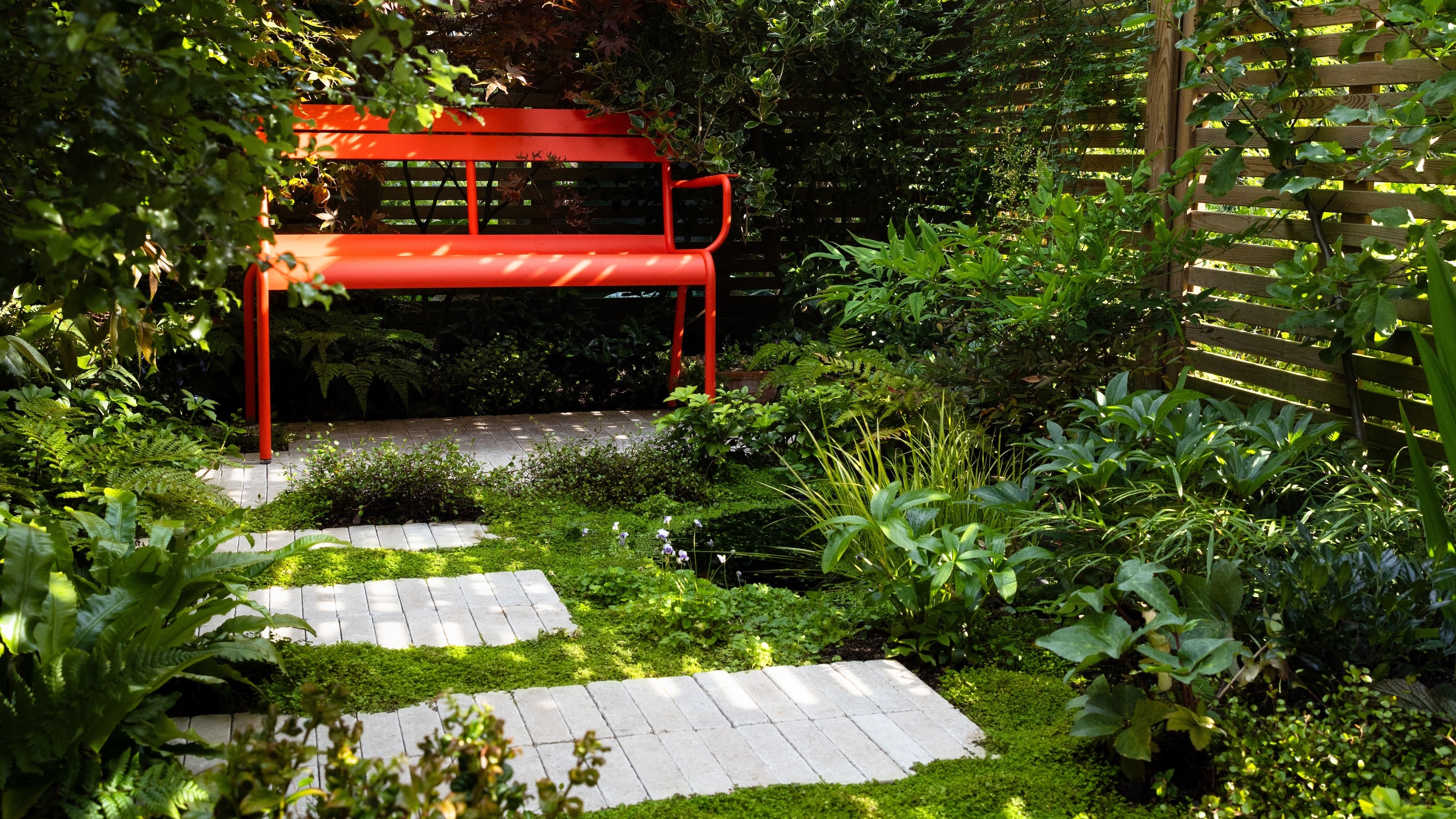
Credit: www.livingetc.com
Choosing The Right Perennials
Grouping perennials by color, height, and bloom time creates stunning garden designs. Mix tall and short plants for depth. Pair complementary colors for visual harmony.
Choosing the right perennials can transform your garden into a vibrant, enduring masterpiece. The secret lies in understanding the unique needs of each plant and matching them with your garden’s conditions. By focusing on climate, soil, and sunlight, you can ensure your perennials thrive, offering beauty year after year.Climate Considerations
Every plant has a preferred climate. Some perennials flourish in cooler regions, while others bask in the heat. Check the hardiness zone of your area to determine which perennials are best suited for your garden. Think of plants like lavender or rosemary for warmer climates. For cooler areas, consider hostas or astilbes. Understanding your climate is the first step in successful perennial grouping.Soil Preferences
Soil can make or break your garden design. Different perennials have varying soil needs—some prefer sandy soils, while others thrive in clay or loamy textures. Test your soil to see what you’re working with. Amend it as needed to fit the plants’ preferences. By matching soil types with the right perennials, you can ensure robust growth and fewer frustrations.Sunlight Requirements
Sunlight is a crucial factor in garden design. Perennials have specific sunlight needs, ranging from full sun to partial shade or full shade. Plant sun-loving perennials like coneflowers or daylilies in areas with abundant sunlight. Shade-loving varieties such as ferns and hostas work well under trees or in shaded corners. Observing your garden’s sun patterns will help you position your plants perfectly. Choosing the right perennials involves more than just picking pretty flowers. It’s about creating an environment where they can thrive. By considering climate, soil, and sunlight, you can craft a garden that not only looks stunning but also flourishes with minimal effort. What perennials will you choose for your garden oasis?Creating Visual Harmony
Creating visual harmony in garden design involves grouping perennials thoughtfully. Focus on complementary colors and textures to enhance appeal. Consider plant height and blooming seasons for balance and continuity.
Creating a garden that flows seamlessly is like painting a masterpiece where each stroke adds to the overall beauty. Perennials are the vibrant colors on your canvas, and when grouped wisely, they can create stunning visual harmony. Imagine walking through your garden and feeling a sense of peace and connection. This can be achieved by thoughtfully organizing perennials, focusing on color, texture, and form.Color Coordination
Color is the first thing you notice in a garden. It can evoke emotions and set the mood. When grouping perennials, consider colors that complement each other. Pair warm tones like reds and oranges with cooler shades like blues and purples. You can also focus on a monochromatic scheme for a sophisticated look. Think about the seasons; choose perennials that bloom in succession to keep your garden vibrant all year. If you have ever felt a garden lacked cohesion, it might be the color palette that’s misaligned.Texture And Form
Texture adds depth, making your garden more inviting. When grouping perennials, mix different textures to create contrast. Incorporate plants with smooth leaves alongside those with rough or hairy foliage. Form is equally important. Combine tall, spiky plants with low, bushy ones for a dynamic landscape. Consider how each plant shapes the space around it. Think of your garden as a 3D artwork, where every plant contributes to the overall structure. Have you ever wondered why some gardens feel more balanced than others? It’s often the careful consideration of texture and form. Embrace the diversity of perennials to craft a garden that’s both visually appealing and harmonious.Seasonal Blooms Planning
Seasonal Blooms Planning is a creative approach to designing your garden with perennials that ensures vibrant colors and textures throughout the year. By strategically grouping perennials based on their blooming seasons, you can achieve a garden that transitions seamlessly from one season to the next. This not only enhances the aesthetic appeal but also provides a dynamic environment for you to enjoy. Ever noticed how some gardens seem to change character as the months go by? That’s the magic of seasonal blooms planning.
Spring Highlights
In spring, your garden awakens with a burst of energy. Consider planting tulips, daffodils, and bleeding heartsto bring early vibrancy. These perennials are not just visually appealing; they also signal the end of winter’s monotony. Have you ever felt the thrill of spotting the first bloom in spring? It’s like nature’s promise of warmer days ahead. Grouping these together creates a captivating spring palette that sets a joyful tone.
Summer Blooms
Summer is the time for bold colors and lush growth. Think about adding daylilies, coneflowers, and lavenderto your garden’s summer ensemble. These perennials thrive in the warm sun, offering a spectacular show. How do you feel when you see a garden brimming with vivid hues under the summer sun? It’s an invigorating sight that invites outdoor relaxation and enjoyment. Arranging these blooms together amplifies their impact, making your garden a summer sanctuary.
Autumn Colors
As autumn approaches, it’s all about rich, warm tones. Plant asters, chrysanthemums, and sedumto capture the essence of fall. They provide the perfect contrast to the changing leaves, infusing your garden with a cozy ambiance. Have you ever marveled at how autumn colors can transform a garden into a living tapestry? It’s a visual feast that celebrates the season’s mellow charm. Group these perennials to create a stunning autumn landscape that keeps your garden lively even as temperatures drop.
By planning your garden with seasonal blooms in mind, you’re not just planting flowers; you’re cultivating an ever-changing masterpiece. What combination will you choose to paint your garden’s seasonal story?
Layering Techniques
Layering techniques bring harmony to garden design. These techniques create depth and interest. By grouping perennials effectively, you can enhance your garden’s visual appeal. Each layer serves a unique purpose, offering both aesthetics and function. Let’s explore how to group perennials using layering techniques.
Tall Plants In The Background
Tall plants provide a stunning backdrop for your garden. They create a natural wall, offering privacy and wind protection. Select plants like delphiniums or sunflowers. These plants draw the eye upward, adding drama and height. Ensure they receive enough sunlight for healthy growth.
Medium Plants For Middle Layer
Medium plants bridge the gap between tall and short layers. They add fullness and variety to your garden. Choose plants like daisies or salvias. These plants bring color and texture. Position them where they get partial sunlight. Keep the middle layer balanced for a cohesive look.
Ground Covers For Front
Ground covers complete the garden’s look. They fill in gaps, preventing weeds. Opt for plants like creeping thyme or sedum. These plants require minimal maintenance. Place them at the garden’s edge. Ground covers add a lush, polished finish.
Incorporating Foliage
Incorporating foliage into your garden design adds texture and depth. Foliage offers a variety of colors and shapes. It creates a dynamic visual experience throughout the year. Grouping perennials by their foliage can enhance the garden’s beauty. Consider using different types of leaves to create contrast and interest.
Evergreen Elements
Evergreen plants provide structure and color all year. They maintain their leaves in winter, offering consistent greenery. Use them as background plants for seasonal flowers. Consider varieties like boxwood or holly for a classic look. Their presence ensures the garden never looks bare or dull. Group them together for a lush, full appearance.
Variegated Leaves
Variegated leaves add a splash of color and pattern. They feature multiple colors on a single leaf, such as green and white. These leaves create focal points and draw attention. Use them sparingly to highlight specific areas. Suitable choices include hostas and caladiums. Their unique patterns can brighten shaded garden spots.
Maintenance Strategies
Grouping perennials enhances garden design by creating visual harmony and seasonal interest. Choose plants with similar light and water needs. Arrange them by height, color, and bloom time for a balanced look.
Creating a vibrant perennial garden involves more than just planting flowers. To maintain its allure, it’s crucial to adopt effective maintenance strategies. These strategies ensure your garden remains healthy, visually appealing, and sustainable throughout the seasons.Watering Needs
Understanding the watering needs of your perennials is essential for their health. Different plants have varying moisture requirements. Some thrive in dry conditions, while others need consistently moist soil. Consider grouping perennials with similar watering needs together. This makes it easier to manage irrigation and prevents overwatering or underwatering. You might install a drip irrigation system for precise water delivery. Remember, it’s not just about how much water, but also when to water. Early morning watering helps prevent disease and reduces evaporation.Pruning And Deadheading
Pruning and deadheading are crucial tasks for maintaining plant health and prolonging blooming. Pruning involves cutting back overgrown or damaged branches to promote new growth. Deadheading, on the other hand, is the removal of spent flowers. This encourages perennials to produce more blooms. Imagine the joy of seeing your garden flourish with vibrant flowers throughout the season. Invest in a good pair of pruning shears. They make the task easier and more efficient. Regularly check your plants and remove any dead or diseased parts. Are you noticing a plant struggling despite your best efforts? Sometimes, a plant’s location might need reconsideration. Moving it to a more suitable spot could be the key to its revival. These maintenance strategies not only enhance the beauty of your garden but also empower you as a gardener. By understanding and addressing your perennials’ needs, you create a thriving environment for your garden and yourself.Common Mistakes To Avoid
Designing a perennial garden can be a rewarding experience. Yet, some common mistakes can derail your efforts. Understanding these pitfalls helps create a thriving, beautiful garden. Let’s explore some common mistakes to avoid.
Overcrowding Issues
Overcrowding plants is a frequent mistake in garden design. Plants need space to grow and breathe. When packed too closely, they compete for sunlight, water, and nutrients. This competition can stunt their growth. It might also lead to diseases due to poor air circulation. Proper spacing ensures each plant thrives. Check plant labels for spacing guidelines.
Ignoring Plant Compatibility
Ignoring plant compatibility can lead to disappointing results. Not all perennials get along well together. Some might need full sun, while others prefer shade. Soil and water needs can also differ. Mixing incompatible plants can stress them. Research each plant’s requirements before grouping. Aim for harmony in your garden. This ensures a healthy and visually pleasing design.
Expert Design Tips
Designing a garden filled with perennials can transform your outdoor space into a stunning sanctuary. Grouping perennials effectively requires a keen eye for design and a good understanding of plant characteristics. Let’s dive into some expert design tips to help you create a breathtaking garden that captivates and delights.
Using Focal Points
Focal points are essential in drawing attention and creating interest in your garden. Consider using a striking plant or a unique garden ornament as a focal point. This could be a tall, brightly colored perennial or a beautifully crafted garden statue. Your focal point should stand out but also complement the surrounding plants.
Think about the view from different angles and how the focal point interacts with its environment. Does it catch your eye immediately? If not, try adjusting its position or changing the plant to something more vibrant. Focal points can elevate the entire aesthetic of your garden.
Balancing Symmetry And Asymmetry
Finding the balance between symmetry and asymmetry is key to a visually appealing garden. Symmetrical designs bring order and harmony, while asymmetrical arrangements add excitement and intrigue. Mix and match these elements to create dynamic contrasts.
Consider alternating tall and short perennials to create depth and movement. A symmetrical row of plants can be interrupted by an asymmetrical cluster to break monotony. Ask yourself, does your garden feel too predictable? If so, shake things up with some asymmetrical surprises.
Remember, your garden is a reflection of your personal style. Play around with different groupings until you find what feels right. What unexpected combinations can you try to make your garden uniquely yours?
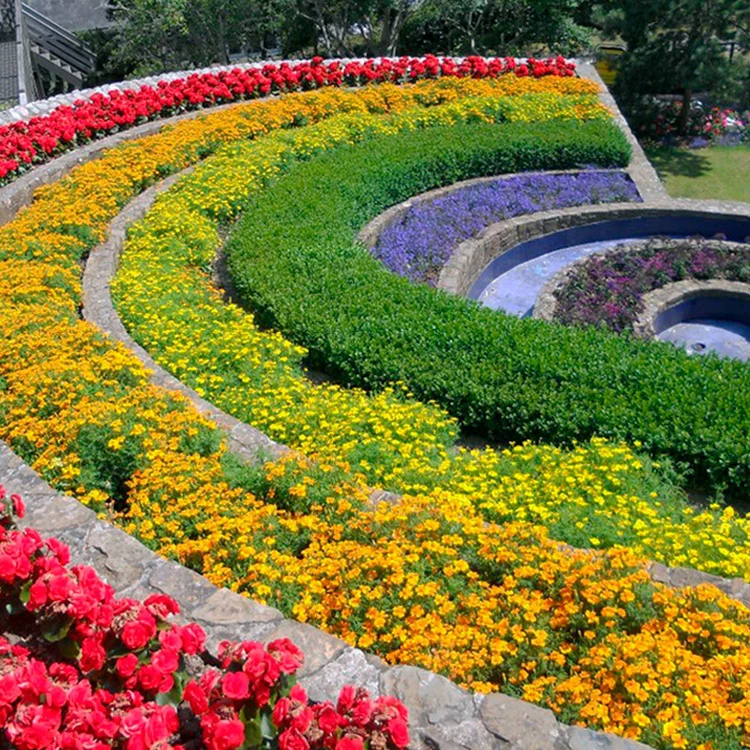
Credit: www.swansonsnursery.com
Frequently Asked Questions
How Do I Choose Perennials For My Garden?
Selecting perennials depends on your garden’s climate, soil, and sunlight. Choose plants that thrive in your conditions. Consider bloom times for continuous color. Mix textures and heights for visual interest. Native plants are often easier to maintain and attract local wildlife.
What Are The Best Perennials For Shade?
Hostas, ferns, and astilbes thrive in shaded areas. They offer diverse foliage and blooms. Consider using bleeding hearts for early spring color. Shade-loving perennials add depth and interest under trees. Ensure soil is well-drained to prevent root rot in shaded gardens.
How To Arrange Perennials For Visual Impact?
Arrange perennials by height, color, and bloom time. Taller plants should be at the back, shorter ones at the front. Group similar colors for harmony or mix for contrast. Consider seasonal bloom changes for year-round interest. Repetition of plant types can create a cohesive design.
Can Perennials Be Mixed With Annuals?
Yes, mixing perennials and annuals adds variety and extended bloom periods. Annuals provide vibrant colors and fill gaps between perennials. Choose annuals that complement perennial colors and textures. This combination can enhance visual appeal and ensure a lively garden throughout the season.
Conclusion
Creating a beautiful garden with perennials is achievable. Group plants by height, color, and bloom time. This ensures a vibrant display throughout the seasons. Consider plant needs such as sunlight and water. This helps them thrive together. Use paths or borders for easy access.
It enhances the garden’s visual appeal. Experiment with different combinations. Find what works best for your space. Enjoy the process and watch your garden flourish. With these simple tips, your garden design can be both practical and stunning. Happy gardening!







