
Imagine stepping into your backyard and being greeted by a serene oasis. A Zen garden offers a tranquil space where you can unwind and escape the chaos of daily life.
But how do you create this peaceful retreat? The secret lies in selecting the right plants. Whether you’re a seasoned gardener or a complete novice, choosing Zen garden plants can transform your space into a sanctuary of calmness. You might feel overwhelmed with choices, but don’t worry—you’re about to discover the simple steps to curate the perfect plant collection for your Zen garden.
Get ready to unlock the secrets that will make your garden not just beautiful, but truly Zen. Keep reading to learn how to bring harmony and tranquility right to your doorstep.
Choosing The Right Plants
Picking plants for a Zen garden involves considering tranquility and harmony. Opt for bamboo, bonsai, and Japanese maples, which bring calmness. Focus on low-maintenance, hardy plants that thrive in your climate.
Choosing the right plants for your Zen garden is a crucial step towards creating a serene and harmonious space. With so many options available, how do you decide which plants will best complement your garden’s aesthetic? Consider factors such as native versus exotic species, climate conditions, and size and growth habits. Each of these plays a vital role in ensuring your garden thrives and maintains its tranquil beauty.Native Vs. Exotic Species
Native plants are adapted to your local environment, making them easier to care for and more likely to flourish. They also support local wildlife and contribute to biodiversity. On the other hand, exotic species can introduce unique textures and colors, adding an intriguing element to your garden. Are you looking for a low-maintenance garden or one that stands out with unusual plants? Balance is key—mix native plants with a few exotics to create a visually appealing and sustainable garden.Climate Considerations
Your local climate plays a significant role in plant selection. Consider temperature variations, rainfall, and sunlight when choosing your plants. For instance, succulents and cacti thrive in arid conditions, while ferns and mosses prefer cooler, shaded areas. What plants naturally thrive in your region? Selecting plants compatible with your climate reduces the need for additional watering and care, making your Zen garden easier to maintain.Size And Growth Habits
Size and growth habits determine how your plants will fit within your garden space. Some plants spread rapidly, while others remain compact. Consider how much room you have and how you want your garden to evolve. Do you prefer a garden that grows slowly, allowing for minimal maintenance, or one that changes dramatically over time? Choose plants that will complement your vision and space constraints, ensuring your Zen garden remains a peaceful retreat.
Credit: www.youtube.com
Essential Plant Varieties
Creating a Zen garden involves choosing plants that evoke tranquility and simplicity. Selecting the right plant varieties enhances the garden’s peaceful ambiance. Essential plant varieties for a Zen garden include bamboo, moss, and flowering shrubs. These plants add texture, color, and serenity to your outdoor space. Let’s explore these plant varieties in detail.
Bamboo Varieties
Bamboo is a classic choice for Zen gardens. It symbolizes strength and flexibility. Consider varieties like Phyllostachysand Fargesia. Phyllostachysgrows tall and creates a natural screen. Fargesiais clump-forming, ideal for smaller spaces. Bamboo’s gentle rustling in the wind adds a calming sound.
Moss Selections
Moss brings a lush, green carpet to your garden. It thrives in shady, moist areas. Choose from Dicranum, Polytrichum, or Hypnum. Dicranumoffers a velvety texture. Polytrichumhas a bushy appearance. Hypnumdrapes beautifully over rocks. Moss softens the landscape and invites contemplation.
Flowering Shrubs
Flowering shrubs introduce color and fragrance. Consider Camellia, Azalea, or Rhododendron. Camelliablooms in winter, bringing color to cold months. Azaleaoffers vibrant spring blossoms. Rhododendronhas large, showy blooms. These shrubs provide visual interest and seasonal changes.
Soil And Nutrient Needs
Understanding soil and nutrients is crucial for nurturing Zen garden plants. Select well-draining soil with organic matter for healthy growth. Ensure balanced nutrient levels to support vibrant foliage and blossoms.
Creating a Zen garden is a beautiful way to bring tranquility and harmony into your living space. However, choosing the right plants for your Zen garden requires understanding their soil and nutrient needs. Without meeting these requirements, you risk having a garden that’s more stressful than serene.Ideal Soil Composition
Zen garden plants thrive best in soil that’s well-draining and rich in organic matter. Imagine your garden like a peaceful sanctuary where nutrients flow effortlessly. You can achieve this by mixing sand, loam, and organic compost. Sand helps with drainage, preventing waterlogging which could harm your plants. Loam ensures the soil holds enough moisture without suffocating the roots. Organic compost acts as a natural booster, providing essential nutrients. If you’re unsure, grab a handful of soil. If it crumbles easily, you’re on the right track.Fertilization Tips
Fertilization is a delicate balance; too much can harm, while too little can starve your plants. Use gentle, slow-release fertilizers to nourish your Zen garden without overwhelming it. Think of it like feeding your plants a steady diet rather than a feast. Consider natural options like fish emulsion or seaweed extract, which offer a gentle nutrient boost without synthetic chemicals. Remember, the goal is to maintain the serenity of your Zen garden. Are you ready to see your garden flourish with these soil and nutrient tips?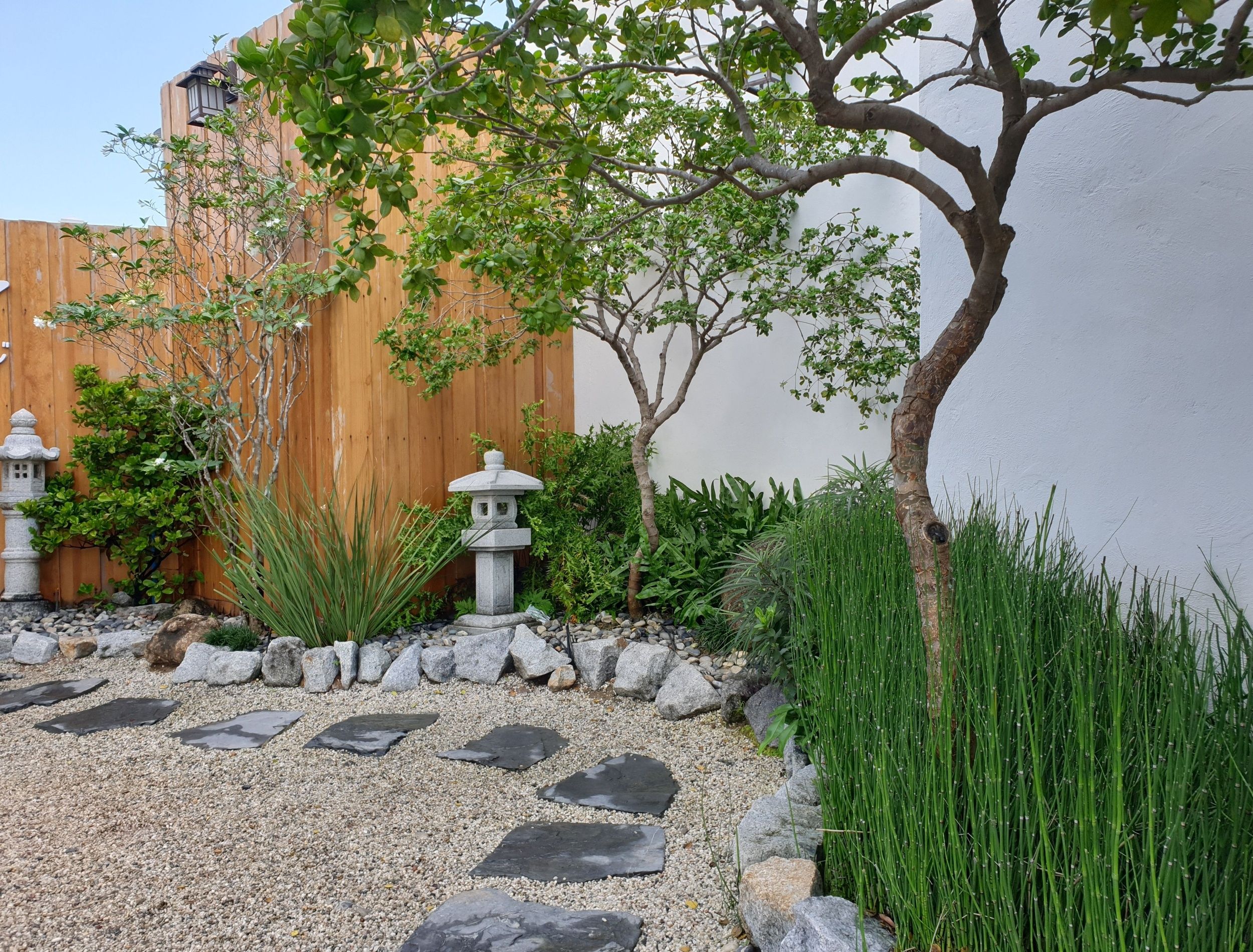
Credit: www.backyardboss.net
Watering Techniques
Finding the right watering techniques is key for thriving Zen garden plants. Ensure soil is moist, not waterlogged, to maintain balance. Drip irrigation or gentle hand-watering prevents root rot and keeps plants healthy.
Watering is the lifeline of any garden, and your Zen garden is no exception. But how do you ensure your garden thrives without overwatering or underwatering? Understanding the unique needs of your Zen garden plants and implementing effective watering techniques can make a world of difference. Let’s dive into some key strategies for keeping your garden lush and serene.Frequency And Timing
Determining the right frequency and timing for watering your Zen garden can be challenging. Each plant species has its own requirements, and factors like temperature and humidity play a role too. Start by observing your plants. Do they look thirsty or are they thriving? Aim to water in the early morning or late afternoon to minimize evaporation. This allows the water to soak deeply, reaching the roots when they’re most active.Efficient Watering Methods
Efficient watering is about delivering the right amount without waste. Consider using a drip irrigation system. It targets the root zone directly, reducing water loss. Alternatively, hand-watering with a gentle spray can help you connect with your plants. This method allows you to adjust water flow based on each plant’s need. Have you tried mulching? Adding a layer of mulch can help retain soil moisture and keep your watering needs in check. How do these techniques resonate with your current gardening practices? Adjusting your methods could lead to a more vibrant and sustainable Zen garden.Pruning And Maintenance
Pruning helps Zen garden plants thrive by removing dead branches. Regular maintenance keeps the garden neat and serene. Trim plants carefully to maintain their shape and encourage healthy growth.
Pruning and maintaining your zen garden plants is crucial to keeping them healthy and vibrant. Just like humans need regular grooming and care, your plants also thrive with a little attention and love. By dedicating some time to pruning and maintenance, you can ensure your zen garden remains a tranquil oasis of beauty and calm.Regular Pruning Practices
Pruning is more than just snipping away dead leaves. It’s about encouraging your plants to grow in a way that complements your garden’s aesthetic. Trim away any overgrown branches to maintain the desired shape and size. Think of it as giving your plants a regular haircut. You wouldn’t want an unruly garden to disrupt your peace, would you? Regular pruning not only keeps your plants looking neat but also promotes healthy new growth.Dealing With Pests
Pests can be a real nuisance in any garden. They can damage plants and ruin the serenity of your zen space. To combat this, regularly check your plants for any signs of unwanted visitors. Use natural pest control methods like neem oil or introduce beneficial insects like ladybugs to your garden. This eco-friendly approach ensures your plants stay healthy without harming the environment. Have you ever noticed how a single pest can turn your peaceful garden into a source of stress? By staying vigilant and acting promptly, you can keep your zen garden a stress-free zone.
Credit: www.eurogamer.net
Creating Aesthetic Balance
Creating aesthetic balance with Zen garden plants involves selecting varieties that enhance tranquility. Opt for bamboo, cherry blossoms, or moss to bring a serene atmosphere. Balance colors and textures to create harmony and peace in your garden space.
Creating a Zen garden involves more than just placing rocks and plants. Achieving aesthetic balance is key to its tranquil beauty. Balance brings harmony and peace. This harmony soothes the mind and soul. Let’s explore how to create this balance through color, texture, spacing, and layout.Color And Texture Combinations
Colors and textures play a vital role in your Zen garden. Choose calming colors like greens and blues. These colors evoke a sense of peace and relaxation. Mix different textures for added interest. Soft mosses, rough stones, and smooth sand create contrast. This combination adds depth and dimension. Keep the palette simple. Too many colors can overwhelm the senses.Spacing And Layout
Proper spacing ensures each element stands out. Avoid cluttering your garden with too many items. Each plant and stone needs room to breathe. This spacing allows for a clear focal point. Arrange elements in a natural flow. Curved paths guide the eye gently. Use asymmetry for a more organic feel. This makes the garden look more natural and less structured.Seasonal Care Tips
Creating a zen garden is a peaceful endeavor. Proper seasonal care ensures its beauty year-round. Each season presents unique challenges and opportunities for your plants. Understanding these nuances helps your garden thrive.
Winter Protection
Winter can be harsh for zen garden plants. Protect them from cold winds with a windbreak. Use burlap or other breathable material. Mulch around the base to insulate roots. This keeps the soil temperature stable. Water plants sparingly during winter. Overwatering can cause root rot. Check for frost damage regularly. Trim any affected branches to prevent disease.
Summer Care
Summer heat can stress your zen garden plants. Water them early in the morning. This minimizes evaporation and maximizes absorption. Consider using a drip irrigation system. It provides steady moisture without overwatering. Monitor for pests and diseases frequently. Use organic solutions to manage any outbreaks. Provide shade for delicate plants during peak sun hours. This prevents sunburn and dehydration.
Sourcing Quality Plants
Getting Zen garden plants involves selecting species that thrive in your climate. Visit local nurseries for expert advice. Choose plants like bamboo, moss, or Japanese maple for a tranquil atmosphere.
Sourcing quality plants for your Zen garden is crucial. Healthy plants enhance the tranquility and beauty of your space. They require less maintenance and thrive better. Choosing the right source ensures that your garden flourishes.Trusted Nurseries
Visit local nurseries for a hands-on experience. You can examine the plants closely. Ask the staff for advice on plant care. Look for nurseries with a good reputation. Check online reviews to ensure quality service. Building a relationship with a nursery can offer future benefits. You might get access to exclusive plants or discounts.Online Purchasing Tips
Online shopping offers a wide variety of plants. Start by researching reputable online plant stores. Read customer reviews carefully. Look for high ratings and positive feedback. Check if the store offers a plant health guarantee. Ensure they have a clear return policy. Verify their shipping methods to avoid plant damage. Keep an eye out for seasonal sales for better deals.Frequently Asked Questions
What Are Zen Garden Plants?
Zen garden plants are typically chosen for their simplicity, tranquility, and minimalistic beauty. They often include mosses, bamboo, bonsai trees, and rocks. These plants are selected to create a peaceful and meditative environment that reflects the principles of Zen philosophy.
How To Choose Plants For A Zen Garden?
Choose plants that thrive in your climate and require minimal maintenance. Opt for species like mosses, ferns, and bamboo. Ensure they complement the garden’s aesthetic and contribute to a serene ambiance. Consider the balance of textures and colors to maintain harmony.
Can Zen Garden Plants Grow Indoors?
Yes, many zen garden plants can grow indoors with proper care. Ensure adequate light and humidity levels. Indoor zen gardens often feature small bonsai, moss, and ferns. Use containers that promote drainage and choose plants that adapt well to indoor environments.
How Do Zen Garden Plants Enhance Relaxation?
Zen garden plants enhance relaxation by creating a tranquil space that promotes mindfulness. Their simplicity and natural beauty encourage meditation and reflection. The soothing green hues and gentle textures provide a calming effect, helping to reduce stress and improve mental clarity.
Conclusion
Creating a Zen garden with the right plants is simple. Choose plants that thrive in your climate. Consider their size, color, and texture. This ensures a balanced, peaceful design. Use sand or gravel for a serene base. Add stones for natural beauty.
Remember, less is more. Regular care keeps the garden calming. Prune and water as needed. Enjoy the tranquil space you’ve created. It’s a place to relax and find peace. Your Zen garden can be a sanctuary. Embrace the calm it brings.
Your journey to tranquility starts here.