Is your garden ready to burst into life this season? Whether you’re a seasoned gardener or just starting out, preparing your garden for planting is the key to a bountiful harvest and a vibrant landscape.
Imagine walking through rows of flourishing plants, each one a testament to the care you invested in your garden. You might be wondering where to begin or how to ensure your garden thrives this year. Don’t worry! By following a few straightforward steps, you can transform your outdoor space into a lush haven.
This guide will walk you through everything you need to know to get your garden ready for planting, ensuring you enjoy the rewards of your hard work. Get ready to dig in and discover the secrets to a thriving garden that will keep you smiling all season long.
Choosing The Right Location
Getting your garden ready for planting is an exciting venture, and choosing the right location is crucial to your garden’s success. The ideal location can make the difference between a thriving oasis and a lackluster patch. This involves assessing sunlight exposure, evaluating soil quality, and considering accessibility. Let’s dive into each of these essential aspects to ensure your garden flourishes.
Assess Sunlight Exposure
Sunlight is a vital ingredient for healthy plant growth. Observe your yard at different times of the day. Which areas bask in morning sunlight? Which spots are shaded by afternoon? Knowing the sun’s path helps you choose the best location for your plants.
If you notice that one spot receives ample sunlight, it’s likely a prime candidate for sun-loving plants like tomatoes and peppers. In contrast, shaded areas might be perfect for lettuce and spinach. Consider the plant varieties you want to grow and their sunlight needs.
Evaluate Soil Quality
Soil is the foundation of your garden, and its quality can greatly impact plant health. Conduct a simple soil test by digging a small hole and examining the texture. Is it sandy, clay-like, or loamy? Each type has its pros and cons, and knowing what you have lets you amend it accordingly.
A nutrient-rich soil supports strong root systems. If your soil seems lacking, you might add compost or organic matter. This step ensures your plants receive the nutrients they need to thrive. Consider your soil’s drainage, too—well-drained soil prevents root rot.
Consider Accessibility
Accessibility is often overlooked but is vital for practical gardening. You want a location that is easy to reach for regular maintenance. Consider proximity to water sources; dragging hoses across the yard can become tiresome.
Think about how easily you can transport tools and supplies to the site. A location near your home or shed makes it convenient to grab what you need without hassle. Ask yourself, how accessible is your garden spot for daily care and harvesting?
Choosing the right location for your garden involves careful consideration. By taking the time to assess sunlight exposure, evaluate soil quality, and ensure accessibility, you set the stage for a flourishing garden. Where will your garden’s perfect spot be?

Credit: www.youtube.com
Preparing The Soil
Preparing the Soil Clear debris and weeds to create a clean gardening space. Loosen the soil with a spade for better root growth. Add compost to enrich the soil, providing essential nutrients for plants.
Preparing the soil is a crucial step in getting your garden ready for planting. The health of your plants depends significantly on the foundation you set. By investing time in preparing your soil, you ensure that your garden will flourish.Test Soil Ph
Understanding your soil’s pH level is essential. A simple soil test kit can reveal whether your soil is acidic, neutral, or alkaline. Most garden plants thrive in a slightly acidic to neutral pH range of 6.0 to 7.0. If your soil’s pH is off, you might find your plants struggling despite your best efforts. Consider adjusting the pH with lime to raise it or sulfur to lower it, based on your test results.Add Organic Matter
Organic matter enriches the soil and improves its structure. Compost, aged manure, or leaf mold can be excellent additions. These materials increase soil fertility and promote beneficial microbial activity. Think of organic matter as a natural fertilizer that feeds your plants over time. It’s like giving them a slow-release nutrient buffet.Improve Drainage
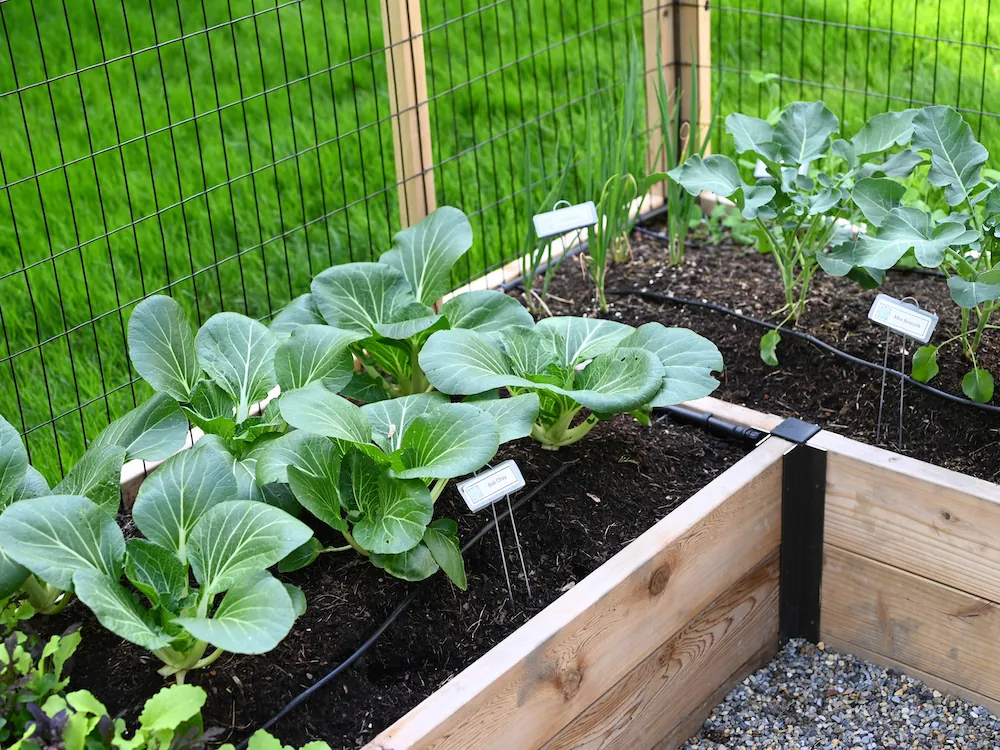
Good drainage prevents water from pooling and suffocating plant roots. If your soil tends to stay soggy, consider mixing in sand or fine gravel to improve drainage. Raised beds can also be a practical solution for areas with poor drainage. Have you ever noticed how plants in well-drained soil seem to thrive effortlessly? Ensuring proper drainage can make the difference between a robust garden and a patch of struggling plants. Taking these steps to prepare your soil can set the stage for a bountiful garden. Are you ready to dig in and start transforming your soil into a plant-friendly paradise?Selecting Plants
Choosing the right plants is crucial for a thriving garden. Consider your garden’s soil, sunlight, and climate conditions. Select plants that match these factors to ensure healthy growth and vibrant blooms.
Selecting the right plants is crucial for a thriving garden. This choice sets the foundation for a lush and vibrant landscape. Picking the wrong species can lead to disappointment. Consider factors like native species, seasonal varieties, and growth habits. These will help you create a balanced and sustainable garden.Choose Native Species
Native plants adapt well to local climates. They require less water and maintenance. These species attract local wildlife, such as birds and bees. They resist common pests and diseases. This reduces the need for chemical treatments. Native plants help maintain ecological balance in your garden.Select Seasonal Varieties
Seasonal plants ensure your garden blooms year-round. Choose varieties that thrive in specific seasons. Spring flowers bring vibrant colors after winter. Summer plants withstand heat and provide shade. Autumn blooms add warmth with reds and oranges. Winter greens keep your garden alive during colder months.Consider Growth Habits
Understanding plant growth habits is essential. Some plants spread quickly and cover ground. Others grow tall and provide vertical interest. Consider how much space each plant needs. Ensure they don’t overcrowd one another. This prevents competition for nutrients and sunlight. Choose plants with compatible growth rates.Gathering Tools And Supplies
Gather essential tools like spades, trowels, and gloves for easy planting. Prepare soil and seed packets for a seamless start. Organizing supplies boosts efficiency and readiness for gardening tasks.
Getting your garden ready for planting is both an exciting and rewarding task. Before you dig into the soil, it’s essential to gather the right tools and supplies. This will ensure a smoother gardening experience, allowing you to focus more on nurturing your plants rather than scrambling for missing items. Let’s dive into the essentials you’ll need to start your gardening adventure.Essential Gardening Tools
A well-prepared gardener is a happy gardener. Make sure you have the basic tools that will make gardening a breeze. Equip yourself with a sturdy shovel, a handy trowel, and a reliable pair of pruning shears. These will be your go-to tools for planting, digging, and shaping your plants. Consider investing in a hoe or a rake for managing weeds and leveling the soil. Comfortable gloves will protect your hands from blisters and cuts, while a watering can or hose ensures your plants get the hydration they crave. With these tools, you’re all set to tackle any gardening task with ease.Choosing Quality Seeds
The heart of your garden lies in the seeds you plant. Opt for quality seeds that promise robust growth and vibrant blooms. Research which plants thrive in your climate and soil type to maximize your garden’s potential. Visit local nurseries or trusted online stores to find seeds that have a proven track record. Consider heirloom varieties for unique flavors and resilient growth. By choosing the right seeds, you’re setting the stage for a flourishing garden that will yield beautiful results.Selecting Fertilizers
Fertilizers play a crucial role in nourishing your garden. They provide essential nutrients that your plants need to grow strong and healthy. Choose fertilizers that are tailored to your specific plants; different plants have different nutritional needs. Organic options like compost or manure enrich the soil naturally, promoting sustainable gardening practices. Look for balanced fertilizers that contain nitrogen, phosphorus, and potassium. This trifecta is vital for plant health, ensuring lush foliage and bountiful blooms. As you select fertilizers, consider their impact on the environment and your garden’s long-term health. Are you ready to gather your tools and supplies? Embrace the process, enjoy each step, and let your garden be a testament to your care and dedication.Planning Your Layout
Planning Your Layout Create a garden plan by sketching the area. Consider sunlight, soil type, and water access. Group plants with similar needs together for efficient care and growth.
Planning your garden layout is a crucial step that sets the foundation for a thriving and beautiful garden. It involves thoughtful consideration of factors like space, plant compatibility, and aesthetic appeal. By doing so, you can ensure that your garden not only flourishes but also becomes a visual delight that you can enjoy all season long. Let’s dive into the essential elements of planning your layout.Space For Growth
As you plan your garden, consider how much space each plant will need to reach its full potential. Plants like tomatoes and zucchini require ample room to spread out, while herbs such as basil and parsley can thrive in tighter quarters. Take a moment to think about the future size of the plants, not just the seedlings you have now. Will your garden still look organized and accessible once everything has grown? Make sure to leave enough room for pathways, so you can easily tend to your plants without trampling them.Companion Planting
Companion planting is a smart strategy that can enhance your garden’s productivity and health. Certain plants can benefit from being grown next to each other. For example, marigolds can deter pests from your tomatoes, while basil improves their flavor. Consider creating a list of plants that work well together and planning your layout accordingly. This not only helps in pest control but can also improve soil health and yield better crops. Have you ever noticed how some friendships just make life better? Plants have those too!Designing Aesthetic Appeal
A garden should be as pleasing to the eye as it is functional. Think about the colors and textures of your plants and how they will look together. Arranging plants by height, color, or bloom time can create a visually appealing landscape. You might want to place taller plants at the back of your garden beds and shorter ones at the front. Consider adding a focal point, like a birdbath or decorative trellis, to draw the eye and add interest. After all, your garden is a reflection of your creativity—why not make it a masterpiece? Planning your garden layout with these elements in mind can transform your outdoor space into a thriving, harmonious haven. What unique touches will you add to your garden this season?
Credit: www.instagram.com
Timing Your Planting
Timing your planting can make all the difference in gardening success. Planting too early or late affects growth and yield. Knowing when to plant ensures a thriving garden. Let’s explore key factors for perfect timing.
Understanding Frost Dates
Frost dates mark the start and end of frost in your area. Planting before the last frost can harm tender plants. Check local frost dates to plan your planting schedule. Use an online frost date calculator for accurate information. Keep in mind, frost dates vary each year. Monitor weather forecasts as planting time approaches.
Planning For Successive Planting
Successive planting keeps your garden producing longer. Stagger planting times for a continuous harvest. Plant crops every few weeks for steady growth. This method also reduces the risk of crop failure. Choose crops with different maturity times. This ensures fresh produce throughout the season.
Considering Climate Factors
Climate affects planting times and plant choices. Warmer climates allow for longer growing seasons. Cooler climates may require starting seeds indoors. Consider rainfall, temperature, and daylight hours. Choose plants suited to your climate for best results. Use local gardening guides for climate-specific advice.
Maintaining Your Garden
Prepare your garden by clearing debris and weeds. Ensure soil is rich and well-drained. Plan layout and choose suitable plants.
Maintaining your garden ensures healthy plants and a bountiful harvest. A well-kept garden is the foundation of vibrant growth. It requires consistent care and attention. Below are essential practices to keep your garden thriving.Watering Techniques
Watering the right way is crucial for plant health. Early morning is ideal for watering. This helps plants absorb moisture before the heat. Use a drip irrigation system for efficiency. It delivers water directly to roots. Avoid overhead watering to prevent leaf diseases. Mulch around plants to retain soil moisture. This reduces the need for frequent watering.Pest Management Strategies
Protect your garden from pests with smart strategies. Start by encouraging beneficial insects. Ladybugs and spiders control harmful bugs. Introduce natural predators to your garden. Use neem oil or insecticidal soap for organic pest control. Regularly inspect your plants for signs of infestation. Remove affected leaves to prevent spreading. Companion planting also helps deter pests. Garlic and marigolds repel unwanted insects.Regular Pruning Practices
Pruning promotes healthy growth and prevents overcrowding. Use clean, sharp tools for cutting. Remove dead or diseased branches first. Cut back overgrown areas to improve air circulation. Prune flowering plants after they bloom. This encourages more blooms in the future. Always prune at a 45-degree angle. This helps the plant heal quickly. Regular pruning keeps plants tidy and productive.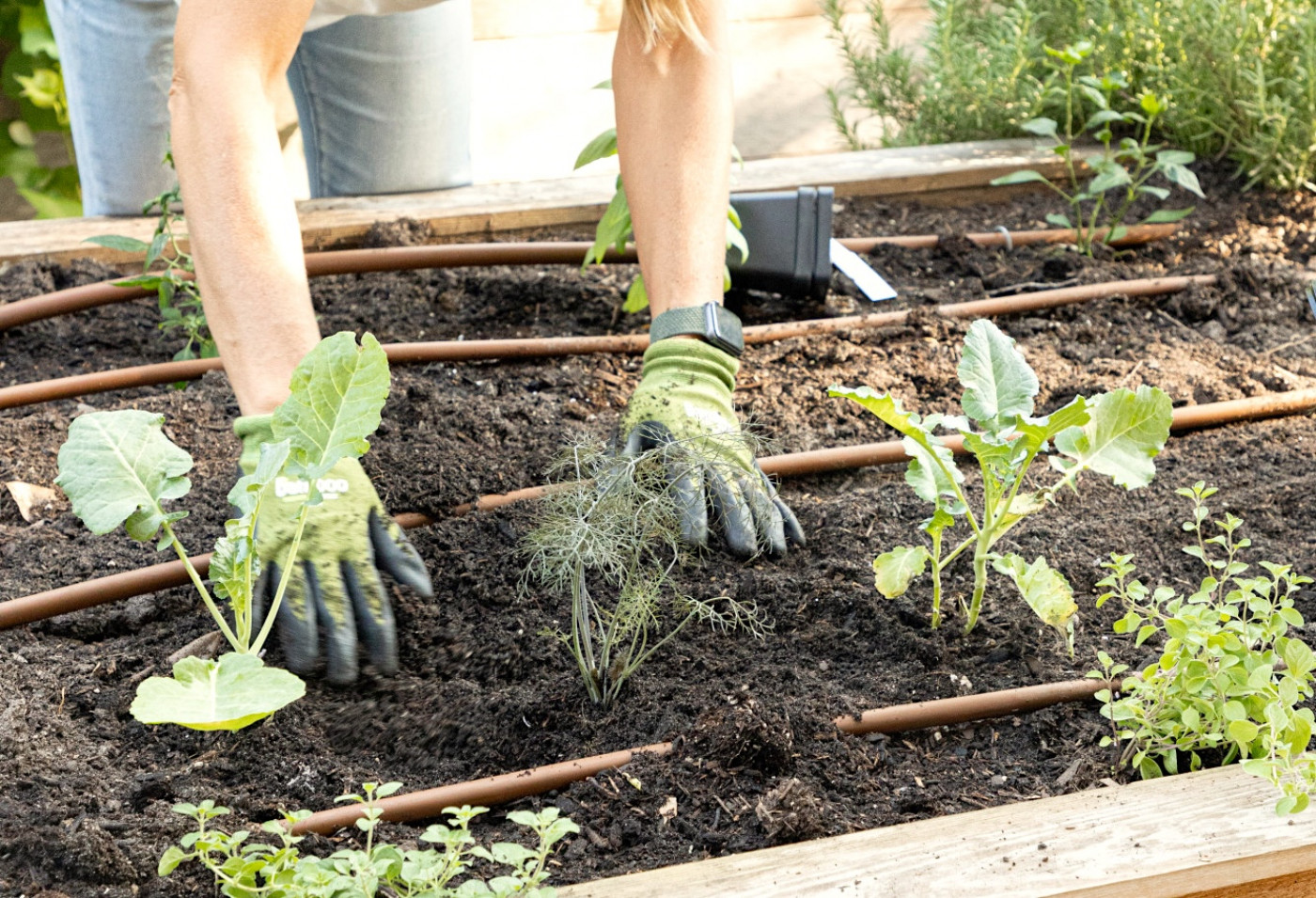
Credit: www.gardenary.com
Frequently Asked Questions
When Should I Start Preparing My Garden?
Begin garden preparation in early spring when the soil is workable. This allows for optimal planting conditions. Early preparation ensures the removal of weeds and debris. It also lets you amend soil with compost or fertilizers. This timing enhances plant growth and yields.
How Do I Improve Soil Quality?
Enhance soil quality by adding organic matter like compost. Compost improves soil structure and nutrient content. It helps retain moisture and supports root growth. Test soil pH and adjust if necessary. Use natural fertilizers to enrich soil further.
What Tools Do I Need For Gardening?
Essential gardening tools include a spade, rake, and hoe. A trowel and watering can are also useful. These tools aid in planting, weeding, and watering. Gloves protect hands while working. Invest in quality tools for longevity and efficiency.
How Can I Prevent Garden Pests?
Prevent pests by rotating crops and using companion planting. These methods naturally deter insects and diseases. Regularly inspect plants for early pest signs. Use organic pesticides if needed. Maintain garden hygiene to reduce pest habitats.
Conclusion
Preparing your garden for planting can be simple and fun. Start with cleaning the area. Remove weeds and debris. Next, improve the soil quality. Add compost or mulch. Plan your garden layout. Choose plants that thrive in your climate. Water regularly for healthy growth.
Keep pests away with natural solutions. Stay patient and enjoy the process. Gardening is rewarding. Watching plants grow brings joy. Spend time in your garden daily. Feel proud of your efforts. Every step you take ensures a beautiful garden. Happy planting!