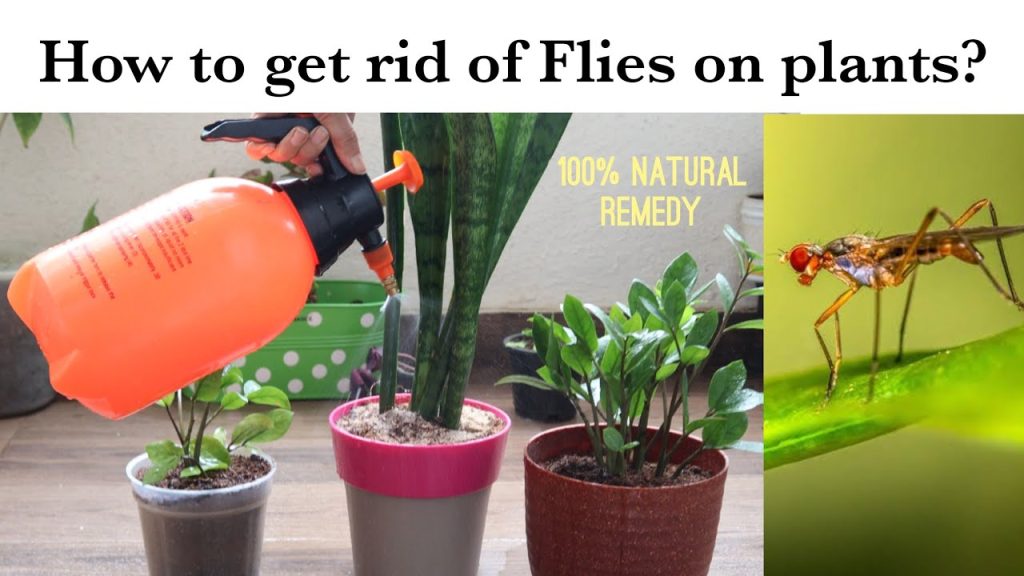
Are uninvited guests taking over your indoor garden? Pests can turn your lush, green haven into a frustrating battleground.
But don’t worry—you’re not alone in this fight. Imagine effortlessly nurturing your plants, free from the pesky invaders that threaten their beauty and health. Intrigued? You should be! You’ll discover simple yet effective strategies to reclaim your indoor garden and protect your cherished plants.
Say goodbye to those unwanted critters and hello to a thriving, pest-free environment. Ready to transform your indoor garden into a serene sanctuary once more? Let’s dive in and uncover the secrets to pest-free gardening!

Credit: www.youtube.com
Common Indoor Garden Pests
Indoor gardens offer a serene escape, but pesky intruders can disrupt your green haven. Identifying common indoor garden pests is crucial for maintaining healthy plants. Understanding these nuisances allows you to take timely action, ensuring your indoor garden flourishes. Let’s explore some of the most prevalent pests you might encounter.
Aphids
Aphids are tiny, soft-bodied insects that can be a real headache for indoor gardeners. These critters often cluster on the undersides of leaves, sucking sap and weakening your plants. You might notice leaves curling or yellowing, signaling their presence. A simple spray of water can dislodge them, but for stubborn infestations, try a homemade solution of water and dish soap. Ever used ladybugs in your garden? They love snacking on aphids!
Spider Mites
Spider mites are almost invisible to the naked eye, yet their damage is easily recognizable. Look for fine webbing and tiny specks on leaves. These pests thrive in dry conditions, so maintaining humidity can deter them. A gentle wipe with a damp cloth often does wonders. If the infestation persists, neem oil is a natural remedy worth trying. Have you ever noticed how spider mites seem to multiply overnight?
Fungus Gnats
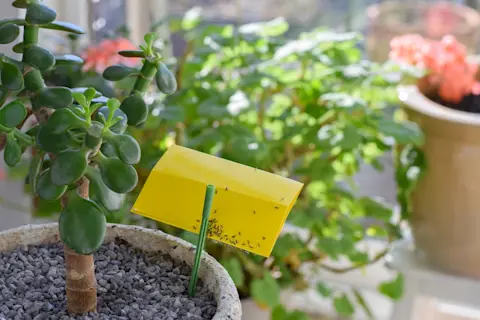
Fungus gnats are more annoying than harmful, but their presence can indicate overwatering. These small flies hover near soil, and their larvae feed on organic matter in the soil. Letting the soil dry out between waterings can prevent their growth. Sticky traps are effective in capturing adult gnats. Have you ever found yourself swatting at these tiny invaders? Consider adding a layer of sand on top of your soil to deter them.
Identifying and tackling these common pests can make or break your indoor garden’s success. Have you faced any of these challenges in your own indoor garden? Share your experiences and solutions below!
Credit: www.discovermagazine.com
Signs Of Pest Infestation
Drooping leaves, holes in foliage, or mysterious webs indicate pest invasion in your indoor garden. Spot tiny insects or unusual plant discoloration, signaling the need for immediate action to protect your plants.
Spotting pests in your indoor garden can feel like a never-ending battle. But identifying the signs early can save your plants from serious damage. How do you know if tiny invaders have made their home among your leafy friends? Keep an eye out for these telltale signs of pest infestation.Yellowing Leaves
Are your plant leaves turning yellow for no apparent reason? This could be a cry for help. Pests like spider mites and aphids suck the sap from leaves, depriving them of nutrients. When you spot yellowing, inspect the underside of leaves. You might find tiny insects clinging on. This is a clear indication that pests are feeding on your plants.Stunted Growth
Have you noticed your plants aren’t growing as vigorously as before? Pests might be to blame. They can weaken a plant, slowing its growth. Check the soil and stems for any unwanted guests. Root-eating pests can cause a plant to struggle, leaving you with a garden that seems to be stuck in time.Webbing On Plants
Webbing is often an unmistakable sign of spider mites. Tiny and nearly invisible, these pests weave webs on your plants, making it look like Halloween came early. If you see fine webs, especially in the corners of leaves and stems, it’s time to take action. Left unchecked, spider mites can cause severe damage to your indoor garden. Are you noticing any of these signs in your plants? If yes, it’s time to take action before things get out of hand. Identifying the problem is the first step towards a pest-free indoor garden.Preventative Measures
Maintain cleanliness to prevent pests in your indoor garden. Regularly inspect plants for signs of pests. Use natural repellents like neem oil for effective control.
Preventative measures are your first line of defense against pests in your indoor garden. By taking proactive steps, you can significantly reduce the likelihood of infestations. These measures are not only simple but also essential for maintaining a healthy indoor garden environment.Regular Inspection
Make it a habit to inspect your plants regularly. Check leaves, stems, and soil for any signs of pests. Early detection can prevent a full-blown invasion. Consider keeping a magnifying glass handy to spot smaller invaders. Taking swift action at the first sign of trouble can save you a lot of hassle later.Proper Air Circulation
Good air circulation is crucial for a healthy garden. Poor airflow can lead to moisture buildup, attracting pests. Use fans to keep the air moving and avoid overcrowding plants. This not only helps in pest prevention but also promotes stronger plant growth.Moisture Control
Too much moisture can be a breeding ground for pests. Ensure your pots have proper drainage and avoid overwatering. Stick to a watering schedule that suits your plants’ needs. Observing the soil’s dryness before adding water can help maintain the right balance. By implementing these preventative measures, you can enjoy a thriving indoor garden with fewer pest problems. What steps are you taking today to keep your garden pest-free?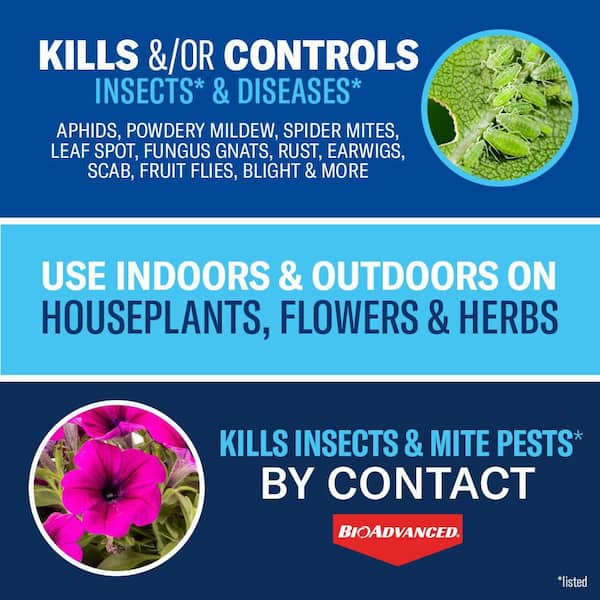
Credit: www.homedepot.com
Natural Pest Control Methods
Embrace the power of nature to protect your indoor garden from pests. Introduce beneficial insects like ladybugs and predatory mites to keep the balance. Utilize organic remedies such as neem oil and diatomaceous earth for safe pest management.
Natural Pest Control Methods Indoor gardening brings joy and fresh air to your home. Yet, pests can disturb the harmony of your green oasis. Natural pest control methods can help maintain balance without harmful chemicals. These techniques are safer for your plants and your family. Let’s explore some effective options to keep pests at bay.Neem Oil
Neem oil is a natural pesticide derived from the neem tree. It disrupts the life cycle of many pests, stopping them from feeding and reproducing. Mix neem oil with water and a few drops of dish soap. Spray this mixture on affected plants every week. Neem oil is safe for your plants and pets. Ensure you cover the entire plant, including the underside of leaves.Soap Spray
Soap spray is a simple and effective pest control method. Mix liquid soap with water in a spray bottle. This mixture targets soft-bodied insects like aphids and spider mites. It works by dehydrating and suffocating them. Spray your plants every few days for best results. Avoid using soap spray on hot days to prevent plant damage. Test on a small area first to check for sensitivity.Companion Planting
Companion planting is a strategic way to deter pests naturally. Some plants repel pests while others attract beneficial insects. For example, marigolds can repel nematodes, and basil can deter flies. Place these plants near susceptible crops to protect them. Companion planting enhances biodiversity and keeps your garden healthy. Experiment with different plant combinations to find the best fit for your garden.Chemical Solutions For Severe Infestations
Chemical solutions offer effective ways to eliminate pests in indoor gardens. Choose the right product for specific infestations. Consistent application ensures a pest-free environment.
When it comes to tackling severe pest infestations in your indoor garden, sometimes natural remedies just aren’t enough. This is where chemical solutions come into play. While they should be used as a last resort due to their potential impact on the environment and your plants, they can be incredibly effective in managing persistent problems.Insecticidal Soap
Insecticidal soap is a popular choice among gardeners for its ability to target soft-bodied insects like aphids, spider mites, and whiteflies. It’s a gentle option that works by suffocating the pests, disrupting their cell membranes without harming your plants. You can find ready-to-use sprays at gardening stores, or create your own by mixing mild dish soap with water. Apply the solution directly to the affected areas, ensuring thorough coverage. Repeat the treatment every few days until the pests are gone. Remember, it’s important to test on a small area first to ensure your plant doesn’t react negatively.Pyrethrin-based Products
Pyrethrin, derived from chrysanthemum flowers, is a natural compound used in many insecticides. It’s effective against a wide range of pests, including beetles, caterpillars, and ants. This product works quickly, paralyzing the insects on contact. When using pyrethrin-based products, follow the instructions carefully to avoid harming beneficial insects. Apply during the cooler parts of the day to prevent your plants from burning. Be mindful of the dosage, as overuse can lead to resistant pest populations.Professional Treatments
If chemical solutions don’t resolve your pest issues, consider seeking professional help. Pest control experts can assess the situation and provide tailored treatments that target the specific pests in your garden. They have access to stronger, commercial-grade products that are not available to the general public. Hiring a professional ensures that the treatment is applied safely and effectively. It’s a worthwhile investment if you’re struggling to maintain a healthy indoor garden. Have you ever considered how much time and effort you could save by letting an expert handle the toughest infestations?Maintaining A Healthy Indoor Garden
Eliminate pests in your indoor garden naturally with neem oil or insecticidal soap. Regularly inspect plants for signs of infestation. Encourage beneficial insects like ladybugs to control harmful pests effectively.
Maintaining a healthy indoor garden is crucial for keeping pests at bay. A thriving garden not only looks beautiful but also supports the well-being of your plants. By focusing on key aspects like monitoring, fertilization, and lighting, you can create an environment where pests struggle to thrive. Let’s explore these essential components to ensure your indoor garden remains pest-free and vibrant.Regular Monitoring
Inspect your plants weekly for signs of pests. Look under leaves and at soil level. Early detection is key to managing infestations. Use a magnifying glass for tiny pests. Sticky traps can help monitor flying insects. Keep a journal to track plant health and any pest activity. This helps identify patterns and potential problems quickly.Balanced Fertilization
Use the right amount of fertilizer for your plants. Over-fertilizing can weaken plants and invite pests. Choose organic fertilizers for a gentle nutrient boost. Check nutrient levels regularly to avoid imbalances. A balanced diet for plants strengthens their natural defenses. Healthy plants are less attractive to pests.Proper Lighting
Ensure your plants receive adequate light. Place them near windows or use grow lights. Insufficient light can stress plants, making them vulnerable. Adjust lighting based on plant type and season. Rotate plants occasionally for even light exposure. Proper lighting supports robust growth and deters pests.Frequently Asked Questions
How Do Pests Affect Indoor Gardens?
Pests can damage plants by feeding on leaves, stems, and roots. This weakens the plant, affecting growth and yield. They can also spread diseases, further harming your indoor garden. Quick identification and control are crucial to prevent long-term damage and maintain a healthy environment for your plants.
What Are Common Indoor Garden Pests?
Common indoor garden pests include aphids, spider mites, and fungus gnats. These pests are small and often go unnoticed until damage occurs. Regular inspection and monitoring can help identify these pests early. Using organic pesticides or natural predators can effectively control their populations.
How Can I Prevent Pests In My Indoor Garden?
Maintaining clean and healthy conditions is essential for pest prevention. Regularly inspect plants for signs of pests. Ensure proper airflow and avoid overwatering to deter pest infestations. Introducing beneficial insects, like ladybugs, can also help keep pest populations in check naturally.
What Natural Remedies Are Effective Against Pests?
Natural remedies like neem oil and insecticidal soap are effective against pests. They are safe for plants and humans. Regular application can control pest populations without harming the environment. Additionally, introducing natural predators like ladybugs can help reduce pest numbers effectively.
Conclusion
Keeping your indoor garden pest-free is achievable with simple steps. Regular checks help spot problems early. Natural remedies like neem oil are safe and effective. Cleanliness is key; wash leaves and remove dead plants. Consider introducing beneficial insects like ladybugs.
They control harmful pests naturally. Always research before trying new methods. Your plants will thrive with care and attention. Consistent effort ensures a healthy indoor garden environment. Enjoy watching your plants grow pest-free. Remember, a little prevention goes a long way in maintaining plant health.
Happy gardening!







