
Are mint plants taking over your garden? You’re not alone.
While mint is a delightful herb for your kitchen, it can quickly become a relentless invader in your garden. With its rapid growth and sprawling roots, mint can easily overrun other plants, turning your well-tended garden into a tangled mess.
But don’t worry—there’s hope! In this guide, you’ll discover effective strategies to reclaim your garden space from these persistent plants. Imagine the satisfaction of seeing your flowers and vegetables thrive without the constant competition from mint. Ready to take back control? Let’s dive into the solutions that will help you restore harmony to your garden.
Understanding Mint Plant Growth
Understanding Mint Plant Growth Mint spreads quickly through its roots. To remove it, pull out the roots completely. Cover the area with mulch or plastic to prevent regrowth. Regularly check for new shoots and remove them promptly.
Understanding Mint Plant Growth Mint plants are notorious for their rapid and often uncontrollable growth. If you’ve ever planted mint in your garden, you know how quickly it can spread, taking over beds and crowding out other plants. Understanding how mint grows is essential to managing and ultimately removing it from your garden.Mint’s Aggressive Spreading Nature
Mint spreads through underground stems called rhizomes. These rhizomes can travel far beyond the original planting area, popping up unexpectedly in different parts of your garden. It’s like playing a game of whack-a-mole, where new mint plants seem to emerge overnight. Mint also propagates through seeds, but the rhizomes are the main culprits for its invasive nature. This dual growth strategy makes mint quite resilient. Have you ever tried pulling out mint only to find it reappear in another spot? That’s the rhizomes at work.The Role Of Mint In Ecosystem
Despite its aggressive nature, mint has a role to play in your garden ecosystem. It attracts beneficial insects like bees and butterflies, which can aid in pollination. It also has natural pest-repelling properties, which might be why you initially planted it. Yet, its benefits can quickly be overshadowed by its ability to dominate space. You might find yourself asking: Is the mint worth the effort to control it, given its positive contributions? Sometimes, the answer lies in balance rather than complete removal.Why Mint Thrives In Gardens
Mint thrives in gardens due to its adaptability. It can grow in various soil types, though it prefers moist, well-drained soil. Additionally, mint can tolerate some shade, allowing it to flourish under different conditions. You may notice that mint grows more vigorously in areas with frequent watering. This adaptability might make you reconsider how you maintain your garden. Could reducing irrigation in mint-heavy areas help control its spread? It’s a practical question worth exploring. Understanding mint’s growth habits gives you the upper hand in managing it. By knowing how it spreads and thrives, you can implement strategies to keep it in check or remove it entirely from your garden.
Credit: www.yahoo.com
Challenges Of Removing Mint
Mint plants can be stubborn, spreading quickly through underground roots. Regularly digging them out is essential. Persistent monitoring is required to prevent regrowth and ensure they don’t invade other garden areas.
Mint plants can be a gardener’s delight. Yet, their invasiveness can quickly turn them into a nuisance. Their rapid growth and spreading roots make removal a challenging task. Understanding these challenges can help in managing mint effectively.The Persistent Root System
Mint plants have a vigorous root system. Their roots spread underground, making them hard to control. Even small root fragments can grow into new plants. This characteristic allows mint to invade large garden areas.Rapid Growth And Spread
Mint plants grow quickly, especially in favorable conditions. They can outcompete other plants for resources. This rapid growth leads to dense clusters, overshadowing less aggressive plants.Resistance To Common Removal Techniques
Common removal techniques often fall short. Mint roots resist pulling and cutting. They are resilient, often regrowing after these attempts. Chemical treatments may harm other garden plants.Impact On Surrounding Plants
Mint’s aggressive nature affects garden diversity. It can dominate an area, reducing space for other plants. This competition can lead to a less varied and healthy garden ecosystem. Understanding these challenges is crucial for effective mint management. By addressing each aspect, you can regain control of your garden space.Physical Removal Techniques
Mint plants can take over your garden if left unchecked. Physical removal is an effective way to manage their spread. This method involves removing the plant and its roots from the soil. It requires a bit of effort but ensures mint doesn’t return easily.
Digging Out Roots
Digging out roots is crucial for removing mint plants. Use a shovel to dig around the plant. Ensure you dig deep enough to reach the roots. Gently lift the plant from the soil. Be careful not to break the roots, as they can regrow. Discard the entire plant, including roots, to prevent regrowth.
Using Hand Tools
Hand tools like trowels or garden forks are useful. They help loosen soil around the mint. Insert the tool near the base of the plant. Wiggle it to break the soil and free roots. Pull the plant out by its base. Ensure no roots are left in the ground.
Chemical Control Methods
Mint plants can quickly take over your garden. Controlling them using chemical methods is effective. This approach targets the roots, stopping further spread. Consider using herbicides designed for mint plants.
Herbicides Options
Several herbicides work well against mint plants. Glyphosate is a popular choice. It targets the plant’s entire system. Another option is triclopyr. It is effective against broadleaf weeds like mint. These herbicides are available at gardening stores.
- Glyphosate: Targets entire plant system.
- Triclopyr: Effective against broadleaf weeds.
Safety Precautions
Safety is crucial when using chemicals. Always read the label before applying. Wear protective gloves and goggles. Ensure children and pets are away from treated areas. Apply herbicides on a calm day. This prevents wind from spreading chemicals. Follow disposal instructions carefully.
- Read labels thoroughly.
- Wear protective gear.
- Keep children and pets away.
- Apply on calm days.
Natural Alternatives
Removing mint plants naturally involves careful digging to extract roots. Use mulch to block sunlight and stop growth. Regular trimming keeps mint under control, ensuring your garden stays tidy.
Mint plants can be invasive in gardens. They spread quickly and take over spaces. Luckily, there are natural ways to control them. These methods are safe and eco-friendly. They help you manage mint without harmful chemicals. Let’s explore a couple of effective techniques.Vinegar Solution
Vinegar is a natural herbicide. It disrupts mint plants’ growth. Mix vinegar with water in a spray bottle. Use one part vinegar and one part water. Spray this on the mint leaves. The acid in vinegar will dry out the plant. Repeat the process every few days. Be careful not to spray other plants. Vinegar can harm them too.Boiling Water Method
Boiling water is another effective method. It kills mint plants instantly. Pour boiling water directly on the mint roots. This will damage their growth. Do this in the morning for best results. The heat and steam penetrate the soil. Ensure safety when handling boiling water. Repeat weekly to manage stubborn mint plants.Preventing Regrowth
Prevent regrowth by digging out mint roots completely, ensuring no fragments remain in the soil. Regularly check for new shoots and remove them promptly to maintain control over the mint invasion in your garden.
Preventing regrowth of mint plants is crucial for maintaining a tidy garden. These plants are notorious for spreading rapidly. Without proper control, they can quickly overtake your garden space. Implementing effective strategies ensures they don’t return. Let’s explore some practical methods to keep mint at bay.Mulching
Using mulch is a simple way to prevent mint regrowth. Mulch acts as a barrier, blocking sunlight from reaching the soil. This inhibits mint seeds from germinating. Organic mulches like straw or wood chips are ideal. They enrich the soil while suppressing unwanted growth. Apply a thick layer, about 2-3 inches, around areas where mint was removed. This creates a protective cover. Ensure the mulch is evenly spread to maximize its effectiveness.Regular Maintenance
Routine maintenance is essential for keeping mint plants in check. Regularly inspect your garden for any signs of mint regrowth. Remove any new shoots promptly. This prevents them from establishing a root system. Use a sharp hoe or hand tool for precise removal. Pay attention to garden edges and corners. These areas are often overlooked and can harbor mint remnants. Consistent upkeep ensures mint doesn’t make an unexpected comeback.Reclaiming Your Garden Space
Tame the mint invasion in your garden by uprooting the plants and removing roots carefully. Regularly check and clip new growth to prevent spread.
Reclaiming your garden space from invasive mint plants can be a rewarding experience. Mint’s rapid growth can overshadow other plants, leaving your garden feeling cramped and chaotic. Once you decide to clear out this aromatic invader, there’s an opportunity to rejuvenate your garden and bring new life to it. The process involves restoring the soil and considering new species to plant, ensuring you make the most of your reclaimed space.Soil Restoration
Mint plants can significantly alter the soil composition, making it crucial to restore the balance. Start by thoroughly removing mint roots, which can spread deep and wide. Use a shovel or garden fork to dig at least a foot deep, ensuring you get every last bit. Consider adding organic matter like compost or well-rotted manure to enrich the soil. This helps replenish lost nutrients and improves soil texture. Have you ever thought about soil pH? Mint can alter it slightly, so test your soil and adjust accordingly with lime or sulfur. Regularly aerate the soil to promote healthy microbial activity. This step is vital for plants to access nutrients efficiently. What kind of soil do your new plants need? Understanding this will guide your restoration process effectively.Planting New Species
Once your soil is restored, it’s time to decide what new species will thrive in your garden. Consider plants that suit your local climate and soil conditions. Do you want to grow herbs, flowers, or vegetables? Each option offers unique benefits and aesthetics. Think about diversity. Mixing various plants can prevent one species from dominating the space again. Choose plants with different root structures and growth habits. This helps create a balanced ecosystem. Have you ever tried companion planting? Some plants can protect others from pests or diseases. For example, marigolds can deter nematodes, while basil can enhance the flavor of tomatoes. Selecting the right companions can lead to a more sustainable and productive garden. In reclaiming your garden space, every choice can have a lasting impact. What will you plant next to ensure your garden flourishes for years to come?
Credit: www.facebook.com
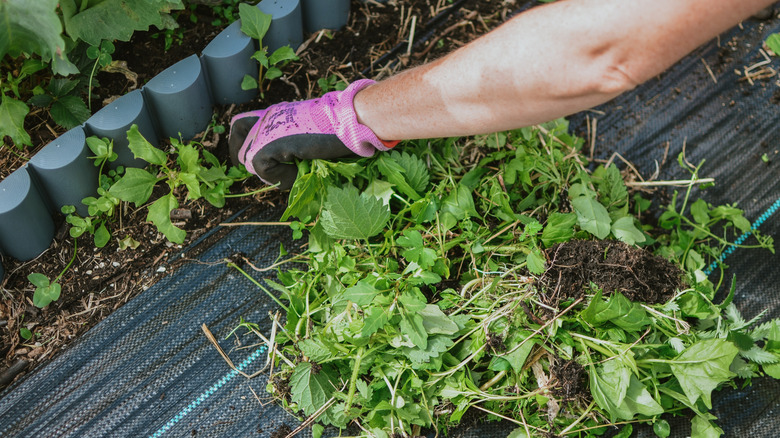
Credit: www.chowhound.com
Frequently Asked Questions
How Do Mint Plants Spread In Gardens?
Mint plants spread through both underground rhizomes and above-ground runners. These growth methods allow mint to quickly colonize garden areas. The plant’s aggressive nature makes it difficult to control once established. Regular monitoring and containment strategies are essential to prevent unwanted mint spread.
Can Mint Plants Be Removed Permanently?
Mint plants can be removed permanently with consistent effort. First, dig up the roots completely, ensuring no fragments remain. Regularly check for regrowth and remove any new sprouts promptly. Using physical barriers or planting mint in pots can prevent future invasion in garden beds.
What Tools Are Best For Removing Mint?
Garden forks and spades are effective tools for removing mint plants. These tools help lift the roots without breaking them. Ensure to dig deep enough to extract all root fragments. Using sharp tools minimizes damage to surrounding plants during removal.
Are There Natural Methods To Kill Mint Plants?
Natural methods to kill mint include covering them with black plastic. This process blocks sunlight, weakening the plant. Regularly check under the plastic for regrowth. Another method is using vinegar spray, which burns mint leaves, preventing photosynthesis.
Conclusion
Mint plants can be stubborn invaders in your garden. With patience and persistence, you can remove them effectively. Start by digging out the roots completely. Regular trimming helps prevent regrowth. Also, consider using natural barriers to stop their spread. Mulch can smother mint plants over time.
Keep monitoring the area for new shoots. Be consistent with your efforts. Over time, you’ll reclaim your garden space. Mint-free and ready for your favorite plants. Enjoy a garden that’s easier to manage and maintain. Happy gardening!







