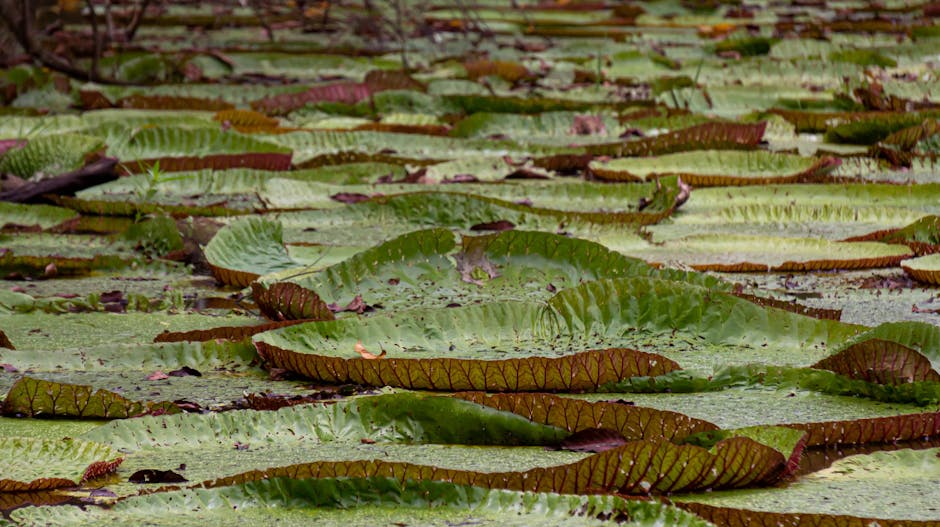
Imagine stepping into your garden and finding it overrun by unwanted plants. These invasive plants can quickly transform your peaceful garden into a chaotic jungle.
They compete with your favorite flowers and vegetables for nutrients, water, and sunlight. If you’ve been battling these stubborn intruders, you’re not alone. Many gardeners face the same challenge and are searching for effective solutions. You’ll discover practical and easy methods to regain control over your garden.
Whether you’re a seasoned gardener or a beginner, these tips will help you tackle invasive plants without unnecessary stress. Ready to reclaim your garden sanctuary? Let’s dive into the strategies that will bring harmony back to your outdoor space.
Identifying Invasive Plants
Identifying invasive plants is a crucial step in maintaining a healthy garden. These plants can spread quickly and cause harm to native species. Understanding their traits helps in their management. Recognizing the common characteristics and knowing examples aids in early detection. Let’s delve into how to identify these garden invaders.
Common Characteristics
Invasive plants often grow rapidly and spread through roots or seeds. They can outcompete native plants for resources like water and sunlight. Many have a high tolerance for different soil types and weather conditions. Their leaves might be waxy or hairy, reducing water loss. They often produce large quantities of seeds or have extensive root systems. These traits allow them to dominate an area quickly.
Examples Of Invasive Species
Several invasive species are commonly found in gardens. Kudzu, known for its fast growth, can cover trees and shrubs. Japanese Knotweed can damage foundations with its strong roots. English Ivy spreads easily and can smother native plants. Garlic Mustard releases chemicals that hinder other plants’ growth. Each species poses unique challenges, requiring specific management strategies.
Assessing The Impact
Understanding the impact of invasive plants is crucial for effective garden management. Use manual removal, chemical treatments, or natural predators to address these persistent intruders. Choosing the right method depends on plant type and garden size, ensuring a healthier ecosystem.
Assessing the impact of invasive plants in your garden is crucial to understanding the challenges they pose. These uninvited guests can create more than just an eyesore; they disrupt ecosystems and threaten biodiversity. By evaluating their effects, you can make informed decisions about how to tackle them effectively.Effects On Native Plants
Invasive plants often outcompete native species for resources like sunlight, water, and nutrients. This can lead to a decline in native plant populations, reducing the diversity of your garden. Imagine walking through your garden and only seeing a few dominant species instead of a vibrant mix of local flora. Wouldn’t that be disappointing? Native plants are adapted to the local environment and play an essential role in the ecosystem. Their decline can lead to soil erosion and a loss of habitat for beneficial insects. By assessing these effects, you prioritize which invasives to target first, saving your garden’s native charm.Consequences For Local Wildlife
Local wildlife often relies on native plants for food and shelter. Invasive plants can alter these natural habitats, leaving animals without the resources they need to survive. Have you noticed fewer birds or butterflies visiting your garden? Consider how birds use native plants for nesting or how butterflies rely on specific plants for laying eggs. When invasive species take over, these natural processes are disrupted. By recognizing these consequences, you can take proactive steps to restore balance and support local wildlife. Understanding these impacts not only helps in planning effective removal strategies but also in restoring ecological harmony. Your garden can become a thriving haven for both plants and wildlife once again.Preventive Measures
Regularly inspect your garden and remove invasive plants promptly. Use mulch to suppress unwanted growth. Employ hand-pulling techniques for small infestations.
Preventive Measures in managing invasive plants are crucial for maintaining a healthy garden ecosystem. By focusing on sustainable practices, you can significantly reduce the chances of these aggressive species taking over your garden. Emphasizing prevention rather than control not only saves time and effort but also enhances the biodiversity and aesthetic appeal of your outdoor space.Choosing Native Plants
Choosing native plants is an excellent strategy to prevent the spread of invasive species. Native plants are naturally adapted to the local environment, making them less likely to be overtaken by non-native invaders. Consider researching and identifying plants that thrive in your specific region. They require less maintenance and support local wildlife, including pollinators. By prioritizing native species, you create a balanced ecosystem that resists invasions naturally. Have you ever noticed how a garden filled with local flora often seems more vibrant and resilient?Maintaining Healthy Soil
Healthy soil is the cornerstone of a robust garden, acting as a natural barrier against invasive plants. Rich, well-maintained soil promotes strong root systems in your chosen plants, making it difficult for invaders to establish themselves. Engage in regular soil testing to understand its composition and health. Add organic matter like compost to improve soil structure and fertility. A garden with healthy soil not only supports plant growth but also deters invasive species. Can you recall the last time you checked the health of your garden soil?Manual Removal Techniques
Pulling weeds by hand offers a direct approach to removing invasive plants from your garden. Regularly inspect your garden, grasp plants close to the root, and gently pull them out. This technique ensures minimal soil disturbance and is effective for small infestations.
Keeping your garden free from invasive plants can feel like a never-ending battle. Yet, manual removal remains one of the most effective methods to tackle these persistent intruders. It might require elbow grease and patience, but the rewards of a healthier garden are worth the effort. Let’s dig into some hands-on techniques you can easily apply.Hand Pulling
Hand pulling is a straightforward yet powerful way to remove invasive plants from your garden. Start by identifying the plant you need to remove. Grip the base of the plant firmly and pull it out gently to ensure you remove the root as well. Be sure to wear gloves to protect your hands from thorns or irritants. It’s best to do this after a rain shower or watering, as damp soil makes it easier to pull the plants out completely. Consider how satisfying it feels to clear a patch and see immediate results—what’s stopping you from starting today?Digging And Cutting
For those stubborn plants with deep roots, digging and cutting might be your go-to strategy. Use a spade or garden fork to dig around the base of the plant. Loosen the soil and carefully lift the plant out with its roots intact. If the roots are too deep or extensive, consider using a sharp knife or garden shears to cut them back. Regularly cutting back invasive plants can prevent them from spreading further. Have you ever noticed how a little perseverance can transform your garden’s landscape? By investing time in digging and cutting, you’re safeguarding your garden’s future.Chemical Control Options
Chemical control options can effectively manage invasive plants in gardens. These involve using herbicides to target specific weeds, ensuring the garden stays healthy. Carefully follow label instructions to minimize harm to desired plants and the environment.
Dealing with invasive plants in your garden can feel like an ongoing battle. Chemical control options offer a solution for stubborn invasives when manual removal just isn’t enough. These methods can be effective, but choosing the right products and applying them correctly is crucial to avoid harm to your garden and the environment.Selecting Herbicides
Choosing the right herbicide is essential for effective control. Look for products labeled as non-selective if you need to clear a broad area of different plant types. For more targeted removal, selective herbicides can help preserve your desired plants while targeting specific unwanted species. Read the labels carefully to understand the active ingredients and their impact on the ecosystem. Consider consulting with a local gardening expert or extension service to ensure you’re using the right product for your specific invasive problem.Application Best Practices
When applying herbicides, timing is everything. Apply during the growing season when the plants are actively absorbing nutrients. This ensures the chemicals are taken up effectively, increasing the likelihood of success. Use protective gear and follow safety instructions meticulously. Drift or runoff can damage other parts of your garden or nearby habitats, so apply on calm days with minimal wind. Consider spot-treating areas to minimize chemical use and reduce potential harm. Have you ever thought about the balance between effective weed control and environmental impact? With these chemical options, you can strike that balance, keeping your garden both beautiful and healthy.
Credit: www.reddit.com
Biological Control Methods
Biological control methods help manage invasive plants by introducing natural enemies like insects or fungi. These organisms target specific weeds, reducing their growth and spread in gardens. This eco-friendly approach minimizes chemical use and maintains garden health.
Biological control methods offer a natural way to manage invasive plants. These methods use living organisms to reduce plant populations. They are eco-friendly and often effective.Introduction Of Natural Predators
Natural predators can help control invasive plants. These predators include insects, birds, or animals that eat the plants. Introducing them into your garden can reduce invasive species naturally. Ladybugs and lacewings are known to control aphids and mites. They are beneficial insects that can keep plant populations balanced. Birds also play a role in controlling invasive plants. Some birds feed on the seeds of these plants, preventing them from spreading. Encourage birds in your garden by providing feeders and nesting sites. This attracts them and helps control unwanted plant growth.Using Competitive Planting
Competitive planting involves growing plants that compete with invasives. Choose native plants that thrive and outcompete invasive species. They use available resources effectively, leaving little for invasives. Dense planting can crowd out unwanted species. It limits their growth by reducing space and sunlight. Cover crops are another option for competitive planting. They provide ground cover and suppress weed growth. This makes it hard for invasive plants to establish. Choose cover crops that suit your garden’s climate and soil type.Long-term Management Strategies
Managing invasive plants involves consistent monitoring and removal. Regularly check the garden for intruders and pull them out by the roots. Implement barriers or mulch to prevent their spread and keep the garden healthy.
Long-term management strategies are essential for keeping invasive plants in check and ensuring your garden thrives. These strategies not only help prevent the re-emergence of unwanted plants but also promote a healthier and more sustainable garden environment. By adopting consistent habits and practices, you’ll be better equipped to maintain the beauty and balance of your outdoor space.Regular Monitoring
Regular monitoring is your first line of defense against invasive plants. Make it a habit to walk through your garden weekly. Look out for new shoots or unfamiliar plants. Early detection allows you to address issues before they spiral out of control. A friend once shared how her neglect led to a backyard overrun with unwanted guests. Don’t let this be your story. Keep a keen eye and act swiftly when needed.Sustainable Gardening Practices
Embrace sustainable gardening practices to naturally deter invasive species. Consider introducing native plants that are well-suited to your local environment. They often outcompete invasive plants, reducing their spread. Mulching is another effective method. It suppresses weed growth and retains soil moisture. Swap chemical herbicides for organic solutions. Vinegar sprays or boiling water can eliminate unwanted plants without harming your garden’s ecosystem. Have you considered companion planting? Pairing plants with natural repellents can create a more resilient garden. For instance, marigolds can deter certain pests when planted near vegetables. By embedding these practices into your gardening routine, you not only fight invasives but also cultivate a thriving, self-sustaining garden.
Credit: www.facebook.com
Community Involvement
Engage local gardening groups to tackle invasive plants in your garden. Share tips, resources, and hands-on efforts for effective removal. Collaborate with neighbors to create an eco-friendly community space.
Community involvement plays a vital role in tackling invasive plants. It brings people together for a common cause. Working with neighbors strengthens efforts and builds a sense of unity. By involving the community, the task becomes easier and more enjoyable. Together, we can protect our gardens and local ecosystems.Collaborative Efforts
Teamwork leads to more effective solutions. Neighbors can share tools and resources. Organizing regular clean-up events helps maintain the garden’s health. Creating a community calendar ensures everyone knows the schedule. Volunteers can tackle larger areas and achieve better results. Collective action makes a significant impact on invasive plant control.Educational Programs
Education is key to long-term success. Hosting workshops teaches about invasive plant identification. Learning how to remove them safely is crucial. Schools can include these topics in their curriculum. Local experts can share their knowledge and tips. Providing informative materials raises awareness. Educated communities are better equipped to protect their gardens.
Credit: www.facebook.com
Frequently Asked Questions
How Do Invasive Plants Affect My Garden?
Invasive plants compete with native species for resources like sunlight and nutrients. They can disrupt ecosystems, reduce biodiversity, and harm your garden’s health. Removing them is crucial for maintaining a balanced and thriving garden environment.
What Are Common Methods To Remove Invasive Plants?
Common methods include manual removal, chemical treatments, and using barriers. Manual removal involves pulling or digging out the plants. Chemical treatments use herbicides, while barriers prevent their spread. Each method depends on the plant type and garden conditions.
Can Invasive Plants Return After Removal?
Yes, invasive plants can return if not completely removed. They often have extensive root systems or seed banks. Regular monitoring and maintenance are essential to prevent their regrowth and ensure your garden remains free of invasive species.
Are There Eco-friendly Ways To Control Invasive Plants?
Eco-friendly methods include mulching, solarization, and biological control. Mulching suppresses growth by blocking sunlight. Solarization uses plastic sheets to heat the soil and kill roots. Biological control involves using natural predators or competitors to manage invasive plants.
Conclusion
Removing invasive plants keeps your garden healthy and beautiful. Consistent effort is key. Regularly check your garden for new invaders. Use safe, effective methods to remove them. Hand pulling is great for small infestations. For larger areas, consider mulching or using natural herbicides.
Always dispose of plant debris properly. Encourage native plants to thrive. They help prevent invasive species from returning. Remember, patience is important. With time, your garden will flourish. You’ll enjoy a thriving space free from unwanted plants. Keep learning and adapting your strategies.
Your garden’s beauty is worth the effort.







