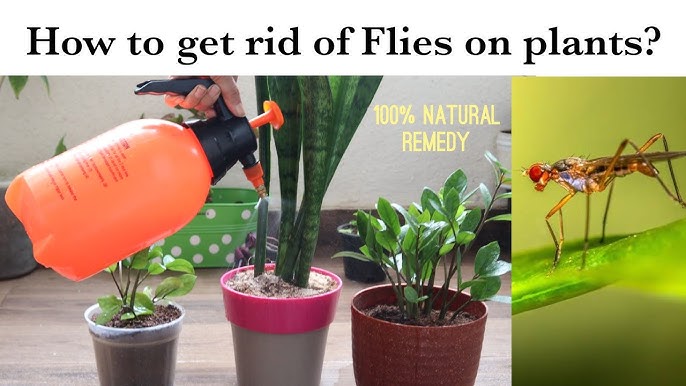
Imagine nurturing your indoor herb garden, watching the delicate leaves grow lush and green, only to find tiny gnats buzzing around, disrupting your peaceful oasis. These pesky insects can quickly become an unwelcome guest, turning your thriving herbs into a battle zone.
If you’re tired of swatting away gnats and worried about the health of your beloved plants, you’re not alone. Many indoor gardeners face this challenge, but the good news is, you can reclaim your garden from these intruders. We’ll explore simple and effective strategies to banish gnats for good, ensuring your herbs grow beautifully and your kitchen remains gnat-free.
Curious to learn more? Let’s dive into the solutions that will transform your gardening experience and restore tranquility to your home.

Credit: www.amazon.com
Identifying Gnats
Gnats are tiny flying insects often found near damp soil. Keep your indoor herb garden free of gnats by ensuring proper drainage and avoiding overwatering. Use yellow sticky traps to catch adult gnats and consider introducing beneficial nematodes to tackle larvae in the soil.
Identifying gnats in your indoor herb garden is crucial. These tiny pests can cause significant damage. Recognizing them early helps in managing the infestation effectively.Common Types Of Gnats
Gnats come in various types. Fungus gnats are common in indoor gardens. They are small, dark, and have long legs. Their larvae feed on plant roots. Fruit flies are another type. They are attracted to decaying organic matter. Their presence can indicate overripe produce nearby. Drain flies are also found indoors. They breed in moist environments like drains. Each type requires a different control approach.Signs Of Infestation
Spotting gnats early can save your herbs. Watch for small, flying insects around your plants. They often hover near the soil surface. Check for larvae in the soil. They resemble tiny, white worms. Damaged roots are another sign. Plants may wilt or grow poorly. Sticky traps can also reveal an infestation. If traps capture many gnats, action is needed. Detecting these signs early is key to protecting your garden.
Credit: www.facebook.com
Causes Of Gnat Infestation
Excess moisture and decaying organic matter attract gnats to indoor herb gardens. Overwatering plants and leaving decaying leaves can create ideal breeding conditions.
Gnats can be a pesky problem in your indoor herb garden, and understanding the causes of their infestation is key to tackling them effectively. These tiny insects can quickly multiply, turning your green oasis into a breeding ground for irritation. The good news is, once you identify the root causes, you can take steps to eliminate them for good. Let’s delve into the main culprits behind gnat infestations.Overwatering Issues
One of the most common causes of gnat infestations is overwatering. Gnats are attracted to moist environments, and when your herb garden soil is consistently damp, it becomes the perfect habitat for these pests. You might think your herbs need a lot of water, but too much can do more harm than good. Consider watering your plants less frequently and ensuring the top inch of soil dries out between waterings. This not only keeps gnats at bay but also promotes healthier plant growth.Poor Soil Drainage
Another factor contributing to gnat infestations is poor soil drainage. When water can’t escape efficiently, it creates a soggy environment that gnats love. If you’ve ever noticed water pooling on the soil surface, it’s a clear sign your soil isn’t draining well. Choose pots with adequate drainage holes and consider adding a layer of gravel at the bottom to improve water flow. Better drainage means less water retention, which helps prevent gnats from settling in.Humidity Factors
Humidity plays a significant role in attracting gnats to your indoor herb garden. These tiny pests thrive in humid conditions, especially if your garden is in a warm area of your home. While herbs generally enjoy some humidity, excessive levels can encourage gnat activity. You might want to assess the humidity levels in your garden space and consider using a dehumidifier if necessary. This simple adjustment can make a big difference in keeping your plants pest-free. Have you ever wondered how a few simple changes can transform your garden from a pest paradise to a flourishing herb haven? By addressing these causes, you’re not just fighting gnats; you’re fostering a healthier environment for your herbs.Natural Remedies
Natural remedies can effectively manage gnats in indoor herb gardens. Use apple cider vinegar traps to attract and drown them. Introduce beneficial nematodes to eliminate larvae in the soil.
Natural remedies offer an eco-friendly way to tackle gnats in your indoor herb garden. These solutions are safe for plants and humans, ensuring your herbs remain healthy. Let’s explore some effective natural methods to keep gnats at bay.Using Vinegar Traps
Creating vinegar traps is simple and effective. Fill a shallow bowl with apple cider vinegar. Add a few drops of dish soap. The scent attracts gnats, while the soap traps them. Place the bowl near the affected plants. This method is budget-friendly and easy to implement.Essential Oils Solutions
Certain essential oils repel gnats. Peppermint and lavender oils work well. Mix a few drops with water in a spray bottle. Spray lightly on your herbs and surrounding areas. This not only deters gnats but also leaves a pleasant scent.Neem Oil Applications
Neem oil is a natural insecticide. Dilute neem oil with water. Apply directly to your plants using a spray bottle. This disrupts the lifecycle of gnats, reducing their population. Neem oil is safe for herbs and can be used regularly.Chemical Treatments
Chemical treatments can effectively eliminate gnats in your indoor herb garden. Use neem oil or insecticidal soap to target pests directly, ensuring your herbs remain healthy and gnat-free.
Chemical treatments can effectively rid your indoor herb garden of gnats. They offer a quick solution when natural methods fall short. But safety must come first. Choose pesticides that won’t harm your herbs or your health. Understanding the correct application techniques ensures success and minimizes risks.Selecting Safe Pesticides
Safety is key in selecting pesticides for your herb garden. Opt for products labeled safe for edible plants. Organic pesticides are often a good choice. They use natural ingredients to control pests. Look for neem oil or insecticidal soap as active ingredients. These are gentle on plants but tough on gnats.Application Techniques
Proper application is crucial for effectiveness. Read the pesticide label carefully before use. Follow the instructions to the letter. Use a spray bottle for even coverage on the plants. Aim for both the tops and undersides of leaves. Gnats may hide in the soil, so treat the soil surface too. Apply in the morning or evening to prevent plant damage from the sun. Wear gloves and a mask to protect yourself during application.Preventive Measures
Keep your indoor herb garden free from gnats by reducing excess moisture and improving drainage. Regularly check for overwatering and ensure pots have proper airflow. Using yellow sticky traps can help catch and control gnat populations effectively.
Preventive Measures Keeping gnats at bay in your indoor herb garden starts with a few simple, preventive measures. By implementing these, you can create an environment that is less inviting to these pesky insects. Let’s explore some practical tips to safeguard your precious herbs.Proper Watering Practices
Overwatering is a magnet for gnats. Ensure your herbs are only watered when the top inch of soil feels dry to the touch. I once made the mistake of watering my herbs daily, thinking it was beneficial. It wasn’t long before gnats took over. Adjusting my watering schedule made a world of difference. Using a moisture meter can help you avoid overwatering. It’s a small investment with big benefits for your garden.Improving Soil Drainage
Good drainage is crucial. Poorly draining soil stays moist, creating a gnat-friendly environment. Consider mixing perlite or sand with your potting soil. These materials improve drainage and prevent water from pooling at the roots. Always check that your pots have drainage holes. If not, drill some or consider repotting into containers that do.Maintaining Air Circulation
Stagnant air can contribute to gnats. Ensure your herbs are placed in a spot with good air circulation. A small fan can work wonders. It keeps the air moving and helps dry out the soil surface. Are your herbs packed too closely? Space them out to allow air to flow freely between the plants. Incorporating these preventive measures will help you enjoy a gnat-free indoor herb garden. With a little attention and care, your herbs can thrive without the nuisance of these tiny intruders.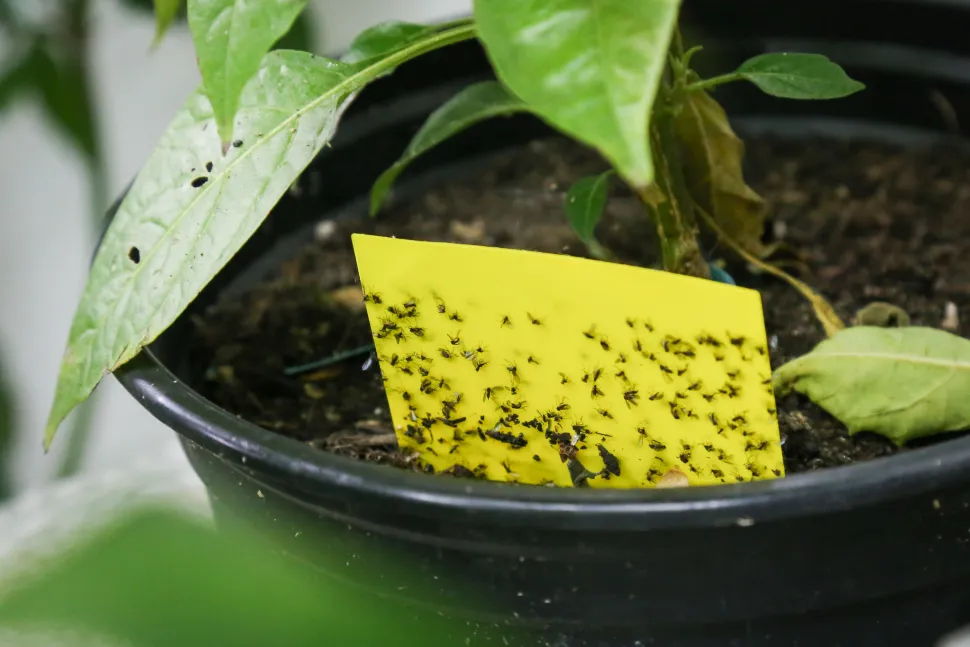
Credit: www.monstera-app.com
Expert Advice
Eliminate gnats in your indoor herb garden by removing excess moisture and using natural repellents like vinegar traps. Maintain healthy plants by ensuring proper air circulation and avoiding overwatering.
Expert advice can be invaluable when you’re dealing with the pesky problem of gnats in your indoor herb garden. These tiny invaders can wreak havoc on your plants, disrupting the harmony of your green sanctuary. By seeking guidance from professionals and engaging with communities of fellow gardeners, you can find effective solutions to keep your garden thriving and gnat-free.Consulting Horticulturists
Reaching out to horticulturists can provide you with tailored strategies for tackling gnats. These plant experts can offer insights into the specific needs of your herbs and suggest adjustments to your care routine. Whether it’s altering your watering schedule or recommending natural repellents, their advice is grounded in scientific understanding. Imagine discussing your garden’s issues with someone who has dedicated their career to plant care. Their suggestions might surprise you, perhaps advising the use of beneficial insects like nematodes or introducing certain types of soil amendments. These professionals have seen it all, and their experience can be your greatest ally.Learning From Gardening Communities
Gardening communities are treasure troves of shared wisdom. By joining forums or local gardening groups, you can tap into a wealth of collective knowledge. These spaces allow you to ask questions, share experiences, and learn from others who have faced similar challenges. Consider the power of community-driven solutions. You might discover unconventional methods, like using homemade traps or essential oil sprays, that have worked wonders for other gardeners. Engaging with these communities can also be a source of encouragement, reminding you that you’re not alone in your quest to maintain a healthy indoor herb garden. Have you ever thought about the stories your fellow gardeners might share? Their successes and failures can teach you invaluable lessons. By being part of a gardening community, you not only gain practical tips but also forge connections that enrich your gardening journey.Frequently Asked Questions
What Causes Gnats In Indoor Herb Gardens?
Gnats are often attracted to moisture and organic matter. Overwatering your plants or decaying plant material can create ideal conditions for gnats. Ensure proper drainage and remove any dead leaves or debris. Keeping the soil surface dry between waterings can help prevent infestations.
How Can I Prevent Gnats Naturally?
To prevent gnats naturally, use sticky traps or essential oils like peppermint. Cinnamon sprinkled on soil can deter gnats. Ensure proper drainage to avoid excess moisture. Regularly remove debris and dead leaves to reduce breeding grounds for gnats.
Are Gnats Harmful To Indoor Herbs?
Gnats can be harmful as their larvae feed on plant roots. This can weaken the plants and stunt growth. Though adult gnats are mainly nuisances, controlling infestations is crucial to protect your herb garden from damage.
How Do I Control Gnats Effectively?
To control gnats, use sticky traps and insecticidal soap. Ensure proper soil drainage and reduce watering frequency. Remove decaying plant material regularly. Introduce beneficial insects like nematodes to target larvae and minimize gnat populations naturally.
Conclusion
Keep your indoor herb garden gnat-free with simple, effective strategies. Maintain dry soil by watering only when needed. Use sticky traps to catch adult gnats. Consider natural repellents like vinegar or essential oils. Regularly check your herbs for signs of pests.
Remove any dead leaves or debris promptly. Consistent care ensures healthy plants and fewer gnats. Enjoy a thriving, pest-free herb garden indoors. Happy gardening!







