Imagine stepping into your garden, hoping to see vibrant blooms and lush greens. Instead, you find unwelcome guests munching away on your beloved plants.
It’s frustrating, right? You invest time, energy, and love into your garden, only for these pesky bugs to threaten your hard work. But don’t worry—there’s a solution to every problem. In this guide, we’ll reveal simple, effective ways to rid your garden of these pests for good.
You’ll discover natural methods that protect your plants and ensure your garden thrives. Ready to reclaim your garden sanctuary? Let’s dive in and make your plants flourish again.
Common Garden Pests
Common garden pests can wreak havoc on your plants. They munch on leaves, suck sap, and spread diseases. Understanding these pests is crucial for maintaining a healthy garden. With the right knowledge, you can protect your plants and enjoy a thriving garden.
Identifying Insects
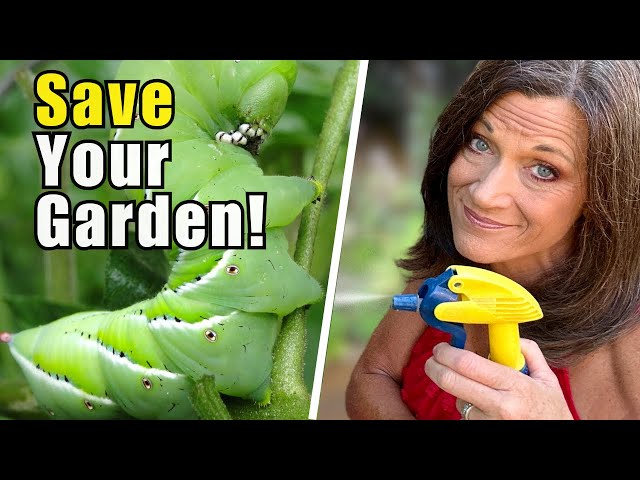
Spotting garden pests involves keen observation. Look for tiny insects on leaves and stems. Aphids appear as small, pear-shaped bugs in green, black, or brown. They often cluster on new growth. Caterpillars are larger and may have unique markings. They leave behind chewed leaves. Beetles are usually shiny and spotted. They can be found on flowers and foliage.
For smaller pests, a magnifying glass can help. Examine leaves for spider mites, which are tiny and red. Thrips are slender and barely visible. They leave silver streaks on leaves. Knowing the appearance of these insects aids in quick identification.
Signs Of Infestation
Infested plants show distinct symptoms. Look for yellowing leaves and stunted growth. Holes and ragged edges on leaves indicate chewing insects. Sticky residue or honeydew suggests sap-sucking pests like aphids. White or black spots can be signs of fungal infections brought by pests.
Check the undersides of leaves for eggs. Webbing is a telltale sign of spider mites. Dropping flowers signal thrips. Consistent monitoring can reveal early signs of trouble. Address issues promptly to prevent widespread damage.

Credit: www.littleyellowwheelbarrow.com
Natural Remedies
Natural remedies can effectively remove bugs from garden plants. Try using neem oil or soapy water solutions. These options protect plants without harmful chemicals, promoting a healthier garden environment.
Natural remedies offer a gentle way to deal with garden pests. They keep plants healthy without harming the environment. Many gardeners prefer these methods for their simplicity and safety. Let’s explore some effective natural solutions.Homemade Sprays
Homemade sprays can deter bugs effectively. They are easy to make and use. Mix water with dish soap for a simple insecticide. Spray on leaves to kill soft-bodied insects like aphids. Another option is a garlic spray. Crush garlic cloves and soak them in water overnight. Strain and spray this mixture on plants. It repels many pests with its strong smell.Companion Planting
Companion planting is a smart way to reduce pests. Planting certain plants together can deter bugs naturally. Marigolds are excellent companions for many vegetables. They repel nematodes and other harmful insects. Basil planted near tomatoes can keep flies away. Nasturtiums attract aphids, keeping them off other plants. This method promotes a healthier garden ecosystem.Chemical Treatments
Chemical treatments can effectively eliminate bugs from garden plants. These solutions target and remove pests, protecting plant health. Always follow instructions carefully to ensure safety.
When pests invade your garden, reaching for chemical treatments can be an effective solution to protect your precious plants. Chemical treatments offer a powerful way to combat stubborn bugs, but it’s crucial to use them wisely to ensure safety for both your plants and the environment. Let’s dive into the details of selecting the right products and applying them safely.Choosing The Right Products
Selecting the right chemical treatment requires careful consideration. There are countless options on the market, ranging from insecticidal soaps to systemic pesticides. Before purchasing, identify the specific pest problem. Are aphids wreaking havoc on your roses? Or is it spider mites on your tomatoes? Choose a product specifically formulated for the pest you’re dealing with. Read labels meticulously. Look for products that are safe for edible plants if you’re treating a vegetable garden. Consider opting for eco-friendly products that minimize harm to beneficial insects like bees and ladybugs.Safe Application Techniques
Applying chemical treatments safely is essential to avoid damage to your plants and to protect yourself. Always wear protective gear, including gloves and masks, when handling chemicals. Follow the instructions on the label to the letter. Over-application can harm your plants and the surrounding soil. Consider using a fine spray nozzle for even coverage without drenching the plants. Timing is everything. Apply treatments in the early morning or late afternoon to prevent the chemicals from evaporating too quickly in the heat. Also, avoid applying before rain to prevent the product from washing away. Have you ever thought about the balance between effective pest control and environmental responsibility? Striking this balance can lead to a healthier garden and a safer ecosystem.
Credit: www.youtube.com
Preventive Measures
Preventing bugs from munching on your garden plants is not just about reacting to an invasion; it’s about creating an environment where pests find it hard to thrive. With a few simple measures, you can transform your garden into a fortress against unwanted invaders. Let’s dive into some preventive strategies that will help you keep your plants healthy and bug-free.
Healthy Soil Practices
Healthy soil is the bedrock of a resilient garden. When your soil is rich and well-balanced, your plants grow stronger and are better equipped to fend off pests. Start by testing your soil to understand its nutrient profile. This simple step can guide you in adding the right fertilizers.
Consider adding organic matter, such as compost or well-rotted manure, to your soil. This not only improves its structure but also enhances its microbial activity. These microbes play a crucial role in decomposing organic material and releasing nutrients that your plants can easily absorb.
Have you ever noticed how some gardens seem to thrive without much intervention? Often, the secret lies in crop rotation. By changing the location of your plants each season, you can prevent pests from establishing a foothold. Additionally, rotating crops helps in maintaining soil health and reduces the risk of disease build-up.
Regular Plant Maintenance
Regular maintenance is your first line of defense against pests. Start by inspecting your plants frequently. Look for signs of distress such as discolored leaves, stunted growth, or visible bugs. Early detection is key to managing pests before they become a problem.
Pruning is another critical aspect of maintenance. By trimming away dead or diseased parts of a plant, you improve air circulation and reduce the chances of pest infestation. This also encourages new growth, which is often more resilient.
Watering your plants correctly can also make a big difference. Overwatering can lead to root rot, creating a haven for pests. On the flip side, underwatered plants are stressed and more vulnerable to attacks. Consider drip irrigation systems that deliver water directly to the root zone, minimizing wastage and ensuring your plants receive just the right amount of moisture.
As you nurture your garden, think about how each action can contribute to pest prevention. Are there practices you can adopt today that will make your garden less inviting to bugs tomorrow?
Biological Controls
Dealing with garden pests can often feel like a never-ending battle, but biological controls offer a sustainable and eco-friendly solution. Instead of relying on chemical pesticides, which can harm the environment and beneficial organisms, biological controls leverage nature’s own systems. This method uses living organisms to suppress pest populations, ensuring your plants thrive without unwanted visitors.
Beneficial Insects
Have you ever considered enlisting bugs to fight bugs? Beneficial insects are your garden’s secret weapon. Ladybugs, for example, are voracious eaters of aphids and can significantly reduce their numbers. Praying mantises and lacewings are also effective predators. They target not only aphids but also caterpillars and other harmful insects. By attracting these helpful allies to your garden, you create a balanced ecosystem where pests are naturally kept in check.
Introduce these beneficial insects by purchasing them online or at garden centers. Once released, they will make themselves at home, patrolling your plants for pests. Encourage them to stay by planting a variety of flowers that provide nectar and pollen.
Microbial Solutions
Have you heard about the power of microbes in pest control? Microbial solutions, such as Bacillus thuringiensis (Bt), are a game-changer. Bt is a naturally occurring bacterium that targets specific insect larvae, making it an effective tool against caterpillars and other pests. It’s safe for humans and beneficial insects, so you don’t have to worry about collateral damage. Simply spray it on your plants, and let it work its magic. The pests will ingest the bacteria, which will disrupt their digestion, ultimately eliminating them.
Another microbial option is nematodes, which are tiny parasitic worms. These organisms seek out and destroy soil-dwelling pests like grubs and beetle larvae. By introducing nematodes to your garden, you can control pests at their root, quite literally.
Using these biological controls can transform your garden into a thriving, pest-free haven. Why not give it a try and see the difference it makes? Your plants—and the environment—will thank you.
Monitoring And Maintenance
Regular checks on garden plants help spot bugs early. Remove pests using safe sprays or natural remedies. Keep plants healthy with proper watering and sunlight.
Monitoring and maintaining your garden is key to keeping bugs at bay. Regular checks help catch problems early. Adapting methods ensures plants stay healthy. This section will guide you through essential practices.Regular Inspections
Inspect plants every week. Look for signs of bugs or damage. Check leaves, stems, and soil. Keep an eye out for holes or yellowing. Use a magnifying glass if needed. Early detection is crucial. It prevents larger infestations.Adjusting Strategies
Not all methods work the same. Different bugs require different approaches. If one method fails, try another. Rotate treatments to avoid resistance. Keep records of what works. Adjust as needed for best results. This flexibility keeps your garden thriving.
Credit: www.youtube.com
Frequently Asked Questions
What Natural Remedies Kill Garden Pests?
Natural remedies like neem oil, diatomaceous earth, and insecticidal soap effectively kill garden pests. Neem oil disrupts insect growth and reproduction. Diatomaceous earth dehydrates pests, while insecticidal soap suffocates them. Apply these remedies directly on affected plants for best results.
How To Prevent Bugs On Garden Plants?
Prevent bugs by maintaining plant health and cleanliness. Regularly inspect plants for signs of infestation. Use companion planting, such as marigolds, to deter pests. Employ proper watering techniques to avoid moisture buildup that attracts bugs. Mulching helps maintain soil moisture and temperature, reducing pest attraction.
Are Homemade Sprays Effective Against Garden Bugs?
Yes, homemade sprays can be effective against garden bugs. Mix water, dish soap, and garlic to create a natural insect repellent. Spray directly on infested plants. This solution can deter aphids and caterpillars. Ensure to test on a small plant area to avoid potential damage.
What Are Common Bugs In Gardens?
Common garden bugs include aphids, caterpillars, and slugs. Aphids suck plant sap, weakening plants. Caterpillars munch leaves, hindering growth. Slugs leave slime trails, feeding on foliage. Regular monitoring and applying natural remedies can help manage these pests effectively.
Conclusion
Taking care of garden plants is vital. Bugs can harm them. Use natural methods to keep bugs away. Regular checks help spot issues early. Healthy plants resist pests better. Clean tools prevent spread of bugs. Companion planting can deter pests.
Neem oil is safe for plants. Encourage helpful insects in the garden. Protecting plants means more blooms. Enjoy your garden’s beauty. Follow these tips for a bug-free garden. Happy gardening!