Imagine stepping into your garden, expecting vibrant blooms and lush greenery, only to find your beloved plants under attack by tiny, relentless invaders. Aphids, those pesky little pests, can quickly turn your gardening dream into a nightmare.
But don’t worry, you’re not alone in this fight! You’re about to discover effective ways to banish aphids from your garden for good. These simple strategies will empower you to reclaim your space and ensure your plants thrive without those uninvited guests.
Ready to transform your garden into a pest-free paradise? Keep reading to uncover the secrets to keeping aphids at bay and restoring your garden’s glory.
Identifying Aphids
Aphids are tiny pests that can cause big problems in gardens. They feed on plant sap, leading to weakened and unhealthy plants. Identifying these pests early can help save your garden from serious damage. Spotting them may require a close look, but once you know what to search for, it’s easy to recognize their presence.
Common Signs Of Infestation
Aphids often leave behind visible clues that they are feeding on your plants. Here are some signs:
- Sticky leaves due to honeydew secretion
- Curling or yellowing leaves
- Presence of black sooty mold
- Stunted plant growth
- Clusters of small bugs on stems and leaves
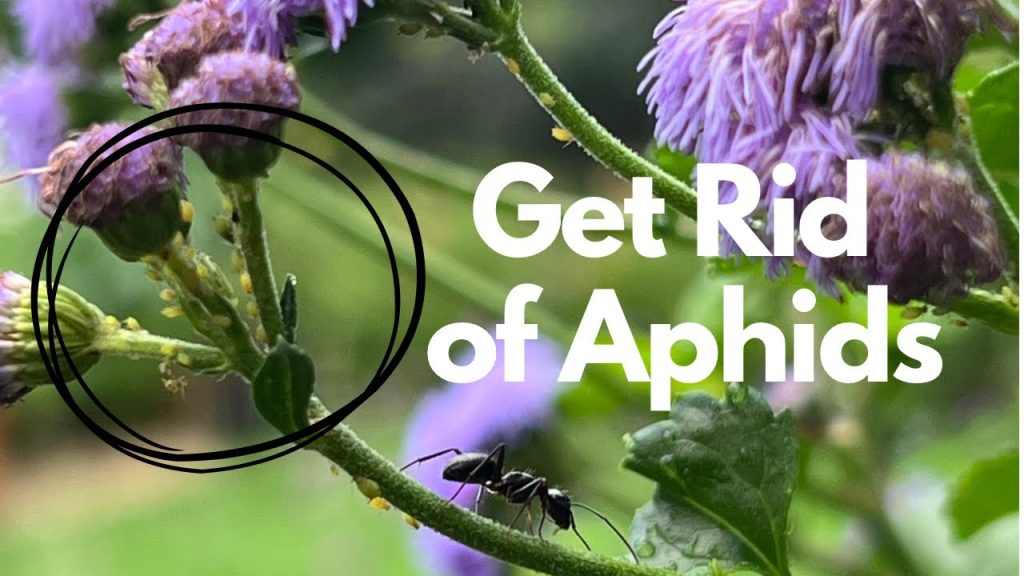
Honeydew can attract ants, which protect aphids from predators. Check for ants around your plants as they might indicate aphid presence.
Types Of Aphids In Gardens
Aphids come in various colors and sizes, each affecting different plants. Knowing their types helps in managing them effectively.
- Green Aphids:Common on roses, tomatoes, and other green plants.
- Black Aphids:Often found on beans and other legumes.
- White Aphids:Usually seen on cabbage and cauliflower.
- Yellow Aphids:Prefer cucumbers and melons.
Colors help identify which type of aphid you are dealing with. This can guide you in choosing the best treatment for your plants.
Natural Predators
Ladybugs feast on aphids, keeping your garden healthy. Introduce these natural predators to control aphid populations effectively. Their presence helps maintain plant vitality without chemical interventions.
Natural predators play a crucial role in controlling aphid populations in your garden. These helpful allies can significantly reduce the need for chemical pesticides, promoting a healthier environment for both plants and pollinators. By understanding and attracting these beneficial creatures, you can create a thriving ecosystem in your backyard.Beneficial Insects
One of the most effective natural predators of aphids are ladybugs. These vibrant beetles can devour hundreds of aphids in their lifetime. Lacewings are another ally; their larvae are particularly voracious, consuming aphids at an impressive rate. Parasitic wasps, though small, pack a punch against aphids. They lay their eggs inside aphids, and the developing larvae consume the host from within. This natural cycle helps keep aphid numbers in check without any intervention from you. Hoverflies are often mistaken for bees, but their larvae are fierce aphid predators. They not only help control aphid populations but also contribute to pollination, making them a double asset in your garden.Attracting Predators To Your Garden
To invite these beneficial insects into your garden, start by planting a variety of flowering plants. Flowers like dill, fennel, and marigolds provide nectar and pollen, attracting adult insects that prey on aphids. Maintaining a small water source, like a shallow dish with pebbles, can also help. Beneficial insects need water, and a simple addition can make your garden more inviting. Avoid using broad-spectrum pesticides, which can harm these helpful predators. By reducing chemical use, you create a more welcoming environment for natural aphid control. Consider adding a bug hotel or nesting areas to your garden. These provide shelter and encourage beneficial insects to stay and thrive, enhancing your garden’s natural pest control system. Have you noticed more butterflies and bees in your garden lately? That might be a sign your garden is becoming a haven for beneficial insects, working tirelessly to keep aphids at bay.Homemade Remedies
Eliminate aphids naturally with homemade remedies. Spray plants with a mix of water and dish soap. Introduce ladybugs to your garden for effective aphid control.
Dealing with aphids in your garden can be frustrating, but you don’t always need to rush to chemical solutions. Homemade remedies offer a safe, cost-effective, and eco-friendly alternative to combat these pesky insects. Not only do these solutions protect your plants, but they also ensure that your garden remains a haven for beneficial insects. Let’s explore some practical homemade remedies that can help you take control of aphid infestations.Soap And Water Solution
A simple soap and water solution can effectively disrupt aphids’ ability to feed. Just mix a few teaspoons of mild dish soap with a quart of water. Spray this mixture onto the affected plants, ensuring you cover both the tops and undersides of leaves. The soap breaks down the protective outer layer of aphids, causing them to dehydrate and die. Remember to repeat the application every few days to tackle any new aphids that might appear. Have you ever considered how easy it is to create a powerful remedy with ingredients already in your kitchen?Neem Oil Application
Neem oil is a powerful natural insecticide that can deter aphids without harming beneficial insects. Mix a tablespoon of neem oil with a gallon of water and a few drops of dish soap. Spray this mixture directly onto your plants, targeting areas with high aphid activity. Neem oil not only kills aphids but also disrupts their reproductive cycle, providing long-term relief. It’s fascinating to see how a single application can make a significant difference in your garden’s health. Have you tried neem oil in your garden, and noticed the change in insect behavior?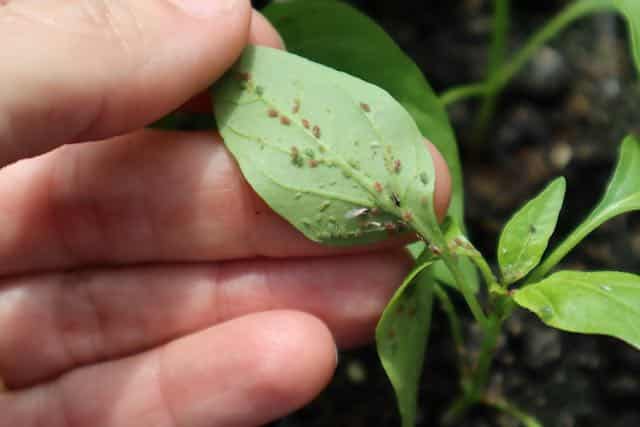
Credit: journeywithjill.net
Chemical Treatments
Chemical treatments can effectively eliminate aphids on garden plants. Use insecticidal soap or neem oil for best results. Spray directly on affected areas to ensure thorough coverage.
Chemical treatments can be effective in controlling aphid infestations. They offer quick results when natural methods fail. These treatments involve using pesticides or insecticidal sprays. They target aphids directly, eliminating them from your garden. Yet, using chemicals requires caution. Understanding when and how to use them is crucial.When To Consider Pesticides
Chemical treatments should be a last resort. Consider them when aphid populations are high. Use them if natural methods don’t work. Pesticides are useful when the damage is severe. They help when plants are wilting or stunted. Choose chemical solutions when you notice sticky residue on leaves.Safe Use Of Chemical Sprays
Safety is key with chemical sprays. Always read the label instructions. Follow the recommended dosage precisely. Wear protective clothing, gloves, and masks. Avoid spraying on windy days to prevent drift. Keep children and pets away from treated areas. Store chemicals in a safe place, out of reach. Use them in the early morning or late evening. This reduces harm to beneficial insects. Proper disposal of empty containers is important. Never reuse chemical containers.Preventive Measures
Start by inspecting plants regularly to catch aphid infestations early. Introduce natural predators like ladybugs to control their population. Use insecticidal soap or neem oil for effective treatment.
Preventing aphid infestations in your garden is much easier than dealing with a full-blown attack. By implementing a few simple strategies, you can keep these pesky insects at bay and ensure your plants thrive. Prevention not only saves your plants but also your time and energy.Companion Planting
Companion planting is a smart way to deter aphids naturally. Certain plants can repel aphids, acting as a shield for your garden. Consider planting garlic, onions, or marigolds alongside your vulnerable plants. These aromatic plants emit scents that aphids dislike. Additionally, they can attract beneficial insects like ladybugs, which feast on aphids. Have you tried planting herbs like mint or basil? They too can serve as natural repellents.Regular Monitoring And Maintenance
Regularly monitoring your garden is crucial. Make it a habit to inspect plants closely for any signs of aphids or other pests. Early detection can prevent major infestations. Check the underside of leaves where aphids often hide. You can also gently shake the plant to dislodge any hidden insects. Maintenance tasks like trimming and cleaning up debris can minimize hiding spots for aphids. Are your plants looking crowded? If so, thinning them out can improve air circulation, reducing aphid attraction.
Credit: ca.sports.yahoo.com
Understanding Aphid Life Cycle
Understanding the life cycle of aphids is key to managing them effectively. These pests multiply rapidly on garden plants, causing damage. Control methods include removing infested leaves, using insecticidal soap, and encouraging natural predators like ladybugs.
Understanding the aphid life cycle is key to controlling them. Knowing how they live helps you find their weak points. It makes it easier to manage their presence in your garden.Reproduction And Growth
Aphids reproduce quickly. Most are females who give birth without mating. This process is called parthenogenesis. It allows them to multiply fast. Young aphids, or nymphs, grow into adults in a week. They shed their skin several times as they grow. This rapid growth makes them hard to control. Catching them early is important.Seasonal Patterns
Aphids thrive in warm weather. They are more active in spring and summer. During these seasons, they reproduce rapidly. In colder months, some lay eggs that survive the winter. These eggs hatch when it gets warm again. Understanding these patterns helps you plan control measures. Timing is crucial to keep them in check.Impact Of Aphids On Plants
Aphids, tiny insects, can cause significant harm to garden plants. They sap vital nutrients, weakening the plants. This diminishes plant health and beauty. Understanding their impact helps in effective management.
Damage To Leaves And Stems
Aphids feed by piercing plant tissues. This damages leaves and stems. Leaves may curl, yellow, or drop prematurely. Stems become weak and stunted. The plant’s overall growth slows down. These visible signs indicate an aphid infestation.
Transmission Of Plant Diseases
Aphids are vectors for various plant diseases. They spread viruses as they move between plants. This transmission can be rapid and destructive. Infected plants may show mottled leaves and stunted growth. Some diseases even lead to plant death. Preventing aphid spread is crucial for plant health.
Long-term Solutions
Long-term solutions are key to controlling aphids in your garden. These solutions not only address the current infestation but also prevent future ones. By creating a healthy environment, plants thrive without the threat of these pests. Implementing sustainable practices ensures your garden remains a beautiful and productive space.
Creating A Balanced Ecosystem
Encourage natural predators to keep aphids in check. Ladybugs and lacewings feast on these pests. Plant diverse species to attract these beneficial insects. Marigolds and dill work well. Maintain healthy soil to support a variety of life. Compost and mulch add nutrients and attract earthworms. Birds also help control aphids. Install bird feeders to invite them into your garden.
Sustainable Gardening Practices
Choose plants that are resistant to aphids. Native species adapt better to local conditions. Practice crop rotation to prevent pests from establishing a foothold. Rotate different plant families each year. Water plants deeply but less frequently. This encourages strong root growth and reduces stress. Avoid chemical pesticides as they harm beneficial insects. Use organic alternatives like neem oil. Regularly inspect plants for signs of aphids. Early detection helps manage infestations effectively.

Credit: www.aol.com
Frequently Asked Questions
What Are Aphids On Garden Plants?
Aphids are small, sap-sucking insects that infest garden plants. They can cause damage by feeding on plant juices. This weakens plants and may lead to stunted growth. Aphids are often found in clusters on new plant growth. They can transmit diseases and attract ants due to the honeydew they produce.
How Do Aphids Harm Garden Plants?
Aphids harm garden plants by sucking sap, which weakens them. This can lead to yellowing leaves and stunted growth. They also produce honeydew, which attracts ants and can cause sooty mold. Furthermore, aphids can transmit plant viruses, further damaging the plant’s health.
What Natural Methods Control Aphids?
Natural methods include introducing beneficial insects like ladybugs, which feed on aphids. You can also use neem oil or insecticidal soap to treat infestations. Companion planting with garlic or marigolds can deter aphids. Regularly spraying plants with water can dislodge them as well.
Can Neem Oil Eliminate Aphids Effectively?
Yes, neem oil is effective in controlling aphids. It disrupts their growth and reproduction. Neem oil is a natural insecticide that is safe for plants and beneficial insects. Apply it as directed, covering affected areas thoroughly. Repeat applications may be needed for best results.
Conclusion
Aphids can be a nuisance in any garden. But with these simple methods, your plants can thrive again. Regularly check your plants for aphids. Early detection is key. Use natural remedies like neem oil or soap sprays. They are safer for your garden.
Encourage helpful insects like ladybugs. They eat aphids and protect your plants. Keep plants healthy and strong. Strong plants resist aphid damage better. With patience and care, your garden can be free from aphids. Enjoy your beautiful, healthy garden without the pesky aphid problem.
Happy gardening!







