
Imagine stepping into your garden and seeing lush, vibrant plants thriving in healthy soil. Your garden can become a sanctuary of life and color, but it all begins with the foundation beneath your feet.
Getting your garden soil ready for planting is the crucial first step in creating a flourishing outdoor space. You may wonder, “Isn’t soil just dirt? ” While it might seem that way, soil is a living ecosystem that supports plant growth, provides nutrients, and affects how well your garden flourishes.
By understanding the simple steps to prepare your garden soil, you can transform it into a nurturing environment for your plants. Whether you’re a seasoned gardener or a beginner with a dream, this guide will show you how to optimize your soil for planting success. Get ready to unlock the secrets to a thriving garden, where every seed planted promises growth and beauty. Let’s delve into the art of preparing your garden soil and turn your gardening aspirations into reality.

Credit: www.facebook.com
Soil Testing Basics
Testing soil is essential for a thriving garden. Check pH levels and nutrients to ensure optimal plant growth. Amend soil based on test results for best planting conditions.
Preparing garden soil is crucial for healthy plants. Soil testing helps you understand what your soil needs. It checks nutrient levels and pH balance. These tests guide you to improve soil quality. This section covers soil testing basics.Why Soil Testing Is Important
Testing reveals soil health. It identifies nutrient deficiencies. It helps you know the pH level. Healthy soil supports strong plant growth.Types Of Soil Tests
Several tests check different soil aspects. Basic tests measure pH levels. Detailed tests analyze nutrient content. Some tests check soil texture.Tools For Soil Testing
You need specific tools for testing. A soil test kit is essential. It includes pH meters and nutrient tests. Some kits have instructions for use.How To Collect Soil Samples
Gather samples from different areas. Use a clean trowel to dig small holes. Mix soil from various spots. Avoid collecting wet soil.Interpreting Soil Test Results
Results show nutrient levels. They indicate if soil is acidic or alkaline. Recommendations accompany results. Follow advice to improve soil health.Amending Soil Based On Test Results
Use test results to guide amendments. Add lime for acidic soil. Use sulfur for alkaline soil. Apply fertilizers as needed.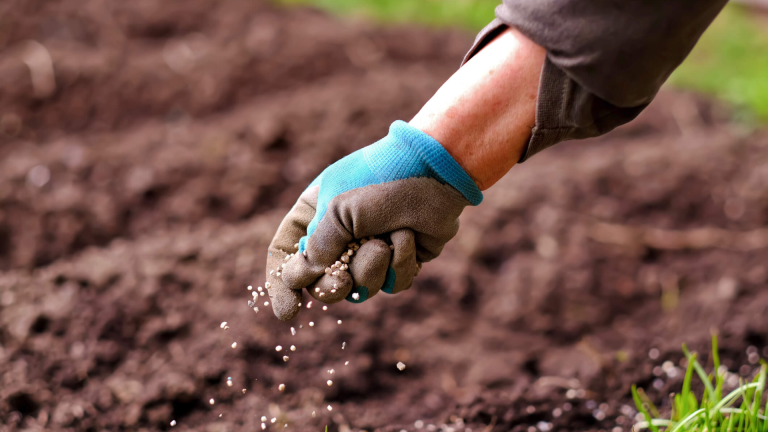
Credit: randylemmon.com
Improving Soil Quality
Improving soil quality is crucial for a healthy garden. Healthy soil leads to strong plants and bountiful harvests. Two effective strategies are composting and using organic matter. These methods enrich the soil, making it fertile and nutrient-rich.
Composting Benefits
Composting transforms kitchen scraps into valuable soil enhancers. It reduces waste and boosts soil health. Rich compost improves soil structure, enhancing drainage and aeration. It provides essential nutrients for plants, promoting growth.
Creating compost is easy. Start by collecting vegetable peels, coffee grounds, and eggshells. Mix them with yard waste like leaves and grass clippings. Turn the pile regularly to speed up decomposition.
Using Organic Matter
Organic matter is a gardener’s best friend. It includes materials like manure, peat moss, and leaf mold. These enrich the soil, improving its texture and nutrient content.
Organic matter enhances water retention, crucial for plant health. It encourages beneficial soil organisms that break down nutrients. Adding organic matter before planting prepares the soil for a successful growing season.
Spread organic matter evenly across your garden. Mix it into the top layer of soil for best results.
Balancing Ph Levels
Balancing pH levels ensures your garden soil is optimal for planting. Test soil regularly and adjust with lime or sulfur. This creates a healthy environment for plants.
Balancing pH levels in garden soil is crucial for healthy plants. It affects nutrient absorption and plant growth. A balanced pH ensures plants get essential nutrients. Most plants prefer a pH between 6.0 and 7.5. Regular testing helps maintain this balance.Ph Testing Techniques
Testing soil pH can be simple. Use a pH meter or test kit. Both provide accurate results. Follow instructions for reliable readings. Collect soil samples from different areas. Mix samples in a clean container. Add distilled water as per kit instructions. Insert pH meter or test strip. Compare results with pH scale provided.Adjusting Ph Naturally
To raise pH, use lime. It neutralizes acidic soil. Apply lime during fall or early spring. For lowering pH, use sulfur. It makes soil more acidic. Mix sulfur into the soil evenly. Organic matter like compost also helps. It improves soil structure and pH balance. Regularly add organic matter for best results.Nutrient Enrichment
Enhance garden soil by enriching it with essential nutrients. Add compost or organic matter to improve soil fertility. Mix thoroughly to ensure balanced nutrient distribution for healthy plant growth.
Preparing your garden soil for planting involves more than just turning over the earth. One crucial aspect is nutrient enrichment, which ensures your plants receive the essential elements they need to thrive. Without the right nutrients, even the most well-tended gardens can fall short of their potential. Whether you choose to use fertilizers or natural amendments, enriching your soil is vital for healthy plant growth.Essential Fertilizers
Fertilizers are a gardener’s go-to for boosting soil nutrient levels. They come in various forms, including granular and liquid, each with its own benefits. Granular fertilizers are easy to apply and break down slowly, providing long-term nourishment. Liquid fertilizers, on the other hand, offer a quick nutrient boost. They’re particularly useful if your plants show signs of nutrient deficiency. When applying fertilizers, ensure you follow the recommended guidelines to avoid over-fertilization, which can harm your plants. A balanced fertilizer containing nitrogen, phosphorus, and potassium (N-P-K) is often ideal. These are the primary nutrients that most plants need in large amounts. Have you ever tested your soil to determine what it specifically lacks? Soil testing can guide you in choosing the right fertilizer for your garden’s needs.Natural Amendments
For those who prefer a more organic approach, natural amendments are an excellent choice. Compost is one of the best natural amendments available. It enriches the soil with nutrients and improves its structure, making it more conducive for plant roots. Another great option is well-rotted manure. It’s rich in nutrients and can significantly enhance soil fertility. Just make sure it’s properly aged to avoid burning your plants. Have you considered using green manure? Planting cover crops like clover or rye and turning them into the soil adds organic matter and improves soil health. These natural options not only feed your plants but also help maintain a balanced ecosystem in your garden. By focusing on nutrient enrichment, you can transform your garden into a thriving, productive space. So, which method aligns with your gardening philosophy? Whether you lean towards synthetic fertilizers or natural amendments, the goal remains the same—healthy, nutrient-rich soil for your plants to flourish.Enhancing Soil Structure
Healthy soil is the foundation of a thriving garden. Enhancing soil structure improves plant growth and resilience. Good soil structure provides air, water, and nutrients to roots. This section explores methods to enhance soil structure effectively.
Tilling Vs. No-till
Tilling breaks up compacted soil and mixes organic matter. It aerates the soil, making it easier for roots to spread. Yet, excessive tilling can disrupt beneficial organisms. The no-till method preserves soil structure and life. It involves minimal disturbance, keeping layers intact. Choose based on your soil’s condition and garden goals.
Mulching Techniques
Mulching covers soil with organic materials like straw or wood chips. It retains moisture and regulates soil temperature. Mulch also suppresses weeds and adds nutrients as it decomposes. Apply a 2-3 inch layer around plants, avoiding stems. Choose materials that suit your garden’s needs and aesthetic.
Water Management
Preparing garden soil involves clearing debris and adding compost. Turn the soil to improve air flow and moisture retention. Test the soil pH to ensure proper nutrient balance for healthy plants.
Managing water effectively in your garden is crucial for ensuring healthy plant growth. The right balance of water can mean the difference between lush, thriving plants and struggling ones. Whether you’re a beginner or a seasoned gardener, understanding how to manage water in your garden soil can transform your planting experience. Let’s dive into some practical tips that will help you maintain an optimal water level for your garden.Irrigation Tips
Efficient irrigation is key to water management. Consider using a drip irrigation system. It delivers water directly to the base of the plants, minimizing water wastage and ensuring that moisture reaches the root zone. If a drip system isn’t an option, using a soaker hose can also be effective. This method allows water to seep slowly into the soil, reducing evaporation and runoff. To further conserve water, try watering in the early morning. This reduces water loss due to evaporation and gives plants a chance to absorb moisture before the sun heats the soil.Drainage Solutions
Good drainage is as important as proper irrigation. Poor drainage can lead to waterlogged soil and root rot. Test your soil by digging a small hole and filling it with water. If it doesn’t drain within a few hours, you may need to improve drainage. Consider adding organic matter like compost to your soil. This can improve soil structure and increase its ability to drain excess water. For areas with persistent drainage issues, creating raised beds might be the solution. Raised beds allow for better water control and can prevent water from pooling around your plants. By taking these steps, you can ensure that your garden soil is well-prepared for planting. How will you tweak your water management strategies this season?Timing Considerations
Preparing garden soil involves considering the right time to start. Early spring is ideal, when the ground is thawed. Avoid working soil when wet to prevent compaction.
Timing is crucial for preparing garden soil. Planting at the right time ensures healthy growth. Understanding seasonal changes helps achieve optimal results. Let’s explore some key timing considerations.Seasonal Adjustments
Different seasons affect soil conditions. In spring, soil is often wet and cold. Wait for it to dry and warm up. Test soil by squeezing a handful. If it crumbles, it’s ready. In fall, focus on enriching the soil. Add organic matter to improve nutrients. This prepares the ground for spring planting.Optimal Planting Windows
Each plant has a preferred planting time. Cool-season crops thrive in early spring. Warm-season plants prefer late spring or early summer. Check seed packets for specific planting dates. Keep local climate in mind. Planting too early or late can hinder growth. Use a planting calendar to plan your schedule. This ensures a bountiful harvest.Common Mistakes
Skipping soil testing can lead to poor plant growth. Overwatering soils may cause root rot. Adding too much fertilizer harms beneficial soil organisms.
Getting your garden soil ready for planting is a rewarding task that can lead to a bountiful harvest. However, some common mistakes can hamper your efforts and lead to disappointing results. Whether you’re a novice gardener or someone with a green thumb, understanding these pitfalls can make a world of difference in your gardening success.Avoiding Over-fertilization
It’s easy to assume that more fertilizer equals more growth, but this isn’t always the case. Over-fertilization can burn plant roots and lead to nutrient imbalances, ultimately harming your plants. Consider using a soil test kit to determine the nutrients your soil actually needs. This way, you can apply only the necessary fertilizers, ensuring your plants receive just the right amount of nourishment. Have you ever noticed yellowing leaves? That could be a sign of too much fertilizer. Staying vigilant about the signs your plants give you can save your garden from this common mistake.Preventing Soil Compaction
Compacted soil restricts root growth and reduces water absorption, which can stunt your plants’ development. Walking on garden beds or using heavy equipment on wet soil are surefire ways to compact it. To avoid this, create designated paths to walk on and work the soil when it’s dry. Adding organic matter like compost can also improve soil structure, making it more resistant to compaction. Ask yourself: Do you notice water pooling on the surface after rain? This could be a sign of compacted soil. Taking steps to aerate and lighten your soil can lead to healthier, more vibrant plants. By being mindful of these common mistakes, you can ensure your garden soil is in prime condition for planting. Remember, a little prevention goes a long way in nurturing a thriving garden.
Credit: uk.news.yahoo.com
Frequently Asked Questions
How Do I Test My Garden Soil?
Testing garden soil is crucial for healthy plants. Use a home soil test kit to check pH levels and nutrient content. Alternatively, send a soil sample to a local extension service for a detailed analysis. This helps you understand what amendments your soil needs.
What Is The Best Time To Prepare Garden Soil?
Prepare garden soil in early spring or fall. These seasons offer optimal conditions for soil amendments to break down. Early preparation ensures nutrients are available for planting. Avoid working the soil when it’s wet, as this can lead to compaction and poor drainage.
How Can I Improve Garden Soil Drainage?
Improving soil drainage involves adding organic matter like compost or well-rotted manure. These materials enhance soil structure and promote better water movement. Raised beds or sand can also help in heavy clay soils. Good drainage prevents root rot and supports healthy plant growth.
What Organic Matter Should I Add To Soil?
Add compost, well-rotted manure, or leaf mold to enrich soil. These organic materials improve soil structure and provide essential nutrients. They also enhance soil’s water retention and aeration. Regularly adding organic matter fosters a healthy environment for beneficial microorganisms.
Conclusion
Getting garden soil ready is key for healthy plants. Start with testing the soil. Add organic matter for nutrients. Remove weeds to clear the space. Ensure proper drainage to prevent waterlogging. Use mulch to retain moisture and protect roots. Regularly check for pests and diseases.
Your efforts will lead to vibrant blooms and a fruitful harvest. Gardening is a rewarding journey. Enjoy nurturing your green space. Happy planting and watch your garden thrive!







