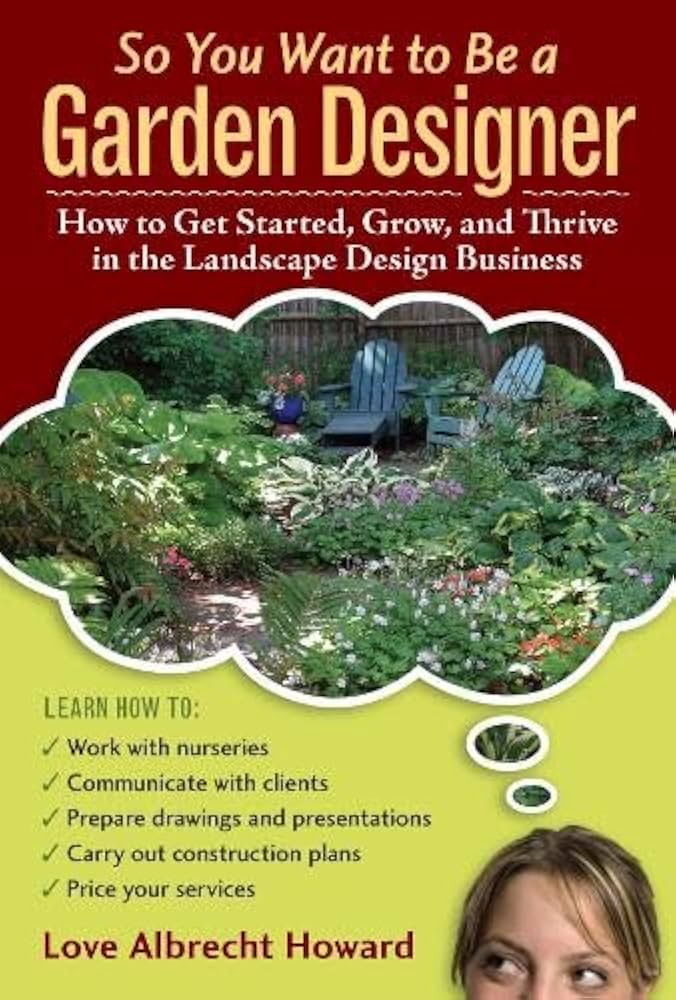
Have you ever dreamed of turning your passion for garden design into a thriving career? Imagine spending your days surrounded by nature, creating beautiful outdoor spaces that bring joy and relaxation to others.
You have the creativity, the skill, and the drive, but how do you turn those qualities into real garden design work? The answer might be simpler than you think. By understanding what clients are really looking for and positioning yourself as the solution to their garden dreams, you can start landing projects that not only fulfill your artistic desires but also pay the bills.
This article will guide you through actionable steps to get noticed, build your reputation, and secure garden design work that matches your vision. Keep reading to discover how you can transform your passion into a successful career.

Credit: www.amazon.com
Building A Portfolio
Creating a diverse portfolio showcases your garden design skills. Include photos of previous projects and sketches. This helps attract potential clients and demonstrates your expertise.
Building a portfolio is vital for garden design success. It showcases your skills. It helps attract clients. A well-crafted portfolio speaks volumes. It reflects your unique style. It highlights your past projects. It can be a powerful tool for gaining new work.Showcasing Your Style
Your portfolio should reflect your unique design style. Display your favorite projects. Use vibrant images. They can convey your design aesthetic better than words. Include a variety of designs. Show potential clients your versatility. Share your creative process. Explain how you approach each project. This gives insight into your design thinking.Highlighting Past Projects
Showcase your best past projects. Select diverse examples. Include different garden types. Residential gardens, public parks, or commercial spaces. Provide clear before-and-after images. They help clients see your impact. Write brief descriptions. Explain challenges and solutions. This demonstrates your problem-solving skills.Using Digital Platforms
Digital platforms are essential for portfolio sharing. Create an online portfolio. Use websites like Behance or personal blogs. They offer great visibility. Share your work on social media. Platforms like Instagram and Pinterest are popular. They reach a wide audience. Use keywords and hashtags wisely. They improve your work’s visibility.Networking Strategies
Connecting with local garden clubs can lead to potential clients. Attending community events helps showcase your design skills. Building relationships with landscapers may offer collaboration opportunities.
Networking is a powerful tool to get garden design work. Building meaningful connections can open doors to numerous opportunities in this creative field. By being proactive and engaging, you can become a known figure in your local and professional community.Joining Professional Groups
Professional groups are invaluable for garden designers. They offer a platform to share knowledge, learn about industry trends, and showcase your work. Joining associations such as the Association of Professional Landscape Designers can connect you with like-minded individuals and potential clients. Participate actively in these groups. Engage in discussions, volunteer for committees, or even lead a project. This visibility can position you as an expert and help you gain credibility in the industry.Attending Industry Events
Industry events provide excellent networking opportunities. Whether it’s a garden show, workshop, or seminar, attending these events can help you meet industry leaders and peers. These interactions can lead to collaborations or referrals. Make the most of these events by preparing in advance. Have your business cards ready and practice your elevator pitch. Approach people with genuine curiosity and interest, and don’t forget to follow up after the event to maintain the connection.Connecting With Local Businesses
Your local community is a goldmine for networking. Establishing connections with local businesses can lead to new projects. Think about nurseries, home improvement stores, or even real estate agencies that might need garden design services. Consider offering a free workshop or collaboration with these businesses to showcase your expertise. This can increase your visibility and foster trust within your community. Remember, a personal touch can make all the difference in forming lasting partnerships. Are you ready to expand your network and grow your garden design business? Focus on these strategies, and you’ll soon see the benefits of building strong professional relationships.Leveraging Social Media
Showcase garden designs on social media platforms to attract potential clients. Share stunning images and engaging stories about your projects. Connect with gardening enthusiasts and offer tips to build your network and reputation.
Leveraging social media can transform your garden design business. It connects you with potential clients and showcases your creative work. By crafting engaging content and building a loyal follower base, social media becomes a powerful tool. Collaborating with influencers further amplifies your reach. Let’s explore these strategies in detail.Creating Engaging Content
Visual appeal is key in garden design. Share high-quality images of your projects. Use before-and-after shots to highlight transformations. Short videos can demonstrate design processes. Write captions that tell a story about each project. Engage your audience with questions about their garden preferences.Growing Your Follower Base
Consistency is crucial for growth. Post regularly to keep your audience engaged. Respond to comments and messages promptly. Host online contests to increase interaction. Encourage followers to share your content with friends. Use social media platforms that align with your target audience.Collaborating With Influencers
Find influencers in the home and garden niche. They can introduce your work to a larger audience. Reach out with collaboration proposals. Offer them garden design tips or small projects. Their followers may become your potential clients. A successful partnership benefits both parties.Understanding Client Needs
Understanding client needs is crucial for securing garden design projects. Listen carefully to their vision and preferences. Ask questions to uncover details and expectations.
Understanding client needs is crucial in the garden design business. Knowing what clients want helps create designs that satisfy them. This understanding builds trust and leads to successful projects. Let’s explore how to understand client needs effectively.Conducting Effective Consultations
Meet clients to discuss their visions. Ask questions about their garden goals. Listen carefully to their ideas and concerns. Take notes on their preferences. Use this information to guide your design. A good consultation sets the foundation for a successful project.Identifying Design Preferences
Find out what styles clients like. Ask about colors and plant types they prefer. Show them examples of different designs. Ask for feedback on these examples. This helps determine their taste. Knowing their preferences ensures your design matches their vision.Tailoring Proposals
Create proposals that reflect client needs. Include their favorite elements in the design. Highlight how the proposal meets their goals. Make sure the proposal is clear and detailed. Tailored proposals show clients that you listened to them. This increases the chance of project approval.Pricing Your Services
Setting the right price for your garden design services can be a delicate balance. You want to ensure your rates reflect your expertise and the quality of work you deliver, while also being attractive to potential clients. Pricing your services effectively means knowing the market, offering value-packed packages, and being transparent in your estimates. Let’s dive into how you can achieve this.
Researching Market Rates
Understanding the going rates in your area is crucial. Spend time researching local competitors and their pricing structures. This insight allows you to position your services smartly. Consider factors like experience, project complexity, and client demographics. Are you charging more for bespoke designs or offering discounts for larger projects? Knowing these details helps set a baseline that aligns with market expectations.
Offering Competitive Packages
Packaging your services can be a game-changer. Consider offering tiered options, such as basic, standard, and premium packages. This gives clients flexibility and caters to different budgets. You might include additional perks like follow-up consultations or maintenance tips in higher-tier packages. Think about what makes your offering unique and irresistible. What value can you add that competitors may overlook?
Providing Transparent Estimates
Transparency builds trust. Always provide clear and detailed estimates that outline all costs involved. Break down the expenses, including design fees, materials, and labor. Clients appreciate knowing exactly what they’re paying for. Use tools or software to create professional estimates that can be easily adjusted as needed. How can you ensure clients feel confident in your pricing? Open communication is key; be ready to explain and justify your rates clearly.
Staying Updated On Trends
Stay informed on garden design trends by following industry blogs and attending workshops. Engage with online forums to exchange ideas and gather inspiration from fellow enthusiasts.
Staying Updated on Trends Staying ahead in garden design requires knowing current trends. Keeping up with changes in design styles is crucial. It helps you offer fresh ideas to clients. New trends can inspire creativity and innovation.Following Industry Leaders
Follow leading designers and their work for inspiration. Industry leaders often set trends. They share insights on blogs and social media. Subscribe to their newsletters for regular updates. Attend their webinars to learn directly from them.Adapting To New Techniques
New techniques can transform garden design. Learn about new materials and technologies. They can improve your designs significantly. Experiment with different styles and layouts. This keeps your work fresh and appealing.Incorporating Sustainable Practices
Sustainability is a growing trend in garden design. Use eco-friendly materials and methods. Incorporate native plants to support local ecosystems. Focus on water conservation techniques. Clients appreciate designs that are good for the planet.Enhancing Design Skills
Building a portfolio with diverse garden designs attracts potential clients. Networking with local nurseries and landscapers increases visibility. Attending design workshops enhances creativity and skills.
Enhancing your garden design skills is crucial for landing more projects and impressing clients. Whether you’re just starting out or looking to refine your abilities, focusing on improving your design skills can lead to creative breakthroughs and more opportunities in the field. Let’s delve into some effective strategies to boost your design prowess.Pursuing Continuous Education
Education doesn’t stop once you’ve completed formal training. Consider enrolling in workshops and courses to stay updated with the latest trends. Online platforms offer a wealth of resources that can fit into your schedule. Attending industry conferences can also provide valuable insights. You might discover innovative techniques and meet potential mentors who can guide your career. Reading design books and subscribing to relevant magazines can keep your knowledge fresh. Aim to consume a mix of traditional and contemporary design ideas.Experimenting With New Concepts
Experimentation is a fertile ground for creativity. Why not try mixing styles, like combining modern elements with rustic charm? This can lead to unique designs that stand out. Sketching new ideas can be a quick way to visualize changes. Use these sketches to play with different layouts and plant combinations. Don’t hesitate to redesign your own garden as a testing ground. It offers a risk-free environment to try bold ideas without the pressure of client expectations.Seeking Feedback And Critiques
Feedback is a valuable tool for growth. Share your designs with peers and ask for their honest opinions. Constructive criticism can highlight areas you might overlook. Consider joining design forums or online communities. Engaging with others who share your passion can provide diverse perspectives. Invite clients to offer feedback post-project. Their insights can pinpoint what worked well and what could improve, paving the way for future success. As you explore these avenues, ask yourself: How can these strategies reshape your approach to garden design? The answer could lead to transformative changes in your creative process.
Credit: www.instagram.com

Credit: www.sunset.com
Frequently Asked Questions
What Skills Do Garden Designers Need?
Garden designers need creativity, knowledge of plants, and landscape architecture skills. They must understand soil, climate, and gardening techniques. Effective communication with clients is also essential. Additionally, proficiency in design software can enhance their ability to create detailed plans and presentations.
Continuous learning about trends and sustainable practices is beneficial for success.
How Can I Find Garden Design Clients?
Start by networking with local garden centers, nurseries, and landscaping companies. Create a professional portfolio showcasing your work. Use social media platforms to share your designs and engage with potential clients. Attend local gardening events and workshops to meet potential clients.
Consider joining professional garden design associations for more exposure.
What Should I Charge For Garden Design Work?
Pricing varies based on experience, project size, and location. Research local market rates to set competitive prices. You might charge hourly or per project. Consider factors like design complexity, materials, and travel expenses. Offering tiered pricing packages can attract a wider range of clients.
Always clearly communicate your rates to clients upfront.
How Do I Create A Garden Design Portfolio?
Start with high-quality photos of your best projects. Include a variety of garden styles and sizes. Highlight before-and-after shots to show transformation. Use design software to create detailed plans and sketches. Write brief descriptions of each project, focusing on challenges and solutions.
Keep your portfolio updated with your latest work.
Conclusion
Finding garden design work takes effort and passion. Build a strong portfolio. Highlight your unique skills. Connect with potential clients. Attend gardening events and workshops. Network with other professionals. Use social media to showcase your designs. Engage with online communities interested in garden design.
Keep learning and stay updated with trends. Be open to feedback from clients and peers. Consistent dedication leads to success. Enjoy the creative process. Your garden designs will bloom with opportunities. Stay committed and watch your career grow.







