Imagine stepping outside to a garden filled with vibrant colors and lush greenery. That’s the dream, right?
You can turn it into reality with a raised garden bed. But to ensure your plants thrive, preparing this bed for planting is key. Whether you’re a seasoned gardener or a newbie with a green thumb, knowing the right steps can make all the difference.
You’re probably wondering where to start. The good news is, you don’t need to be a gardening expert to get it right. With just a few simple tips, you can transform your raised garden bed into a flourishing paradise. From choosing the best soil to understanding the ideal layout, each step plays a crucial role in your garden’s success. Dive in to discover how you can make your raised garden bed the envy of your neighborhood. Your plants deserve the best start. And so do you. Ready to create a garden that’s not just good, but great? Let’s get your raised garden bed ready for planting!
Choosing The Right Location
Selecting the ideal location for a raised garden bed ensures healthy plant growth. Choose a spot with ample sunlight and good drainage. Avoid shaded areas to maximize plant productivity.
Choosing the Right Location The location of your raised garden bed is crucial for its success. Imagine investing time and effort into growing your favorite vegetables, only to see them struggle because they’re not in the optimal spot. Thoughtful planning will ensure your plants get the best start possible. Consider sunlight, soil drainage, and accessibility when choosing a location.Assessing Sunlight
Sunlight is vital for plant growth, so ensure your raised bed is placed where it gets adequate exposure. Aim for at least six hours of direct sunlight each day. Have you noticed how your backyard gets brighter as the day progresses? That’s a clue for finding the sunniest spot. Observing your garden at different times can help determine where sunlight is plentiful.Evaluating Soil Drainage
Good soil drainage prevents waterlogging and root rot. Test your location by digging a small hole and filling it with water. Does it drain quickly or linger? Fast drainage is ideal. If you’re unsure, remember the time your lawn took forever to dry after a rainstorm? That area might not be suitable for a raised garden bed. Consider adding gravel or organic matter to improve drainage if needed.Considering Accessibility
Make sure your garden bed is easily accessible. You want to reach it without hassle, especially during harvest. Is the path to your garden bed clear and unobstructed? Think about carrying tools and supplies — a location near a shed or garage might be advantageous. Remember the frustration when you had to maneuver through tight spaces with a wheelbarrow? Avoid that by choosing a convenient spot.Selecting The Ideal Materials
Selecting the Ideal Materials Choose durable, non-toxic materials to build a raised garden bed. Cedar or recycled plastic are great options. They resist rot and are eco-friendly.
Selecting the right materials for a raised garden bed is crucial. The materials affect durability, appearance, and plant health. Choose wisely to create a thriving garden space.Wood Options
Wood is a popular choice for raised beds. Cedar and redwood are naturally rot-resistant. They last longer than untreated wood. Pine is cheaper but requires treatment. Treated wood may contain chemicals. Ensure it’s safe for vegetable gardens.Metal And Composite Choices
Metal beds offer durability and a modern look. Galvanized steel resists rust and lasts many years. Aluminum is lightweight and easy to handle. Composite materials mix wood fibers and plastic. They mimic wood without rot issues. Their lifespan is long and maintenance is low.Sustainability Considerations
Sustainability matters when choosing materials. Reclaimed wood reduces environmental impact. It gives a rustic charm and reuses resources. Composite materials often use recycled plastics. Check for eco-friendly certifications. Metal beds are recyclable at end of life. Choose materials that align with green values.Building The Raised Garden Bed
Preparing a raised garden bed for planting involves choosing a sunny spot with good drainage. Use quality soil and compost to enrich the bed. Ensure the bed’s structure is sturdy and spacious for roots to grow.
Building the Raised Garden Bed A raised garden bed can be a game-changer for your gardening experience, offering better soil control and easier access to your plants. Building one might seem daunting, but with careful planning and execution, you can create a thriving environment for your plants.Measuring And Planning
Start by selecting the perfect location that gets adequate sunlight and has good drainage. Grab a tape measure and decide on the dimensions of your garden bed. Consider what plants you’ll be growing and how much space they need. Having a clear plan helps you avoid costly mistakes and ensures your garden bed fits perfectly into your space. Do you want a single bed or multiple beds for different plant types?Assembling The Structure
Once you have your measurements, gather your materials. Wood is a popular choice due to its durability and ease of use, but you can also consider bricks or recycled materials for a unique look. Begin assembling by laying out the base, ensuring it aligns with your measurements. Connect the sides securely, using screws or nails for wooden frames. This step is crucial, as a well-built structure will last longer and support your plants more effectively.Ensuring Stability
Stability is key to a successful raised garden bed. Check that your bed is level and stable by using a spirit level. If it’s uneven, adjust the ground or add supports where necessary. You can also anchor your bed with stakes, especially if you’re in a windy area. A stable bed will protect your plants and give them the best chance to flourish. How will you ensure your bed remains solid against the elements? By taking these steps, you’re paving the way for a productive gardening season. Ready to get your hands dirty?Preparing The Soil
Preparing the Soil Start by clearing debris and weeds from the raised garden bed. Mix in compost and organic matter to enhance soil quality. Ensure the soil is loose for better root growth and drainage.
Preparing the soil for your raised garden bed is a crucial step that sets the foundation for a thriving garden. Healthy soil is the key to healthy plants, and taking the time to prepare it properly can make all the difference. Whether you’re a seasoned gardener or just starting out, understanding how to test, amend, and balance your soil will ensure your plants have the best start possible.Testing Soil Quality
Before planting, it’s essential to know what’s in your soil. A simple soil test can reveal nutrient levels and help you understand what your soil might be lacking. You can purchase a home soil test kit or send a sample to a local extension service for detailed analysis. Testing your soil saves you time and effort by providing a clear picture of its condition. Have you ever planted without knowing and ended up with disappointing results? Knowing your soil’s nutrient profile ensures you provide the right amendments for optimal growth.Adding Organic Matter
Once you know your soil’s composition, it’s time to enrich it with organic matter. Compost, well-rotted manure, and leaf mold are excellent options to improve soil structure and fertility. Adding organic matter not only provides essential nutrients but also improves water retention and promotes beneficial microbial activity. Imagine your soil as a buffet for your plants, offering a variety of nutrients that encourage robust growth.Balancing Ph Levels
Soil pH affects nutrient availability, so it’s vital to ensure it’s within the ideal range for your plants. Most vegetables prefer a slightly acidic to neutral pH, around 6.0 to 7.0. If your soil’s pH is too high or low, you can adjust it by adding lime to raise pH or sulfur to lower it. Have you checked your soil’s pH lately? Ensuring the right pH balance can make your garden flourish, turning your raised bed into a productive oasis. By taking these steps to prepare your soil, you set the stage for a successful gardening season. Your plants will thank you with bountiful harvests and vibrant growth.Planting Strategies
Preparing a raised garden bed involves clearing debris and adding nutrient-rich soil. Ensure proper drainage by loosening compacted soil. This creates an ideal environment for healthy plant growth.
Planting Strategies can make or break your garden’s success. The choices you make now will affect your harvest later. Get ready to dive into some essential tips that will have your garden flourishing.Choosing The Right Plants
Selecting plants for your raised garden bed is akin to curating a masterpiece. Consider your local climate, soil type, and sun exposure. If you live in a hot climate, opt for heat-tolerant plants like tomatoes or peppers. Cooler climates may fare better with leafy greens such as spinach or kale. Don’t forget to factor in your personal taste. Love fresh salads? Include a mix of lettuce varieties. Enjoy cooking with herbs? Incorporate basil, thyme, and rosemary. The right plants will not only thrive but also satisfy your culinary cravings.Companion Planting
Companion planting is a clever strategy that benefits your garden ecosystem. Certain plant combinations can deter pests, enhance growth, or improve flavor. For instance, planting marigolds alongside tomatoes can ward off nematodes. Basil planted with peppers can boost flavor profiles. Think of your garden as a community, where each plant plays a role in supporting the others. By understanding these relationships, you create a harmonious environment that maximizes productivity.Seasonal Considerations
Timing is everything in gardening. Knowing the seasons is crucial for a successful planting strategy. Spring is ideal for cool-season crops like peas and radishes. As summer approaches, shift to warm-season favorites such as zucchini and squash. Consider succession planting to keep your garden productive all year. After harvesting spring crops, replace them with summer varieties. This continuous cycle ensures a steady supply of fresh produce. Can you see your garden thriving with these strategies in place? As you plan, remember that every choice you make shapes your gardening journey. Embrace the process and watch your raised garden bed transform into a lush oasis.
Credit: roomfortuesday.com
Maintenance Tips
Ensure the soil is free of weeds and debris. Mix in compost to enrich the soil with nutrients. Check the bed’s drainage and adjust soil levels as needed for optimal plant growth.
Preparing your raised garden bed for planting is an exciting endeavor, but maintaining it throughout the growing season can be a challenge. With the right maintenance tips, you can ensure your garden thrives. This involves understanding essential techniques for watering, weed control, and pest management. These aspects are crucial for maintaining a healthy environment for your plants. Let’s dive into some practical insights to keep your garden flourishing.Watering Techniques
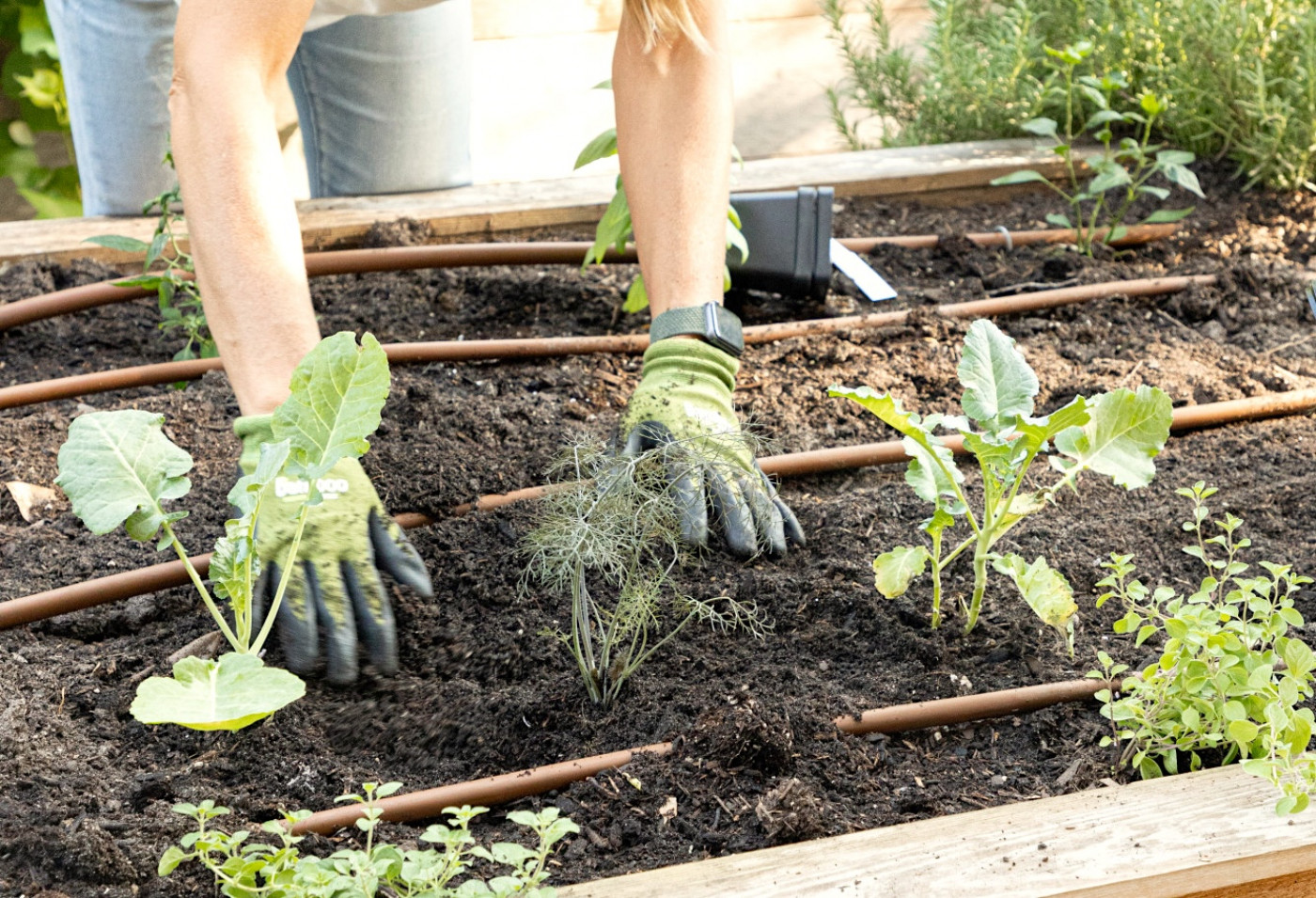
The key to effective watering is consistency. Too much water can drown your plants, while too little can leave them thirsty. Aim to water early in the morning or late in the afternoon to minimize evaporation. Consider installing a drip irrigation system for efficient watering. It delivers water directly to the roots, reducing waste and ensuring your plants get the moisture they need. Use a moisture meter to check soil conditions before watering. This handy tool can prevent overwatering and help you understand your garden’s needs better. Experimenting with different watering schedules can also reveal what works best for your plants.Weed Control
Weeds are the unwelcome guests that steal nutrients from your plants. Mulching is a great way to keep them at bay. By covering the soil with organic mulch, you suppress weed growth and retain soil moisture. Regularly inspect your garden for any signs of weeds. Pull them out as soon as you spot them to prevent them from spreading. Using landscape fabric is another effective method. It acts as a barrier, preventing weeds from sprouting while allowing water and nutrients to reach your plants. An unexpected insight? Companion planting can deter weeds naturally; some plants, like marigolds, can help suppress weed growth.Pest Management
Pests can wreak havoc on your garden if left unchecked. Start by identifying common pests in your area and research natural predators that can keep them in check. Encourage beneficial insects like ladybugs and lacewings to visit your garden. They feed on harmful pests and help maintain a healthy ecosystem. Consider using homemade pest deterrents. A simple mix of water, soap, and garlic can repel many common pests. Regularly inspect your plants for signs of damage or infestation. Are there holes in leaves or unusual spots? Addressing these signs early can save your plants from significant harm. By focusing on these maintenance tips, you empower yourself to make informed decisions about your garden’s health. What other strategies have you found effective in maintaining your raised garden bed? Share your experiences and let’s grow together!Enhancing Garden Productivity
Preparing a raised garden bed involves clearing weeds and debris. Mix in compost for improved soil nutrition. Ensure proper drainage to help plants thrive.
Enhancing garden productivity is key to reaping a bountiful harvest from your raised garden bed. By optimizing the soil and maintaining healthy plant growth, you can maximize yields and enjoy a thriving garden. Let’s explore some effective strategies to boost your garden’s productivity this planting season.Mulching Benefits
Mulching is a simple yet powerful technique to improve your garden’s productivity. It helps retain moisture, reducing the need for frequent watering. Additionally, mulch suppresses weeds, so your plants face less competition for nutrients. Consider using organic materials like straw, wood chips, or shredded leaves. These not only enrich the soil as they decompose but also create a more hospitable environment for beneficial soil organisms. Imagine fewer weeds and healthier plants—mulching offers both!Using Fertilizers
Fertilizers provide essential nutrients that might be missing from your soil, ensuring your plants grow strong and healthy. It’s crucial to choose the right type for your garden’s needs. Organic fertilizers, such as compost or well-aged manure, enhance soil structure and fertility over time. On the other hand, synthetic fertilizers offer a quick nutrient boost. Have you tested your soil recently? Knowing its nutrient profile can guide you in selecting the most suitable fertilizer.Crop Rotation Practices
Crop rotation is a strategy that involves changing the location of plant families in your garden each season. This practice helps prevent soil depletion and reduces pest and disease buildup. For example, if you planted tomatoes in one bed last year, consider planting legumes like beans or peas there this year. These plants can fix nitrogen in the soil, benefiting future crops. Are you rotating your crops effectively? Planning your garden layout with crop rotation in mind can lead to healthier plants and more abundant harvests.
Credit: www.yahoo.com
Credit: www.gardenary.com
Frequently Asked Questions
How Do I Prepare Soil For A Raised Bed?
Start by clearing debris and weeds from the area. Mix in organic matter like compost to enrich the soil. Ensure good drainage by adding coarse sand if needed. Test soil pH, aiming for a neutral level. Proper soil preparation promotes healthy plant growth.
What Materials Are Best For Raised Bed Construction?
Choose materials like cedar or recycled plastic for durability and resistance to decay. Cedar is naturally rot-resistant and environmentally friendly. Recycled plastic offers longevity and a low-maintenance option. Both materials are ideal for building a sturdy raised garden bed.
How Deep Should A Raised Garden Bed Be?
A depth of 12 to 24 inches is ideal for most plants. This allows roots to grow freely and access nutrients. Shallow beds may restrict plant growth and development. Consider the types of plants you want to grow when determining depth.
How Do I Prevent Weeds In Raised Beds?
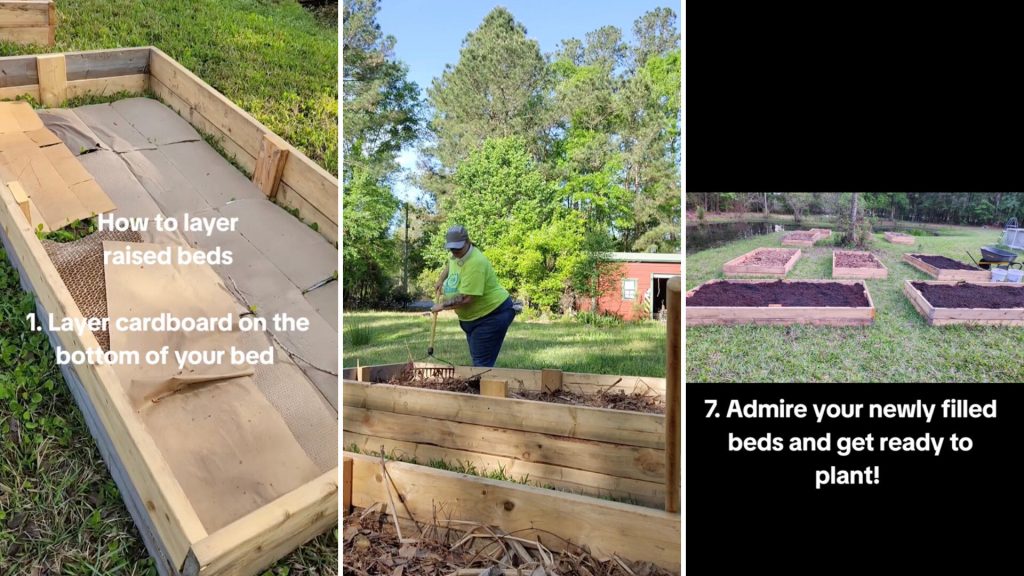
Use landscape fabric or cardboard at the base to block weeds. Mulch the soil surface with straw or wood chips to suppress growth. Regularly check and remove any emerging weeds. This ensures a healthy and weed-free gardening environment.
Conclusion
Preparing a raised garden bed is straightforward and rewarding. Start with clearing debris. Add quality soil and compost. Ensure proper drainage for plant health. Choose plants suited to your climate. Arrange them with enough space. Water them regularly for growth.
Mulching helps retain moisture. Keep an eye out for pests. Maintain and weed the bed often. These steps lead to a thriving garden. Enjoy fresh produce from your own efforts. Gardening brings joy and relaxation. Happy planting!







