
Imagine stepping out onto your patio or balcony and being greeted by a lush, vibrant garden that you created yourself. The secret?
Planter boxes. These compact, versatile containers can turn any small space into a flourishing green sanctuary. Whether you’re a seasoned gardener or a complete beginner, learning how to garden in planter boxes can open up a world of possibilities for you.
You don’t need a sprawling backyard to enjoy the benefits of gardening; all you need is a little space, a few planter boxes, and some guidance. Ready to transform your outdoor area into a personal paradise? Let’s dive into the essentials of creating a thriving garden in planter boxes that will not only beautify your space but also boost your mood and well-being.
Choosing The Right Planter Box
Choosing the right planter box is a crucial step in your gardening journey. It impacts not only the health of your plants but also the aesthetic appeal of your garden space. With a myriad of options available, how do you make the best choice for your needs?
Materials And Durability
The material of your planter box affects its longevity and the well-being of your plants. Wood is a popular choice, offering a natural look, but it requires regular maintenance to prevent rot. Plastic, on the other hand, is lightweight and weather-resistant, but it may not provide the same level of insulation as other materials.
Consider ceramic or terracotta for a classic appearance, although these can be heavy and prone to cracking in cold climates. Metal planters are sleek and modern but can overheat in direct sunlight. What material resonates with your garden’s style and upkeep commitment?
Size And Depth Considerations
The size of your planter box directly influences the growth potential of your plants. Larger boxes allow for root expansion, essential for vegetables and larger plants. However, they can be cumbersome to move and require more soil.
Depth is equally important, especially for root vegetables and deep-rooted plants. A shallow box might suffice for herbs or small flowers but won’t support the needs of tomatoes or carrots. Have you thought about what you’re planning to grow and how much space they need to thrive?
Selecting The Ideal Plants
Choosing the right plants for planter boxes is key to successful gardening. Consider plants that thrive in your climate and have similar sunlight and water needs. Focus on combining colors, textures, and heights for a vibrant display.
Selecting the ideal plants for your planter boxes is crucial. The right choices lead to a thriving garden. Consider the space, sunlight, and climate. This ensures your plants grow well and look great. Let’s explore some excellent choices for your planter boxes.Vegetables And Herbs
Growing vegetables and herbs in planter boxes is rewarding. Choose compact varieties that fit well. Basil, mint, and thyme are excellent herbs. They thrive in small spaces and require minimal maintenance. For vegetables, opt for cherry tomatoes or radishes. They grow quickly and are easy to care for. Ensure your planter boxes have good drainage. This prevents waterlogging and keeps roots healthy.Flowers And Ornamentals
Flowers add color and beauty to your garden. Select flowers that suit your climate. Petunias and marigolds are vibrant and easy to grow. They bloom all season and attract pollinators. For ornamentals, consider succulents or ferns. They offer unique textures and are low-maintenance. Arrange them in groups for a striking display. Make sure your planter boxes receive enough sunlight. This helps your flowers and ornamentals flourish.Soil Selection And Preparation
Selecting the right soil ensures healthy plant growth in planter boxes. Choose well-draining, nutrient-rich soil for optimal results. Preparing the soil by removing debris and mixing in organic matter boosts fertility.
Gardening in planter boxes can transform even the smallest space into a lush oasis. Key to your success is the soil you choose and how you prepare it. The right soil ensures your plants thrive, offering them the nutrients and structure they need. Let’s dig into the essentials of soil selection and preparation for your planter boxes.Soil Types For Planter Boxes
Choosing the right soil type for your planter boxes is crucial. Not all soils are created equal, and the wrong choice can hinder plant growth. Typically, potting mix is your best bet because it is light, drains well, and contains the right balance of nutrients. Avoid using garden soil directly in your planter boxes. It can be heavy and compact, restricting root growth and water drainage. Opt for a high-quality potting mix designed specifically for containers, often available at garden centers. Consider the specific needs of your plants. Some plants, like succulents, prefer a gritty mix with excellent drainage, while others, like ferns, thrive in moisture-retentive soil. Tailoring your soil mix to your plants’ preferences can make a noticeable difference.Enriching Soil With Nutrients
Once you have the right soil type, enriching it with nutrients is the next step. Nutrient-rich soil supports vibrant growth and robust health. Start by mixing in organic matter, such as compost or well-rotted manure, which boosts fertility and improves soil structure. Adding slow-release fertilizers can provide a steady supply of nutrients throughout the growing season. These fertilizers are particularly useful if you’re growing nutrient-hungry plants like tomatoes or peppers. Don’t forget about pH balance. Most plants prefer a slightly acidic to neutral pH. You can use a simple soil test kit to check pH levels and adjust as necessary with lime or sulfur. Have you ever noticed your plants struggling despite regular watering? It might be the pH balance holding them back. In conclusion, soil selection and preparation are the foundation of successful gardening in planter boxes. With the right soil type and nutrient enrichment, your plants will flourish, bringing beauty and life to your space. So, what are you waiting for? Get your hands dirty and start planting!
Credit: www.oliveandjunehome.com
Watering Techniques
Watering your planter boxes might seem straightforward, but it’s a crucial element that can make or break your gardening success. The right techniques ensure that your plants thrive without being drowned or parched. Let’s explore how you can master the art of watering with precision and care.
Frequency And Timing
Knowing when and how often to water your planter boxes is essential. Generally, early morning or late afternoon is ideal to minimize evaporation. Feel the soil with your finger about an inch deep; if it’s dry, it’s time to water.
Your plants’ needs can vary with the weather. On hot summer days, you may need to water daily, while in cooler months, every few days might suffice. Keep an eye on your plants’ response and adjust accordingly.
Methods To Prevent Overwatering
Overwatering is a common mistake that can harm your plants. Ensure your planter boxes have good drainage holes to allow excess water to escape. This simple step can prevent root rot and other water-related issues.
- Consider using a moisture meter to gauge soil humidity accurately.
- Use self-watering planters which regulate moisture levels effectively.
- Stick to a consistent watering schedule to avoid guesswork.
Have you ever noticed yellowing leaves or a musty smell around your plants? These might be signs of overwatering. Adjust your techniques and observe the positive changes in plant health.
Gardening in planter boxes can be a rewarding experience when you find the right balance. With these watering techniques, you’re setting the stage for vibrant, healthy plants.
Maintaining Plant Health
Gardening in planter boxes requires proper drainage and soil mix to ensure plant health. Regular watering and sunlight exposure are essential for thriving plants. Keep an eye on pests and diseases to maintain vibrant greenery.
Maintaining Plant Health Keeping your planter box garden thriving requires more than just watering. It’s about ensuring your plants are healthy and resilient. You might wonder how to tackle pests or when to prune for optimal growth. Let’s dive into these essential practices to keep your plants in top shape.Pest Control Strategies
Pests can quickly turn a vibrant garden into a struggling one. The key is vigilance and early intervention. Regularly inspect leaves and stems for any signs of infestation. This proactive approach can save your plants from serious damage. Consider using natural pest deterrents like neem oil or homemade garlic spray. These are effective and safe for edible plants. If pests persist, introduce beneficial insects like ladybugs to your garden. They feast on common pests without harming your plants.Pruning And Trimming Practices
Pruning isn’t just about cutting; it’s about encouraging healthy growth. Trim away any dead or diseased branches. This not only improves appearance but also prevents the spread of disease. Focus on shaping your plants to allow sunlight and air to circulate freely. This boosts photosynthesis and reduces the risk of mold. Regular trimming promotes new growth and can even enhance flowering or fruiting. Are your plants ready for a little makeover?
Credit: planterboxdirect.com
Seasonal Planting Tips
Seasonal planting in planter boxes boosts garden variety. Choose hardy plants for cold months. Opt for vibrant blooms in spring and summer. Regular watering ensures healthy growth. Rotate plants to maintain soil health and prevent pests. Enjoy a thriving garden year-round with these simple tips.
Gardening in planter boxes offers a unique flexibility, allowing you to adjust your planting strategy based on the seasons. With the right approach, you can enjoy lush blooms and fresh produce year-round. Let’s dive into some practical tips on seasonal planting, ensuring your planter box garden thrives no matter the time of year.Adapting To Climate Changes
Climate change can surprise us with unexpected weather patterns. Are you prepared to adapt your planting techniques? Start by monitoring local weather forecasts regularly. This helps you make informed decisions about when to plant or move your boxes. Consider adding weather-resistant plants that can withstand sudden changes. Choose drought-tolerant varieties for hot summers and frost-resistant plants for chilly winters. This adaptability ensures your garden remains vibrant despite fluctuating conditions.Best Practices For Different Seasons
Each season offers unique planting opportunities. In spring, focus on planting cool-weather vegetables like lettuce and radishes. As temperatures rise, transition to summer favorites such as tomatoes and peppers. Autumn is perfect for root vegetables like carrots and beets, while winter can be a time to experiment with indoor planter boxes, growing herbs or succulents. What new plants will you try each season? Rotate your crops to maintain soil health and maximize your harvest. Observe how your plants respond to seasonal changes. Adjust watering schedules and fertilization to meet their needs. This proactive care ensures your planter box garden flourishes throughout the year.Enhancing Aesthetic Appeal
Spruce up your outdoor space with vibrant planter boxes. Choose colorful plants to create visual interest. Arrange them creatively for a stunning display.
Enhancing the aesthetic appeal of your garden with planter boxes offers endless possibilities. Planter boxes are not just functional; they can transform any space. They add a touch of elegance and style to your garden.Design Ideas For Planter Boxes
Planter box design plays a crucial role in garden aesthetics. Choose materials that suit your outdoor theme. Wooden boxes bring warmth and charm. Metal and stone offer a modern look. Consider the shape and size of your boxes. Rectangular boxes provide clean lines. Round ones create a soft, cozy feel. Mix different shapes for visual interest. Use paint to add color to your garden. Bright colors create a lively atmosphere. Neutral tones give a calm, soothing vibe.Incorporating Decorative Elements
Decorative elements enhance planter box appeal. Add trellises to support climbing plants. They also create height and drama. Use decorative stones to outline your boxes. This adds texture and defines space. Integrate fairy lights for a magical touch. They create a cozy ambiance at night. Consider adding garden statues for personality. Place small sculptures near your boxes. Choose pieces that reflect your style. Integrate seasonal decorations for variety. Swap them to match the seasons. This keeps your garden fresh and exciting.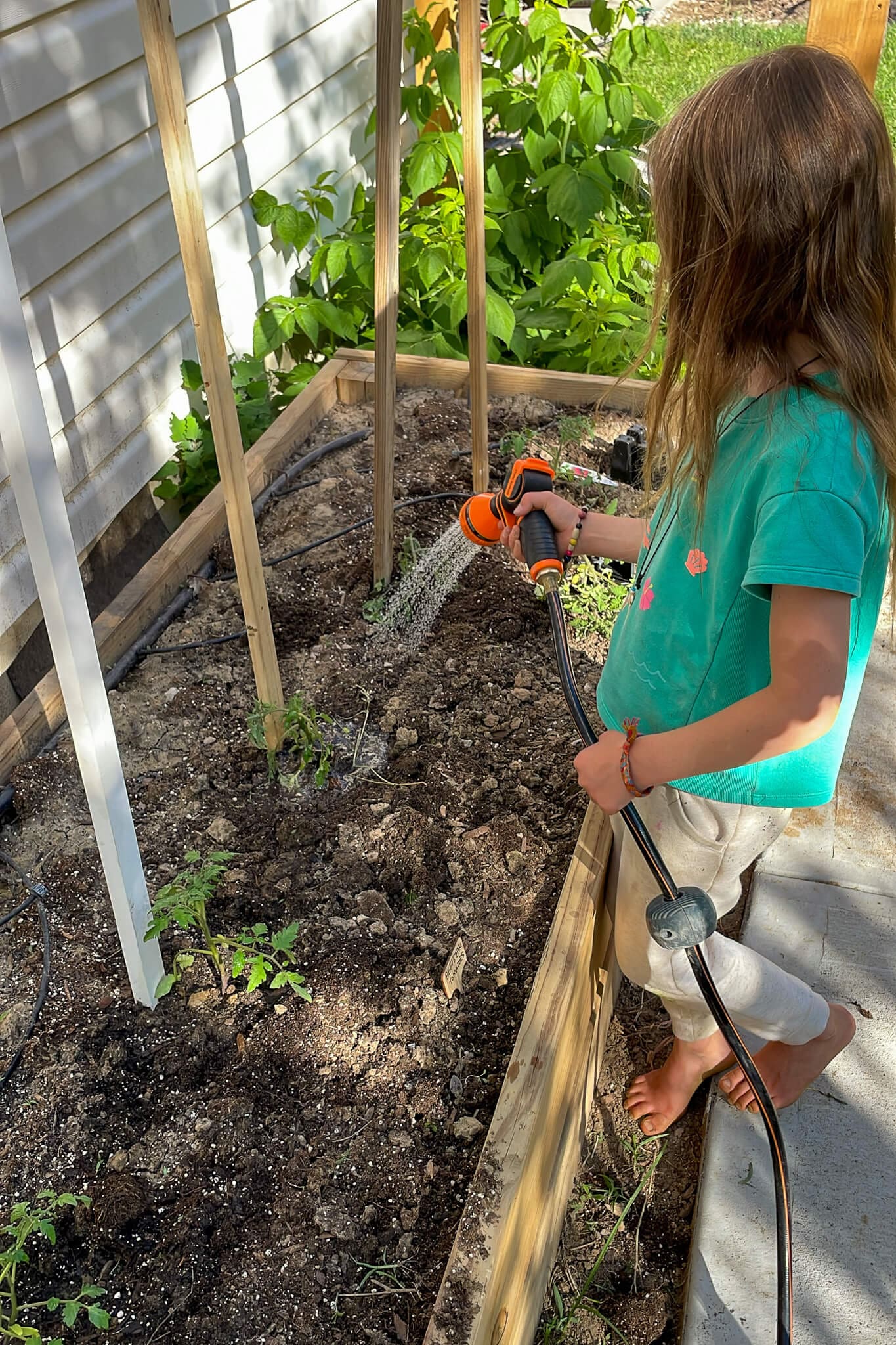
Credit: crystelmontenegrohome.com
Frequently Asked Questions
What Are The Best Planter Box Materials?
The best materials for planter boxes are wood, plastic, and metal. Wood offers a natural look and good insulation. Plastic is lightweight and affordable, while metal is durable and stylish. Choose based on your climate and aesthetic preference.
How Often Should I Water Planter Box Plants?
Watering frequency depends on plant type, weather, and soil. Generally, check moisture levels daily and water when soil feels dry. Overwatering can harm plants, so ensure proper drainage in the planter box.
What Vegetables Grow Well In Planter Boxes?
Many vegetables thrive in planter boxes, including tomatoes, peppers, and lettuce. These plants adapt well to container gardening. Ensure adequate sunlight, water, and nutrients for healthy growth in confined spaces.
How Do I Prevent Pests In Planter Boxes?
Prevent pests by using organic insecticides and companion planting. Keep the planter box clean and remove debris. Regularly inspect plants for signs of pests. Consider using mesh covers to protect plants from insects.
Conclusion
Planter boxes make gardening simple and fun. You can grow flowers, herbs, or vegetables. Choose the right soil and plants for best results. Water regularly and ensure good drainage. Planter boxes suit small spaces like balconies and patios. They’re perfect for beginners and experienced gardeners alike.
Try different plant combinations for variety. Enjoy the process and watch your garden thrive. Gardening offers relaxation and a sense of achievement. With planter boxes, your gardening journey can start today. Enjoy the beauty and benefits of your own garden space.
Happy planting!







