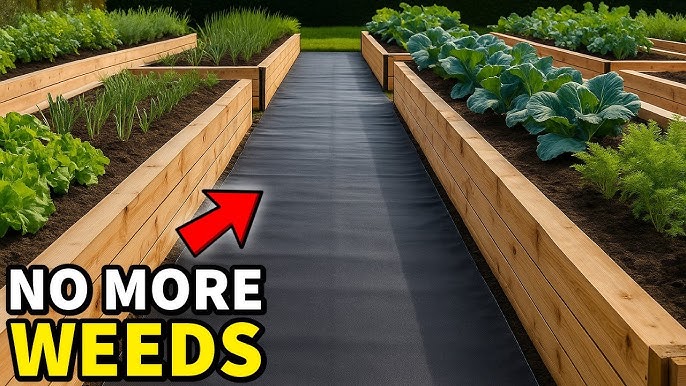
Imagine stepping into your backyard and seeing a lush, vibrant garden overflowing with fresh vegetables and colorful flowers. Sounds delightful, right?
Well, achieving this vision starts with knowing how to fill a raised garden planter box correctly. As you prepare to embark on this rewarding gardening project, you’ll want to ensure you make the right choices from the very start. Your planter box is not just a container—it’s the foundation of your garden’s health.
The way you fill it can make all the difference between a thriving garden and a struggling one. You’ll learn how to create the perfect environment for your plants, ensuring they get the nutrients, water, and aeration they need to flourish. Picture this: with every step you take in filling your planter box, you’re setting the stage for a garden that reflects not only your hard work but also your connection to nature. Are you ready to discover the secrets that will transform your garden into a flourishing oasis? Dive into this guide and see how simple yet effective techniques can turn your gardening dreams into reality.
Choosing The Right Soil Mix
Choosing the Right Soil Mix Filling a raised garden planter box starts with selecting the proper soil mix for healthy plant growth. Combine organic matter, compost, and well-draining soil for optimal results. This mix ensures adequate nutrients and moisture retention.
Choosing the right soil mix is crucial for the success of your raised garden planter box. The soil you select directly impacts the health and growth of your plants. It’s not just about filling the box; it’s about ensuring your plants have the best environment to thrive.Soil Composition Essentials
When selecting a soil mix, focus on the right balance of ingredients. A good mix typically includes a combination of loam, sand, and clay. These elements work together to provide nutrients and structure to support plant growth. Consider adding organic matter like compost or well-rotted manure. These ingredients enrich the soil with essential nutrients. They also improve the overall soil structure, making it easier for roots to penetrate and access nutrients.Importance Of Drainage And Aeration
Drainage is vital to prevent water from stagnating in your planter box. Excess water can lead to root rot, which can be detrimental to plants. Ensure your soil mix has components like sand or perlite, which help improve drainage. Aeration allows roots to access the oxygen they need. Soil that is too compact can suffocate plant roots, leading to poor growth. Adding coarse materials like pumice or vermiculite can improve soil aeration.Organic Vs. Inorganic Materials
Choosing between organic and inorganic materials depends on your gardening goals. Organic materials, like compost and peat moss, improve soil fertility and structure. They also support beneficial microbial activity, which is essential for healthy plant growth. Inorganic materials, such as perlite and vermiculite, are excellent for improving drainage and aeration. They don’t provide nutrients but are essential for maintaining the physical structure of the soil. Consider what your plants need and find a balance that supports their health. Ultimately, the right soil mix will create a thriving environment for your plants. What ingredients will you choose to fill your raised garden planter box?Layering Techniques For Optimal Growth
Fill a raised garden planter box using strategic layering. Begin with a base of coarse materials, like gravel, for drainage. Add layers of organic matter and high-quality soil to promote healthy plant roots. This method supports optimal growth by providing essential nutrients and ensuring proper water flow.
Layering Techniques for Optimal Growth A well-filled raised garden planter box boosts plant growth. Using layering techniques can help achieve this. Each layer plays a specific role. Let’s explore how to fill your planter box effectively.Base Layer For Drainage
Start with a base layer for drainage. Use gravel or small stones. This helps water flow out. It prevents waterlogging. Waterlogged roots can rot. Ensure the layer covers the bottom completely. This creates a stable foundation.Middle Layer For Nutrients
Next is the middle layer. This is for nutrients. Add compost and garden soil. Mix them well. Compost enriches the soil. It provides essential nutrients. Nutrient-rich soil supports healthy plant growth. Ensure the layer is evenly spread.Top Layer For Planting
Finally, the top layer is for planting. Use quality potting mix. It should be light and airy. This allows roots to breathe. Spread it evenly on the middle layer. Ensure it’s deep enough for plant roots. Now, your planter box is ready for planting.Incorporating Fertilizers And Amendments
Enhance your raised garden planter box by mixing fertilizers and soil amendments. This boosts soil nutrition and improves plant growth. Ensure even distribution for optimal results in your garden.
Filling a raised garden planter box properly ensures plants grow strong and healthy. Fertilizers and amendments play a crucial role in this process. They provide essential nutrients and improve soil structure, helping plants thrive. Understanding the types of fertilizers, the right time to add amendments, and how to balance nutrient levels is key. This section will guide you through each aspect, ensuring your garden flourishes.Types Of Fertilizers
Fertilizers come in various forms, each with specific benefits. Organic fertilizers such as compost and manure enrich the soil naturally. They release nutrients slowly, improving soil health over time. Inorganic fertilizers, like granular or liquid types, provide immediate nutrient boosts. These are ideal for quick plant growth but require careful application. Choosing the right type depends on your plant needs and soil conditions.When To Add Amendments
Amendments improve soil texture and nutrient content. Adding them at the right time is crucial. Before planting, incorporate amendments to ensure a nutrient-rich environment. Amendments like peat moss or vermiculite help retain moisture and improve aeration. Mid-season, evaluate plant growth and soil condition. If plants show signs of nutrient deficiency, adding amendments may be necessary. Regular soil testing helps determine the right time and amount.Balancing Nutrient Levels
Balancing nutrient levels ensures optimal plant growth. Over-fertilizing can harm plants and the environment. Use fertilizers according to package instructions, considering plant type and growth stage. Soil tests reveal nutrient deficiencies or excesses. Adjust fertilizer application based on these results. Regular monitoring helps maintain balanced nutrient levels. Healthy soil supports vibrant, productive plants.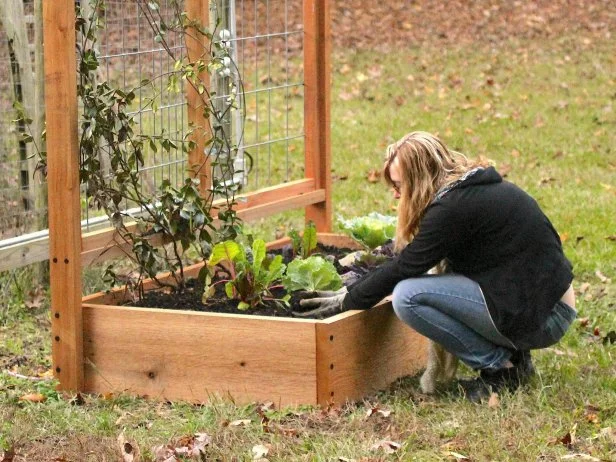
Credit: www.hgtv.com
Watering Strategies For Raised Planters
Filling a raised garden planter box begins with adding a layer of gravel for drainage. Next, use a mix of soil and compost to enrich the growth environment. Keep the soil loose and aerated to encourage healthy root development.
Watering your raised garden planter box effectively can make the difference between a thriving garden and one that struggles. Raised planters offer superior drainage, but they also dry out faster than traditional gardens. This means a thoughtful watering strategy is essential. Let’s dive into some practical tips that will help you ensure your plants get the right amount of water they need.Frequency And Timing
Water your raised planter box consistently. The frequency depends on the weather, soil type, and plant needs. During hot, dry spells, daily watering may be necessary. Morning is the best time for watering. It gives plants time to absorb moisture before the sun evaporates it. Evening watering can lead to fungal growth if the leaves remain wet overnight.Efficient Irrigation Systems
Consider installing a drip irrigation system. It’s an efficient way to provide a steady supply of water directly to the roots. This minimizes water waste and ensures deep soil penetration. Soaker hoses are another great option. They slowly release water over time, making them ideal for maintaining consistent soil moisture levels. A rainwater collection system is eco-friendly and cost-effective. Use collected rainwater to nourish your garden, reducing reliance on municipal water.Signs Of Overwatering
Be cautious not to overwater your plants. Watch for signs like yellowing leaves, which may indicate excess water. Check the soil moisture before adding more water. Stick your finger about an inch into the soil; if it feels damp, wait a day before watering again. Root rot is a serious issue caused by overwatering. If you notice a foul smell or mushy roots, it’s time to reassess your watering habits. How do you balance keeping your plants hydrated without drowning them? Share your experiences in the comments below!Choosing Plants For Raised Planters
Selecting the right plants is crucial for filling raised garden planter boxes. Consider the sunlight and water needs of each plant. Choose a mix of vegetables, herbs, and flowers for a vibrant garden.
Choosing the right plants for your raised garden planter box is essential. The plants you select can make or break your gardening success. Consider the climate, soil type, and sunlight your box receives. Different plants have different needs and preferences. Let’s explore what you need to know.Understanding Plant Needs
Plants have unique needs that must be considered. Some thrive in full sun, while others prefer shade. Check the water requirements as well. Overwatering or underwatering can harm plants. Soil type is also crucial. Some plants need well-draining soil, others may require a richer mix. Research each plant’s needs before adding it to your planter box.Companion Planting Benefits
Companion planting can enhance the growth of your plants. Certain plants support each other’s growth when planted together. They can deter pests, improve soil health, and maximize space. For example, tomatoes and basil grow well together. Basil can repel insects that harm tomatoes. Consider companion planting for a healthier garden.Seasonal Plant Selection
Choosing plants based on the season is vital. Some plants are best planted in spring, others in summer or fall. Cool-season vegetables like lettuce thrive in early spring. Warm-season plants such as tomatoes prefer summer. Knowing the right season for each plant ensures better growth and yield. Plan your planting schedule accordingly.
Credit: www.hgtv.com
Maintaining Soil Health
Filling a raised garden planter box properly helps maintain soil health. Use a mix of organic compost, topsoil, and peat moss. This blend ensures good drainage and nutrient availability for plants.
Maintaining Soil Health Keeping the soil in your raised garden planter box healthy is key to a bountiful harvest. Healthy soil supports strong plant growth and yields nutritious crops. Let’s dive into some practical ways to ensure your soil remains vibrant and fertile.Regular Soil Testing
Regular soil testing can be a game-changer for your garden. It helps you understand the nutrient levels and pH balance of your soil. You can purchase an inexpensive soil test kit online or at a local gardening store. Testing your soil annually or bi-annually keeps you informed and allows you to make necessary adjustments. Have you ever considered how your plants might thrive with the right nutrient mix?Composting Benefits
Adding compost to your raised garden planter box enriches the soil with organic matter. This natural amendment improves soil structure, promotes beneficial microbial activity, and provides essential nutrients. Start a small compost bin at home using kitchen scraps and yard waste. The process is simple and rewarding. Imagine turning your leftover food into a thriving garden!Preventing Soil Compaction
Soil compaction can hinder root growth and water absorption. To avoid this, avoid stepping on the soil in your planter box. Use a garden fork to gently aerate the soil, allowing air and water to reach plant roots. Could a few minutes of care each week transform your garden’s productivity? By focusing on these practical strategies, you can maintain soil health in your raised garden planter box and enjoy a flourishing garden year-round. Happy gardening!Protecting Against Pests And Diseases
Choosing pest-resistant plants helps keep diseases at bay. Ensure proper drainage to prevent root rot. Regularly inspect plants for early signs of pests.
Protecting your raised garden planter box from pests and diseases is essential to maintaining a thriving garden. The right strategies can prevent unwanted guests from feasting on your plants and spreading diseases. By being proactive, you ensure a lush, healthy garden that rewards you with bountiful harvests.Natural Pest Control Methods
Using natural pest control methods can effectively protect your garden without harming the environment. Consider introducing beneficial insects like ladybugs and praying mantises, which feed on common garden pests. Another effective method is planting herbs like basil and mint, which repel insects with their strong scents. Handpicking pests is a straightforward approach. It may seem tedious, but it’s an effective way to control the population. Use neem oil, a natural pesticide, to target and eliminate pest infestations without damaging your plants.Identifying Common Diseases
Recognizing diseases early can save your garden from devastation. Keep an eye out for symptoms like yellowing leaves, wilted plants, and unusual spots or molds. Powdery mildew, blight, and root rot are common diseases that can quickly spread if not addressed. Familiarize yourself with each plant’s specific vulnerabilities. Some plants are more susceptible to certain diseases, and knowing these can help you take targeted action. Regularly inspect your plants and remove any infected parts to prevent the spread.Preventive Measures
Prevention is better than cure. Maintaining good garden hygiene is key to keeping diseases at bay. Remove dead leaves and debris from your planter box to prevent disease breeding grounds. Rotate your crops each season. This practice disrupts the life cycle of pests and diseases that may have settled in the soil. Ensure proper spacing between plants to improve air circulation and reduce the risk of fungal infections. Ask yourself, are you doing enough to protect your garden from these threats? By applying these insights, you can fortify your raised garden planter box against pests and diseases, ensuring a flourishing garden season after season.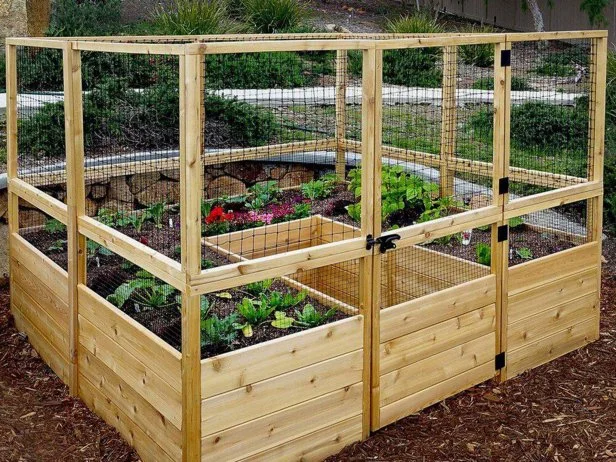
Credit: www.hgtv.com
Frequently Asked Questions
What Soil Should I Use In A Planter Box?
Use a mix of high-quality potting soil, compost, and perlite. This blend ensures good drainage and nutrient availability. Potting soil provides structure, compost enriches with nutrients, and perlite improves aeration. This combination supports plant growth and health in raised garden planter boxes.
How To Ensure Proper Drainage In Planter Boxes?
Ensure proper drainage by adding a layer of gravel or stones at the bottom. This prevents waterlogging and promotes root health. Also, ensure the planter box has drainage holes. These elements collectively help maintain optimal moisture levels, preventing root rot and enhancing plant growth.
How Often Should I Water A Raised Garden Box?
Water your raised garden box when the top inch of soil feels dry. Frequency depends on weather, plant type, and soil. Generally, planters need watering every 2-3 days in warm weather. Adjust based on plant needs and environmental conditions for optimal growth.
Can I Use Old Soil In A Planter Box?
Yes, you can reuse old soil, but refresh it first. Remove debris and mix with fresh compost and nutrients. This revitalizes the soil, providing essential nutrients and structure. It ensures plants receive adequate nutrition and thrive in the raised garden planter box.
Conclusion
Filling a raised garden planter box is simple and rewarding. Start with a plan. Choose the right soil for your plants. Add compost to enrich the mix. Ensure proper drainage to prevent waterlogging. Consider plant needs like sunlight and space.
Arrange plants thoughtfully for best growth. With these steps, your garden will thrive. Enjoy fresh produce and beautiful blooms. Gardening connects you with nature. It also offers relaxation and joy. Happy gardening!







