Have you ever looked at an empty garden planter box and wondered how to transform it into a thriving oasis? You’re not alone.
Filling a garden planter box might seem like a simple task, but doing it right can make a world of difference. Imagine stepping out into your garden to see vibrant blooms and lush greens, all because you took the time to learn the best way to fill your planter.
This guide is your ticket to creating that picturesque garden scene you’ve always dreamed of. Stick with us, and you’ll discover the secrets to not just filling a planter box, but filling it in a way that ensures your plants flourish. Ready to turn your gardening aspirations into reality? Let’s dive in.
Choosing The Right Planter Box
Selecting the right planter box is crucial for successful gardening. Start by choosing quality soil and ensure proper drainage. Adding a mix of compost and organic matter helps plants thrive.
Choosing the right planter box is crucial for creating a thriving garden. Selecting the perfect planter box involves considering various factors that will affect how well your plants grow and how they fit into your space. Let’s delve into the specifics to ensure you make the best choice for your garden.Material Selection
When choosing a planter box, the material plays a vital role in the longevity and aesthetics of your garden. Wooden planter boxes offer a natural look and are excellent for insulating plant roots. However, they require maintenance to prevent rot. Plastic and fiberglass boxes are lightweight and durable, withstanding various weather conditions without much upkeep. If you prefer a modern look, metal planter boxes might be your go-to, although they can heat up under direct sunlight, potentially harming sensitive plants.Size Considerations
The size of your planter box should match the plants you intend to grow. Small boxes are ideal for herbs or small flowers, while larger boxes can accommodate vegetables or shrubs. Think about the space you have available; a box too large can overpower a small patio, whereas a tiny box might get lost in a large garden. Measure your space and visualize how the planter box will fit to avoid any mismatches.Drainage Importance
Proper drainage is essential to keep your plants healthy. Without adequate drainage, water can accumulate at the bottom of the planter box, leading to root rot and other plant diseases. Ensure your planter box has drainage holes at the bottom. If it doesn’t, consider adding them yourself. You can place stones or gravel at the bottom to improve water flow and prevent soil from blocking the holes. Have you ever experienced plants wilting despite regular watering? Insufficient drainage might be the culprit. Always prioritize drainage when selecting your planter box to ensure your plants flourish.Preparing The Planter Box
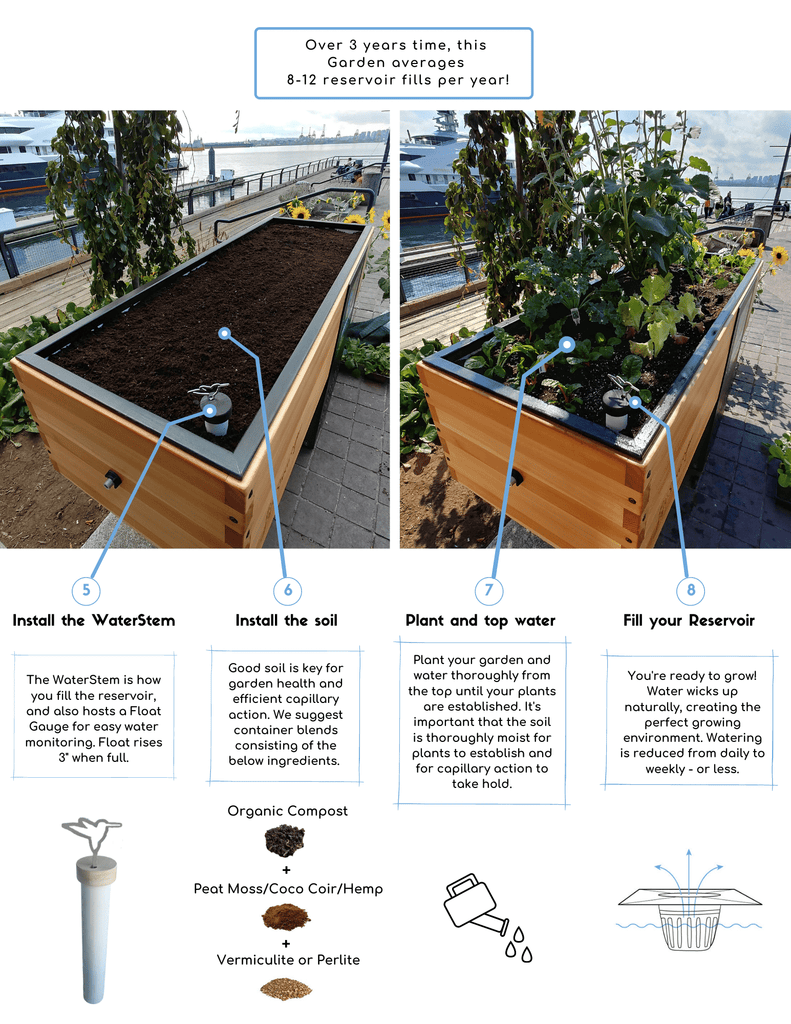
Choose a sturdy planter box with drainage holes. Begin with a layer of stones for proper drainage. Add soil mixed with compost to provide nutrients. Fill the box to about two inches from the top. Ensure the soil is loose for planting.
Preparing the planter box is a crucial step in gardening. A well-prepared box ensures healthy plants and vibrant blooms. Let’s explore how to get your planter box ready for planting.Cleaning And Maintenance
Before planting, clean the planter box thoroughly. Remove old soil, roots, and debris. Use a brush to scrub the surfaces. This prevents pests and diseases from lingering. Rinse the box with water. Allow it to dry completely. Regular maintenance keeps your planter in top condition.Lining The Box
Lining the box helps retain moisture. Use landscaping fabric or plastic liners. Cut the liner to fit the box snugly. Secure it with staples or clips. The liner also prevents soil from escaping. It acts as a barrier against rot and decay.Ensuring Proper Drainage
Proper drainage is key to healthy plants. Ensure the planter has drainage holes. If not, drill holes at the bottom. Place a layer of gravel or stones at the base. This facilitates water flow and prevents waterlogging. Too much water can harm plant roots.Selecting The Best Soil
Choose soil that drains well and is rich in nutrients. Mix it with compost to improve fertility. Fill the planter box, leaving space at the top for watering.
Selecting the right soil for your garden planter box is crucial. Quality soil ensures your plants grow strong and healthy. The choice of soil can impact plant growth, water retention, and nutrient availability.Types Of Soil
Different plants require different soil types. Sandy soil drains quickly but doesn’t hold nutrients well. Clay soil retains water but can be too dense for roots. Loamy soil is a balanced mix of sand, silt, and clay. It is ideal for most plants. For specific plants, check their soil preferences.Soil Quality And Nutrients
Soil quality affects plant health. High-quality soil contains essential nutrients. Nitrogen, phosphorus, and potassium are key nutrients. Organic matter enriches soil, improving its structure. Check soil pH. Most plants thrive in slightly acidic to neutral pH. Use a soil test kit to determine soil pH and nutrient levels.Mixing Soil For Optimal Growth
Mixing your soil can enhance growth. Start with a base of loamy soil. Add compost for organic matter. Include sand for better drainage if needed. Mix in peat moss to retain moisture. Ensure the mix is well-blended. This creates a balanced environment for roots. Regularly check and adjust as plants grow.
Credit: craftthyme.com
Plant Selection And Arrangement
Choose plants of varying heights and colors for visual interest. Arrange taller plants at the back of the planter. Place smaller ones in front, ensuring they receive enough sunlight and space to grow.
Plant Selection and Arrangement in a garden planter box plays a crucial role in creating a thriving garden. The right combination of plants can enhance the beauty and health of your garden. This section will guide you through selecting suitable plants, understanding companion planting, and mastering spacing and arrangement techniques.Choosing Suitable Plants
Select plants that fit your climate and light conditions. Consider the size of the planter box and the growth habits of the plants. Choose plants with similar watering needs to ensure they thrive together. Consider seasonal varieties to keep your garden vibrant all year.Companion Planting
Companion planting involves pairing plants that benefit each other. Some plants can deter pests or enhance growth when planted together. For example, marigolds can repel harmful insects. Herbs like basil can improve the flavor of nearby vegetables. Choose companions that support each other’s growth.Spacing And Arrangement Techniques
Proper spacing ensures each plant gets enough nutrients and light. Overcrowding can lead to poor growth or disease. Arrange taller plants at the back or center. Place shorter plants along the edges to create a balanced look. Use a mix of colors and textures for visual interest.Watering And Fertilizing
Watering and Fertilizing Ensure the planter box has drainage holes to prevent waterlogging. Apply a balanced fertilizer to promote plant growth. Regular watering is crucial, but avoid overwatering to maintain healthy roots.
Watering and fertilizing your garden planter box is essential for healthy plant growth. Finding the right balance can be tricky, yet it’s crucial for maintaining the vibrancy of your garden. Let’s dive into some practical steps and insights to help you master these aspects.Watering Frequency
Consistency is key when it comes to watering your planter box. Aim to water your plants deeply but infrequently to encourage roots to grow deeper. Typically, you should water your plants every two to three days, but this can vary based on weather conditions and the type of plants you have. Observe your plants closely. If the soil feels dry an inch below the surface, it’s time to water. Remember, morning watering is ideal as it helps prevent fungal diseases.Using Organic Fertilizers
Organic fertilizers nourish your plants and enrich the soil with natural nutrients. Opt for compost, well-rotted manure, or a balanced organic fertilizer blend. These options slowly release nutrients, promoting sustainable growth. Mix the fertilizer into the soil before planting. During the growing season, sprinkle a bit more around the base of your plants and lightly work it into the soil. This can be done once every month for optimal results.Signs Of Overwatering
Overwatering is a common mistake that can stunt plant growth. Look out for signs like yellowing leaves, wilting, or mold on the soil surface. These indicate excess water and poor drainage. If you notice these symptoms, reduce watering and improve drainage. You might consider adding more drainage holes or mixing in some sand or perlite to the soil. Are your plants telling you they need a change? Listen to them and adjust your watering habits accordingly. By focusing on proper watering and fertilizing, you’ll transform your garden planter box into a thriving oasis. Your attention to these details will reward you with lush, vibrant plants that flourish season after season.
Credit: www.facebook.com
Maintaining Your Planter Box
Choose a quality soil mix to fill your garden planter box. Ensure proper drainage with pebbles or gravel at the bottom. Add organic matter for nutrients, and fill up to two inches below the rim.
Maintaining your planter box is crucial for vibrant and healthy plants. Regular care keeps your garden flourishing through all seasons. Let’s explore essential practices for upkeep.Pruning And Deadheading
Pruning helps control plant growth. It encourages new blooms. Remove dead or damaged stems using clean shears. Deadheading involves removing faded flowers. This promotes more blooms and keeps plants tidy. Regular trimming prevents overcrowding. It allows sunlight and air circulation. Healthy plants thrive with proper attention.Pest Control Strategies
Pests can harm your garden. Inspect plants regularly for insects. Use natural remedies like neem oil or soap sprays. These are safe for plants and the environment. Introduce beneficial insects such as ladybugs. They eat harmful pests. Keep soil healthy with organic matter. Strong plants resist pests better. Regular monitoring helps catch infestations early.Seasonal Adjustments
Plants need care through different seasons. In summer, water more often. In winter, protect plants from frost. Move boxes indoors if possible. In spring, refresh the soil. Add compost for nutrients. Rotate plants to ensure even growth. Adjusting care with the season keeps plants thriving. Each season brings unique challenges. Adapt your care routine accordingly.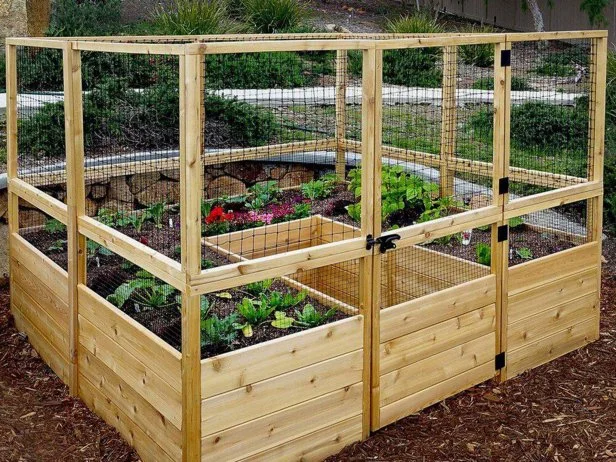
Credit: www.hgtv.com
Frequently Asked Questions
What Materials Are Best For Planter Boxes?
Planter boxes can be made from wood, plastic, or metal. Wood offers a natural look and insulation. Plastic is lightweight and durable, while metal provides a modern aesthetic. Choose materials based on your garden style and climate needs.
How Do I Prepare Soil For Planter Boxes?
Start with quality potting soil mixed with compost. Ensure the soil is well-draining to prevent root rot. Add perlite or sand for improved aeration. Test soil pH and adjust using lime or sulfur for optimal plant health.
How Often Should I Water My Planter Box?
Watering frequency depends on plant type, climate, and soil. Generally, water when the top inch of soil feels dry. Ensure consistent moisture without overwatering. Use a drip irrigation system for efficiency in larger planter boxes.
Can I Use Planter Boxes For Vegetables?
Yes, planter boxes are great for growing vegetables. They offer controlled environments and reduce pest risks. Ensure adequate depth and soil nutrients for root development. Choose compact varieties like lettuce, tomatoes, or peppers for better yield.
Conclusion
Filling a garden planter box is simple and enjoyable. Start with the right soil mix. Use quality compost and organic matter. Plant according to sunlight and space needs. Water regularly, but avoid overwatering. Maintain your plants with care. Trim and prune when needed.
Watch for pests and diseases. A well-maintained planter box adds beauty. It also offers fresh produce or vibrant flowers. Enjoy the process and results. Gardening can be a rewarding hobby. With these steps, your garden will thrive. Happy planting!







