Imagine stepping into your garden and seeing vibrant, thriving plants that grow effortlessly. The secret to achieving this lush landscape lies in one crucial step: fertilizing your garden before planting.
This process is more than just a gardening chore; it’s the foundation for a flourishing garden. By enriching your soil with the right nutrients, you set the stage for healthier plants and bountiful harvests. Are you ready to unlock the full potential of your garden?
Dive into this guide where you’ll discover how to give your plants the best start possible, ensuring they grow stronger and more resilient. Let’s transform your garden into the envy of the neighborhood!

Credit: www.youtube.com
Preparing The Soil
Preparing the Soil Begin by testing your soil to determine nutrient needs. Apply organic or chemical fertilizers evenly, mixing them into the soil. This enhances soil fertility, promoting healthy plant growth.
Preparing the soil is a critical step in ensuring your garden thrives. Before planting, dedicating time to properly prepare your soil can mean the difference between flourishing plants and disappointing growth. By understanding the specific needs of your soil, you can create an environment where your plants will have the best chance to succeed.Testing Soil Quality
Testing your soil’s quality provides insights that can dramatically impact your gardening success. You can purchase a soil testing kit from your local garden center or send a sample to a professional lab for detailed analysis. These tests will identify nutrient deficiencies and help you understand the composition of your soil, such as the balance of sand, silt, and clay.Adjusting Ph Levels
The pH level of your soil is crucial for nutrient absorption. Most plants thrive in soil with a pH between 6 and 7.5. If your soil test reveals a pH imbalance, you can adjust it by adding lime to increase alkalinity or sulfur to increase acidity. You might wonder, why bother with these details? Imagine planting your favorite vegetables only to find them stunted or yellowing. Often, such issues trace back to improper soil preparation. A little effort now saves a lot of heartache later. Taking the time to thoroughly prepare your soil sets the foundation for a bountiful garden. What steps will you take to ensure your soil is ready for planting?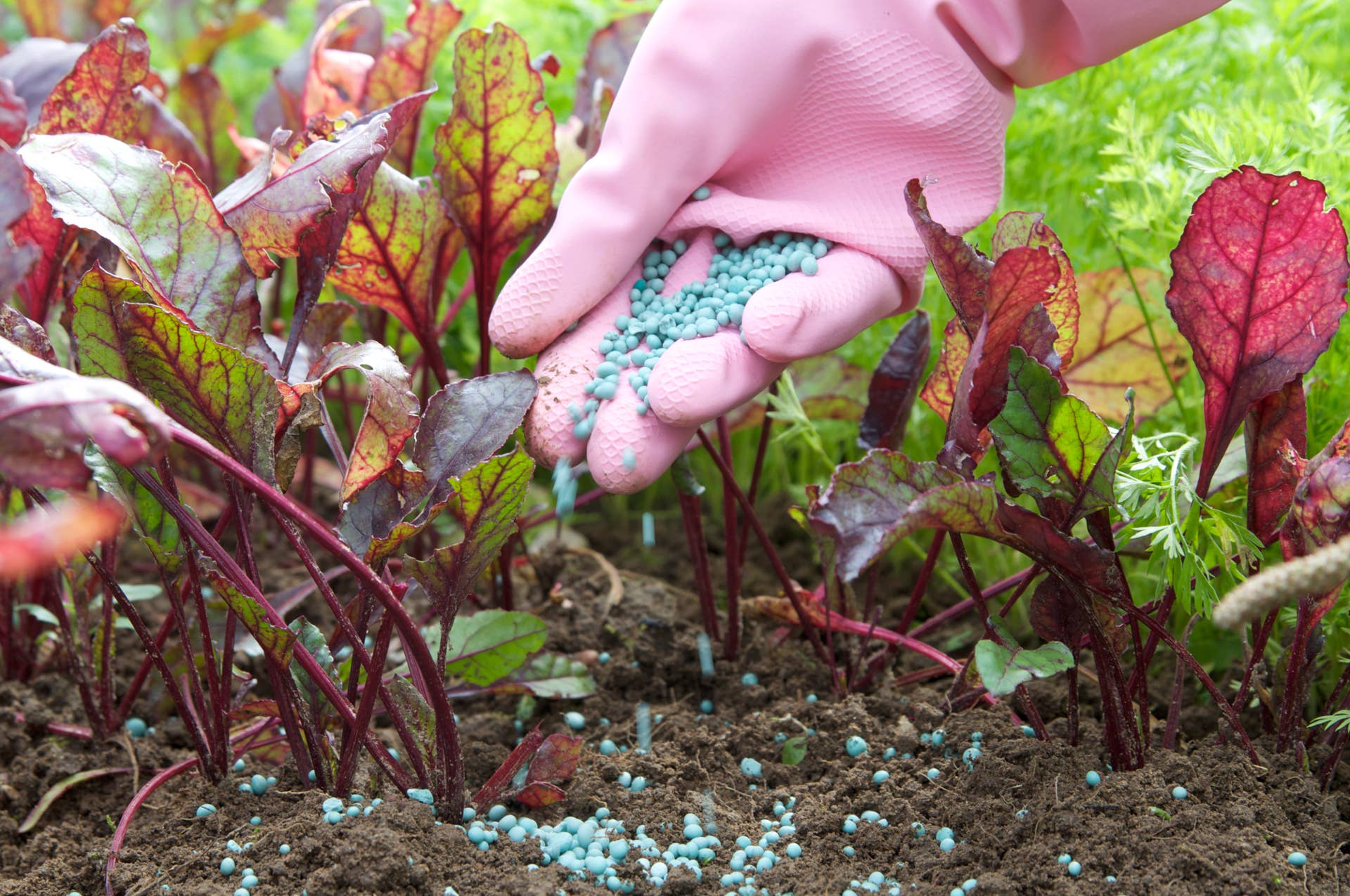
Credit: dengarden.com
Choosing The Right Fertilizer
Choosing the right fertilizer is crucial for a thriving garden. It provides essential nutrients to the soil, helping plants grow strong and healthy. Understanding the different types of fertilizers and their benefits can greatly enhance your gardening success.
Organic Vs. Synthetic Options
Organic fertilizers come from natural sources. Examples include compost, manure, and bone meal. They improve soil structure and promote beneficial microbes. They release nutrients slowly, ensuring long-term nourishment. Organic options are often safer for the environment.
Synthetic fertilizers are man-made and contain concentrated nutrients. They provide immediate nutrient availability to plants. These fertilizers are usually more cost-effective and have precise nutrient content. But they can sometimes lead to nutrient runoff, affecting nearby ecosystems.
Understanding Npk Ratios
The NPK ratio represents the nutrient content in fertilizers. “N” stands for nitrogen, promoting leaf growth. “P” represents phosphorus, essential for root and flower development. “K” indicates potassium, crucial for overall plant health.
A balanced NPK ratio is important for most plants. For leafy vegetables, a higher nitrogen content is beneficial. For flowering plants, phosphorus-rich fertilizers are preferable. Always check the specific needs of your plants before choosing a fertilizer.
Applying Fertilizer Effectively
Prepare your garden for planting by applying fertilizer effectively. Choose the right type for your soil. Spread evenly over the area. This ensures nutrients reach the roots. Mix well into the soil. Water the garden to help nutrients absorb. Your plants will grow strong and healthy.
Applying fertilizer effectively ensures your garden thrives from the start. Proper application helps plants absorb nutrients, leading to strong growth. Knowing when and how to fertilize is crucial for success. Let’s dive into the key aspects of applying fertilizer effectively.Timing And Frequency
The right timing boosts plant growth. Fertilize before planting to prepare the soil. Early spring is ideal for most gardens. This provides nutrients when plants need them most. Frequency depends on the type of fertilizer. Organic fertilizers may need monthly application. Synthetic options might be less frequent but still effective. Always follow package instructions for best results.Techniques For Distribution
Proper distribution ensures even nutrient availability. Spread fertilizer evenly across the garden bed. Use a garden rake to mix it into the soil. This helps roots access nutrients better. Consider broadcasting for large areas. Sprinkle fertilizer using a spreader for uniform coverage. For smaller areas, hand spreading works well. Water the soil after fertilizing to activate nutrients. Proper watering aids in nutrient absorption.Avoiding Common Mistakes
Prepare your garden soil by avoiding common fertilization mistakes. Test the soil first to know its needs. Choose the right fertilizer and apply it evenly.
Avoiding common mistakes in garden fertilization can save time and resources. Many gardeners make errors that affect plant growth. Understanding these mistakes helps create a healthy garden environment.Over-fertilization Risks
Applying too much fertilizer harms your plants. Excess nutrients can burn roots, leading to poor growth. Plants need a balanced nutrient supply. More isn’t always better. Over-fertilization also affects soil health. It can cause nutrient runoff into water sources. This harms the environment. Stick to recommended amounts for best results.Ignoring Soil Type
Not all soils are the same. Fertilizer needs depend on soil type. Sandy soil drains quickly, losing nutrients fast. Clay soil holds nutrients but can compact easily. Test your soil before fertilizing. It helps choose the right type and amount. Knowing soil properties ensures effective fertilization. This leads to healthier plants and efficient resource use.Expert Recommendations
Expert recommendations suggest using organic compost to enrich soil before planting. Nutrients improve plant growth and soil health.
Embarking on the journey to fertilize your garden before planting can be both exciting and rewarding. Expert recommendations can guide you in choosing the right fertilizers, tailored to your garden’s specific needs. With the right knowledge, you can enhance soil health, boost plant growth, and ultimately enjoy a bountiful harvest.Top Fertilizer Brands
Choosing the right fertilizer brand can make a world of difference. Some of the top brands trusted by gardening enthusiasts and experts alike include: – Miracle-Gro: Known for its versatile and easy-to-use products, Miracle-Gro offers a range of fertilizers suitable for all types of gardens. – Jobe’s Organics: If you’re leaning towards organic gardening, Jobe’s Organics provides fertilizers rich in essential nutrients without synthetic additives. – Osmocote: Renowned for its slow-release formula, Osmocote ensures your plants receive a steady supply of nutrients over time. Each brand has unique formulations. Consider what suits your garden’s specific needs and your personal gardening philosophy.Garden-specific Advice
Your garden’s individual characteristics should shape your fertilization strategy. Is your soil sandy, clay, or loamy? A soil test can reveal nutrient deficiencies, helping you make informed decisions. If you’re growing vegetables, focus on nitrogen-rich fertilizers to promote leafy growth. Flower gardens often benefit from a balanced mix of nitrogen, phosphorus, and potassium. For those with fruit trees, potassium-rich fertilizers can enhance fruit quality. Remember, over-fertilizing can be as detrimental as under-fertilizing. Follow recommended application rates closely. Consider the timing, too. Fertilizing a few weeks before planting allows nutrients to integrate into the soil. This ensures plants get a nutritious start. What’s your garden’s story? Tailor your fertilization plan to its unique narrative for the best results.
Credit: fromsoiltosoul.ca
Monitoring Plant Health
Prepare your garden by nourishing the soil with the right fertilizers before planting. Choose organic or chemical fertilizers based on your soil needs. Mix them well into the soil to boost plant growth and ensure a healthy start.
Monitoring plant health is crucial for a thriving garden. Before planting, ensure your soil is ready to support robust growth. A well-fertilized garden provides the nutrients plants need. Observing your plants closely helps detect any issues early. This proactive approach can prevent serious problems. Healthy plants are the foundation of a productive garden.Signs Of Nutrient Deficiency
Recognize common signs of nutrient deficiency in your plants. Yellowing leaves might indicate a lack of nitrogen. Stunted growth could signal phosphorus deficiency. Discolored leaf edges often mean potassium is missing. These visual cues help identify specific nutrient needs. Regularly check leaves and stems for unusual changes. Spotting issues early ensures timely intervention.Corrective Measures
Once a deficiency is identified, take corrective measures. Apply specific fertilizers to address the lacking nutrient. Use nitrogen-rich compost for yellow leaves. Incorporate bone meal to boost phosphorus levels. Potassium can be increased with organic potash. Ensure proper soil pH for nutrient absorption. Regularly monitor progress after correction. Adjust treatments as needed for optimal plant health.Frequently Asked Questions
What Is The Best Time To Fertilize Before Planting?
Fertilize your garden about 2-4 weeks before planting. This allows nutrients to settle into the soil. It also helps create a nutrient-rich environment. Timing ensures plants have essential nutrients at the start. Consider weather conditions and soil type for best results.
Which Fertilizer Should I Use For New Gardens?
Choose a balanced fertilizer for new gardens. Look for one with equal parts nitrogen, phosphorus, and potassium. Organic options like compost or manure are ideal. They improve soil structure and provide essential nutrients. Test your soil to determine specific nutrient needs.
How Do I Apply Fertilizer To My Garden?
Apply fertilizer evenly across your garden bed. Use a broadcast spreader for large areas. For smaller gardens, distribute by hand. Work the fertilizer into the soil using a rake or hoe. Water the area lightly to help nutrients absorb. Follow package instructions for specific application rates.
Can I Fertilize Right Before Planting Seeds?
Avoid fertilizing right before planting seeds. Fertilizer needs time to integrate with the soil. Immediate application can harm delicate seeds. Instead, fertilize 2-4 weeks ahead. This ensures nutrients are available when seeds begin to germinate. Follow guidelines for timing and application rates.
Conclusion
Preparing your garden with the right fertilizer is essential. It boosts plant growth and soil health. Choose natural or organic fertilizers for best results. Test your soil before adding any nutrients. This ensures you give your plants what they need.
Apply fertilizer evenly for balanced growth. Watering after fertilizing helps nutrients reach roots. Remember, healthy soil leads to a thriving garden. With these steps, you set your plants up for success. Start your planting journey with confidence. Happy gardening!







