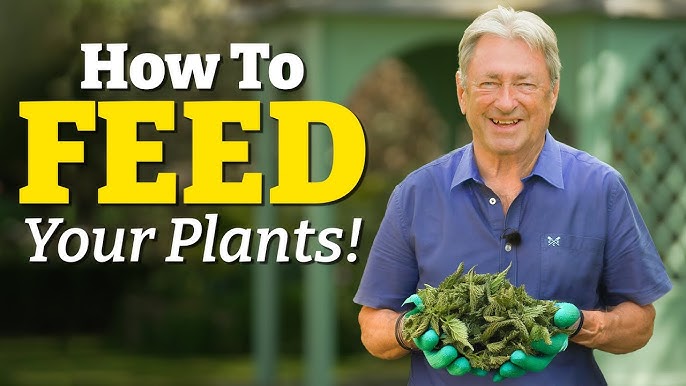
Imagine stepping into your garden and seeing vibrant, thriving plants that seem to glow with health. You can achieve this with the right feeding techniques.
How to feed garden plants is not just about tossing some fertilizer around; it’s about understanding what your plants need to flourish. You want lush greenery, blooming flowers, and a garden that bursts with life, don’t you? By nurturing your plants correctly, you can transform your garden into a paradise.
Whether you’re a seasoned gardener or just starting out, feeding your plants effectively will make all the difference. So, are you ready to uncover the secrets to a thriving garden? Let’s dive into the essential tips and tricks that will make your plants the envy of the neighborhood.

Credit: www.youtube.com
Choosing The Right Fertilizer
Choosing the right fertilizer is crucial for healthy garden plants. Fertilizers provide essential nutrients, helping plants grow strong and vibrant. Selecting the right type can maximize plant health and yield. Understanding different options and ratios is key.
Organic Vs. Synthetic Options
Organic fertilizers come from natural sources. These include compost, manure, and bone meal. They release nutrients slowly, improving soil structure. Synthetic fertilizers are man-made. They deliver nutrients quickly but can affect soil health over time. Both types have pros and cons.
Understanding Npk Ratios
NPK stands for nitrogen, phosphorus, and potassium. These are the main nutrients in fertilizers. Each plant has different needs. Nitrogen promotes leafy growth. Phosphorus strengthens roots and aids flowering. Potassium improves overall plant health. Knowing the right ratio is vital.
Timing For Plant Nutrition
Feeding garden plants at the right time boosts their growth and vitality. Early spring and late summer are ideal for applying fertilizers, ensuring plants receive essential nutrients during their growth phases. Regular feeding supports strong roots and vibrant blooms.
Timing for plant nutrition is crucial for a thriving garden. Feeding your plants at the right time ensures they get the necessary nutrients when they need them most. This maximizes growth, enhances flowering, and boosts overall plant health.Seasonal Feeding Schedule
Understanding the seasons is key to a successful feeding schedule. In spring, as plants wake from dormancy, they need a boost to jumpstart growth. A balanced fertilizer applied early in the season can work wonders. Summer demands nutrients to support vigorous growth and flowering. Consider a mid-season feed to maintain their energy levels. Autumn is about preparing plants for winter. Use a slow-release fertilizer that supports root strength without encouraging new growth, which can be vulnerable to frost.Signs Your Plants Need Feeding
Are your plants looking a bit lackluster? Yellowing leaves often signal a need for more nitrogen. Stunted growth can indicate a phosphorus shortage. Another sign is poor flowering. If blooms are few and far between, your plants might be craving potassium. Have you ever noticed leaves with strange spots or edges turning brown? These could be signs of micronutrient deficiencies, such as iron or magnesium. Observing these signs can guide you to adjust your feeding schedule effectively. So, what does your garden need today?Methods Of Application
Sprinkle plant food directly onto the soil for easy absorption. Mix fertilizer with water for liquid feeding. Use slow-release granules for long-lasting nourishment.
Feeding garden plants correctly ensures lush growth and vibrant blooms. Different methods of application suit different plant needs and garden environments. Understanding these methods helps in delivering nutrients effectively. Let’s explore three popular ways to feed your garden plants.Broadcasting Techniques
Broadcasting involves spreading fertilizer over a large area. This method is perfect for lawns and flower beds. Use granular or powdered fertilizers for even distribution. A hand-held spreader can make the process easier. Water the area after broadcasting to help nutrients reach the roots.Foliar Feeding Explained
Foliar feeding involves spraying a nutrient solution on plant leaves. This method allows quick absorption of nutrients. It’s ideal for addressing nutrient deficiencies. Use a spray bottle or garden sprayer for application. Ensure the solution is diluted to avoid leaf burn. Spray early in the morning or late afternoon for best results.Using Fertilizer Spikes
Fertilizer spikes offer a slow-release option. Insert them into the soil around the plant base. They dissolve gradually, providing nutrients over time. This method is low-maintenance and ideal for trees and shrubs. Check the packaging for placement and frequency instructions. Watering helps activate the spikes, ensuring steady nutrient supply.Special Considerations
Understanding soil type is crucial for plant nutrition. Tailor feeding schedules to seasonal changes for optimal growth. Organic fertilizers can enhance soil health while supporting plant needs effectively.
Feeding your garden plants involves more than just scattering some fertilizer and hoping for the best. Special considerations can make all the difference in nurturing vibrant, healthy plants that thrive. Understanding the unique needs of your garden’s flora is the key to unlocking their full potential. Let’s dive into what you need to keep in mind.Feeding Young Vs. Mature Plants
Young plants are like toddlers in the plant world—they require gentle care and attention. Start with a diluted, balanced fertilizer to avoid overwhelming their tender roots. Gradually increase the nutrients as they grow stronger. Mature plants, on the other hand, can handle more robust feeding. They often benefit from fertilizers higher in phosphorus and potassium, which support blooming and fruiting. It’s crucial to adjust your feeding strategy as plants age, ensuring they get the right boost at the right time.Nutrient Needs For Different Plant Types
Different plants, like people, have unique dietary preferences. Leafy greens thrive on nitrogen, which promotes lush foliage. In contrast, flowering plants often need more phosphorus for vibrant blooms. Consider a succulent’s minimal needs; too much fertilizer can lead to a bloated, unhealthy plant. On the other hand, heavy feeders like tomatoes require regular nourishment to produce abundant fruit. Tailoring your approach to each plant type can mean the difference between a mediocre garden and a flourishing one. Have you ever noticed how some plants just seem to thrive while others struggle? The secret often lies in understanding and catering to their specific nutrient needs. Are you feeding your garden wisely?Common Mistakes To Avoid
Feeding garden plants can be tricky. Over-fertilizing harms them, while under-fertilizing stunts growth. Choose the right fertilizer and follow instructions carefully to ensure healthy plants.
Feeding garden plants correctly is crucial for their growth. Yet, many gardeners make common mistakes. These errors can hinder plant health and productivity. Understanding these mistakes helps in nurturing a thriving garden.Over-fertilization Risks
Using too much fertilizer harms plants. It can lead to nutrient burn, where leaves turn brown. Over-fertilization also disrupts soil balance. Excess nutrients wash away and pollute waterways. Always follow recommended doses on fertilizer packages. Test your soil to know its nutrient needs. This avoids unnecessary fertilization.Ignoring Soil Health
Healthy soil is the foundation for strong plants. Many gardeners focus only on fertilizers, neglecting soil health. Soil needs organic matter to maintain its structure and fertility. Compost is a great way to enrich soil. It improves drainage and nutrient availability. Regularly check soil pH and adjust if necessary. Keep soil covered with mulch to retain moisture. Healthy soil leads to robust and resilient plants.
Credit: mylovelylittlelunchbox.com
Natural Alternatives
Feeding your garden plants with natural alternatives is a rewarding and sustainable choice for any gardener. These options not only nurture your plants but also improve soil health and reduce reliance on chemical fertilizers. Are you curious about how simple methods can transform your garden into a thriving ecosystem?
Composting Benefits
Imagine turning kitchen scraps into plant food; that’s the magic of composting. It enriches the soil with essential nutrients and enhances its structure, making it easier for plant roots to grow.
Compost acts like a sponge, retaining moisture and reducing the need for frequent watering. Additionally, it encourages the presence of beneficial organisms, which can help control pests naturally.
Have you considered starting a compost bin in your backyard? It’s a simple step towards sustainability that your plants will thank you for.
Green Manure Usage
Green manure, often overlooked, is another fantastic natural alternative. It involves growing certain plants that are later tilled into the soil to boost its fertility.
These plants, like clover or vetch, are excellent at fixing nitrogen—an essential nutrient for plant growth—directly into the soil. This can significantly reduce the need for synthetic fertilizers.
Are you ready to experiment with green manure in your garden? It’s a clever way to give back to the earth while watching your plants thrive.
Monitoring Plant Health
Feeding garden plants involves providing essential nutrients to promote growth and vitality. Use balanced fertilizers to supply necessary minerals like nitrogen, phosphorus, and potassium. Regularly check soil quality and adjust feeding schedules based on plant needs.
Monitoring plant health is crucial for a thriving garden. Observing and understanding your plants helps ensure they receive proper care. Regular checks and assessments can prevent issues before they escalate. Let’s explore some key aspects of monitoring plant health effectively.Visual Health Indicators
Start by examining the leaves of your plants. Healthy leaves are vibrant and evenly colored. Yellowing or browning can signal nutrient deficiencies or disease. Look for unusual spots or patterns on the leaves. These may indicate pest infestations or fungal infections. Check the stems for any signs of weakness or damage. Strong stems support healthy growth. Observe the plant’s growth rate. Stunted growth can suggest underlying problems. Compare the plant’s size and vigor with similar plants in your garden. Consistent monitoring helps you spot changes early.Soil Testing Importance
Testing the soil is vital for plant health. It reveals the nutrient levels and pH balance. Balanced soil fosters healthy plant growth. You can purchase a soil testing kit from a garden center. Follow the instructions carefully for accurate results. The test results guide you in choosing fertilizers or soil amendments. Ensure the soil has adequate drainage. Poor drainage can lead to root rot. Compacted soil may need aeration to improve water flow. Regular soil testing helps maintain optimal growing conditions for your plants.
Credit: www.facebook.com
Frequently Asked Questions
What Nutrients Do Garden Plants Need?
Garden plants need essential nutrients like nitrogen, phosphorus, and potassium for healthy growth. Nitrogen boosts leaf development, phosphorus aids root and flower growth, and potassium strengthens overall plant health. Additionally, micronutrients like calcium, magnesium, and iron are crucial for optimal plant performance.
How Often Should I Feed Garden Plants?
Feed garden plants according to their needs and growth stages. Typically, fertilize every 4-6 weeks during the growing season. Some plants may require more frequent feeding, while others can thrive with less. Always adjust based on plant type and soil conditions.
Can I Use Homemade Fertilizers?
Yes, homemade fertilizers can be effective for garden plants. Compost, tea, and eggshells enrich the soil with nutrients. These options are environmentally friendly and cost-effective. Ensure they are well-prepared and applied correctly to avoid nutrient imbalance.
What Is The Best Fertilizer For Vegetables?
Vegetables benefit from balanced fertilizers rich in nitrogen, phosphorus, and potassium. Organic options like compost or manure are excellent choices. They improve soil structure and provide steady nutrient release. Always test soil to determine specific nutrient needs for optimal vegetable growth.
Conclusion
Feeding garden plants can be simple with the right approach. Start with knowing your soil. Use natural fertilizers for healthy growth. Water plants deeply but not too often. Compost enriches soil and saves waste. Mulching retains moisture and reduces weeds.
Test soil to know its needs. Adjust feeding based on plant type. Regular care leads to thriving plants. Observe changes and adapt. Healthy plants reward with vibrant blooms and lush leaves. A little effort brings big results in your garden.
Enjoy the beauty and bounty your garden offers. Happy gardening!







