Imagine stepping into your backyard and being greeted by a beautiful oasis that feels like an extension of your personal style. Creating a garden design can seem daunting, but it doesn’t have to be.
You might wonder where to start or how to bring your vision to life. This guide will teach you how to draw a garden design sample that reflects your dream space. Whether you’re a seasoned gardener or a complete beginner, you’ll find simple steps and tips that make the process enjoyable and rewarding.
Get ready to transform your outdoor area into the sanctuary you’ve always wanted. Dive into the article and discover how you can start sketching your very own garden masterpiece today.
Essential Tools For Garden Design
Creating a garden design sample needs the right tools. These tools help bring your ideas to life. Whether you choose traditional sketching or digital methods, having the right equipment is crucial. Let’s explore the essential tools for garden design.
Sketching Materials
Start with basic sketching materials. These are perfect for beginners. Use pencils, erasers, and rulers. They are easy to use and adjust. Graph paper helps in making accurate measurements. Colored pencils add life to your sketches. They help visualize plants and flowers.
Tracing paper is useful too. It lets you layer different elements. You can try out various layouts. This method is great for early design stages. Sketching by hand gives a personal touch. It helps in understanding space better.
Digital Tools
Digital tools bring precision and flexibility. Use design software like SketchUp or AutoCAD. They offer detailed rendering. This helps in visualizing the final look. Online apps are also available. They simplify the design process. With drag-and-drop features, creating designs becomes easy.
Tablets with stylus pens are popular. They combine sketching with digital ease. This gives you the best of both worlds. Digital tools store your designs safely. They let you share ideas with others. Choose the tools that suit your style.
Planning Your Garden Layout
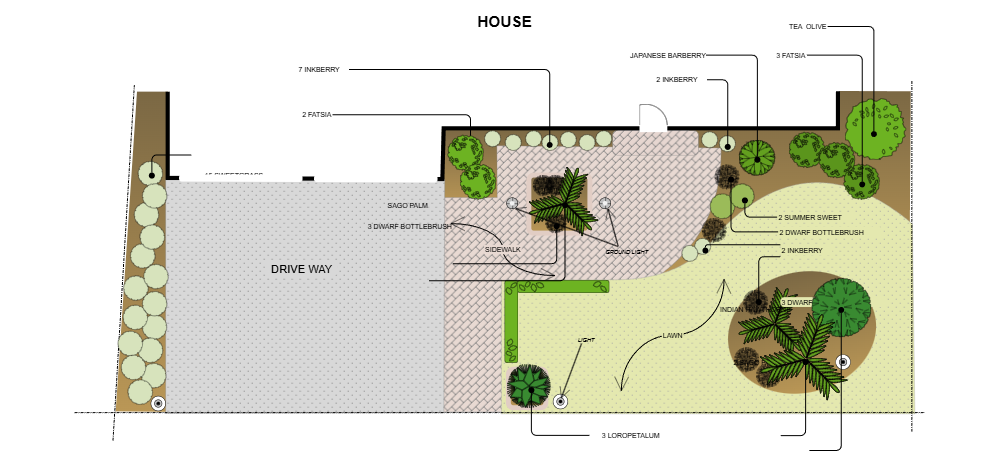
Create a simple garden layout by sketching your ideas on paper. Use symbols for plants and paths. This helps visualize your space and plan effectively.
Planning a garden layout can transform your outdoor space into a serene oasis. A well-thought-out plan ensures every inch of your garden is functional and beautiful. Start by sketching your ideas on paper. This helps visualize your future garden. Consider paths, seating areas, and plant beds. Keep reading to learn how to effectively plan your garden layout.Assessing Space And Dimensions
Begin by measuring the available space. Use a measuring tape for accuracy. Sketch the dimensions on graph paper. This gives a clear picture of the area you’re working with. Mark existing features like trees or buildings. These elements impact your design. Consider sun and shade patterns. This affects plant growth and placement.Choosing Focal Points
Select focal points to draw attention. Focal points guide the viewer’s eye. Common choices include a statue, fountain, or large tree. Position your focal points strategically. They should be visible from various angles. Consider their size and scale. They should complement the surrounding elements. Use them to create interest and depth in your garden.Selecting Plant Varieties
Choosing the right plant varieties is key for a successful garden design. Consider climate, soil type, and sunlight exposure to ensure healthy growth. Select plants that complement each other in color, height, and texture for a harmonious look.
Selecting the right plant varieties is a crucial part of creating a beautiful and thriving garden design. It’s not just about choosing your favorite flowers or the most colorful shrubs. You need to consider how these plants will interact with each other and the environment.Understanding Plant Needs
Each plant has specific needs that must be met for it to flourish. Consider factors like sunlight, water, soil type, and climate compatibility. Some plants love basking in full sun, while others prefer shady corners. Think about your garden’s microclimates. Do you have a spot that stays damp or a corner that gets sun all day? Choose plants that match these conditions to minimize maintenance and maximize growth.Mixing Colors And Textures
A garden should be a feast for the eyes, full of vibrant colors and interesting textures. Mix bold, bright blooms with subtle, muted tones to create depth and contrast. Think of your garden as a canvas and plants as your palette. Textures add another dimension to your garden design. Pair soft, feathery plants with sturdy, structured ones. This interplay keeps your garden visually appealing throughout the seasons. Explore different foliage shapes and sizes. Large, broad leaves can provide a backdrop for dainty, delicate flowers, creating harmony and balance. Choosing the right plant varieties can transform your garden into a dynamic, living masterpiece. Are you ready to let your creativity bloom?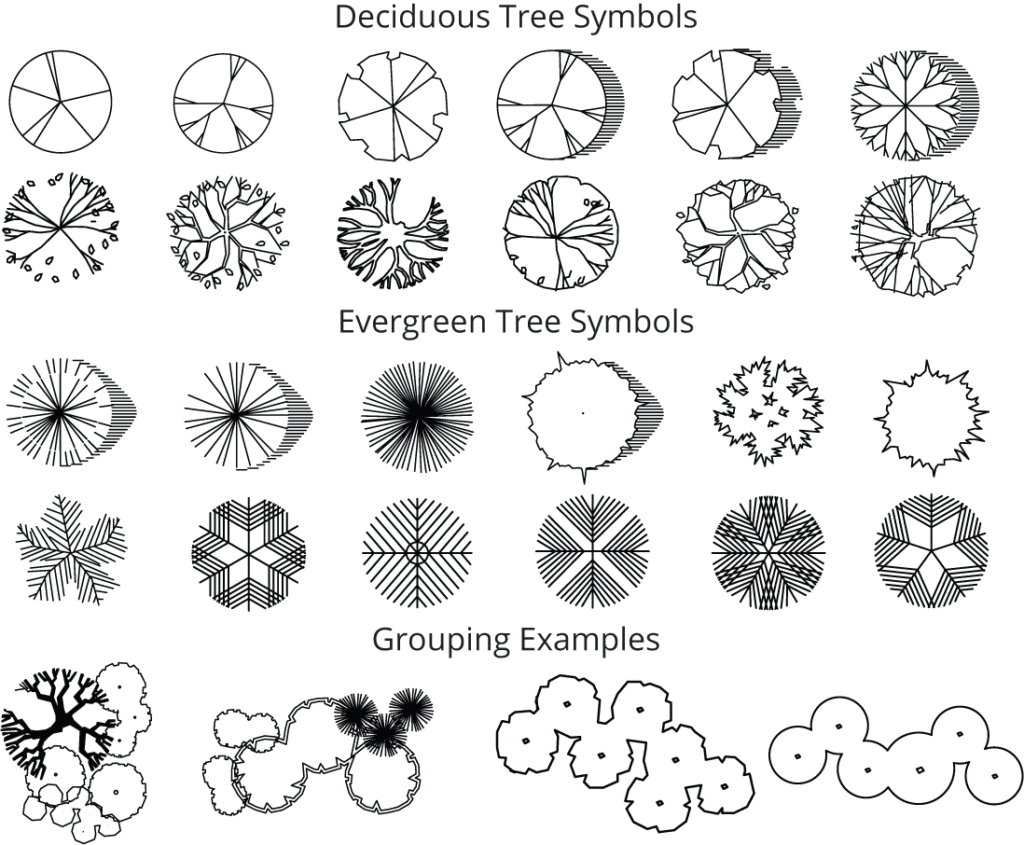
Credit: gardentutor.com
Incorporating Hardscape Elements
Integrating hardscape elements like paths, patios, and walls can transform a garden design sample. These features add structure, enhance visual appeal, and create functional spaces within your garden layout.
Incorporating hardscape elements into a garden design adds structure and beauty. Hardscape elements are non-living components. They complement plants and flowers. These include paths, water features, and walls. They enhance functionality and aesthetics. Creating a balanced garden is key. Hardscape elements offer variety and interest. They guide visitors through the garden. Let’s explore some popular hardscape features.Paths And Walkways
Paths guide visitors through a garden. They connect different areas. Use gravel for a rustic look. Pavers or bricks offer a formal style. Consider curved walkways for a natural feel. Straight paths create a modern look. Width matters. Wide paths allow easy access. Narrow paths create intimacy. Choose materials that match your garden’s theme. Think about maintenance. Gravel requires regular raking. Pavers need occasional cleaning.Water Features
Water features add tranquility. They include ponds, fountains, and waterfalls. Ponds support aquatic plants and fish. Fountains offer soothing sounds. Waterfalls create visual interest. Consider your garden’s size. Large features suit spacious gardens. Small fountains fit compact areas. Placement is crucial. Water features should draw attention. They can serve as focal points. Ensure easy access to water sources. Maintenance is necessary. Clean regularly to prevent algae.Adding Decorative Features
Adding decorative features enhances garden design samples. Include elements like fountains, statues, and flower beds to create visual appeal. Balance these features with open spaces to maintain harmony.
Adding decorative features to your garden design can transform it from ordinary to extraordinary. It’s these elements that give your garden personality and flair. They serve as conversation starters and focal points that invite admiration. Let’s dive into some exciting ways to enhance your garden with artful and illuminating touches.Garden Art And Sculptures
Think of sculptures and art pieces as the jewels of your garden. They add a unique character and can reflect your personal style. Whether it’s a whimsical gnome or a sleek modern sculpture, choose pieces that resonate with you. Consider the placement carefully. A small statue nestled among flowers can create a magical feel, while a large piece can serve as a central feature. Weather-resistant materials like stone or metal ensure longevity, allowing you to enjoy these features year-round.Lighting Solutions
Lighting can dramatically change the mood of your garden. It extends your enjoyment into the evening, creating a cozy and inviting atmosphere. Solar-powered lights are eco-friendly and require minimal maintenance. String lights draped over trees or along paths add a festive touch. Spotlights can highlight specific plants or features, drawing attention to your garden’s best elements. What kind of ambiance do you want to create as the sun sets? Remember, every garden is unique. What decorative features will make yours stand out? Experiment with different ideas and let your creativity shine.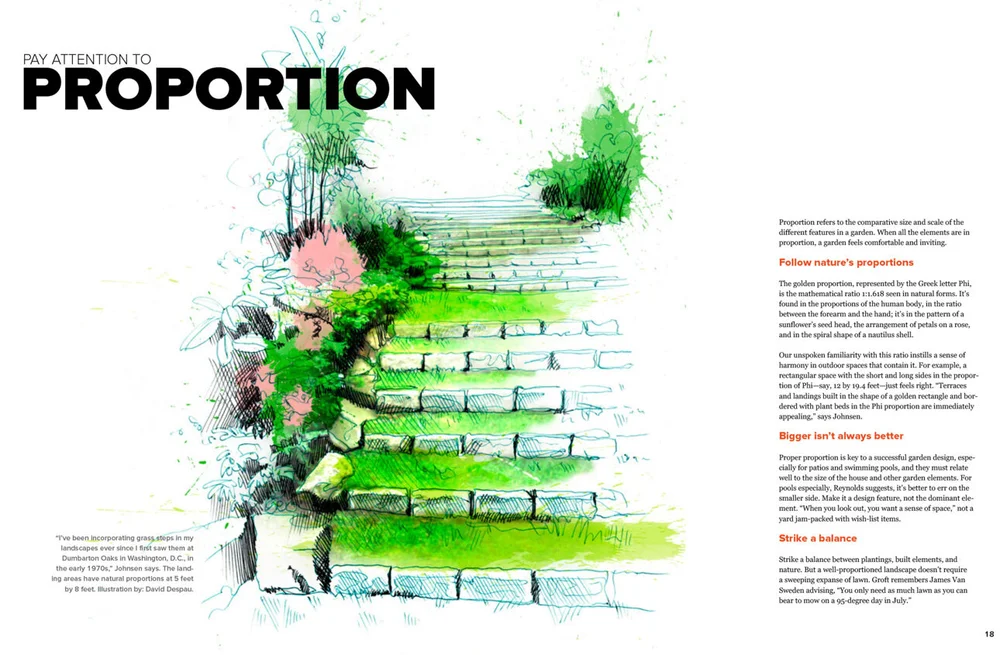
Credit: www.craigreynolds.net
Maintaining The Design Balance
Achieving design balance in a garden involves careful planning. Consider plant sizes, colors, and textures for harmony. Symmetry and proportion also play key roles, ensuring a visually pleasing layout.
Maintaining the design balance in a garden is an art. It ensures that your space remains harmonious and visually appealing. An effective garden design balances colors, textures, and plant types. This balance enhances the beauty and functionality of your garden. The key is to consider both aesthetics and practical aspects.Seasonal Adjustments
Each season brings unique changes to a garden. Spring blooms require different care than autumn foliage. Adjust plant care to suit seasonal needs. This keeps your garden vibrant year-round. Rotate plants to maintain visual interest. Use seasonal plants to refresh garden colors. This helps maintain balance throughout the year.Sustainability Practices
Sustainability is essential for a balanced garden. Choose native plants for easier maintenance. They adapt better to local conditions. Use organic fertilizers to enrich the soil naturally. This promotes healthy plant growth without harming the environment. Collect rainwater for watering your plants. It conserves water and is eco-friendly. Implement composting to reduce waste. It provides nutrient-rich soil for your garden. Sustainable practices help maintain a balanced ecosystem.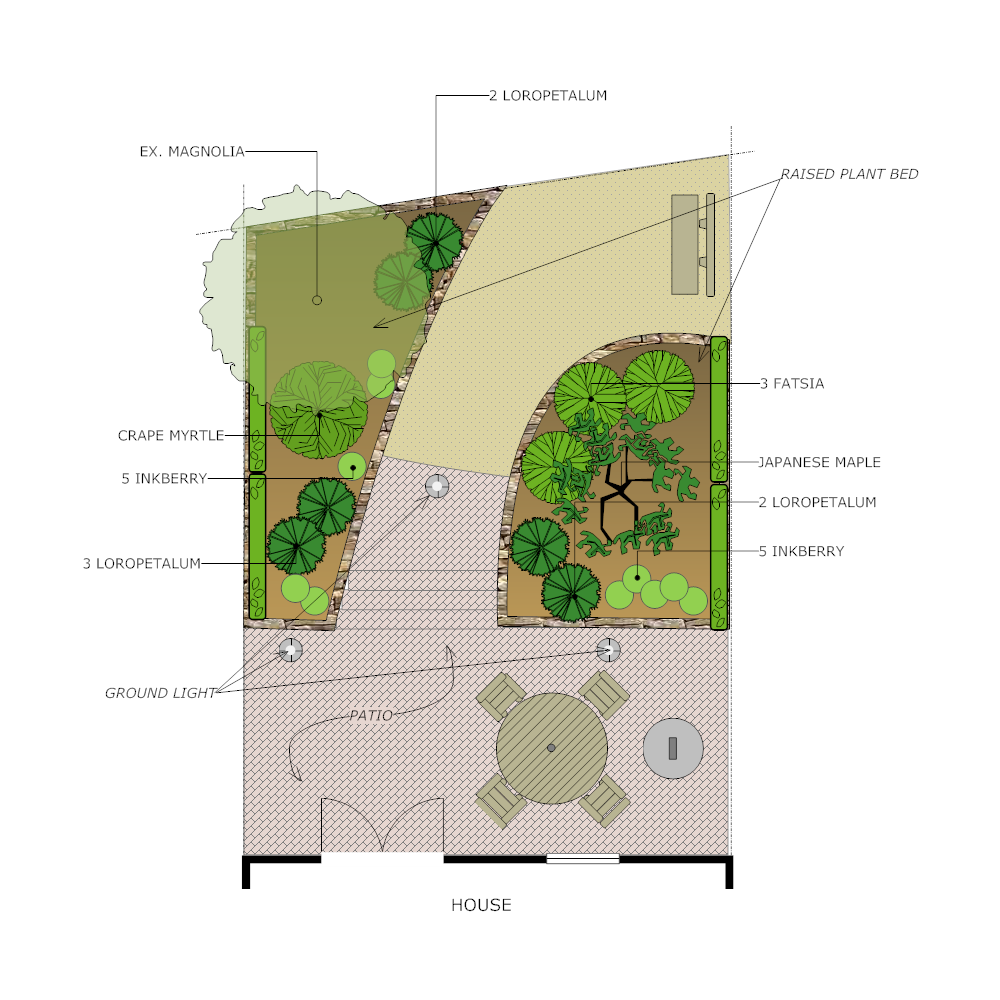
Credit: www.smartdraw.com
Frequently Asked Questions
What Tools Are Needed For Garden Design?
To design a garden, you need graph paper, a ruler, pencils, and colored markers. Software like SketchUp can help. Use a compass for circular designs. A measuring tape is crucial for accuracy. These tools ensure precision and creativity in your garden layout.
How Do I Start A Garden Design?
Begin by sketching your garden layout on paper. Identify key elements like pathways, plants, and water features. Consider sun exposure and soil type. Make sure to plan for maintenance needs. Draft multiple designs to explore different ideas before finalizing your plan.
What Are Garden Design Principles?
Garden design principles include balance, unity, and proportion. Balance ensures a harmonious layout. Unity ties various elements together for cohesion. Proportion ensures size consistency among plants and features. These principles guide aesthetic and functional garden designs.
How To Choose Plants For A Garden Design?
Consider climate, soil, and sunlight when choosing plants. Select perennials for long-lasting beauty and annuals for seasonal color. Mix textures and heights for visual interest. Use native plants for easier maintenance. Match plant colors to your garden theme for a cohesive look.
Conclusion
Creating a garden design sample is easier than you think. Start with a simple sketch. Use basic shapes to outline your garden. Add details like plants and paths next. Experiment with colors for a lively look. Remember, practice improves your design skills.
Don’t stress about perfection. Gardens are about personal style and creativity. Use this guide as a starting point. Then, let your imagination lead you. Enjoy the process. Your dream garden design is within reach. Keep refining and adjusting your plan.
Soon, you’ll have a garden you’ll love.







