
Imagine stepping into your garden and being greeted by a stunning array of vibrant flowers, neatly framed by beautifully designed borders. It’s not just a dream; it can be your reality.
Garden borders are more than just decorative edges—they’re the secret to transforming your flower beds into captivating, organized spaces. You might be wondering how you can achieve this in your own garden. Well, you’re in the right place. You’ll discover simple, effective ways to design garden borders that will make your flower beds pop with personality and charm.
Whether you’re a seasoned gardener or a beginner, you’ll find tips that cater to your needs, helping you create an outdoor space that reflects your style and enhances your home’s curb appeal. Let’s dive in and unlock the potential of your garden!

Credit: www.youtube.com
Choosing The Right Materials
Selecting the right materials ensures durability and beauty for garden borders. Choose stones, bricks, or wood for a natural look. Each option offers unique benefits and complements different garden styles.
Choosing the right materials for garden borders enhances your flower beds’ beauty. The materials you select influence the aesthetics and durability of your garden. Let’s explore some popular options.Natural Stones
Natural stones offer a timeless look. They blend seamlessly with the natural surroundings. Stones come in various shapes and colors. This provides flexibility in design. You can choose large boulders for a rustic feel. Smaller pebbles create a more polished appearance. Stone borders require minimal maintenance. They withstand harsh weather conditions.Wood Options
Wood adds warmth to garden borders. It’s versatile and eco-friendly. Cedar and redwood resist decay. These woods are excellent for outdoor use. Bamboo is another sustainable choice. It’s lightweight and easy to install. Wooden borders suit informal and cottage-style gardens. They require occasional treatment to prevent rot.Metal Edging
Metal edging provides a sleek and modern look. It’s perfect for contemporary gardens. Steel and aluminum are popular choices. They are durable and long-lasting. Metal edges create clean lines. They effectively separate lawn from flower beds. Over time, some metals develop a rustic patina. This enhances their visual appeal.
Credit: www.youtube.com
Determining Border Shape
Choosing the right shape for garden borders enhances flower bed aesthetics. Curved lines add a soft, flowing look, while straight edges offer a neat, structured appearance. Consider the style of your garden and the type of plants to create a harmonious design.
Determining the shape of your garden border is where creativity meets practicality. Borders define the space and style of your flower beds, serving both aesthetic and functional purposes. The shape you choose can dramatically impact the overall look and feel of your garden. Consider what kind of atmosphere you want to create and how much maintenance you’re willing to commit.Straight Lines
Straight lines bring a sense of order and modernity to your garden. They are ideal for creating a clean and structured look. If you prefer simplicity and ease of maintenance, straight borders might be your best friend. They’re perfect for geometric designs that complement contemporary homes. Have you ever noticed how straight lines can make small spaces appear larger?Curved Designs
Curved borders, on the other hand, offer a softer and more natural feel. They mimic the fluid shapes found in nature and can make your garden feel more inviting. Curves are excellent for breaking the monotony and adding visual interest. They can be particularly effective in larger gardens, where flowing lines can guide the eye and create a sense of movement.Combining Shapes
Why not mix things up by combining straight lines and curves? This approach can create a dynamic and personalized garden design. By blending shapes, you can highlight specific areas and draw attention to your favorite plants. It’s a strategy that allows you to play with contrasts and balance, making your garden uniquely yours. Have you ever thought about how combining shapes can tell a story about your garden’s evolution?Color Coordination
Designing garden borders for flower beds requires thoughtful color coordination. Choose colors that complement each other for a harmonious look. Mix vibrant and soft hues to create visual interest.
Designing garden borders for flower beds is an art that involves more than just picking plants and arranging them. One crucial aspect is color coordination, which can transform your garden into a visual masterpiece. The right blend of colors can highlight the beauty of your flowers and add a striking dimension to your garden space.Harmonizing With Flowers
A great way to create harmony in your garden is by matching the border colors with the flowers. If your flower bed is bursting with pink roses, consider a border featuring shades of green and soft pink to complement them. This approach creates a cohesive look that feels intentional and aesthetically pleasing. Think about the dominant colors in your flower bed. Use these as a guide for selecting border colors that match or enhance the floral hues. Mixing different shades of the same color can add depth without overwhelming the senses.Contrasting Colors
Using contrasting colors can make your flower beds stand out dramatically. If your flowers are mostly purple, a border in shades of yellow or orange can create a vibrant contrast that draws the eye. This technique can energize the space and make the flowers pop. Consider how colors opposite each other on the color wheel can work together. This bold approach can create a dynamic and engaging garden space. However, be careful not to use too many contrasting colors, as it may lead to a chaotic appearance.Neutral Tones
Neutral tones are perfect for those who prefer a more understated look. Borders in shades like gray, beige, or cream can provide a subtle backdrop that allows the flowers to take center stage. This is especially effective if your garden features a wide variety of colorful blooms. Neutral tones can also help to unify different sections of your garden. They work well with nearly any flower color, adding a sense of balance and calm. Sometimes, simplicity is the key. Neutral borders can highlight the natural beauty of your flowers without competing for attention. Have you considered how the color of your garden borders could transform the look of your flower beds?Height Considerations
Designing garden borders involves choosing plants based on their height. Taller plants create a background, while shorter ones form the front. Balance and harmony are key for an attractive flower bed arrangement.
Designing garden borders for flower beds involves a careful balance of aesthetics and functionality. One crucial aspect to consider is the height of your borders. The height can significantly influence not only the visual appeal of your garden but also its practicality. By thoughtfully selecting the height of your borders, you can create a harmonious and inviting garden space that caters to both small blooms and towering flowers.Low Borders
Low borders are perfect for creating a neat and tidy appearance in your garden. They allow small flowers to shine without overshadowing them. Materials like bricks, stones, or low hedges can be used effectively for this purpose. These borders are ideal for pathways or small gardens where you want to maintain an open and spacious feel. Consider low borders if you enjoy a subtle yet defined look for your flower beds.Medium Height Edges
Medium height edges offer a balance between visibility and structure. They provide a gentle frame that can guide the eye and highlight mid-sized plants. Wood planks, metal edges, or medium-sized shrubs are excellent choices. These edges work well in gardens with a mix of plant heights, ensuring that no flower gets lost in the shuffle. Think about medium height borders if you want to add dimension without overwhelming your garden space.Tall Borders For Impact
Tall borders make a bold statement and can create a dramatic backdrop for your garden. They are perfect for showcasing tall flowers and adding vertical interest. Options include trellises, tall hedges, or even decorative fences. These borders are particularly effective in larger gardens where you want to create distinct areas or sections. Opt for tall borders if you’re aiming for a striking visual impact that draws attention and admiration. Have you ever thought about how the height of your garden borders can transform your outdoor space? By choosing the right height, you can enhance the beauty and functionality of your garden, creating an enchanting retreat that reflects your personal style.Maintenance Tips
Designing garden borders for flower beds enhances their beauty and organization. Choose materials like stones or bricks for durability. Arrange plants with varying heights for a layered look.
Maintaining garden borders for flower beds ensures they stay beautiful and functional. Proper maintenance increases their lifespan and keeps your garden looking neat. Here are some maintenance tips to help you.Weather Resistance
Choose materials that can withstand different weather conditions. Wood borders may need a protective sealant to prevent rotting. Metal borders should be rust-resistant to handle rain and moisture. Check for damage after heavy storms or extreme temperatures. Regular inspections help catch problems early.Easy Cleaning
Keep your garden borders clean to maintain their appearance. Use a soft brush or cloth to remove dirt and debris. For tougher spots, a mild soap solution works well. Avoid harsh chemicals that might damage the material. Clean borders make your garden look tidy and inviting.Durability Over Time
Select durable materials for long-lasting garden borders. Concrete and stone offer great durability but might need occasional repairs. Wooden borders require regular checks for termites or rot. Consider replacing sections showing significant wear. This ensures your garden remains attractive and well-maintained.Incorporating Plants In Borders
Designing garden borders for flower beds enhances visual appeal and structure. Select plants that complement each other in color, height, and texture. Arrange them to create a layered look, offering depth and interest to your garden space.
Incorporating plants in garden borders transforms flower beds into vibrant displays. They add texture, color, and life. By choosing the right plants, garden borders can define spaces beautifully. Let’s explore some plant options for your borders.Using Ground Covers
Ground covers create a lush carpet effect. They fill gaps and suppress weeds. Options include creeping thyme and ajuga. These low-growing plants spread fast. They thrive in sun or shade. Ground covers offer a seamless, green backdrop.Shrubs As Borders
Shrubs provide structure and height. They create defined edges. Evergreen shrubs like boxwood stay green year-round. Flowering shrubs add seasonal interest. Hydrangeas and azaleas bloom beautifully. Shrubs can be pruned for neatness. They make excellent natural barriers.Flowering Edges
Flowering plants add bursts of color. Think marigolds, petunias, and daisies. These plants bloom throughout the season. Mix different heights for variety. Choose colors that complement your garden. Flowering edges attract pollinators. They bring bees and butterflies to your garden.Creating A Focal Point
Designing garden borders for flower beds creates a focal point in your outdoor space. Use contrasting colors and textures to highlight blooms. Curved lines or symmetrical shapes can guide the eye and enhance the beauty of your garden.
Creating a Focal Point in your garden border is like adding a cherry to the top of a sundae. It draws attention, adds interest, and makes the space feel cohesive. Think of it as the centerpiece that ties your flower beds together. A well-chosen focal point can transform a garden from ordinary to extraordinary, making every stroll through your garden a delightful experience. Whether it’s a statue, a water feature, or lighting accents, creating a focal point is all about capturing the eye and sparking curiosity.Using Statues
Statues can bring a touch of elegance or whimsy to your garden. Imagine a serene angel or a playful gnome nestled among your flowers. Statues can reflect your personality, or the theme you want for your garden. Select a piece that resonates with you and stands out without overwhelming the plants. Choose materials that withstand weather conditions, like stone or metal. Position the statue where it can be viewed from multiple angles, enhancing its presence.Water Features
A water feature can add tranquility and movement to your garden. The sound of flowing water can soothe the senses and invite wildlife, like birds and butterflies, into your space. Consider options like a small fountain or a bubbling urn. Ensure the size of the water feature complements your garden’s scale. You don’t want a tiny fountain lost in a sea of flowers, nor a large one that overshadows them.Lighting Accents
Lighting accents can transform your garden into a magical retreat once the sun sets. Picture your flower beds gently illuminated by soft, warm lights. It extends your garden’s usability into the evening hours, perfect for summer nights. Use solar-powered lights for an eco-friendly option. Place them strategically to highlight your focal point and create inviting pathways. Experiment with different lighting styles to achieve the ambiance you desire. What speaks to you—statues, water features, or lighting? Choosing the right focal point can make your garden border not just a sight, but an experience.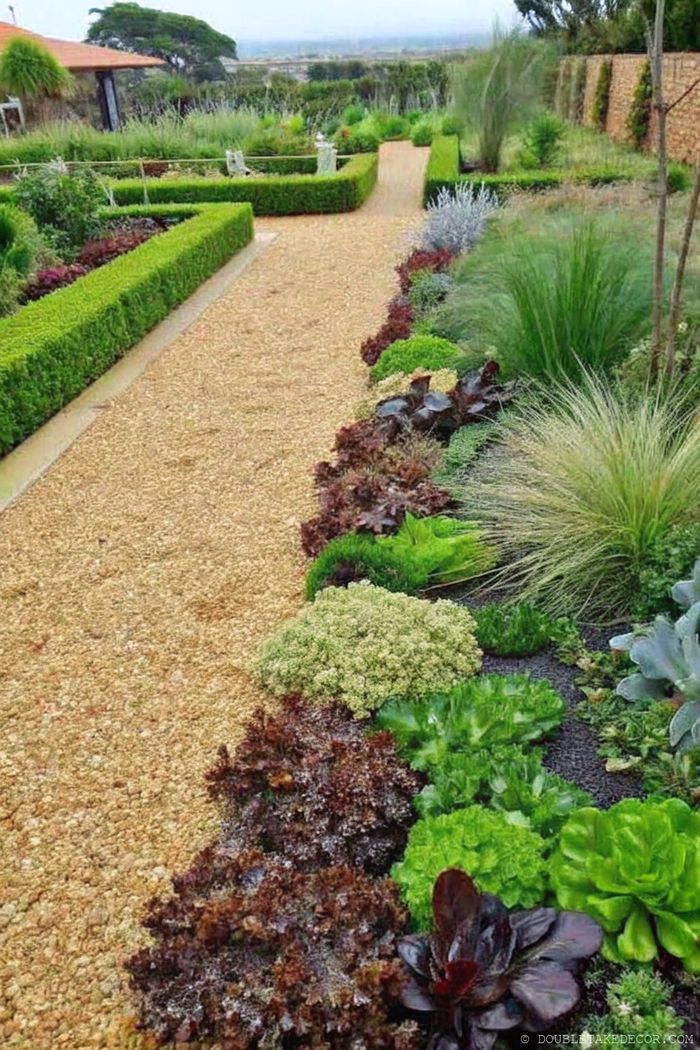
Credit: doubletakedecor.com
Frequently Asked Questions
What Materials Are Best For Garden Borders?
Garden borders can be made from various materials like stone, wood, and metal. Stone provides a natural look and durability. Wood is versatile and blends well with nature. Metal offers a modern aesthetic and strength. Choose materials that match your garden style and maintenance needs.
How To Choose Border Style For Flower Beds?
Select a border style that complements your garden’s design and plant types. Curved borders offer a flowing, natural look. Straight lines create a structured appearance. Consider the size and shape of your flower beds for best results. Match the style to your garden theme for harmony.
Are Garden Borders Easy To Maintain?
Garden borders are typically easy to maintain with regular upkeep. Stone borders need minimal maintenance but can shift over time. Wooden borders may require periodic sealing or staining. Metal borders are durable but can rust if untreated. Choose low-maintenance materials for hassle-free gardening.
How Do Borders Enhance Flower Beds?
Borders define flower beds and prevent soil erosion. They keep mulch and plants contained, creating a neat appearance. Borders also add aesthetic value, highlighting the beauty of flowers. By separating different areas, they help in organizing the garden space effectively.
Conclusion
Creating beautiful garden borders enhances your flower beds. They frame your garden and add charm. Consider materials like stone, wood, or metal. Each offers unique appeal. Think about design, too. Curved borders bring softness. Straight lines offer structure. Maintenance matters; easy-care options save time.
Mix textures for interest. Use colors that complement your flowers. Borders can be simple or ornate. Your choice reflects your style. Enjoy the process. It’s part art, part function. Your garden becomes a personal retreat. A place to relax and enjoy nature.
Craft borders that invite admiration. Your flowers deserve a stunning showcase.







