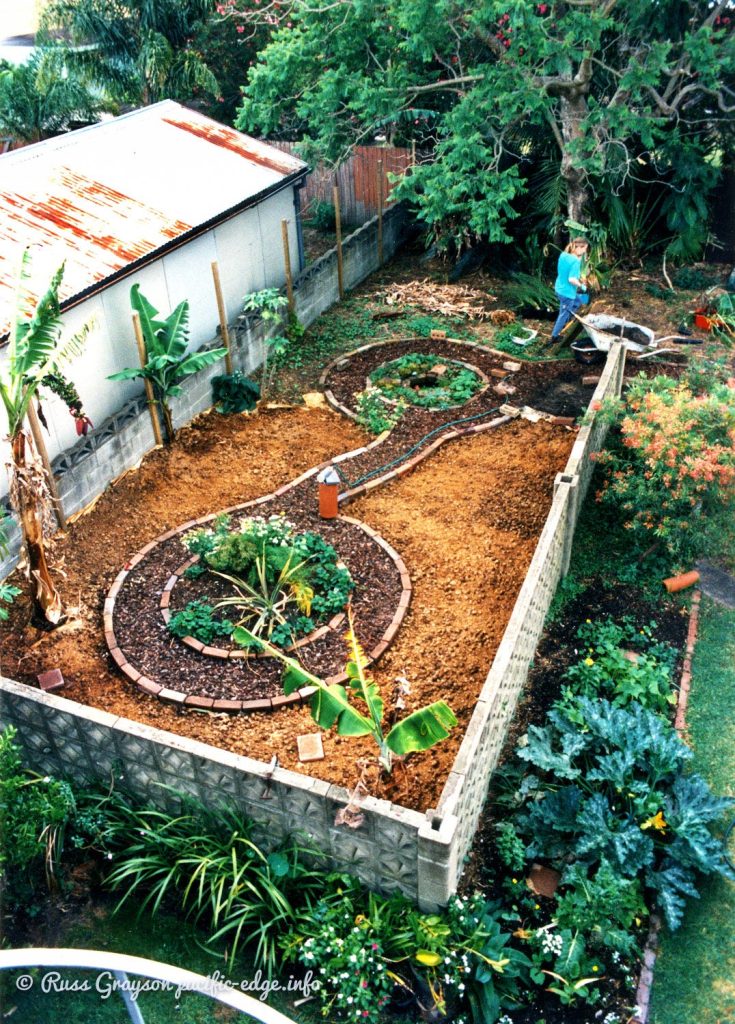
Imagine stepping into your backyard and being greeted by a lush, thriving ecosystem that’s both beautiful and productive. A permaculture garden can offer just that.
It’s not just about planting seeds; it’s about creating a sustainable space that works with nature, not against it. You might be thinking this sounds complicated, but designing your own permaculture garden can be simple and rewarding. You’ll discover how to work with the natural elements of your space, making the most of sunlight, water, and soil.
Plus, you’ll learn how to choose plants that support each other, creating a garden that practically takes care of itself. The benefits are endless—saving time, effort, and even money while contributing to the environment. Curious to see how you can transform your garden into a haven of harmony and abundance? Dive into this guide and unlock the secrets to creating a permaculture paradise right at home.

Credit: medium.com
Understanding Permaculture Principles
Discover how permaculture principles can guide your garden design. Focus on creating a self-sustaining ecosystem. Design spaces that mimic natural processes, ensuring efficient resource use and biodiversity.
Understanding permaculture principles is crucial when you’re designing your own garden. These principles help you create a sustainable ecosystem that thrives naturally. They guide you in making decisions that benefit not just you, but also the environment. By embracing these principles, you can develop a garden that’s resilient, productive, and harmonious with nature.What Is Permaculture?
Permaculture is more than just a gardening method; it’s a philosophy. It’s about observing nature and working with it, not against it. You learn to understand natural patterns and use them to your advantage. This approach can transform your garden into a self-sustaining haven.Observe And Interact
Before making any changes, spend time in your garden. Watch how the sun moves and where shadows fall. Notice which areas collect more water after rain. This observation helps you make informed decisions. The more you understand your space, the better you can interact and design it effectively.Catch And Store Energy
Energy in a permaculture garden isn’t just about electricity. Think about sunlight, water, and even nutrients. Consider installing rain barrels to collect water or using solar lights. These small changes store energy and resources, minimizing waste and maximizing efficiency.Apply Self-regulation And Accept Feedback
Permaculture is a learning process. Implement your ideas and be open to change. Your garden will teach you what works and what doesn’t. Listen to the feedback nature provides and adjust accordingly. This self-regulation ensures your garden adapts and improves continuously.Use And Value Renewable Resources
Focus on using resources that regenerate naturally. Choose plants that thrive in your local climate, reducing the need for artificial interventions. Composting kitchen scraps is a practical way to recycle nutrients back into the soil. These choices enhance sustainability and reduce reliance on non-renewable resources.Produce No Waste
Every element in your garden should have a purpose. Consider how waste can be repurposed. Fallen leaves can become mulch, and vegetable scraps can turn into compost. This principle encourages creativity and resourcefulness, ensuring that nothing goes to waste. As you design your permaculture garden, reflect on these principles. How can you make your garden more sustainable and harmonious? The beauty of permaculture lies in its adaptability, allowing you to tailor your garden to suit both your needs and nature’s.Site Assessment
Evaluate your garden’s sun exposure, soil type, and water availability. Consider the local climate to choose suitable plants. Identify areas for planting, pathways, and water features to maximize efficiency.
Designing a permaculture garden begins with understanding your site. Site assessment is crucial. It helps you tailor your garden to its environment. This step ensures harmony between nature and your design. Let’s explore key aspects of site assessment.Climate Considerations
Identify your region’s climate. Seasons influence plant choices. Know average temperatures and frost dates. Rainfall patterns matter too. Check wind directions. Strong winds can damage plants. Consider sun exposure. Note shaded and sunny areas. Each affects plant growth differently.Soil Analysis
Healthy soil is vital for a thriving garden. Test your soil’s pH level. It affects nutrient availability. Identify soil texture. Sandy, clay, or loamy soils have different properties. Check for organic matter. Rich soil boosts plant health. Identify drainage capacity. Poor drainage can lead to root rot. Soil health determines plant success.Water Resources
Water availability shapes your garden. Assess natural water sources. Streams or ponds can be beneficial. Consider rainwater harvesting. It’s sustainable and cost-effective. Check for existing irrigation systems. They may need updates. Identify areas prone to flooding. Proper planning prevents water damage. Efficient water management is essential.Design Planning
Creating a permaculture garden involves observing your space, understanding plant needs, and designing systems for sustainability. Prioritize native plants and integrate elements like water conservation and natural pest control.
Designing your own permaculture garden involves thoughtful planning. This process ensures that your garden is sustainable and efficient. Planning helps to utilize space effectively and maximize productivity. Begin by understanding the principles of permaculture. These principles emphasize working with nature, not against it. Consider aspects like water, sunlight, and soil type. These elements influence your garden’s layout and plant choices.Zoning Your Garden
Creating zones in your garden simplifies management. Zones are areas dedicated to specific tasks or plant types. Start by identifying areas with the most foot traffic. These are ideal for plants needing frequent care. Further away zones can house less demanding plants. Zones optimize energy use and time spent in the garden.Choosing Plant Species
Select plants that suit your climate and soil. Native species often require less maintenance. They are adapted to local conditions and attract beneficial wildlife. Companion planting enhances growth. Some plants repel pests or boost each other’s yield. Mix annuals with perennials for a balanced ecosystem.Incorporating Elements
Incorporate elements like compost bins and rainwater collectors. These elements enhance sustainability. Compost enriches soil, reducing the need for chemical fertilizers. Rainwater collectors provide free water for your plants. Include paths for easy access to all areas. Paths prevent soil compaction and improve drainage.Creating A Base Map
Creating a base map is the first step in designing a permaculture garden. Sketch your garden layout, noting existing trees, structures, and water sources. This helps visualize the space and plan plant placement effectively.
Creating a base map is an essential step in designing your own permaculture garden. It’s like setting the stage for a successful performance where each element plays a crucial role in the ecosystem. This foundational map helps you visualize your space, guiding you to make informed decisions about placement and resources.Sketching The Layout
Start by getting a bird’s eye view of your garden area. Grab a pencil and a piece of paper, and draw the outline of your space. Keep it simple; this is just a rough sketch to help you grasp the dimensions and major features. Think back to childhood when imagination turned a simple drawing into a vivid world. Channel that creativity, but keep scale and proportion in mind. This visual representation is your canvas, where you will plot your garden’s life. Consider pathways, existing structures, and any immovable elements. You might want to include a shed or a beloved tree. These will influence how you can maneuver around your garden, affecting the flow and accessibility.Identifying Key Features
Once your layout is sketched, identify key features that will shape your permaculture garden. These include sun exposure, water sources, and wind patterns. Observe your garden at different times of the day to understand these elements better. For instance, if your garden gets plenty of morning sun, you might place sun-loving plants there. Or perhaps a natural slope could be harnessed for water drainage. These observations help you leverage natural resources effectively. Consider other elements like soil quality and existing vegetation. These can affect the types of plants you choose and how you nurture them. Is there a section where the soil is particularly rich or poor? This could dictate plant placement and composting needs. Creating a base map is not just drawing lines and shapes; it’s about understanding your garden’s personality. What unique features does your space offer, and how can you use them to your advantage?Developing Plant Guilds
Design a thriving permaculture garden by developing plant guilds. Combine different plants that support and benefit each other. Boost growth and sustainability naturally.
Designing a permaculture garden isn’t just about planting seeds; it’s about creating a harmonious ecosystem. One core concept in permaculture is developing plant guilds. These are groups of plants that support each other, enhancing growth and resilience. Think of it as designing a community that thrives together. Understanding the dynamics of these plant guilds can transform your garden into a lush and productive space.Companion Planting
Companion planting is the art of pairing plants that help each other grow. Some plants deter pests, while others enhance soil nutrients. For example, pairing tomatoes with basil can enhance the flavor of your tomatoes and keep pests at bay. Consider what each plant can offer to its neighbor. Are there plants in your garden that could use a friend? Think about their needs and benefits to create a symbiotic relationship. This mindful pairing can lead to a healthier, more vibrant garden.Layering Techniques
Layering techniques involve planting in a way that mimics natural ecosystems. By layering, you maximize space and create diverse habitats. Imagine a forest: trees, shrubs, groundcovers, and roots all occupy different layers. In your garden, start with a canopy layer with taller plants. Then, add shrubs and groundcovers to fill the space below. This approach not only saves space but also creates a microclimate beneficial for all plants involved. Each layer provides different functions such as shade, protection, and nutrient cycling. Have you considered how layering could transform your garden’s productivity? Experiment with different plant combinations and observe how they flourish together. This multi-layered strategy can lead to a robust and self-sustaining garden ecosystem.Water Management Strategies
Designing a permaculture garden involves strategic water management. Capture rainwater using barrels or swales to reduce reliance on external sources. Implement drip irrigation systems for efficient water distribution and minimize evaporation.
Designing a permaculture garden is not only about planting diverse crops but also about nurturing the environment in which they grow. One of the most crucial aspects of this is managing water efficiently. Water is a precious resource, and using it wisely can make a significant difference in your garden’s productivity and sustainability.Rainwater Harvesting
Rainwater harvesting is a fantastic way to make the most of the natural precipitation your garden receives. By collecting rainwater, you can reduce your reliance on municipal water supplies. Use barrels or tanks to capture runoff from your roof. Consider the placement and size of your rainwater collection system based on your garden’s needs. A simple system can be set up with a few rain barrels connected to downspouts. This stored water can be used during dry spells, ensuring your plants remain hydrated.Irrigation Systems
Irrigation systems play a pivotal role in water management by delivering water directly to where it’s needed. Drip irrigation is a popular choice among permaculturists. It minimizes water waste by targeting the root zone of plants. Setting up a drip irrigation system might seem daunting, but it’s quite manageable. Use a timer to automate watering, saving both time and water. You’ll be surprised at how much more efficient your garden can be with a well-thought-out irrigation plan. What systems have you tried in your garden? Share your experiences and learn from others in the permaculture community.Soil Enrichment Methods
Creating a permaculture garden involves enriching soil with organic matter, compost, and natural fertilizers. Rotate crops and plant cover crops to maintain soil health. Use mulch to retain moisture and suppress weeds.
Designing your own permaculture garden is an exciting journey toward sustainability, and enriching your soil is a crucial part of this process. Healthy soil is the foundation of a thriving garden, and there are several effective methods to enhance its quality. Let’s dive into two impactful ways to enrich your soil: composting and mulching.Composting Techniques
Composting is a natural way to recycle organic waste into valuable soil nutrients. You can start by collecting kitchen scraps like vegetable peels, eggshells, and coffee grounds. Add yard waste such as leaves and grass clippings to your compost pile. Consider using a compost bin to keep things tidy and accelerate the breakdown process. Remember to turn your pile regularly to aerate it, which helps speed up decomposition. A balanced compost pile should have a mix of green materials (nitrogen-rich) and brown materials (carbon-rich). This balance ensures your compost doesn’t become too soggy or dry.Mulching Benefits
Mulching is a simple yet powerful technique to improve soil health. By covering the soil with organic materials like straw, wood chips, or leaves, you protect it from erosion and retain moisture. Mulch acts as a barrier against weeds, reducing the need for constant maintenance. It also provides insulation, keeping your soil warm during cooler months and cool during hot periods. As the mulch breaks down, it adds nutrients back into the soil, enriching it naturally. This gradual process mimics nature’s way of replenishing the earth, making your permaculture garden more sustainable. Have you ever noticed how a forest floor is covered in leaves and organic matter? This natural mulching is what you aim to replicate in your garden. What other methods have you tried to enrich your soil?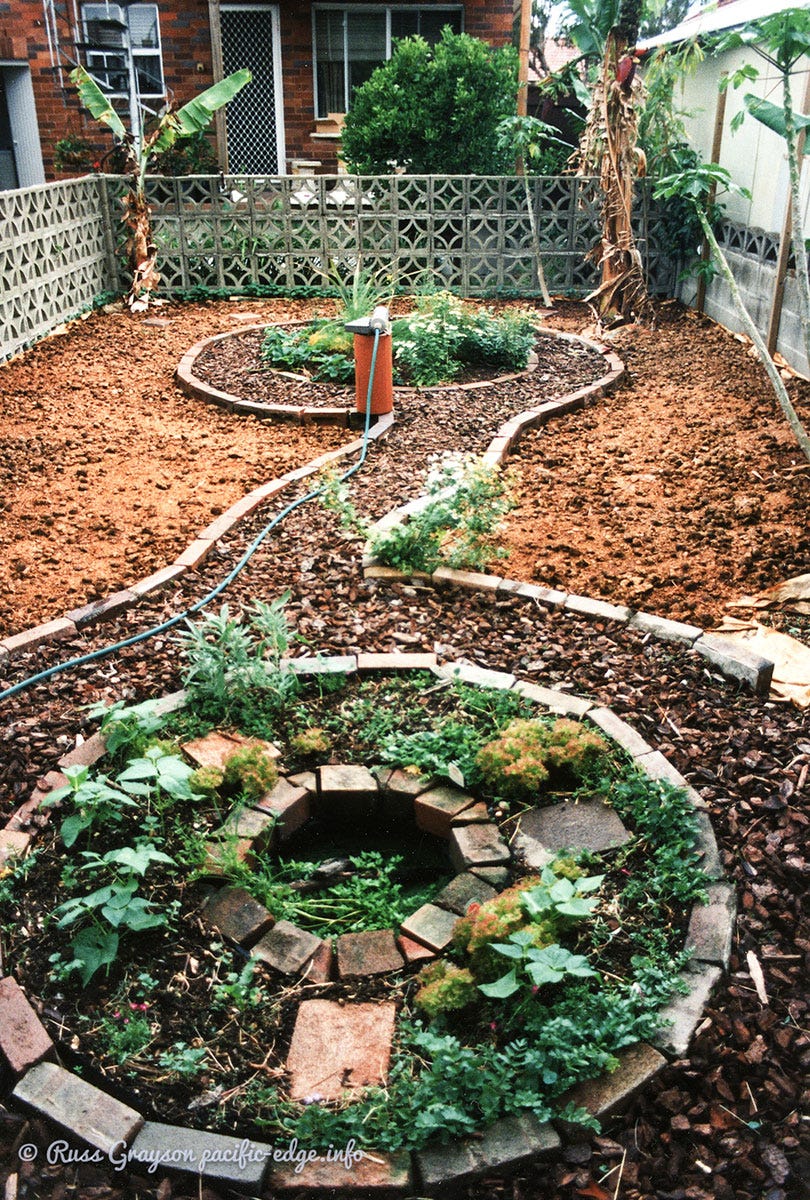
Credit: medium.com
Implementing Sustainable Practices
Designing your own permaculture garden offers a chance to blend sustainability with creativity. Begin by observing natural patterns in your space. Incorporate native plants to enhance biodiversity and conserve resources.
Implementing sustainable practices in your permaculture garden is essential for creating a thriving ecosystem that benefits both you and the environment. By focusing on natural solutions and thoughtful planning, you can cultivate a garden that flourishes while minimizing impact. Embracing these practices not only fosters biodiversity but also enhances your gardening experience.Natural Pest Control
Using natural pest control methods can transform your garden into a harmonious space. Encourage beneficial insects like ladybugs and butterflies, which help manage pest populations. Consider planting marigolds or garlic around vulnerable crops—these plants naturally repel many common pests. You might find that companion planting is particularly effective. Basil near tomatoes can deter flies, while mint can keep ants at bay. How rewarding would it be to watch your garden thrive without resorting to harmful chemicals?Crop Rotation
Crop rotation is a simple yet impactful practice that maintains soil health and reduces pest build-up. By changing the location of your crops annually, you can prevent soil depletion and disrupt pest life cycles. For example, rotating legumes with leafy greens can replenish nitrogen in the soil, benefiting successive plantings. Have you ever noticed a decline in your garden’s yield after planting the same crops repeatedly? This might be your cue to start rotating your crops. Not only does this encourage healthier growth, but it also introduces you to a variety of planting techniques and crop types.Monitoring And Maintenance
Regular checks ensure your permaculture garden thrives. Observe plant health and soil conditions routinely. Adjust water and nutrients as needed.
Monitoring and maintenance are essential for a thriving permaculture garden. Observing changes helps adapt to the garden’s needs. Regular checks ensure plant health and system balance. Permaculture focuses on working with nature. This requires continuous learning and adjusting.Seasonal Adjustments
Every season brings changes to the garden environment. Adjust planting schedules based on weather patterns. Soil conditions vary with seasons, affecting plant growth. Mulching can protect soil during winter months. In summer, increase watering to prevent plant stress. Seasonal pests may appear; organic solutions can manage them.Evaluating Success
Assessing the garden’s progress is crucial. Look at plant health and yield. Notice any recurring pest issues. Evaluate soil quality regularly. Check if water systems are effective. Compare the garden’s output with previous seasons. This helps track improvements and areas needing change. Feedback from nature guides future adjustments. Regular evaluation ensures the garden’s long-term success.
Credit: medium.com
Incorporating Wildlife Habitats
Create a thriving permaculture garden by designing wildlife habitats. Attract beneficial creatures like birds and bees. Enhance biodiversity with native plants, water features, and shelter spaces.
Incorporating wildlife habitats in a permaculture garden enhances biodiversity. It creates a balanced ecosystem. Wildlife supports plant health and boosts productivity. This approach is crucial for sustainable gardening. By inviting beneficial creatures, your garden thrives.Supporting Pollinators
Pollinators like bees and butterflies are vital. They help plants produce fruits and seeds. To support them, plant a variety of flowers. Choose native plants with different bloom times. This provides nectar and pollen year-round. Create water sources like shallow dishes. Add stones for safe perching. Avoid using chemicals. They harm beneficial insects. Encourage a diverse insect population.Creating Shelter
Wildlife needs shelter for safety and breeding. Use natural materials to build habitats. Piles of rocks or logs work well. They provide homes for small creatures. Install birdhouses or bat boxes. They help control pests by eating insects. Plant dense shrubs or hedges. They offer nesting sites and protection. Leave some garden areas untidy. Fallen leaves and branches are useful. They create habitats for insects and small animals. This messy approach supports a rich ecosystem. Encourage wildlife diversity with varied structures. This keeps your garden vibrant and healthy.Frequently Asked Questions
What Is Permaculture Gardening?
Permaculture gardening is a sustainable approach that mimics natural ecosystems. It focuses on working with nature, not against it. This method conserves resources, enhances biodiversity, and promotes self-sufficiency. By using permaculture principles, you can create a garden that is both productive and environmentally friendly.
How Do I Start A Permaculture Garden?
Begin by observing your land and understanding its natural patterns. Design your garden to work with these patterns. Incorporate elements like water management, plant diversity, and soil health. Start small, and expand as you gain confidence. Use resources efficiently and aim for a self-sustaining ecosystem.
What Are The Benefits Of Permaculture Gardening?
Permaculture gardening offers numerous benefits, including improved soil health and reduced water usage. It enhances biodiversity and promotes self-sufficiency. This approach also reduces the need for chemical inputs. Over time, a permaculture garden becomes more resilient and productive, providing a sustainable food source.
What Plants Are Best For Permaculture Gardens?
Choose native and adaptable plants that suit your climate and soil conditions. Incorporate a mix of perennials and annuals for diversity. Consider plants that support each other, like companion planting. Include nitrogen-fixing plants, ground covers, and those that attract beneficial insects to enhance ecosystem health.
Conclusion
Creating your own permaculture garden is rewarding. Start small. Understand your space. Choose plants wisely. Consider their needs. Pay attention to water use. Compost is your friend. Use it often. Observe changes. Adapt as needed. Your garden evolves over time.
Patience is key. Enjoy the process. Nature thrives when nurtured. You’ll gain food and satisfaction. Every small effort counts. Connect with the Earth. Feel its rhythm. Share your experiences. Inspire others. Permaculture is a journey. Embark today. Make your garden a place of growth.
A place of peace. A place of harmony. Your personal sanctuary.







