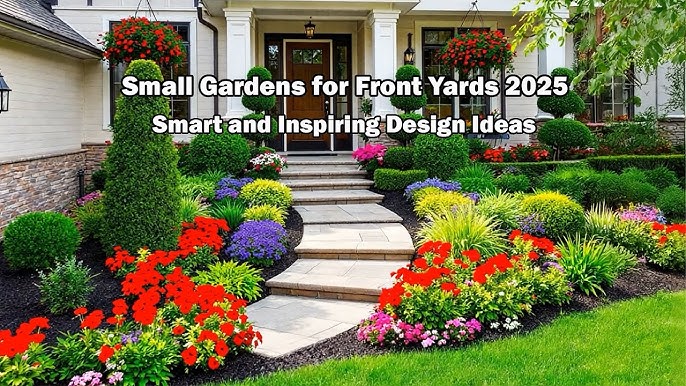
Imagine stepping outside your front door to be greeted by a garden that truly reflects your personality and style. Whether you dream of vibrant flower beds, a peaceful retreat, or a modern masterpiece, designing your own front garden is an exciting opportunity to transform your outdoor space.
You might be wondering where to start or how to bring your vision to life. You’re not alone, and this guide is here to help you every step of the way. By understanding a few key principles, you can create a garden that not only enhances your home’s curb appeal but also brings joy every time you see it.
Dive into the tips and tricks that will make your front garden the envy of the neighborhood, and discover how easy it can be to design a space that’s uniquely yours.

Credit: www.goodhousekeeping.com
Choosing A Style
Designing your front garden starts with choosing a style that matches your home. Consider elements like plants, paths, and decorations. Think about the mood you want to create. Do you prefer a modern, classic, or cottage look? Your choice sets the tone for the entire space.
Choosing the right style for your front garden sets the tone for your entire home. It reflects your personality and complements the architecture of your house. Whether you aim for a serene escape or a vibrant showcase, picking the right style is crucial.Traditional Vs Modern
Traditional gardens often evoke a sense of nostalgia and charm. Imagine lush greenery, vibrant blooms, and perhaps a quaint bench. If you cherish timeless elegance and classic aesthetics, this might be your style. Modern gardens, on the other hand, emphasize simplicity and functionality. Think clean lines, minimalist plantings, and innovative materials. If you prefer a sleek, contemporary look, modern might be your way to go.Formal Vs Informal
Formal gardens are all about symmetry and order. They often feature neatly trimmed hedges and clearly defined paths. If precision and structure appeal to you, a formal garden could be the right choice. Informal gardens offer a more relaxed vibe, with winding paths and a mix of plant varieties. They allow for creative freedom and a more natural look. If you enjoy a casual and spontaneous feel, an informal garden might suit your taste. Choosing between these styles requires a bit of introspection. What resonates with your lifestyle and preferences? Your front garden is an extension of your home, so let it reflect who you are.Planning The Layout
Creating a captivating front garden begins with thoughtful layout planning. Consider pathways, focal points, and plant placements. Aim for balance and harmony to enhance curb appeal.
Planning the layout of your front garden is like setting the stage for a beautiful play. The right layout not only enhances the visual appeal but also ensures functionality. Imagine stepping out of your house and being greeted by a garden that perfectly reflects your style and needs.Zoning The Space
Begin by zoning your garden space. Identify different areas based on their purpose and function. Do you want a cozy seating area, a lush flower bed, or maybe a vegetable patch? Use simple markers like stones or sticks to outline these zones temporarily. This helps visualize how each section will look and interact with the others. Think about the sunlight each zone receives. This is crucial for plant health. For instance, place sun-loving plants in the brightest areas and shade plants where light is limited.Pathways And Access
Create clear pathways to navigate your garden easily. A well-defined path adds structure and guides visitors through your garden’s various zones. Consider materials like gravel, stone, or wood chips for your pathways. Each material offers a different texture and aesthetic, influencing the garden’s overall vibe. Ensure pathways are wide enough for easy movement. Imagine carrying a watering can or a basket of freshly picked veggies. You don’t want to feel cramped. Ask yourself how you will access different parts of the garden for maintenance. Easy access makes gardening more enjoyable and less of a chore. Remember, your garden is a personal retreat. Thoughtful planning of the layout makes it a sanctuary where every visit feels like a mini-vacation.Selecting Plants
Choosing the right plants is essential for designing your front garden. Consider local climate and plant size. Opt for a mix of evergreens and seasonal flowers to ensure year-round appeal.
Designing your front garden involves creativity and planning. One key element is selecting the right plants. This choice determines the garden’s beauty and harmony. Plants add life and color, enhancing the home’s curb appeal. Consider factors like climate, color, and texture for a stunning garden.Climate Considerations
Choosing plants that thrive in your climate is crucial. Understand your region’s weather patterns. Some plants prefer warm temperatures, while others need cooler conditions. Research the hardiness zone of your area. Select plants that match your local environment. This ensures they grow well and remain healthy.Color And Texture
Color and texture bring visual interest to your garden. Mix different hues for a vibrant look. Combine bright colors with softer shades for balance. Texture adds depth and contrast. Use plants with varied leaf shapes and sizes. Consider flowering and non-flowering plants. This creates a dynamic and appealing garden design.
Credit: www.hartnellgardens.co.uk
Incorporating Hardscaping
Incorporating hardscaping elements like stone paths and retaining walls can transform your front garden. These features add structure and create a welcoming entrance. Use natural materials to blend seamlessly with the landscape.
Incorporating hardscaping elements can transform a front garden. Hardscaping involves using non-living materials to enhance the landscape. It adds structure and style. This approach brings balance to greenery with stone, wood, and metal accents. These elements create focal points and define spaces. Hardscaping makes gardens functional and beautiful.Choosing Materials
Selecting the right materials is crucial. Consider durability and appearance. Popular choices include stone, brick, and concrete. Stone offers a natural look and lasts long. Brick adds warmth with its red tones. Concrete is versatile and affordable. Wood can add a rustic touch. Metal brings a modern vibe. Choose materials that complement your home’s exterior.Adding Features
Features enhance the garden’s design. Pathways guide visitors through the space. Use gravel or pavers for paths. Install a patio for outdoor seating. Create a peaceful retreat with a small water feature. Fountains and ponds add tranquility. Retaining walls help manage slopes. They also define garden areas. Raised beds can add depth and interest. Consider lighting for evening ambiance. Solar lights are eco-friendly and easy to install. Each feature adds unique charm to the garden.Lighting Design
Creating your own front garden lighting design involves choosing the right fixtures to highlight paths and plants. Consider solar-powered lights for energy efficiency and placement near focal points for dramatic effect. Adjust brightness to enhance the atmosphere without overwhelming the garden’s natural beauty.
Lighting Design is crucial for a stunning front garden. Well-placed lights create mood and ambiance. They enhance safety and highlight garden features.Types Of Lighting
Choosing the right type of lighting is important. Consider these options:- Path Lights:These lights outline walkways. They guide visitors safely.
- Spotlights:They focus on specific areas. Use them to highlight trees or shrubs.
- Floodlights:They illuminate wide areas. Perfect for lighting up large spaces.
- String Lights:Add charm and warmth. They are ideal for patios or pergolas.
Highlighting Features
Strategically placed lights can transform your garden. Consider these tips to enhance garden features:- Accent Trees:Spotlights can bring out the beauty of your trees.
- Garden Statues:Use soft lights to highlight statues and ornaments.
- Water Features:Underwater lights make ponds or fountains magical.
- Flower Beds:Small lights can accentuate colorful blooms.
Sustainable Practices
Create a front garden by incorporating native plants for a sustainable design. Use permeable paths to manage rainwater effectively. Consider solar lights to illuminate your garden efficiently.
Designing a front garden can be fulfilling. Embracing sustainable practices enhances its beauty and longevity. These practices support the environment while saving resources. They also make your garden thrive in harmony with nature. Let’s explore some key sustainable practices for your front garden.Water Conservation
Water is a precious resource. Conserving it in your garden is crucial. Install a rain barrel to collect rainwater. This system reduces reliance on tap water. Drip irrigation systems are efficient. They deliver water directly to the roots. Mulching your soil helps retain moisture. It also reduces the need for frequent watering. Choose drought-resistant plants. They need less water and still look beautiful.Native Plant Choices
Native plants are well adapted to local conditions. They require less maintenance and water. They also attract local wildlife, like birds and butterflies. This boosts biodiversity in your garden. Native plants also resist local pests and diseases better. Research which plants are native to your region. Some examples might include wildflowers or native grasses. These plants will thrive and enhance your garden’s natural beauty.Maintenance Tips
Maintaining a front garden is vital for its beauty and health. Regular care keeps plants thriving and the space inviting. Follow these tips for a flourishing garden.
Seasonal Care
Each season brings unique challenges for garden maintenance. In spring, focus on cleaning and preparing soil. Summer requires frequent watering to prevent plants from drying out. Fall is ideal for pruning and clearing leaves. Winter care involves protecting plants from frost. Adjust care techniques for the changing weather.
Pest Management
Pests can harm garden plants and disrupt growth. Inspect plants regularly to catch infestations early. Use natural pest control methods like neem oil or insecticidal soap. Encourage beneficial insects that eat pests. Keep garden beds tidy to reduce pest habitats. Proper management keeps plants healthy and vibrant.
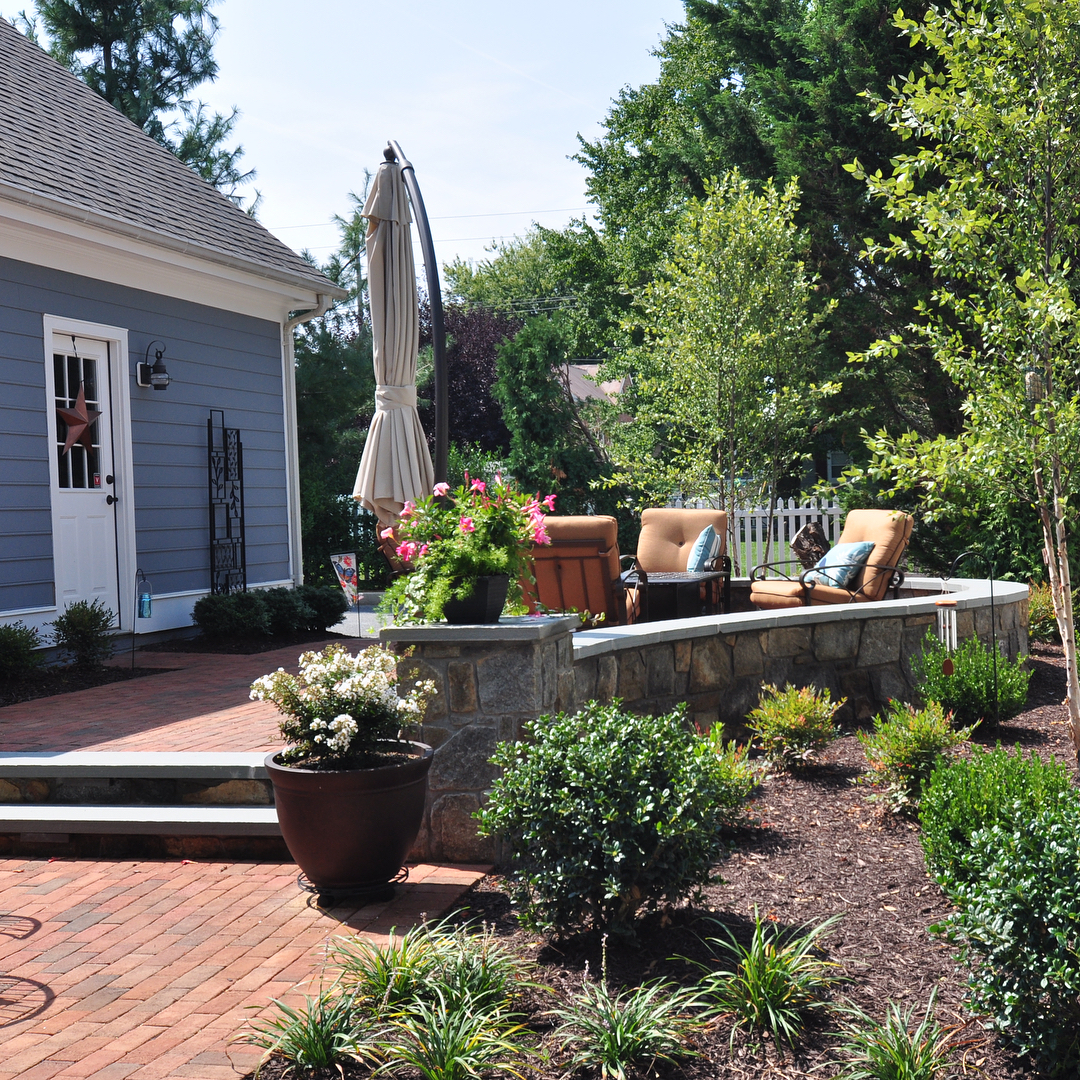
Credit: www.extraspace.com
Budget-friendly Ideas
Create a beautiful front garden without breaking the bank. Use native plants for easy maintenance and low cost. Add charming pathways with gravel or recycled materials for a welcoming touch.
Designing your own front garden doesn’t have to break the bank. With some creativity and resourcefulness, you can transform your outdoor space into a beautiful sanctuary. Let’s explore some budget-friendly ideas to help you achieve this.Diy Projects
Engaging in DIY projects can be both rewarding and cost-effective. Imagine creating a pathway using stones from your backyard or crafting a bird feeder from an old teapot. These small projects add a personal touch and can be completed over a weekend. Plus, they provide a sense of accomplishment every time you step outside. What’s a DIY project you’ve been itching to try?Repurposing Materials
Repurposing materials is an excellent way to save money and reduce waste. Old furniture can find new life as planters or garden benches. Look around your home for items that could serve a new purpose in your garden. A friend once transformed a rusty bicycle into a charming garden feature by adding flower baskets to the handlebars. Could you find something similar in your garage? By thinking outside the box, you can create a unique garden space without spending a fortune.Frequently Asked Questions
What Are The Best Plants For A Front Garden?
Choosing plants for your front garden depends on climate and personal preference. Opt for hardy perennials like lavender or roses. Consider native plants for easy maintenance. Incorporate seasonal flowers for color. Evergreen shrubs provide year-round structure. Ensure plants are suitable for sunlight and soil conditions.
How Can I Create A Low-maintenance Garden?
To create a low-maintenance garden, choose native plants that thrive in your climate. Use mulch to reduce weeds and retain moisture. Incorporate automated irrigation systems. Opt for gravel paths and ground covers instead of grass. Regularly prune and deadhead plants for long-term ease.
How Do I Plan A Garden Layout?
Start by sketching your garden’s dimensions. Consider focal points like a tree or sculpture. Plan pathways for easy access. Group plants according to height and color. Ensure sunny areas for sun-loving plants. Incorporate seating areas for relaxation. Adjust the layout as necessary during implementation.
What Is The Importance Of Soil Preparation?
Proper soil preparation ensures healthy plant growth. Test soil pH and amend with compost if needed. Loosen soil to improve drainage. Remove weeds and rocks. Add organic matter to enhance nutrients. Mulching helps retain moisture. Regularly check and improve soil conditions for optimal plant health.
Conclusion
Creating your front garden is a rewarding journey. Begin with simple ideas. Play with colors and shapes. Choose plants that thrive in your climate. Add paths for easy access. Decorate with stones or small sculptures. Consider the sunlight and shade in your garden.
Water your plants regularly. Trim them to keep them healthy. Enjoy the beauty you create. Invite friends to admire your work. Celebrate your unique garden design. Transform your space into a peaceful retreat. With patience and care, your garden will flourish.
Embrace creativity and nature in this project. Your garden reflects your personal style.







