Imagine walking into your home and being greeted by a vibrant, living masterpiece—a garden that thrives indoors, away from the unpredictable whims of the weather. Designing your indoor succulent garden isn’t just about adding greenery to your space; it’s about crafting a personal sanctuary that breathes life and tranquility into your everyday environment.
You’re about to discover how to turn ordinary corners of your home into extraordinary displays of nature’s resilience and beauty. With the right tips and tricks, you can create a stunning indoor garden that not only enhances your décor but also improves your well-being.
Are you ready to transform your home with the lush appeal of succulents? Keep reading, because we’re about to dive into the essential steps that will help you design a stunning indoor succulent garden that reflects your unique style and needs.
Choosing The Right Succulents
Picking succulents with varied shapes and colors creates an inviting indoor garden. Select species that thrive in low-light conditions. Proper arrangement enhances aesthetics and ensures healthy growth.
Choosing the right succulents for your indoor garden is crucial. Succulents come in various shapes, sizes, and colors. Each type offers unique beauty and charm. Selecting the right ones can make your garden thrive. Let’s explore some popular varieties and factors to consider.Popular Succulent Varieties
Succulents like Aloe Vera are easy to grow. Jade plants have thick, glossy leaves. Echeveria have rosette shapes and come in many colors. Haworthia are small and perfect for desk spaces. Zebra plants have striped leaves, adding visual interest. Choose varieties that fit your space and style.Factors To Consider
Consider sunlight in your home. Some succulents need more light. Others thrive in shade. Check your room’s temperature and humidity. Some plants prefer dry air. Others need more moisture. Size is another factor. Large succulents need more space. Smaller ones fit on windowsills.
Credit: www.dallasnews.com
Ideal Location For Your Succulent Garden
Choosing the ideal location for your indoor succulent garden is crucial for its growth and vibrancy. Succulents are known for their resilience, but they thrive best under specific conditions. Understanding these conditions will help you create a lush, healthy garden that you can enjoy all year round. Let’s dive into what makes a location perfect for your succulents.
Light Requirements
Succulents are sun-loving plants, and their light requirements are non-negotiable. They crave bright, indirect sunlight to maintain their plump leaves and vibrant colors. Consider placing your succulent garden near a south or east-facing window where sunlight is abundant.
However, it’s essential to avoid direct sunlight, which can scorch their delicate leaves. If your home lacks natural light, you might want to invest in grow lights. These can simulate natural sunlight and keep your succulents happy.
Temperature And Humidity
Succulents thrive in warm temperatures, ideally between 60°F and 80°F. They are not fond of extreme cold, so ensure your indoor garden is away from drafty windows or air conditioning vents. A cozy corner in your living room might be a perfect spot.
Humidity is another factor to consider. Succulents prefer dry conditions, similar to their native desert habitats. If your home tends to be humid, a dehumidifier can help create a more suitable environment. You might be surprised how this simple change can transform your succulent garden.
Reflect on your home’s conditions. Do you have a sunny spot that stays warm and dry? Could you adjust the environment to suit your succulents’ needs? Designing an indoor succulent garden is not just about aesthetics; it’s also about creating a habitat where your plants can flourish.
Container Selection
Choose containers that enhance your succulent garden. Ensure proper drainage to prevent overwatering. Select sizes that fit your space and style.
Selecting the right container is a crucial step in designing your indoor succulent garden. The container not only holds your plants but also influences their health and growth. An ideal choice balances aesthetics with functionality, ensuring your succulents thrive while complementing your home decor.Material Choices
The material of your container can significantly impact your succulents. Terracotta pots are popular due to their porous nature, which allows air and moisture to pass through. This helps prevent overwatering—a common issue with succulents. Ceramic containers are another option, offering a wide range of colors and designs to match your interior style. However, they may not provide the same breathability as terracotta, so they require careful watering. Plastic pots are lightweight and come in various shapes and sizes. They are excellent for those who frequently move their plants around. However, they can retain more moisture, so ensure your watering schedule is adjusted accordingly.Size And Drainage
Choosing the right size is just as important as the material. A container that’s too small may stunt your succulent’s growth, while one that’s too large can lead to overwatering. A good rule of thumb is to select a pot that’s slightly larger than the plant’s root ball. Drainage is crucial for succulents, as they are prone to root rot if left in standing water. Ensure your container has drainage holes at the bottom. If it doesn’t, consider adding a layer of rocks or gravel at the bottom to help excess water escape. Think about how the container fits into your space. Do you want a focal point, or are you looking for something subtle? The right container can bring your indoor garden to life and make a striking statement.Soil And Planting
Create a vibrant indoor succulent garden by selecting well-draining soil and arranging plants with varying heights. Incorporate unique containers to enhance visual appeal while ensuring adequate sunlight for healthy growth.
Designing an indoor succulent garden requires attention to soil and planting. Succulents thrive in specific soil conditions, aiding their growth. Proper planting techniques ensure healthy roots and vibrant plants. Understanding these aspects is crucial for a successful garden.Soil Mix For Succulents
Succulents need a special soil mix. Regular potting soil holds too much water. This can lead to root rot. Choose a soil mix with good drainage. Add sand or perlite to the mix. This helps water flow through quickly. It mimics their natural desert habitat. A gritty texture is ideal. Check local garden stores for pre-mixed succulent soil. Some brands offer ready-to-use options. Look for mixes labeled for cacti or succulents.Proper Planting Techniques
Planting succulents correctly is important. Start with clean pots. Make sure pots have drainage holes. Fill the pot with the succulent soil mix. Dig a small hole for each plant. Place the succulent gently in the hole. Ensure roots are spread out evenly. Cover the roots with soil. Avoid packing the soil too tightly. Water the plant lightly after planting. Let the soil dry before watering again. This helps prevent overwatering. Keep the plants in bright, indirect light. Direct sunlight can harm them. Rotate pots for even growth.Watering Guidelines
Watering succulents can be tricky. They need less water than most plants. Proper watering helps them thrive. Too much water leads to root rot. Too little, and they dry out. Understanding their needs is key to a flourishing indoor garden.
Watering Frequency
Succulents store water in their leaves. This means they don’t need frequent watering. Check the soil before adding water. It should be completely dry. Watering once every two weeks is usually enough. During winter, water less often. Succulents need less moisture in cooler months.
Signs Of Overwatering
Overwatered succulents show clear signs. Leaves become soft and mushy. They may turn yellow or translucent. The plant may also look swollen. If you notice these signs, stop watering immediately. Let the soil dry completely. Adjust your watering schedule to prevent further damage.

Credit: www.instagram.com
Enhancing Aesthetics
Designing an indoor succulent garden is not just about choosing the right plants, but also about creating a space that enhances the aesthetics of your home. A well-arranged succulent garden can transform any room into a vibrant oasis. By focusing on the aesthetics, you can ensure that your indoor garden is not only beautiful but also a reflection of your personal style. Let’s explore how to enhance the aesthetics of your succulent garden.
Arranging Succulents
Consider the height, texture, and color of each succulent when arranging them. Taller plants can serve as focal points while smaller ones can fill gaps. Use contrasting colors to create visual interest.
Grouping succulents by similar care needs can make maintenance easier. Try arranging them in odd numbers for a more natural look. This trick is often used by decorators to create balance and harmony.
Decorative Elements
Add decorative elements like stones, miniature figurines, or driftwood to your succulent garden. These elements can introduce a playful or sophisticated vibe depending on your choice.
Think about incorporating containers with unique shapes or colors. A vintage teacup or a glass terrarium can elevate the look of your garden. What story do you want your garden to tell?
Lighting is crucial. Ensure your succulents receive adequate light, and use soft lighting to highlight the beauty of your arrangement during evenings.
Maintenance And Care
Designing an indoor succulent garden requires consistent attention. Ensure adequate sunlight and avoid overwatering to keep plants healthy. Regularly remove dead leaves and rotate pots for balanced growth.
Maintaining and caring for your indoor succulent garden is crucial for its health. These hardy plants require attention to thrive indoors. Regular care ensures your garden remains lush and vibrant. Let’s explore key aspects of succulent maintenance and care.Pruning And Grooming
Pruning keeps succulents looking tidy and healthy. Remove dead leaves and stems to encourage growth. Use sharp scissors for precise cuts. Grooming helps the plant absorb sunlight effectively. Dust off leaves to improve photosynthesis.Pest And Disease Management
Succulents can attract pests like mealybugs and aphids. Check plants regularly for infestations. Use insecticidal soap to treat affected areas. Disease prevention is equally important. Avoid overwatering to prevent root rot. Ensure good airflow around plants to reduce mold risk.Common Mistakes To Avoid
Selecting the wrong soil can hinder succulent growth. Overwatering is a common mistake that leads to root rot. Poor lighting conditions often result in unhealthy plants. Proper spacing is crucial for air circulation and growth.
Designing an indoor succulent garden can be a delightful experience. But common mistakes can hinder your success. By avoiding these pitfalls, your garden will thrive.1. Overwatering Your Succulents
Succulents store water in their leaves. They don’t need frequent watering. Overwatering is a common mistake. It leads to root rot. Let the soil dry out between waterings.2. Using The Wrong Soil
Regular potting soil retains too much moisture. Succulents need well-draining soil. A cactus mix is ideal. It prevents waterlogged roots.3. Inadequate Light Exposure
Succulents love sunlight. Place them near a bright window. Insufficient light causes them to stretch. They lose their compact shape.4. Ignoring Temperature Needs
Succulents prefer warm temperatures. Avoid placing them near cold drafts. They thrive between 60-80°F.5. Crowding The Plants
Give each succulent space. Crowding restricts airflow. It increases disease risk. Use larger pots for groupings.6. Neglecting Seasonal Changes
Succulents have dormant periods. Water less during these times. They need rest for healthy growth. By avoiding these mistakes, your indoor succulent garden will flourish. Enjoy the beauty and ease of caring for these resilient plants.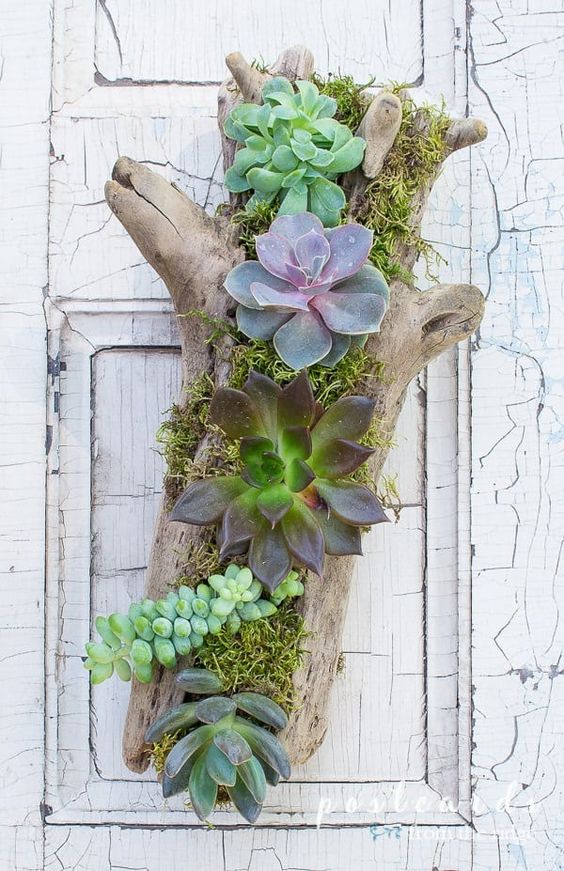
Credit: designingvibes.com
Frequently Asked Questions
What Are The Best Succulents For Beginners?
For beginners, opt for easy-to-care-for succulents like Jade Plant, Aloe Vera, and Echeveria. These varieties are hardy and require minimal maintenance. They thrive in indoor environments with bright, indirect sunlight. Regular watering, allowing the soil to dry between sessions, ensures their healthy growth.
How Often Should I Water Indoor Succulents?
Water indoor succulents once every two weeks. Allow the soil to dry completely between waterings. Overwatering can lead to root rot, so it’s crucial to ensure proper drainage. Adjust the frequency based on your home’s humidity and temperature.
Can Succulents Grow In Low Light Conditions?
While succulents prefer bright, indirect sunlight, some can adapt to low light conditions. Varieties like Snake Plant and Haworthia are more tolerant of lower light. However, insufficient light may slow their growth and affect their appearance. Consider using grow lights to supplement natural light.
What Soil Is Best For Indoor Succulents?
Use well-draining soil for indoor succulents to prevent root rot. A cactus mix or a blend of potting soil, sand, and perlite works well. This composition ensures adequate drainage and aeration, promoting healthy root development and preventing water retention.
Conclusion
Creating an indoor succulent garden is rewarding. Succulents bring life to spaces. Choose bright spots for your plants. Water sparingly; succulents need little moisture. Select containers that fit your style. Arrange for balance and harmony. Mix colors and textures for visual interest.
Monitor growth and health regularly. Learn what each plant needs. Enjoy the beauty and calm they offer. Remember, each garden is unique. Your indoor garden reflects your creativity and care. With patience, your succulents will thrive. Celebrate the joy of nurturing your green haven indoors.
Happy gardening!