Imagine stepping into your home and being greeted by a vibrant, lush indoor succulent garden. It’s not just a visual delight but also a soothing retreat that brings a bit of nature indoors.
Designing your own indoor succulent garden can be a rewarding and creative endeavor, providing a unique way to showcase your personal style while enjoying the benefits of these resilient plants. You might be wondering where to start or how to create a space that truly reflects your aesthetic.
In this guide, you’ll discover simple steps and clever tips to transform any corner of your home into a beautiful succulent sanctuary. Ready to unlock the secrets of successful succulent design? Let’s dive in and explore how you can make your indoor garden a stunning reality.
Choosing The Right Succulents
Selecting succulents for your indoor garden involves considering light, space, and care needs. Opt for varieties like Aloe, Jade, or Echeveria, which thrive indoors. Arrange them creatively to enhance aesthetics and ensure easy maintenance.
Designing your indoor succulent garden can be a rewarding experience, but it begins with choosing the right succulents. With so many varieties available, selecting the perfect ones can feel overwhelming. The key lies in understanding your environment and personal preferences to create a thriving indoor oasis.Popular Succulent Varieties
Some succulents are more popular than others due to their unique shapes and vibrant colors. Echeveria is a favorite for its rose-like appearance and comes in a variety of colors. Aloe Vera, known for its medicinal properties, is not only practical but also adds a touch of elegance with its long, spiky leaves. Jade Plant is another common choice, appreciated for its thick, glossy leaves and easy care.Factors To Consider
When selecting succulents, consider the amount of natural light your space receives. Some succulents, like Haworthia, thrive in low light conditions, making them perfect for indoor settings with limited sunlight. Ensure you have well-draining pots to prevent root rot, which is a common issue with overwatering. Think about the size of the plants as well. If space is limited, opt for smaller succulents such as Sedum or Sempervivum, which can fit snugly on windowsills or small shelves. Mix and match different textures and colors to create visual interest and a dynamic display. Are you looking to create a calm, minimalist look or a vibrant, colorful arrangement? Your personal style will guide your choices, ensuring that your indoor succulent garden not only thrives but also reflects your personality.
Credit: www.instagram.com
Ideal Containers And Planters
Choosing containers with proper drainage ensures healthy growth for indoor succulents. Opt for pots made from clay or ceramic to maintain moisture balance. Mixing different shapes and sizes can create an appealing visual arrangement.
Designing your indoor succulent garden is a delightful venture, and choosing the right containers and planters is a critical step. The ideal container not only complements the aesthetic of your space but also ensures the health and growth of your succulents. Let’s dive into what makes a container ideal for your indoor green paradise.Material Choices
The material of your container can significantly affect the growth of your succulents. Opt for porous materials like terracotta or ceramic, as they allow air circulation and prevent water logging. These materials help maintain the right moisture balance, crucial for succulents that prefer dry conditions. Alternatively, glass containers can provide a sleek look but require careful watering to avoid over-saturation. Plastic pots are lightweight and budget-friendly, but ensure they have adequate drainage holes to prevent root rot. What material resonates with your style and supports your succulents’ health?Size And Drainage Needs
Size matters when selecting a planter. Succulents have shallow roots, so a wide, shallow container often suits them best. This allows them to spread comfortably without overcrowding, promoting healthy growth. Drainage is non-negotiable. Without proper drainage holes, water can accumulate, leading to root rot—a common issue for succulents. If you fall in love with a pot without drainage, consider drilling a hole or using a layer of gravel at the bottom to enhance drainage. Experiment with different sizes and shapes, but always prioritize drainage for thriving plants.Soil And Potting Mix
Creating the perfect soil and potting mix for your indoor succulent garden is essential. Succulents thrive in well-drained soil, which prevents root rot and keeps them healthy. Understanding the key components of soil and learning how to make your own potting mix can elevate your gardening skills.
Essential Soil Components
Succulents need soil that drains quickly. This means the soil should not retain water for long. A good potting mix includes:
- Sand: Helps with drainage and prevents compacting.
- Perlite: Lightweight, ensures airflow, aids in drainage.
- Pumice: Provides aeration, retains some moisture but not too much.
- Organic Matter: Adds nutrients; coconut coir is a good option.
These elements create a well-balanced soil, keeping succulents healthy.
Diy Potting Mix Recipe
Making your own potting mix is simple and cost-effective. Here’s a basic recipe:
- 1 part coarse sand.
- 1 part perlite or pumice.
- 1 part coconut coir or peat moss.
Mix these ingredients thoroughly. Ensure they are well-blended. This mixture allows for proper drainage, essential for succulent health. Adjust the ratios based on your specific succulent needs.
Light And Temperature Requirements
Designing an indoor succulent garden requires understanding their light and temperature needs. Succulents thrive in specific conditions that mimic their natural environment. Providing the right amount of light and maintaining stable temperatures are crucial. Let’s explore how to create the perfect setting for your indoor succulents.
Optimal Light Conditions
Succulents need bright, indirect sunlight for optimal growth. Place them near windows that receive plenty of light. East or south-facing windows work best. Direct sunlight can burn leaves, so avoid harsh midday sun. If natural light is limited, consider using grow lights. Choose LED grow lights to mimic sunlight and boost growth.
Managing Temperature Fluctuations
Succulents prefer warm temperatures, similar to their native desert climates. Maintain indoor temperatures between 60-80°F (15-27°C). Avoid placing succulents near heating vents or cold drafts. Sudden temperature changes stress plants, affecting their health. In winter, keep them away from cold windows. Ensure a stable environment for thriving succulents.
Watering Techniques
Proper watering techniques are key for a healthy indoor succulent garden. Ensure soil is dry before watering again. Use a spray bottle for light misting, keeping leaves dry to avoid rot.
Watering succulents the right way is crucial for their growth. These drought-tolerant plants prefer a dry environment. Overwatering is a common mistake that can harm them. Understanding proper watering techniques will help keep your indoor succulent garden thriving.Proper Watering Schedule
Water your succulents deeply but infrequently. Allow the soil to dry completely between waterings. This simulates their natural desert habitat. Check the soil with your finger before watering. If the top inch is dry, it’s time to water. Use a watering can with a narrow spout. This helps direct water to the soil, not the leaves. Water in the morning to allow moisture to evaporate during the day.Signs Of Overwatering
Overwatered succulents show clear signs. Leaves become soft, mushy, or translucent. The plant may start to rot from the roots up. You might notice leaves falling off easily. Yellowing leaves can also indicate too much water. If you see these signs, reduce watering immediately. Ensure your pots have drainage holes. This prevents water from sitting at the bottom. Adjust your watering schedule based on your plant’s needs.Design And Arrangement Ideas
Create a vibrant indoor succulent garden by mixing different shapes and colors. Use decorative pots and arrange them in tiers for visual interest. Ensure proper light and minimal watering to keep your succulents healthy and thriving.
Designing an indoor succulent garden can be a delightful experience, offering endless opportunities to express your creativity. The way you arrange your succulents can transform a simple collection into a striking indoor landscape. Whether you choose a theme or embrace a freeform layout, the design possibilities are as diverse as the succulents themselves.Creative Layouts
Creating an eye-catching layout starts with understanding the space you have. Consider the natural light in your room and arrange your succulents where they can thrive. You might place taller succulents in the background with smaller ones in front, creating a layered effect. Think about using varied containers. A mix of geometric pots or vintage teacups can add an eclectic touch to your design. Experiment with different heights and shapes to add visual interest. Adding decorative elements like stones or driftwood can enhance the aesthetic of your garden. What unique items could you incorporate into your succulent garden to make it truly yours?Theme-based Arrangements
A theme can give your succulent garden a cohesive look. You might choose a coastal theme, using blue pots and seashells to create a beachy vibe. Or, go for a minimalist style with monochromatic pots and sleek lines. Using a color palette can unify your garden. Select succulents in shades that complement each other, whether it’s a mix of greens and purples or a spectrum of pastels. Personal experiences can inspire themes too. Perhaps a trip to a desert sparked your interest in cacti, leading you to create a desert-themed garden. What personal stories could inspire your succulent arrangement theme? By focusing on design and arrangement, you can create an indoor succulent garden that reflects your style and personality. Let your imagination guide you to a unique and beautiful display.Maintenance And Care
Regular watering and well-draining soil are essential for healthy succulents. Ensure sunlight exposure and periodically check for pests.
Maintaining and caring for your indoor succulent garden ensures its beauty and health. Succulents are low-maintenance, but they still need attention. Regular care prevents issues and promotes growth. Consistent routines keep your plants thriving indoors.Pest Control
Pests can be a challenge for succulent gardens. Common pests include aphids, mealybugs, and spider mites. Inspect your plants regularly for these tiny invaders. Use a soft brush to remove visible pests. A gentle spray of water can help dislodge them. For persistent pests, consider using insecticidal soap. Ensure the area is well-ventilated to avoid mold growth.Pruning And Grooming
Pruning keeps succulents neat and promotes new growth. Trim dead leaves and stems with clean scissors. Remove any part that looks unhealthy or damaged. Regular grooming prevents overcrowding in your arrangement. It also helps in reducing the risk of pest infestations. Proper pruning encourages your plants to spread and grow stronger.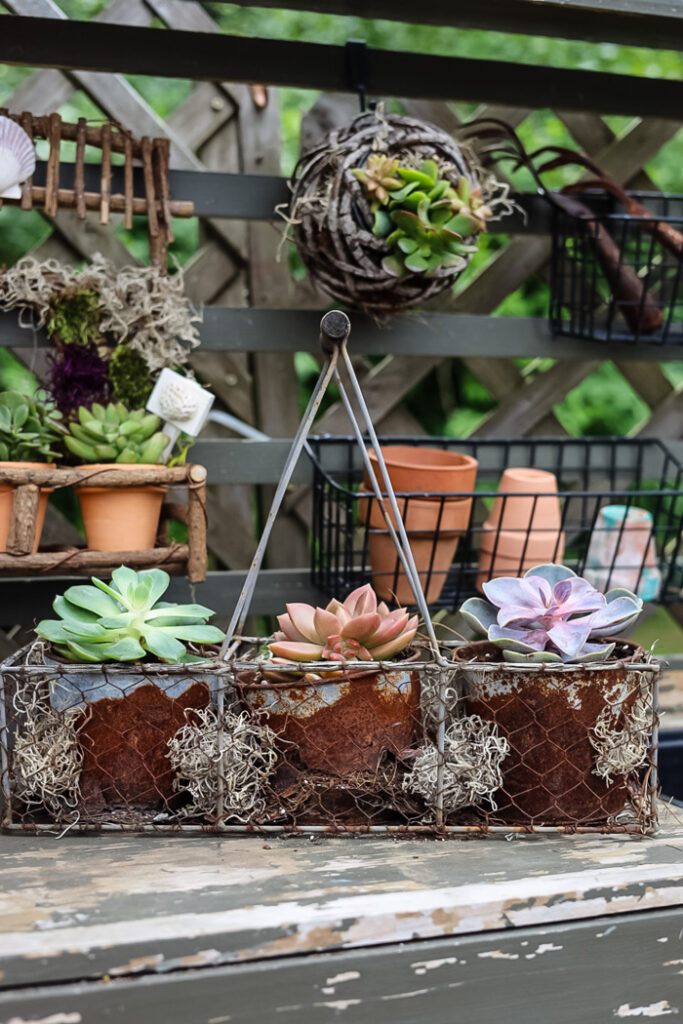
Credit: www.cottageonbunkerhill.com
Common Mistakes To Avoid
Choosing the wrong containers can hinder succulent growth. Overwatering is a common mistake; succulents need well-draining soil. Avoid placing them in low-light areas for healthy development.
Creating an indoor succulent garden is an exciting venture. These resilient plants can transform any space into a green oasis. However, there are common pitfalls that can hinder your garden’s potential. Knowing what to avoid can make all the difference in your indoor gardening journey. Dive into these tips to ensure your succulents thrive and your garden remains a source of joy.Overcrowding Issues
Overcrowding is a common mistake that many indoor gardeners make. While it may be tempting to pack as many succulents as possible into a single container for a lush look, this can lead to problems. Succulents need space to breathe and grow, as their roots require room to spread out and absorb nutrients. Consider the spacing requirements of each plant. Are you giving them enough room to thrive? A crowded pot can result in stunted growth and increased susceptibility to diseases. If you’ve ever tried to squeeze too many succulents into a single pot, you know how quickly they can start competing for resources. Remember, less is often more when it comes to succulent arrangements.Ignoring Growth Patterns
Succulents come in a variety of shapes and sizes, each with its unique growth pattern. Ignoring these patterns can lead to a disjointed and unbalanced garden. For instance, some succulents grow vertically while others spread horizontally. Understanding and acknowledging these growth habits is crucial for creating an aesthetically pleasing arrangement. Have you ever noticed how certain succulents overshadow others over time? Aligning the growth patterns with your garden design ensures that each plant has its moment to shine. By giving attention to the natural tendencies of your succulents, you can create a harmonious indoor garden that showcases the beauty of each plant. Are you ready to avoid these common mistakes and design a thriving indoor succulent garden? Your green oasis awaits!
Credit: www.dallasnews.com
Frequently Asked Questions
What Are The Best Succulants For Indoors?
Indoor succulents like jade, aloe vera, and echeveria thrive in low light and dry conditions. They require minimal care, making them ideal for beginners. These plants add vibrant color and texture, enhancing any indoor space. Choose ones that suit your aesthetic and space requirements for a stunning indoor garden.
How Much Sunlight Do Succulents Need?
Succulents need bright, indirect sunlight for optimal growth. Direct sun can scorch their leaves, causing damage. Ideally, place them near windows with filtered light. Rotate them occasionally for even growth. If natural light is limited, consider using grow lights to supplement their exposure.
How To Water Indoor Succulents Properly?
Water succulents sparingly, allowing soil to dry between watering. Overwatering can lead to root rot. Use pots with drainage holes to prevent water accumulation. Water them every two weeks or when soil feels dry. Adjust frequency based on humidity and temperature in your home.
Can Succulents Improve Indoor Air Quality?
Succulents can improve indoor air quality by absorbing toxins and releasing oxygen. They help purify the air, creating a healthier environment. While their impact is smaller than other plants, they contribute positively to indoor spaces. Their low maintenance makes them a popular choice for air improvement.
Conclusion
Creating an indoor succulent garden is rewarding and fun. You get to enjoy green beauty every day. Succulents are easy to care for and come in many types. Choose the right spot with enough light. Use pots with good drainage to prevent water issues.
Mix different succulent types for variety. Regularly check soil moisture and avoid overwatering. Add decorative stones for a nice look. Your indoor garden will thrive with a little attention. Enjoy the calming presence of your succulents. They bring joy and fresh air to your space.
Happy gardening!







