Imagine stepping into your backyard and being greeted by the fragrant scents of basil, mint, and rosemary, all harmoniously thriving in your very own herb garden. Designing this oasis is simpler than you might think and can transform your outdoor space into a delightful sanctuary.
You don’t need to be an expert gardener to get started—just a bit of creativity and the right guidance. Whether you’re dreaming of fresh herbs to elevate your culinary creations or seeking a peaceful retreat to unwind, this guide on designing your herb garden is exactly what you need.
Discover how easy it is to plan, plant, and nurture your herb haven, and unlock the secrets to a sustainable, aromatic paradise right outside your door. Dive in and see how your green-thumb aspirations can become a reality, offering both beauty and utility with each plant you grow.
Credit: lodhigarden.com
Choosing The Right Location
Designing a herb garden starts with choosing the right location. A perfect spot ensures your herbs thrive and remain healthy. There are three key factors to consider: sunlight, soil quality, and accessibility. Let’s explore each one to help you create a flourishing herb garden.
Sunlight Requirements
Herbs need sunlight to grow strong and flavorful. Most herbs require at least six hours of direct sunlight daily. Study your garden area to see where the sun shines the longest. Avoid shaded spots under trees or tall structures. If your garden lacks sunlight, consider using pots that can be moved around. This way, you can adjust their position to catch more rays.
Soil Quality And Drainage
Good soil is essential for healthy herbs. Check the soil quality in your chosen location. It should be rich in nutrients and well-drained. Poor drainage can lead to waterlogged roots, which harm your plants. Test the soil by digging a small hole and filling it with water. If the water drains quickly, the soil is suitable. Consider adding compost to improve soil quality.
Accessibility And Convenience
Your herb garden should be easy to reach. Place it near your kitchen or main living area. This ensures you can quickly grab fresh herbs while cooking. A nearby water source is also vital. You won’t want to haul water long distances for daily watering. If your garden is accessible, maintaining it becomes less of a chore. Think about pathways or stepping stones to access your garden easily.
Selecting Herbs To Grow
Designing a herb garden starts with selecting the right herbs to grow. Consider your needs, preferences, and the environment. The right choices ensure a thriving garden full of flavor and aroma. Let’s delve into key factors for selecting herbs.
Popular Herb Varieties
Some herbs are favorites among gardeners for their ease of growth and versatility. Here are a few popular choices:
- Basil:Ideal for Italian dishes. Grows well in warm climates.
- Mint:Refreshing and spreads quickly. Needs space to grow.
- Rosemary:Hardy and aromatic. Perfect for roasted meats.
- Thyme:Small leaves with a big flavor. Great for soups and stews.
- Parsley:Rich in vitamins. Commonly used as a garnish.
Climate Considerations
Your local climate plays a crucial role in herb selection. Some herbs thrive in hot, sunny conditions, while others prefer cooler, shady spots. Understanding your climate helps in choosing herbs that will flourish.
Warm climates are suitable for Mediterranean herbs like rosemary and thyme. Cooler regions support herbs like parsley and chives. Check your area’s hardiness zone to match your selections with your environment.
Flavor Profiles And Uses
Herbs offer diverse flavors and uses in cooking. Knowing their profiles helps in selecting the right ones for your culinary needs.
Basilhas a sweet, peppery taste, perfect for pasta and salads. Mintprovides a cool, refreshing flavor, ideal for teas and desserts. Rosemarydelivers a piney, earthy taste, excellent with roasted dishes. Thymeoffers a subtle, minty flavor, enhancing soups and casseroles. Parsleyadds a fresh, bright note, often used as a garnish or in salads.
Garden Layout Ideas
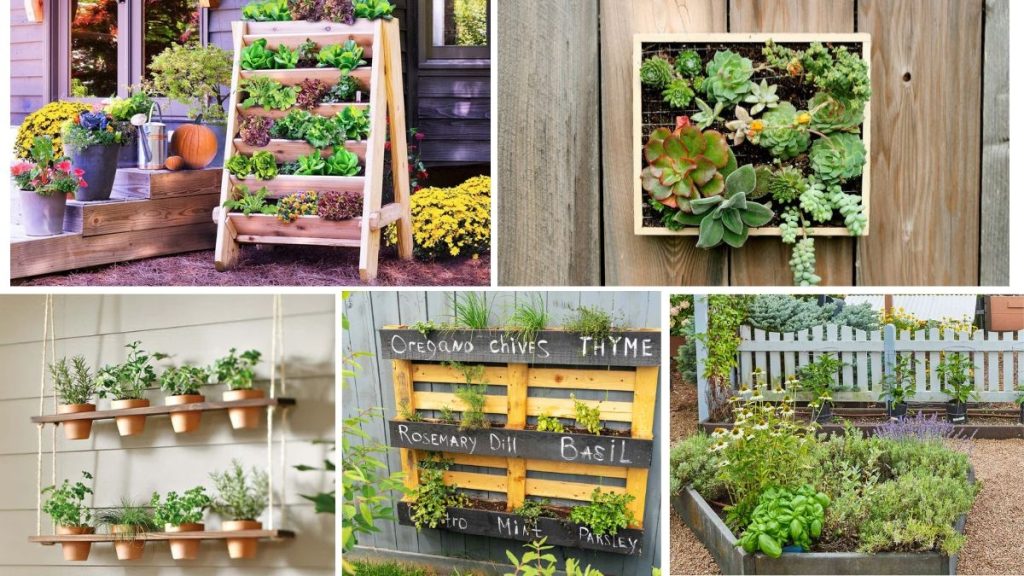
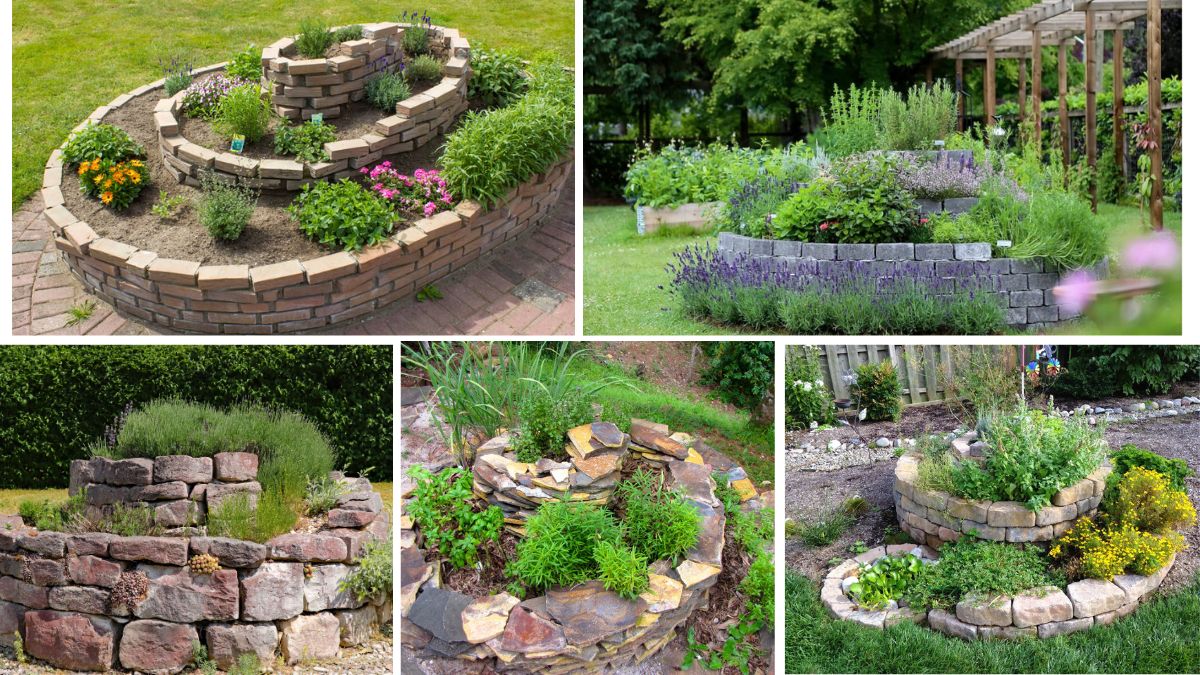
Create a charming herb garden by organizing plants in neat rows or circular patterns. Ensure proper sunlight and drainage for healthy growth. Use containers or raised beds for small spaces, mixing various herbs for a fragrant and useful garden.
Designing your herb garden can be a delightful journey, offering not just aesthetic pleasure but also a bounty of fresh flavors. The right garden layout can transform your space and elevate your gardening experience. Whether you have a sprawling backyard or a compact balcony, there are creative ways to arrange your herbs that suit any space. Here are some ideas to inspire you in creating a lush and productive herb garden.Raised Beds Vs. Containers
Choosing between raised beds and containers often depends on your space and preferences. Raised beds can offer a more organized layout, allowing you to create sections for different herb types. They also provide excellent drainage and can be a boon for those with poor soil quality. Containers, on the other hand, offer flexibility. You can move them around to catch the best sunlight or protect them from harsh weather. They are perfect for small spaces or if you enjoy a more eclectic garden design. Imagine strolling through a garden where each container displays a vibrant herb variety; it’s both practical and visually appealing.Vertical Gardening Options
Vertical gardening is an ingenious solution for those with limited space. It maximizes your area by growing herbs upwards rather than outwards. Consider wall-mounted planters or tiered shelves to display your herbs vertically. This method not only saves space but also adds an interesting visual element to your garden. Picture a wall filled with cascading basil and mint—it’s a living tapestry of flavors. Vertical gardening can also make maintenance easier, keeping your herbs within arm’s reach.Companion Planting Techniques
Companion planting involves growing certain plants together to enhance growth and deter pests. It’s a smart way to boost your herb garden’s productivity naturally. For instance, basil can be planted alongside tomatoes to repel insects, while rosemary and sage can ward off carrot flies. By grouping herbs that benefit each other, you create a harmonious garden ecosystem. It’s like having a team of plants that work together for mutual success. Why not experiment with pairing different herbs and discover the perfect combinations that thrive in your garden?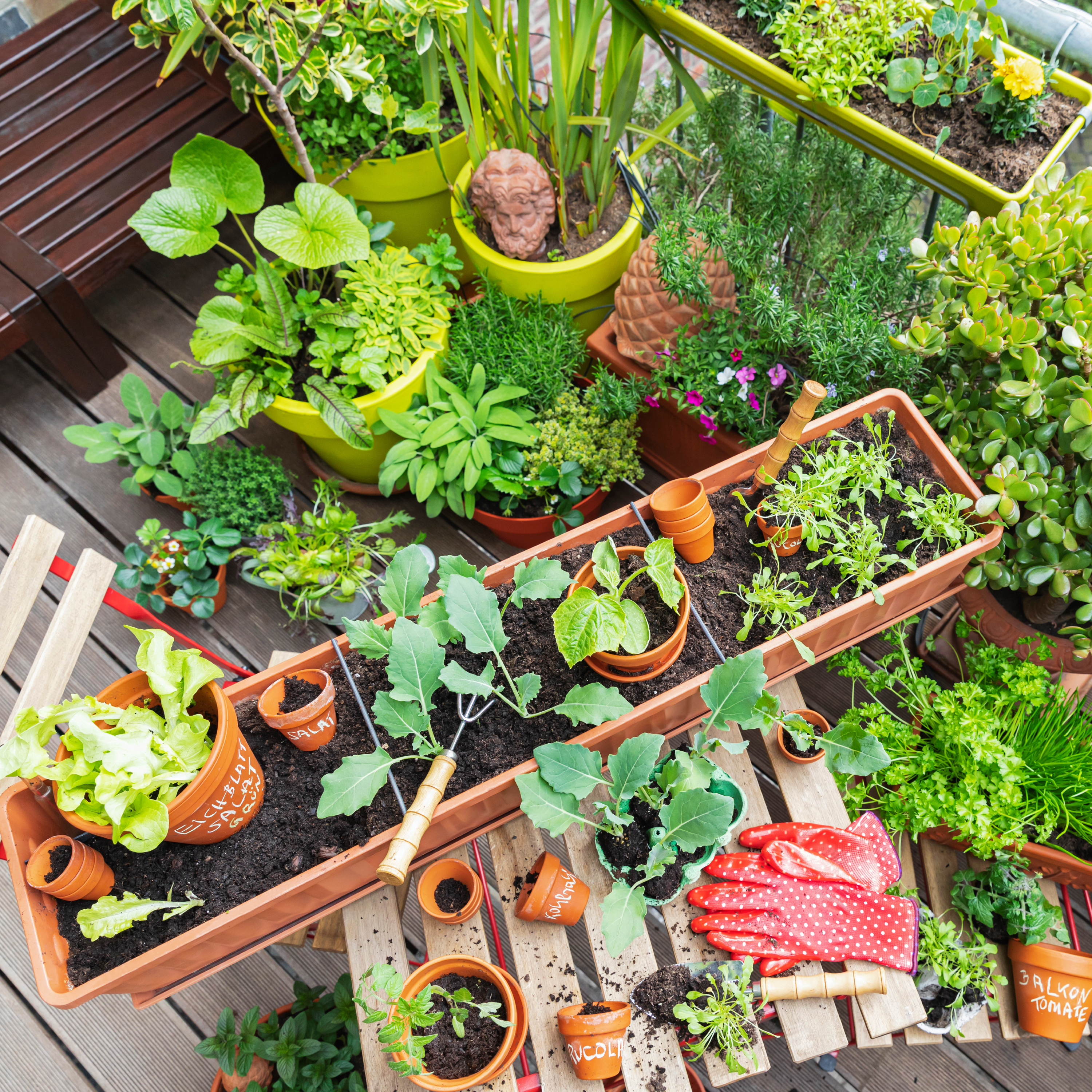
Credit: www.gardeningknowhow.com
Preparing The Soil
Preparing the soil is crucial for a thriving herb garden. Clear weeds and debris to create a clean area. Mix in compost for nutrients and ensure proper drainage to prevent waterlogging.
Designing your herb garden is an exciting journey, but it starts with the crucial step of preparing the soil. Just like a chef selecting the finest ingredients for a dish, you must ensure your soil is rich and ready to nurture your herbs. Proper soil preparation sets the foundation for healthy growth and abundant harvests.Organic Soil Amendments
Adding organic matter is essential for enriching your soil. Consider using compost, which enhances soil structure and provides vital nutrients. You could also try worm castings, a natural fertilizer that boosts microbial activity. Mix these amendments into the soil to improve aeration and drainage. Better soil means healthier roots, which lead to more vibrant herbs.Fertilization Tips
While organic amendments are a great start, fertilization provides additional nutrients that your herbs need. Choose a balanced, slow-release organic fertilizer to keep your plants nourished over time. Apply fertilizer according to the package instructions and remember that over-fertilizing can harm your plants. Think about your garden’s specific needs; some herbs like basil thrive with extra nitrogen, while others need less.Ph Balancing
Understanding your soil’s pH level is crucial. Most herbs prefer slightly acidic to neutral soil, with a pH between 6.0 and 7.5. Test your soil using a pH meter or a home testing kit. If your soil is too acidic, consider adding lime to raise the pH. On the other hand, if it’s too alkaline, sulfur can help lower it. Adjusting the pH ensures your herbs can absorb nutrients effectively, leading to robust growth and flavor. What steps are you taking to make sure your herb garden thrives?Planting And Maintenance
Designing your herb garden involves selecting the right herbs for your space and climate. Consider sunlight and soil conditions for optimal growth. Regular watering and trimming keep your garden thriving.
Designing your herb garden is an exciting journey that merges creativity with nature. But like any masterpiece, it requires a little planning and care. Planting and maintaining your herb garden is essential to ensure a bountiful harvest and vibrant growth. Paying attention to watering, pruning, and tackling pests will keep your herbs thriving. Let’s dive into these aspects and make your garden the envy of your neighborhood.Watering Strategies
Every herb has its own thirst level. Some prefer dry soil while others like it moist. Check the soil moisture regularly by inserting your finger about an inch deep into the soil. If it feels dry, it’s time to water. Water early in the morning or late in the afternoon to reduce evaporation. Use a soaker hose or drip irrigation for consistent moisture without overwatering. Remember, soggy roots can lead to disease.Pruning And Harvesting
Pruning encourages healthy growth and prevents herbs from becoming leggy. Snip off any dead or damaged leaves to promote air circulation. Keep your herbs bushy by regularly pinching the tips. Harvesting is the reward for your hard work. For the best flavor, harvest herbs in the morning after the dew has dried. Cut about one-third of the plant’s height, allowing it to regrow quickly.Pest And Disease Management
Pests can be relentless, but you don’t need chemicals to fend them off. Companion planting is a natural way to repel unwanted visitors. For example, planting basil near tomatoes deters aphids. Inspect your plants regularly for any signs of disease. Remove infected leaves immediately to prevent the spread. Create a simple garlic or neem oil spray to act as a natural deterrent. By focusing on these key areas, your herb garden will flourish beautifully. What unique strategies have you tried in your herb garden?
Credit: www.yahoo.com
Creative Design Elements
Choose a sunny spot and plan the layout for easy access. Use raised beds or containers for variety. Add paths with stones or mulch for maintenance and beauty.
Designing your herb garden can be a delightful journey, blending functionality with creativity. Creative design elements are the secret sauce to transforming a simple garden into a captivating space. These elements not only enhance the beauty but also make your garden a reflection of your personal style. Let’s dive into some inspiring ways to elevate your herb garden’s aesthetic.Incorporating Decorative Features
Adding decorative features can make your herb garden uniquely yours. Consider using vintage items like old teapots or wooden crates as planters. This not only adds character but also creates a charming rustic vibe. Garden ornaments such as wind chimes or small sculptures can add a whimsical touch. Think about the atmosphere you want to create. Do you prefer a serene, zen-like garden or something more playful and eclectic? Water features, even small ones, can enhance tranquility. The gentle sound of water can provide a soothing backdrop as you tend to your herbs.Pathways And Borders
Defining pathways and borders can transform your garden into a well-organized haven. Use materials like gravel, stepping stones, or wood chips to create clear walkways. This not only guides you but also protects delicate plants from being trampled. Borders can be both functional and beautiful. Consider using low hedges, bricks, or even colorful marbles to demarcate different sections. This adds structure and can make maintenance easier. Think about how you move through your garden. Is there a natural flow, or do you find yourself taking awkward steps? Adjusting pathways can make your gardening experience more enjoyable.Seasonal Accents
Seasonal accents breathe life and variety into your garden all year round. Planting herbs that bloom in different seasons ensures there’s always something new to see. This not only enhances visual interest but also supports a diverse range of pollinators. Consider adding seasonal decorations to celebrate holidays or changing seasons. Small pumpkins in fall or fairy lights in winter can bring your garden to life. This keeps your garden dynamic and engaging throughout the year. Reflect on how your garden looks in each season. Are there times when it feels a bit dull? Adding seasonal accents can ensure it’s always a source of joy and inspiration.Sustainable Gardening Practices
Design a herb garden using sustainable practices for a thriving, eco-friendly space. Choose native herbs, reduce water use, and enrich soil with compost. These methods create a balanced environment, promoting healthy herb growth while caring for the planet.
Sustainable gardening practices are essential for creating a thriving herb garden while caring for the environment. By integrating eco-friendly methods, you not only cultivate fresh herbs but also contribute to the planet’s health. Let’s explore some practical, sustainable strategies you can adopt in your herb garden design.Eco-friendly Materials
Choosing eco-friendly materials can significantly impact your garden’s sustainability. Opt for recycled or reclaimed wood for raised beds and plant markers. Not only does this reduce waste, but it also adds a unique character to your garden. Consider using biodegradable pots made from coconut coir or peat. These materials break down over time, enriching the soil. Avoid plastics, which can leach harmful chemicals and are less environmentally friendly.Composting Benefits
Composting is a natural way to enrich your garden soil while reducing kitchen waste. By composting, you return valuable nutrients to the earth, which enhances herb growth. Plus, it’s an excellent way to minimize your household’s carbon footprint. Start a small compost bin in your backyard. Add vegetable scraps, coffee grounds, and eggshells to create nutrient-rich compost. This practice not only supports your garden but also makes waste management more efficient.Water Conservation Techniques
Water conservation is crucial, especially in areas prone to drought. Simple techniques can help you use water more efficiently in your herb garden. Drip irrigation, for instance, delivers water directly to the plant roots, reducing evaporation. Rainwater harvesting is another effective method. Install a rain barrel to collect and store rainwater from your roof. This water can be used to hydrate your plants, cutting down on your water bill and preserving this precious resource. By adopting these sustainable gardening practices, you not only nurture a bountiful herb garden but also contribute to a healthier planet. What steps will you take to make your garden more sustainable?Frequently Asked Questions
What Herbs Are Best For Beginners?
Beginner-friendly herbs include basil, mint, and chives. They are easy to grow and require minimal maintenance. These herbs thrive in various conditions and can be used in many recipes. Start with these to build confidence and enjoy fresh flavors in your cooking.
How Much Sunlight Do Herbs Need?
Most herbs need 6-8 hours of sunlight daily. Ensure your garden spot receives adequate sun for healthy growth. Herbs like rosemary and thyme love full sun, while parsley and cilantro can tolerate partial shade. Adjust placement according to each herb’s sunlight requirements.
Can Herbs Be Grown Indoors?
Yes, many herbs can be grown indoors. Use pots with drainage and place them near sunny windows. Indoor herbs like basil, oregano, and thyme thrive with sufficient light and regular watering. Ensure good air circulation to prevent mold and pests from affecting your indoor herb garden.
How Do I Prevent Pests In My Herb Garden?
Prevent pests by using natural methods like companion planting and insect-repelling herbs. Marigolds deter pests, while rosemary repels insects. Regularly inspect leaves for signs of infestation and remove affected parts. Keep soil well-drained to avoid attracting unwanted pests to your herb garden.
Conclusion
Creating your own herb garden is simple and fun. Choose the right spot. Ensure it gets enough sunlight. Pick herbs that suit your climate. Plan your garden layout. Use containers if needed. Regularly water and maintain your plants. Enjoy fresh herbs for cooking.
They add flavor and nutrition. Share your garden with friends and family. Inspire others to grow their own. The journey is rewarding and peaceful. Happy gardening!