
Imagine stepping into your garden and feeling an immediate sense of calm and joy. Your garden isn’t just a patch of land; it’s your personal retreat.
Designing it well can transform it into a beautiful space that reflects your style, meets your needs, and enhances your home. But where do you start? How do you make the most of your space without feeling overwhelmed? In this guide, you’ll discover simple, effective strategies to design your garden in the UK.
Whether you have a small city plot or a sprawling countryside lawn, this article will show you how to turn your outdoor space into a stunning garden. Dive in, and learn how to create a garden that not only looks fantastic but feels like a natural extension of your home.
Choosing The Right Style
Discover garden styles that reflect your personality and enhance your outdoor space. Consider traditional, modern, or cottage garden designs. Tailor plant choices and layouts to complement your desired aesthetic.
Choosing the right style for your garden can transform your outdoor space. Whether you prefer traditional elegance or modern flair, selecting a style sets the tone. Explore various styles to find what resonates with your vision. Consider how each design complements your home’s architecture. Create a cohesive look that enhances your property’s charm.Traditional English Garden
A traditional English garden is known for its timeless beauty. It features lush green lawns and manicured hedges. Colorful flower beds add vibrancy to the landscape. Gravel paths wind through the garden, inviting leisurely strolls. Stone statues or fountains often serve as focal points. This style embodies elegance and sophistication. It suits homes with classic architecture and historic charm.Contemporary Designs
Contemporary garden designs embrace clean lines and minimalism. They often incorporate geometric shapes and bold materials. Sleek stone or metal structures add modern appeal. Native plants and grasses offer low-maintenance options. Water features like ponds or fountains enhance tranquility. Lighting plays a crucial role in highlighting features at night. This style is ideal for urban homes or modern architecture.Cottage Garden Charm
Cottage gardens exude warmth and coziness. They are filled with diverse plant species. Flowers bloom in a riot of colors and textures. Winding paths and rustic fences create a quaint atmosphere. Herbs and vegetables can be mixed with flowers for practicality. This style invites wildlife, fostering a harmonious ecosystem. It complements country homes and rural settings beautifully.Planning Your Space
Designing a garden in the UK involves understanding local climate and soil conditions. Choose plants suited for British weather, ensuring year-round beauty. Arrange paths and seating areas creatively to enhance functionality and aesthetics.
Planning your garden space is a crucial step in creating a beautiful and functional outdoor area. It’s about making the most of what you have, whether you’re working with a sprawling backyard or a small urban plot. By carefully planning, you can transform your garden into a space that meets your needs and reflects your style.Assessing Your Garden Size
Start by measuring your garden. Knowing the exact dimensions helps in deciding what plants and features will fit. Sketch a simple map to visualize your ideas. Consider how you’ll use the space. If you love hosting parties, allocate more area for seating. For a peaceful retreat, plan for pathways and quiet corners.Identifying Sun And Shade Areas
Observe how sunlight moves through your garden. Spend a day noting the sunniest and shadiest spots. This information is key for choosing the right plants. Think about what you want to grow. Sun-loving plants need at least six hours of direct sunlight. Shade-loving plants thrive in dappled or full shade.Creating Functional Zones
Divide your garden into zones based on their purpose. This makes it easier to plan and use the space effectively. Consider different activities like dining, relaxing, or gardening. You might want a vegetable patch, a flower bed, and a play area for kids. Use natural borders like hedges or paths to define each zone. This helps in creating a cohesive design while maintaining functionality. By focusing on these aspects, you can design a garden that not only looks good but also works for you and your lifestyle. What will your perfect garden look like?Selecting Plants And Flowers
Choosing plants and flowers can transform your UK garden into a vibrant oasis. Select native species for easy maintenance. Combine colors and textures for an appealing look.
Designing a garden can be an exciting endeavor, especially when it comes to selecting the right plants and flowers. This is where your creativity truly gets to blossom, quite literally! Choosing the right flora for your garden involves more than just picking what looks good; it’s about creating a harmonious environment that thrives throughout the year. You’ll want to consider factors like native species, seasonal appeal, and maintenance needs to create a space that reflects both beauty and practicality. Let’s explore how to make thoughtful choices that will transform your garden into a breathtaking sanctuary.Native British Plants
Native plants are a fantastic choice for any UK garden. They are adapted to the local climate and soil, making them easier to grow and maintain. Think about including species like the Bluebell or Primrose, which not only add vibrant colors but are also beneficial for local wildlife. If you love seeing pollinators buzzing around, these native plants will attract bees and butterflies, enhancing the ecological value of your garden. Plus, native plants generally require less water and fertilizers, saving you both time and resources. Do you have a favorite native plant that you’ve seen thriving in local parks or gardens? Adding these can instantly give your garden a sense of place and connection to the surrounding landscape.Seasonal Blooms
A garden that evolves with the seasons is a sight to behold. Plan for a variety of blooms that offer color and interest throughout the year. Consider daffodils for spring, lavender for summer, and chrysanthemums for autumn. Creating a seasonal plan ensures your garden never looks dull. You’ll witness an ever-changing palette that responds to the cycles of nature. What’s more rewarding than watching the first blooms of spring or the vibrant hues of fall in your backyard? It’s a visual reminder of nature’s constant change and renewal.Low Maintenance Options
If you’re someone who prefers a garden that doesn’t demand constant attention, low maintenance plants are your best friends. Choose perennials like the Hardy Geranium or ornamental grasses that require minimal care yet offer maximum impact. These plants are perfect for those who want a beautiful garden without the hassle of frequent watering or pruning. They are also resilient, making them a great choice for beginners or those with a busy lifestyle. Imagine coming home to a garden that thrives with little intervention. It’s not just a relief; it’s a way to enjoy nature’s beauty with less effort. Wouldn’t it be wonderful to have more time to relax and savor your garden rather than constantly tending to it?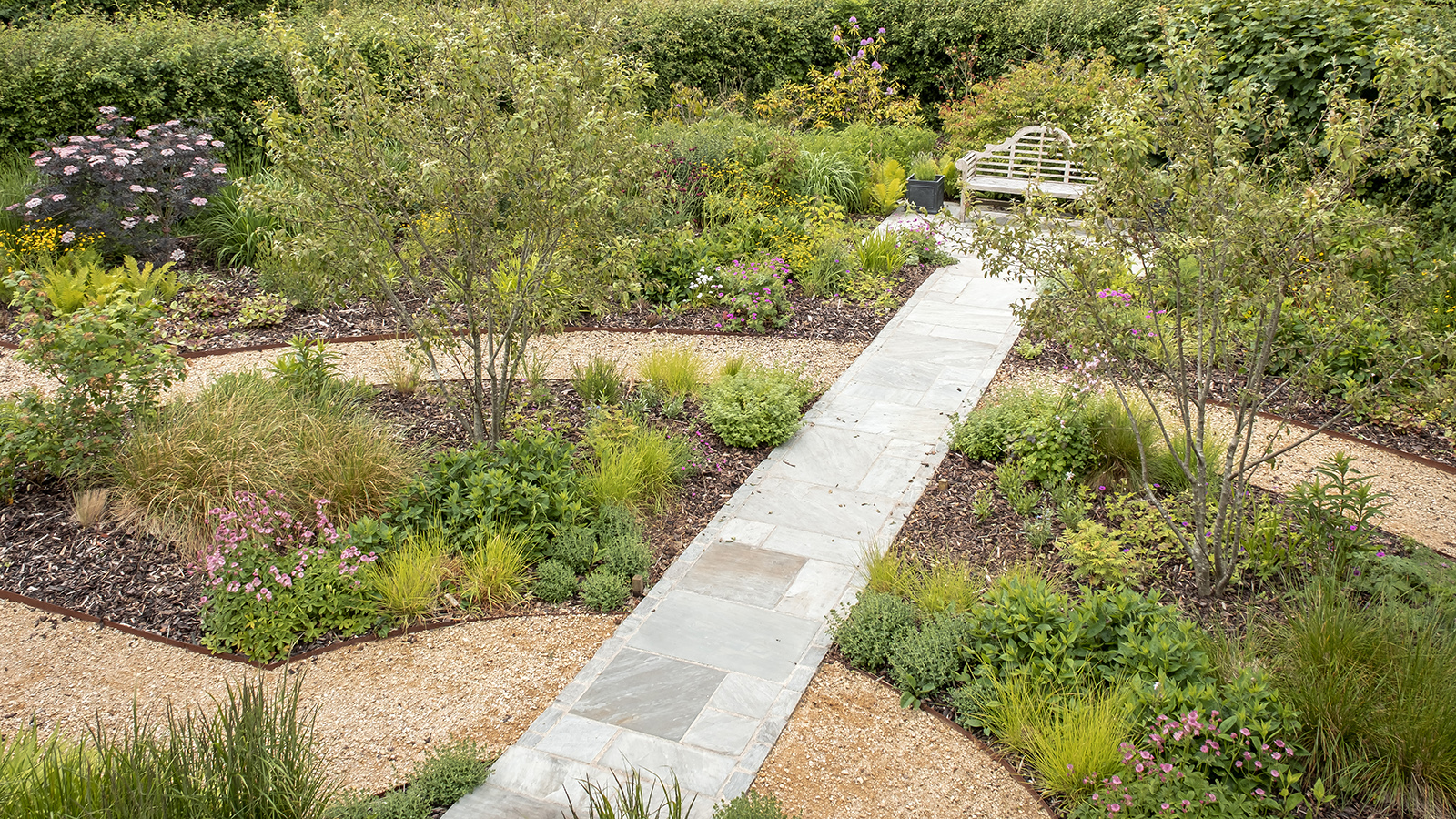
Credit: www.homebuilding.co.uk
Incorporating Garden Features
Designing a garden involves more than just planting flowers. It’s about creating a space where nature and design meet. Incorporating features adds charm and functionality. Each element can enhance your garden’s aesthetics. Features like water elements, paths, and seating areas offer focal points.
Water Features And Ponds
Water features bring tranquility. The sound of flowing water soothes the mind. Ponds attract wildlife, offering a glimpse of nature. Consider a small fountain or a birdbath. They require minimal space and upkeep. Larger gardens can host ponds with fish and plants. These features transform your garden into a peaceful retreat.
Garden Paths And Walkways
Garden paths guide visitors through your space. They add structure and define areas. Use materials like gravel, stone, or brick. Choose what suits your garden’s style. Curved paths create a sense of mystery. Straight paths offer a formal look. Walkways also protect plants from foot traffic.
Seating And Relaxation Areas
Every garden needs a place to sit and relax. Simple benches or ornate chairs work well. Place seating in sunny or shaded spots. Consider the view from your seat. A good view enhances the relaxation experience. Add cushions for comfort. Small tables offer a place for drinks or books.
Enhancing With Accessories
Transform your garden with stylish accessories. Add colorful cushions, lanterns, and planters for a vibrant outdoor space. Simple touches create a welcoming atmosphere.
Enhancing your garden with accessories can transform its look and feel. Accessories add personality and style to any space. They can create a cozy atmosphere and highlight your garden’s best features. Thoughtfully chosen items can make a big impact.Garden Lighting
Lighting can change how your garden looks at night. Solar lights are popular. They are easy to install and save energy. Fairy lights can add a magical touch. Place them in trees or along pathways. Lanterns and string lights can create a warm glow. They help highlight specific areas.Decorative Elements
Decorative items can add charm and character. Birdhouses invite wildlife and add interest. Wind chimes create soothing sounds. Mirrors can make a small garden appear larger. Choose weather-resistant materials for durability.Pottery And Sculptures
Pottery can add color and texture. Terracotta pots are classic. They blend well with most plants. Large pots can serve as focal points. Sculptures add an artistic element. Choose pieces that match your garden’s theme. Stone or metal sculptures are long-lasting. They can withstand the weather.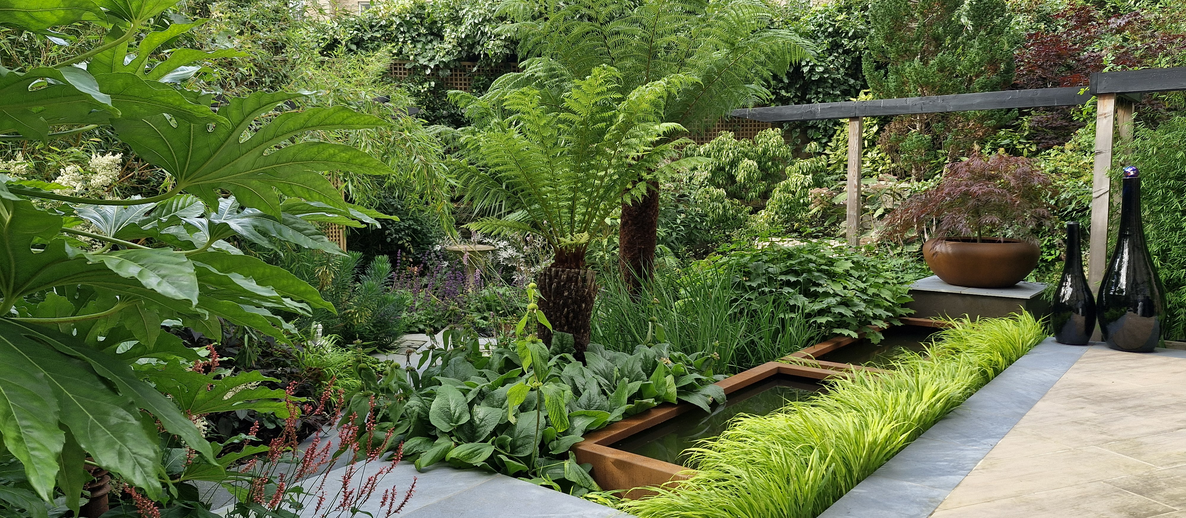
Credit: www.twig-design.co.uk
Maintaining Your Garden
Create a charming UK garden by choosing native plants and arranging them for seasonal color. Utilize paths and seating to enhance relaxation. Consider wildlife-friendly features like birdbaths to encourage nature.
Maintaining your garden in the UK is crucial to keep it thriving throughout the year. You might have a beautifully designed space, but without proper care, it can quickly lose its charm. Regular maintenance ensures your garden remains a vibrant haven, providing you with both beauty and tranquility.Routine Care And Maintenance
Routine care is the backbone of garden maintenance. Regular watering, especially during dry spells, helps plants stay healthy. Make it a habit to check for weeds weekly, as they can steal nutrients from your plants. Pruning is equally important; it encourages growth and keeps plants in shape. Dedicate a few minutes each day to pick up fallen leaves or debris. Little actions can make a big difference in keeping your garden tidy and flourishing.Seasonal Adjustments
As the seasons change, so should your gardening practices. In spring, focus on planting and soil conditioning. Summer demands more frequent watering due to higher temperatures. Autumn is ideal for pruning and preparing plants for the colder months. Winter requires protection strategies like mulching to shield roots from frost. Adapting to each season ensures your garden stays healthy all year round. Have you ever noticed how your garden reacts differently to each season?Sustainable Practices
Embracing sustainability in your garden not only benefits the environment but also saves you time and resources. Consider composting kitchen scraps to enrich your soil naturally. Use rain barrels to collect water, reducing your dependency on tap water. Opt for native plants that require less maintenance and are better suited to the local climate. Implementing these practices can create an eco-friendly garden that thrives with minimal intervention. How can you incorporate sustainability into your garden routine?Tips For Small Gardens
Create a cozy garden by using vertical space. Choose compact plants and clever storage solutions. Incorporate mirrors to give a sense of space.
Designing a small garden in the UK can be a delightful challenge. With limited space, creativity becomes your best friend. Embrace the opportunity to create a cozy, intimate outdoor retreat that reflects your personal style.Vertical Gardening Techniques
Think beyond the ground. Vertical gardening can transform a small space into a lush sanctuary. Consider using wall planters, hanging baskets, or trellises. A friend of mine turned her tiny London balcony into a lush paradise using a series of tiered plant shelves. She grew everything from herbs to flowers, creating a vibrant, layered garden without losing any floor space.Space-saving Furniture
Choosing the right furniture is crucial in a small garden. Opt for foldable chairs and tables that can easily be stored away when not in use. A small bistro set can provide that perfect spot for morning coffee without overwhelming the space. Multifunctional furniture, like a bench with built-in storage, offers practicality without sacrificing style.Creative Planting Solutions
Maximize your planting options with creative solutions. Use containers of different sizes and shapes to add interest and depth. Raised beds can define areas and make efficient use of the space. Why not try a herb spiral? It’s a clever way to fit a variety of plants into a small area, creating a microclimate for different herbs. Such solutions not only look great but also make gardening more accessible and manageable. In your small garden, every choice counts. What unique ideas can you bring to your space? With a bit of imagination, even the tiniest garden can become a personal oasis.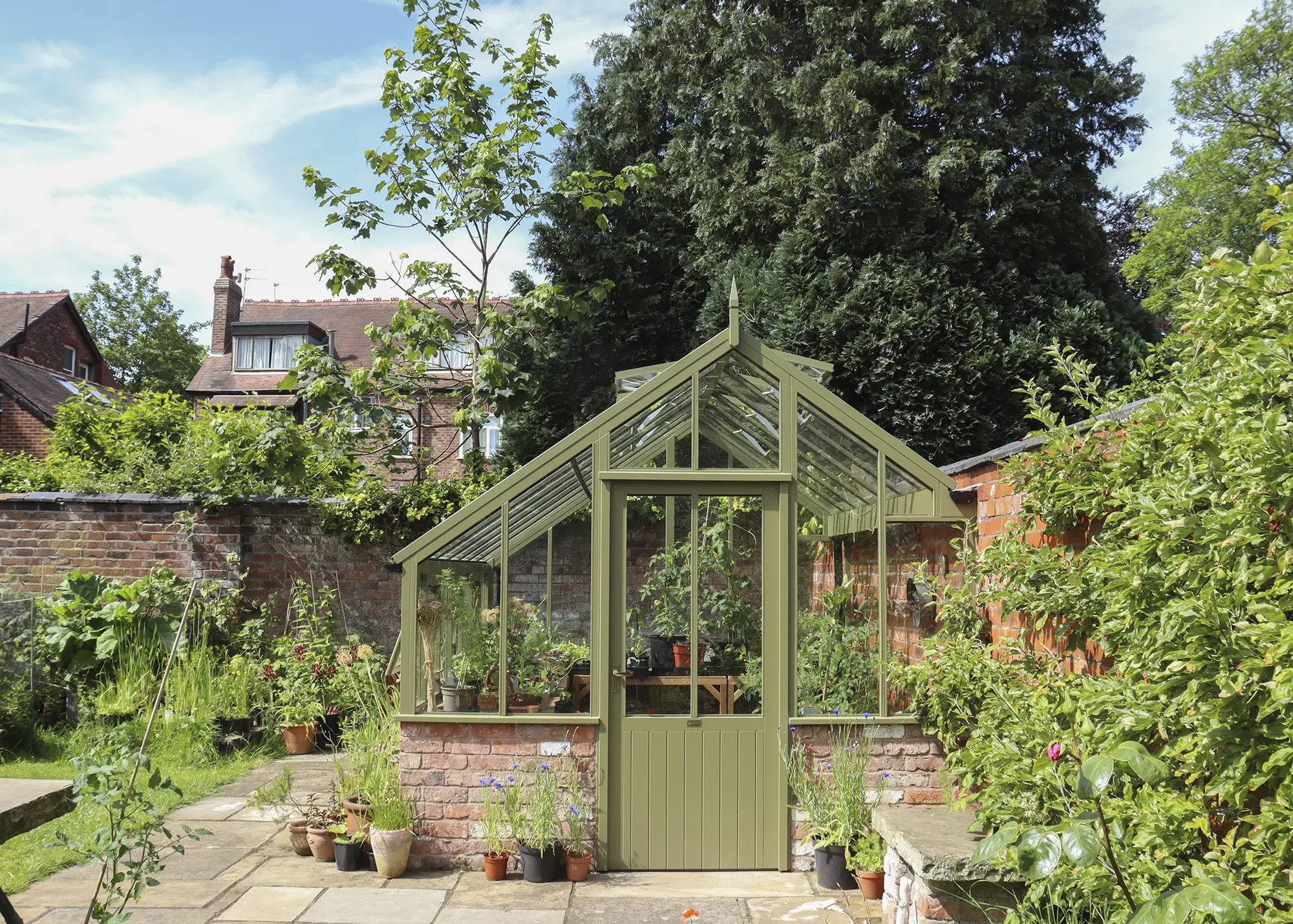
Credit: www.self-build.co.uk
Frequently Asked Questions
What Are Essential Garden Design Elements?
Essential garden design elements include layout, plant selection, color scheme, and focal points. Carefully consider paths, seating areas, and lighting. Balance hardscape and softscape for a harmonious look. Incorporate features like water elements or sculptures for added interest. Planning is key to creating a beautiful and functional garden.
How To Choose Plants For A Uk Garden?
Choose plants suited to the UK climate, considering local soil and sunlight conditions. Select native species for easy maintenance and sustainability. Opt for a mix of perennials and annuals for year-round interest. Consider height, color, and texture to enhance visual appeal.
Research plant care to ensure healthy growth.
What Are Popular Garden Styles In The Uk?
Popular garden styles in the UK include cottage, contemporary, and formal gardens. Cottage gardens feature colorful, dense plantings and winding paths. Contemporary gardens focus on clean lines and minimalism. Formal gardens emphasize symmetry and structure, often with hedges and geometric layouts.
Choose a style that suits your personal taste and home architecture.
How To Create A Low-maintenance Garden?
Create a low-maintenance garden by choosing hardy plants and reducing lawn areas. Use mulch to suppress weeds and retain moisture. Opt for automated irrigation systems to save time. Incorporate gravel or paving for easy upkeep. Select perennial plants for less frequent planting.
Proper planning reduces long-term gardening efforts.
Conclusion
Creating your garden in the UK can be a joyful journey. Start with a plan. Understand your space and climate. Choose plants that thrive locally. Include paths and seating for comfort. Remember, gardens evolve over time. Regular care keeps them beautiful.
Don’t rush the process. Enjoy each step. Gardens reflect your personality and creativity. They provide a peaceful retreat. Engage with nature. Feel proud of your efforts. Invite friends to share the space. A well-designed garden offers relaxation and joy. Your garden becomes a living artwork, growing with you.
Keep nurturing it, and watch it flourish.







