Imagine stepping into your backyard and being greeted by a charming garden house that feels like an extension of your home, a personal retreat just a few steps away. Designing your garden house can transform your outdoor space into a sanctuary where you can relax, entertain, or even work.
But where do you start? How do you ensure your garden house is not only beautiful but also functional? You’re about to discover the secrets to crafting a space that perfectly suits your needs and style. This guide will walk you through each step, sparking your creativity and helping you make informed decisions.
Dive in, and let’s turn your vision into reality. Your dream garden house awaits.

Credit: www.youtube.com
Choosing The Right Location
Choosing the right location for your garden house is crucial. It affects how you enjoy your new space. Think about sunlight, shade, and distance from your main house. Each factor plays a role in comfort and functionality.
Assessing Sunlight And Shade
Sunlight impacts plant growth and ambiance. Observe your garden for sun patterns throughout the day. Identify areas with morning sun or afternoon shade. Morning sun is gentle and ideal for many plants. Afternoon shade keeps the garden house cool. Use this balance to create a pleasant environment.
Considering Proximity To Main House
The distance from your main house matters. A short walk is convenient for frequent visits. It makes transporting items easier. Consider visual connection too. A garden house in sight feels more integrated. Privacy might be a concern. A secluded spot offers peace and quiet. Balance privacy with accessibility for the best location.
Determining The Purpose
Decide on the garden house’s purpose to guide its design. Consider uses like relaxation, storage, or a workspace. This clarity will influence layout, materials, and decor choices.
Determining the purpose of your garden house is crucial. It sets the direction for your design choices. Knowing the function can save time and resources. Start by asking yourself what you truly need. Is it a place to unwind or a productive workspace? Each purpose requires unique features and layout considerations.Creating A Relaxation Retreat
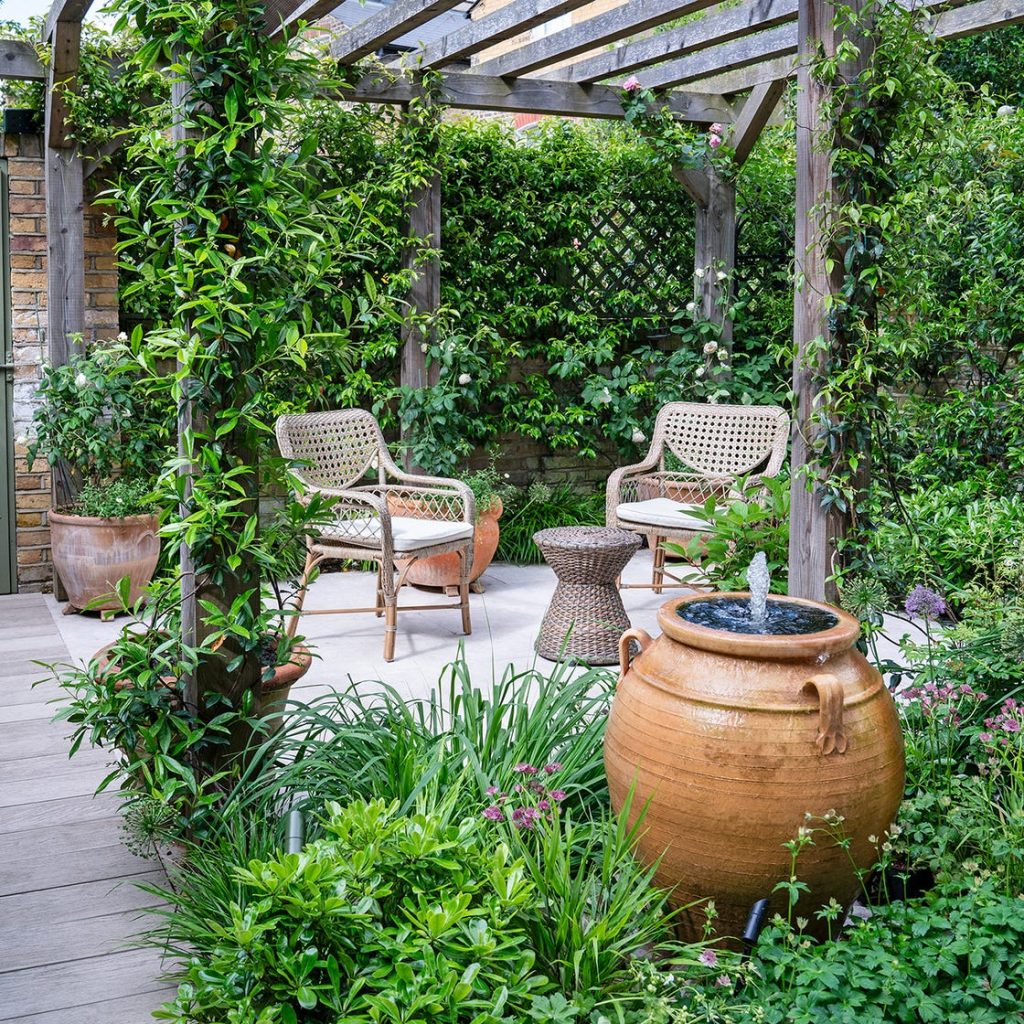
A garden house can be a serene escape. Think about cozy seating and soft lighting. Use natural materials like wood and stone. These elements create a warm, inviting atmosphere. Consider adding plants for a calming effect. A small water feature can enhance tranquility. Ensure your retreat feels secluded. Privacy screens or tall plants can help. Soft textiles like cushions and throws add comfort. Choose colors that promote relaxation, like soft greens and blues.Designing A Functional Workspace
For a workspace, focus on practical design. Ensure ample natural light for productivity. Large windows or skylights work well. A sturdy desk is essential. Choose one that fits your needs and space. Invest in ergonomic seating for comfort. Storage solutions keep the area organized. Shelving and cabinets save space. Consider soundproofing for focus. Use neutral colors to minimize distractions. Keep technology needs in mind. Plan for outlets and internet connectivity.Selecting Materials And Style
Designing your garden house involves choosing the right materials and style. Your choices will shape the look and feel of your space. The materials you select impact durability and aesthetics. The style defines the atmosphere, whether cozy or sleek.
Exploring Wood And Metal Options
Wood brings warmth and a natural feel. It blends well with outdoor settings. Types like cedar and pine are popular. They resist decay and insects. Metal offers a modern and industrial look. Steel and aluminum are strong choices. They require less maintenance than wood. Each material has its own charm and function.
Incorporating Traditional Vs Modern Design
Traditional design embraces classic elements. Think of ornate details and vintage charm. It often uses wood and natural colors. Modern design favors clean lines. It uses minimal decor and sleek finishes. Metal fits well in modern themes. Mix both styles for a unique look. Balance is key to achieving harmony.

Credit: www.youtube.com
Planning The Layout
Design your garden house by sketching a functional layout. Consider pathways, seating, and plant placement for harmony. Efficient use of space enhances both beauty and utility.
Designing your garden house is an exciting venture that allows you to create a personal retreat within your backyard. The key to a successful garden house is planning the layout carefully. This involves ensuring that every inch of space is used efficiently and that indoor and outdoor areas are seamlessly connected. Let’s dive into some essential aspects to consider when planning the layout of your garden house.Maximizing Space Efficiency
When space is limited, every square foot counts. Consider using multifunctional furniture, like a bench that doubles as storage. Think vertically—add shelves or hanging planters to use wall space creatively. It’s also beneficial to keep pathways clear, which can make your garden house feel more open and inviting. Consider what elements are essential, and prioritize those over less critical items.Integrating Indoor And Outdoor Areas
Blurring the lines between indoor and outdoor spaces can make your garden house feel larger and more connected to nature. Large windows or glass doors can provide a seamless transition to the garden. Consider extending flooring materials from inside to outside to unify the spaces visually. You could also use similar color palettes and textures to create a harmonious flow. Is there a way to incorporate natural elements like plants or water features indoors to enhance this connection? This integration can create a tranquil environment that invites you to enjoy both spaces year-round.Incorporating Green Elements
Incorporating Green Elements Add natural beauty with native plants around your garden house. Consider solar panels to harness clean energy. Use recycled materials for eco-friendly construction.
Designing your garden house with green elements can transform it into a serene and eco-friendly haven. Integrating these features not only enhances the aesthetic appeal but also contributes to sustainability. By focusing on green elements, you create a space that nurtures both nature and your well-being.Adding Vertical Gardens
Vertical gardens are a fantastic way to maximize space and introduce greenery. They are perfect for small areas where horizontal planting might be limited. Imagine a vibrant wall of plants greeting you each day—it’s not just appealing but also purifies the air. You can use climbers or modular panels to create a lush green wall. Herbs, flowers, and even vegetables can thrive vertically. This is a creative solution that brings nature closer to your daily life.Utilizing Sustainable Practices
Embracing sustainable practices is key to an eco-friendly garden house. Consider using recycled materials for building or decorating. This reduces waste and gives old items a new purpose. Water conservation is another crucial aspect. Installing rainwater harvesting systems can significantly cut down water usage. This is not only beneficial for the environment but also for your water bill. Sustainable practices can be simple yet impactful. How can you make your garden house more eco-friendly today?Choosing Furniture And Decor
Selecting furniture and decor for your garden house involves blending functionality with style. Opt for weather-resistant materials to withstand the elements. Incorporate cozy seating and vibrant colors to create a welcoming atmosphere.
Designing your garden house is an exciting journey that melds creativity with practicality. Choosing furniture and decor is one of the most enjoyable aspects, as it allows you to express your personal style while ensuring comfort and functionality. The right selections can transform your garden house into a cozy retreat or a stylish entertainment space. But how do you balance aesthetics with durability? Let’s dive into the essentials.Opting For Weather-resistant Pieces
Selecting weather-resistant furniture is crucial for any outdoor setup. You want pieces that can withstand the elements, be it rain, sun, or wind. Materials like teak, aluminum, and resin wicker are excellent choices. They not only resist moisture and UV rays but also maintain their appearance over time. Think about cushions and fabrics too. Look for materials labeled as outdoor-friendly or fade-resistant. This ensures they can handle unexpected showers or intense sun without losing color or shape. Consider investing in furniture covers for added protection. They are a smart choice to extend the life of your outdoor furniture, especially during harsh weather conditions.Enhancing Aesthetic Appeal
Aesthetic appeal goes beyond just color coordination. It’s about creating a space that reflects your personality and meets your needs. Start by choosing a theme or style—be it rustic, modern, or eclectic—that harmonizes with your garden’s natural beauty. Incorporate decor elements like outdoor rugs, lanterns, and potted plants. These add warmth and character, making the space inviting and personal. Don’t forget about lighting. String lights or solar-powered lanterns can create a magical atmosphere in the evenings, perfect for relaxing or entertaining guests. Have you ever considered using multifunctional furniture? A bench that doubles as a storage unit can save space and add functionality. Think about how each piece can serve more than one purpose. Your garden house should be a reflection of you. By carefully choosing furniture and decor, you can create a space that’s both beautiful and durable. What does your ideal garden house look like?Lighting And Ambiance
Illuminate your garden house with soft, warm lights to create a cozy atmosphere. Incorporate solar lamps or string lights for an enchanting evening ambiance. Choose strategically placed lighting to highlight beautiful plants and pathways.
Designing the lighting and ambiance of your garden house can transform it from a simple outdoor structure into a magical retreat. The right lighting not only enhances the visual appeal but also extends the usability of your space into the evening hours. Creating the perfect atmosphere is an art, blending function and style to reflect your personal taste.Selecting Outdoor Lighting Options
Choosing the right lighting options can make a significant difference. Consider what activities you’ll be doing in your garden house. Will it be a space for quiet evening reading or lively gatherings? – String Lights: These are versatile and can be draped across the ceiling or along walls, creating a warm and inviting glow. – Lanterns: Perfect for adding a rustic charm, they can be placed on tables or hung at various heights. – Spotlights: Use these to highlight specific features like a beautiful plant or a piece of garden art. Balance is key. Too much light can overwhelm, while too little can leave your space feeling dim and uninviting.Creating A Cozy Atmosphere
To make your garden house a true sanctuary, focus on creating a cozy atmosphere. Think about the feeling you want to evoke when you step inside. Soft lighting can enhance comfort. Adding dimmers allows you to control the brightness according to your mood. Consider using scented candles or essential oil diffusers for a multi-sensory experience. Lavender or cedarwood can create a calming ambiance. Incorporating textures like plush cushions or warm throws can also add to the coziness. What’s your ideal setup for an evening of relaxation? Remember, the goal is to create a space that feels like an extension of your home, where you can unwind and enjoy the beauty of your garden at any time.Ensuring Privacy And Security
Designing a garden house requires careful planning to ensure privacy and security. Strategically place fences or hedges to create secluded spaces. Install sturdy locks and outdoor lighting for safety.
Ensuring privacy and security in your garden house is crucial. A safe space lets you relax and enjoy your garden without worries. Many options are available to protect your garden sanctuary.Installing Fencing And Screens
Fencing provides both privacy and security. Choose a fence that complements your garden style. Wooden fences offer a natural look. Metal fences add a modern touch. For added privacy, consider screens. They block views and enhance your garden’s aesthetics. Bamboo screens are eco-friendly and stylish. You can mix fences and screens for a unique design.Considering Security Systems
Security systems deter intruders. Motion sensor lights are effective. They illuminate your garden when movement is detected. Install cameras for monitoring. Position them at entry points. Alarms are another option. They alert you to unauthorized access. Smart systems let you control security from your phone. They offer peace of mind when you’re away. Choose systems that fit your needs and budget.Budgeting And Cost Management
Designing your garden house with a budget-friendly mindset ensures you enjoy beauty without breaking the bank. Focus on cost-effective materials and plan efficiently to manage expenses. This approach creates a stunning outdoor space while keeping finances in check.
Designing your garden house is an exciting venture, but managing your budget effectively can make the difference between a dream fulfilled and a financial headache. Understanding the costs involved and planning accordingly is crucial. Whether you’re a DIY enthusiast or prefer professional assistance, this section will help you navigate through the financial aspects with confidence.Estimating Material Costs
Creating a detailed list of materials is essential. Begin by researching the average prices for items like wood, nails, and paint. Consider quality versus cost—sometimes spending a bit more on durable materials can save you money in the long run. Use online calculators to estimate total expenses, and don’t forget to include miscellaneous items like screws or sealants. Keep track of discounts or bulk purchase offers. You might be surprised at the savings available when buying materials in larger quantities.Exploring Diy Vs Professional Help
Choosing between DIY and hiring professionals can significantly impact your budget. DIY offers personal satisfaction and cost savings, but requires time and skill. Reflect on your own abilities. Are you comfortable with carpentry or electrical work, or would these tasks be better left to a professional? Hiring professionals might seem expensive upfront, but it can prevent costly mistakes and save time. Get multiple quotes to ensure you’re getting a fair price. Evaluate the complexity of your design. Some intricate designs may benefit from professional expertise, while simpler structures can be perfect DIY projects. Consider sharing your experiences in forums or groups. Others may offer insights or tips that can further aid your decision-making process.
Credit: www.veranda.com
Frequently Asked Questions
What Are Essential Garden House Features?
Essential features include adequate lighting, ventilation, and durable materials. Incorporating eco-friendly elements can enhance sustainability. Prioritize space for relaxation and storage. Ensure the design complements the surrounding landscape. Consider accessibility and safety measures in the layout.
How Can I Maximize Garden House Space?
Use multifunctional furniture and vertical storage solutions to optimize space. Incorporate built-in seating and shelving. Design with open-plan concepts to create an airy feel. Utilize mirrors to reflect light and make the area appear larger. Efficiently organize tools and essentials.
Which Materials Are Best For Garden Houses?
Wood, brick, and metal are popular choices. Wood offers a natural aesthetic, while brick provides durability. Metal structures are modern and weather-resistant. Ensure materials are treated for weather protection. Consider your climate and maintenance preferences when selecting materials.
How Do I Maintain My Garden House?
Regular cleaning and maintenance prevent wear. Inspect for pests and weather damage seasonally. Treat wood surfaces to prevent rot. Ensure proper drainage to avoid flooding. Replace damaged materials promptly. Keep the area tidy to enhance longevity and appearance.
Conclusion
Creating your garden house can be a rewarding journey. Start with a clear plan. Choose materials that blend with nature. Focus on the design that suits your needs. Add personal touches for comfort and style. Consider sustainable options for a greener choice.
Think about the layout for best use of space. Remember, your garden house should reflect your personality. Enjoy the process and have fun. It’s your special retreat. A place to unwind and connect with nature. Embrace the outdoors with your unique garden house.
Happy designing!