Imagine stepping outside and being greeted by a garden that feels like a personal paradise. Designing your garden bed is the first step toward creating this tranquil escape right in your backyard.
Whether you’re a seasoned gardener or just starting out, crafting the perfect garden bed can be both simple and fulfilling. Picture vibrant flowers dancing in the breeze, the aroma of fresh herbs filling the air, and vegetables ripe for picking.
With the right design, your garden bed can become a sanctuary that caters to your senses and nurtures your soul. This guide will equip you with straightforward tips and creative ideas to help you design a garden bed that reflects your personality and meets your needs. Are you ready to discover the secrets of a captivating garden bed that will make you linger outdoors a little longer each day? Dive into this article and unlock the potential of your garden space.
Choosing The Right Location
Selecting the perfect spot for your garden bed ensures healthy plant growth. Consider sunlight, soil quality, and drainage. Choosing a location close to a water source is beneficial.
Choosing the right location for your garden bed can make all the difference in its success. It’s not just about picking a spot and planting; it’s about understanding the environment and how your plants will thrive. Let’s dive into the essential aspects you need to consider to find the ideal location for your garden bed.Sunlight And Shade Considerations
Start by observing how sunlight moves across your yard throughout the day. Do you have a spot that gets full sun for six to eight hours? Most vegetables and flowers love soaking up the sun, but some herbs and leafy greens might prefer partial shade. Make a note of any structures or trees that might cast shade. It’s crucial to understand these patterns to ensure your plants get the right amount of light. Remember, too much shade can lead to leggy plants, while too much sun might cause wilting.Proximity To Water Source
Think about how easy it will be to water your garden bed. Is there a hose nearby, or will you rely on a watering can? If dragging a hose across the yard sounds like a chore, consider this in your planning. The closer your garden bed is to a water source, the more likely you’ll keep up with regular watering. This can be especially vital during dry spells when your plants will need extra hydration.Soil Quality Assessment
Take a moment to dig into the soil where you plan to place your garden bed. Is it compacted and full of clay, or is it loose and rich? Good soil is the foundation of a thriving garden. Consider doing a simple soil test to check for essential nutrients. This will help you understand what amendments might be needed to give your plants the best start. Don’t underestimate the power of healthy soil; it’s the secret ingredient to a bountiful harvest. Choosing the right location for your garden bed requires observation, planning, and a bit of forethought. By taking the time to consider sunlight, water access, and soil quality, you’re setting your garden up for success. Where will you place yours?Determining Garden Bed Size
Designing your garden bed involves picking the right size. Consider available space and plant needs. Aim for a balance between beauty and practicality.
Determining the size of your garden bed is a crucial step. It influences plant health, maintenance, and visual appeal. When planning, consider various factors. These include plant space needs, accessibility, and overall design harmony.Space Requirements For Plants
Different plants need varying amounts of space. Vegetables like tomatoes and peppers need more room. Herbs and flowers often require less. Consider the mature size of each plant. Ensure enough space for growth and air circulation. This helps prevent diseases and promotes healthy growth.Accessibility And Maintenance
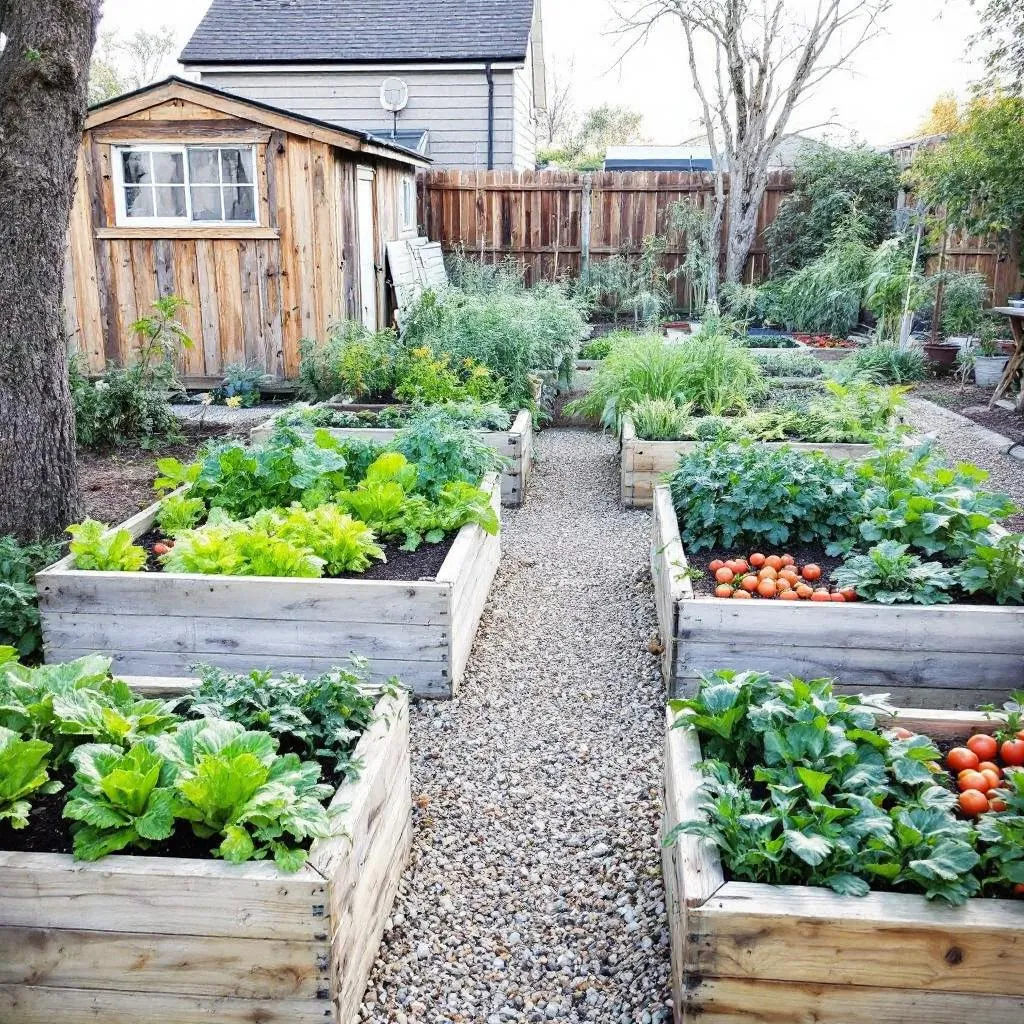
Think about how you will access your garden bed. Make sure you can reach all areas for planting and harvesting. Avoid making beds too wide. A width of 3 to 4 feet is ideal. This allows easy access from both sides. Keep pathways clear to facilitate easy movement. Regular maintenance is crucial for a thriving garden.Balancing Aesthetics And Functionality
Your garden should be both beautiful and practical. Consider the layout and visual appeal. Arrange plants to create a pleasing view. Use a mix of heights, colors, and textures. This adds interest and variety. Ensure the design doesn’t hinder functionality. A well-planned garden bed enhances your outdoor space.Selecting Materials For Construction
Choosing the right materials for your garden bed ensures durability and harmony. Opt for untreated wood, stone, or metal for a sturdy structure. These materials not only offer longevity but also blend seamlessly with the natural environment.
Selecting the right materials for constructing your garden bed is crucial for both the aesthetic appeal and functionality of your space. The choices you make can influence the longevity and sustainability of your garden. Whether you’re a seasoned gardener or a beginner, understanding the pros and cons of different materials can lead to a more informed decision.Wood Vs. Metal Vs. Stone
Wood offers a classic look that blends seamlessly with natural surroundings. Cedar and redwood are popular choices due to their resistance to rot. However, treated wood can be harmful to plants if not properly sealed. Metal, on the other hand, provides a sleek, modern aesthetic. It is durable and can withstand extreme weather conditions. But be mindful of rust, especially in humid climates. Stone is the ultimate in durability and offers a timeless appearance. It requires little maintenance but can be costly and labor-intensive to install. Consider how each material complements your garden’s overall design.Sustainability And Durability
When thinking about sustainability, wood often comes to mind first. Opt for reclaimed or sustainably sourced wood to minimize environmental impact. However, it may not last as long as metal or stone. Metal is highly durable and often recyclable, making it a sustainable choice if you plan to garden for years. It also requires less frequent replacements compared to wood. Stone is not only durable but can be locally sourced, reducing transportation emissions. Its longevity makes it a one-time investment, though it lacks the renewable aspect of wood. Which material aligns with your values and long-term plans?Cost-effectiveness
Budget is always a concern, and each material comes with its own price tag. Wood is generally the most affordable option and easy to work with, making it ideal for DIY projects. Metal can be more expensive initially, but its durability can save money in the long run. It’s a great choice if you want a modern look without frequent replacements. Stone is the most expensive upfront but offers unmatched longevity. If you’re planning a garden that will last for decades, the initial investment can pay off over time. Choosing the right material for your garden bed is a balance of aesthetics, sustainability, and budget. What matters most to you when designing your garden?
Credit: gardeningfamily.com
Preparing The Soil
Preparing the soil is vital for a thriving garden bed. Clear debris and remove weeds to create a clean surface. Mix in compost to enrich the soil, ensuring plants receive essential nutrients.
Preparing the soil is a crucial step in designing your dream garden bed. It’s the foundation upon which your plants will thrive. By ensuring your soil is healthy and fertile, you’ll set the stage for a flourishing garden.Composting And Fertilization
Composting enriches your soil with essential nutrients. Start by adding kitchen scraps and yard waste to a compost bin. Over time, this will decompose into a rich, organic matter. Fertilization provides a nutrient boost. Consider using natural options like bone meal or fish emulsion. A balanced approach ensures your plants get the right nutrients without overloading the soil.Ph Level Adjustment
Testing your soil’s pH is crucial. Most plants prefer a slightly acidic to neutral pH. You can use a simple pH test kit to check this. Adjust your soil pH with natural amendments. Lime can raise pH, while sulfur can lower it. Always follow the recommendations on product labels for best results.Weed And Pest Management
A weed-free garden starts with preparation. Remove existing weeds by hand or use mulch to suppress new growth. This keeps your soil healthy and reduces competition for nutrients. Consider natural pest solutions. Companion planting can deter unwanted insects. For example, marigolds can repel nematodes, protecting your plants naturally. Are you ready to transform your garden bed into a vibrant oasis? With the right soil preparation, your plants will thank you with lush growth and abundant blooms.Choosing Plants For Your Garden Bed
Your garden bed is a canvas waiting for your unique touch, and choosing the right plants is a critical step in bringing it to life. Whether you’re dreaming of a colorful flower bed or a practical vegetable garden, the selection process can be both exciting and daunting. How do you decide which plants will thrive in your space and complement each other beautifully? Dive into these considerations to make your garden bed a thriving masterpiece.
Seasonal Plant Selection
Understanding the seasons is key to choosing the right plants for your garden bed. Some plants thrive in the warm embrace of summer, while others prefer the cool touch of spring or fall. Knowing your local climate helps you pick plants that won’t just survive but flourish. Picture your garden changing with the seasons, offering new blooms and harvests year-round. Does your garden have the potential to surprise you with a splash of color in winter?
Companion Planting
Companion planting is like choosing friends for your plants. Certain combinations can enhance growth, deter pests, and improve flavor. Imagine a garden bed where marigolds protect your tomatoes from unwanted insects. This strategy not only boosts plant health but also creates a harmonious garden ecosystem. What pairs can you experiment with to foster a thriving garden community?
Edible Vs. Ornamental
Are you leaning towards a garden bed filled with vibrant blooms or one that offers fresh produce? Edible plants, like herbs and vegetables, can be both visually appealing and practical. On the other hand, ornamental plants can transform your garden into a stunning visual escape. Perhaps a mix of both can satisfy your aesthetic and culinary desires. What role do you want your garden to play in your daily life?
Choosing plants for your garden bed is an opportunity to express your creativity and cater to your needs. Embrace the adventure of selection, and watch as your garden becomes a reflection of your personal style and values.
Incorporating Garden Features
Design your garden bed by adding unique features like stones, water elements, or sculptures. Use different plant heights for depth and interest. Arrange colors and textures to create a pleasing look. These elements can transform your garden into a beautiful and inviting space.
Designing your garden bed is more than just planting flowers and vegetables. It’s about creating a peaceful retreat, a place where beauty and functionality meet. By adding features like paths, water elements, and lighting, you can transform an ordinary garden into an extraordinary one. Each addition serves a purpose, enhancing not just the aesthetic appeal but also the utility of your space.Paths And Walkways
Paths and walkways guide you through your garden, inviting exploration and discovery. Consider using natural materials like stone or gravel for a rustic feel. Or, opt for sleek concrete for a modern touch. A winding path can create a sense of mystery, while a straight one provides a direct route. Think about how you move through your space. Is there a natural flow, or do you need to create one?Water Features And Sculptures
Adding a water feature can bring tranquility to your garden. The sound of flowing water can mask urban noise and create a serene environment. Whether it’s a small fountain or a larger pond, water elements can attract wildlife, adding life to your garden. Sculptures can serve as focal points, drawing the eye and adding interest. Choose pieces that reflect your personality or tell a story. Do you prefer modern art or classic stone statues?Lighting And Decor
Lighting transforms your garden from day to night. It highlights features and ensures safety. Consider solar-powered lights along paths and around seating areas for an eco-friendly option. String lights can add a whimsical touch, perfect for evening gatherings. Think about how you use your garden after sunset. Do you entertain, or is it a quiet retreat? Decor, such as planters or garden art, adds personal touches. Choose pieces that complement the overall theme and color scheme of your garden. What story does your garden tell about you?Maintenance And Care
Maintaining and caring for your garden bed is not just about keeping it aesthetically pleasing, but also ensuring its health and productivity. A well-maintained garden bed can flourish with vibrant plants that enhance your outdoor space and provide a sense of accomplishment. Here are some practical tips to help you nurture your garden bed effectively.
Regular Watering Schedule
Watering is a critical aspect of garden maintenance. Establishing a regular schedule helps your plants receive the right amount of water they need to thrive. Consider the needs of different plants; some require daily watering, while others might need it less frequently. Use a drip irrigation system to ensure efficient water distribution. On particularly hot days, observe your plants closely; wilting or dry leaves might indicate dehydration.
Pruning And Trimming
Pruning and trimming are essential for promoting healthy growth. Regularly removing dead or overgrown branches helps your plants focus their energy on new growth. Invest in quality tools like sharp shears and pruning saws. Make sure to prune at the right time; for example, trimming in late winter can prepare your plants for a robust spring growth. Have you ever pruned a rose bush and noticed how it blooms more beautifully? That’s the power of proper care!
Pest Control Techniques
Pests can be a gardener’s nightmare, but with effective control techniques, you can keep them at bay. Start by identifying common pests in your area and use organic solutions like neem oil or insecticidal soap to treat infestations. Consider companion planting; plants like marigolds can deter pests naturally. Regularly inspect your plants for signs of pest damage, such as holes in leaves or discoloration. Are your plants showing unexpected symptoms? It might be time for a pest check!
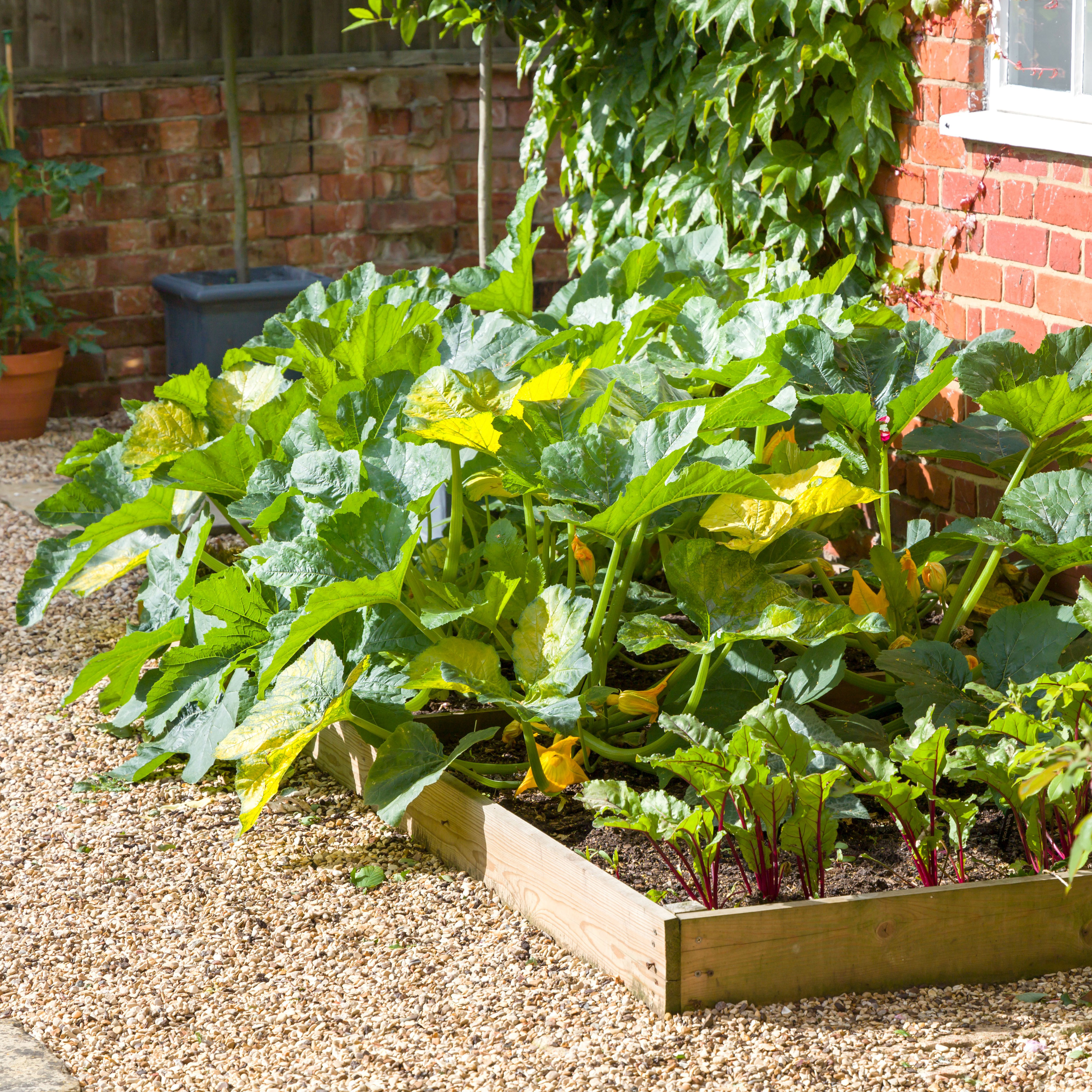
Credit: www.gardeningknowhow.com

Credit: kr.pinterest.com
Frequently Asked Questions
What Is The Best Soil For Garden Beds?
The best soil for garden beds is well-draining and nutrient-rich. A mix of topsoil, compost, and organic matter is ideal. This combination ensures good water retention and provides essential nutrients for plants. Regularly testing and amending the soil will promote healthy growth.
How Do I Choose Plants For My Garden Bed?
Choose plants based on climate, soil type, and sunlight exposure. Consider local conditions and the garden’s microclimate. Opt for native and adaptive plants to ensure healthier growth. Group plants by water needs to simplify maintenance and enhance sustainability.
How Often Should I Water My Garden Bed?
Water your garden bed deeply, once or twice a week. Adjust frequency based on weather conditions and plant types. Ensure the soil remains consistently moist but not waterlogged. Mulching can help retain moisture and reduce watering needs.
What Is The Ideal Garden Bed Size?
The ideal garden bed size depends on available space and plant types. Typically, beds are 3 to 4 feet wide to allow easy access. Length can vary based on your garden layout. Ensure paths around beds are accessible for maintenance and harvesting.
Conclusion
Creating a garden bed is simpler than it seems. Start small. Choose plants that suit your climate and soil. Arrange them thoughtfully for visual appeal. Use mulch to retain moisture and reduce weeds. Regularly water and maintain your plants. Enjoy watching your garden grow.
A well-designed garden bed boosts your outdoor space. It offers peace and satisfaction. Remember, every garden is unique. Personal touches make it special. Keep experimenting and learning. Your garden is your canvas. Happy gardening!