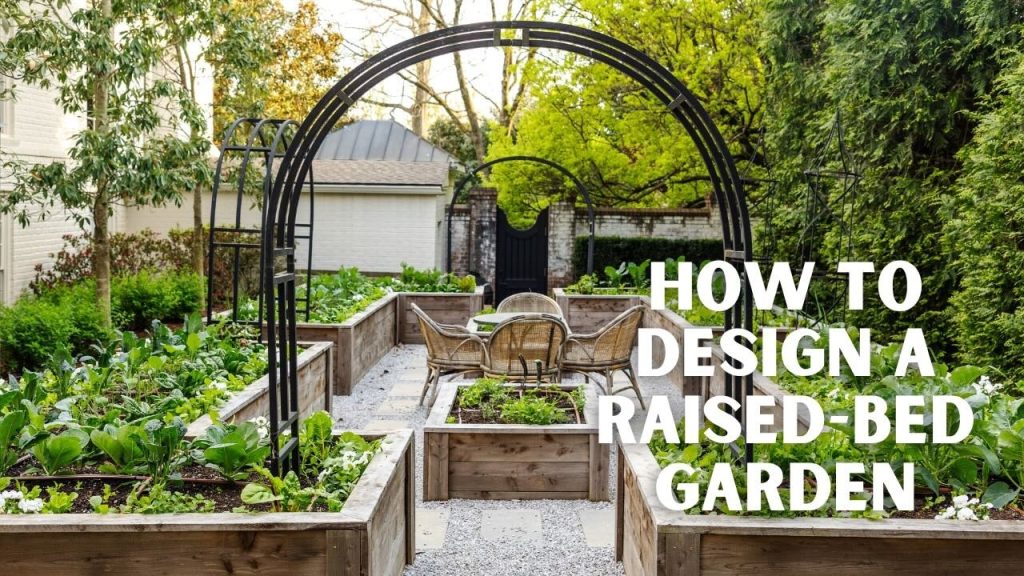
Imagine stepping into your backyard and being greeted by a vibrant array of vegetables, herbs, and flowers, all thriving in beautifully designed raised garden beds. This could be your reality, and it’s simpler than you think!
Raised garden beds are not only a fantastic way to organize your gardening space, but they also offer numerous benefits like improved soil drainage, easier access, and reduced weed growth. But how do you design the perfect raised garden beds for your space?
You’ll discover the secrets to crafting raised garden beds that are not only functional but also visually appealing. Whether you’re a seasoned gardener or just starting out, understanding the design elements that contribute to successful raised garden beds will transform your outdoor space into a lush, productive paradise. Let’s dive in and explore how you can turn your gardening dreams into reality!

Credit: www.vegogarden.com
Benefits Of Raised Garden Beds
Raised garden beds offer easier access and improved drainage, promoting healthier plants. Design them to fit your space, using materials like wood or stone, and ensure adequate sunlight.
Designing raised garden beds offers many benefits. They create a tidy and organized space for gardening. Raised beds improve soil drainage and make gardening accessible for everyone. They also help in managing weeds and pests. Discover more advantages of raised garden beds in the sections below.Improved Soil Drainage
Raised garden beds allow for better water drainage. Excess water can easily flow away. This prevents waterlogging and root rot in your plants. Healthy roots mean stronger plants.Better Weed Control
Raised beds help manage weeds effectively. They reduce the soil area exposed to weed seeds. Use mulch to further suppress weeds. Less weeding means more time enjoying your garden.Enhanced Accessibility
Gardening becomes easier with raised beds. No need to bend down as much. This is great for people with physical limitations. It allows everyone to enjoy gardening comfortably.Optimal Plant Growth
Raised beds often have richer soil. You can add compost and nutrients easily. This encourages faster plant growth. Your plants get the best possible start.Extended Growing Season
Raised beds warm up quicker in spring. Start planting earlier than ground-level gardens. This extends your growing season. Enjoy fresh produce for longer periods.Pest Management
Elevated beds deter some pests naturally. They make it harder for pests to reach plants. Using covers or nets adds another layer of protection. Your plants stay healthier with fewer pests.Space Efficiency
Raised beds use space effectively. You can plant closely and maximize yield. This is perfect for small gardens. Even limited spaces can be productive.Customizable Design
Design your garden beds to fit your style. Choose materials like wood, metal, or stone. Make them any size or shape. Customize to suit your garden needs. By understanding these benefits, you can create a thriving garden space. Raised garden beds offer practical solutions for many gardening challenges. They are a smart choice for both beginner and experienced gardeners alike.Choosing The Right Location
Selecting the right location is crucial for raised garden beds. Ensure plenty of sunlight, about 6-8 hours daily. Check for good drainage and accessibility.
Choosing the right location for your raised garden beds is crucial. It impacts plant growth and overall garden health. The perfect spot ensures your plants receive adequate sunlight, water, and protection from harsh elements. Let’s explore some key factors to help you pick the best location for your raised garden beds.Sunlight Exposure
Plants need sunlight to grow. Most vegetables require at least six hours of direct sun daily. Observe your yard at different times to find areas with ample sunlight. Avoid placing your garden beds in shaded spots.Water Source Proximity
Watering is essential for healthy plants. Choose a location near a water source. This makes watering easier and efficient. A nearby hose or irrigation system can save time and effort.Soil Drainage
Good drainage prevents root rot. Avoid areas where water pools after rain. Elevated spots with slight slopes are ideal. Ensure water drains away from garden beds, not towards them.Wind Protection
Strong winds can damage plants. Pick a location with natural windbreaks like fences or bushes. This shields plants from harsh winds. You can also use artificial barriers if needed.Accessibility
Your garden should be easy to reach. Consider paths or walkways for convenient access. Ensure there’s space to move around and maintain plants without difficulty.Aesthetic Considerations
Your garden should enhance your yard’s beauty. Place it where it complements your landscape design. A visually pleasing garden can increase enjoyment and satisfaction.Selecting Materials
When designing raised garden beds, choosing the right materials can make a world of difference in both aesthetics and functionality. The materials you select will not only impact the durability of your garden beds but also influence the overall vibe of your garden space. Let’s explore some intriguing options that cater to different preferences and needs.
Wood Options
Wood is a popular choice for raised garden beds due to its natural look and versatility. Cedar and redwood are excellent options as they are naturally resistant to rot and pests. These woods can last for years, giving your garden a timeless appeal. However, if you’re looking for a budget-friendly alternative, pressure-treated lumber offers durability at a lower cost. Just ensure it’s safe for gardening purposes by verifying it’s treated with non-toxic substances.
Metal And Stone Choices
Metal and stone can add a modern and robust touch to your garden beds. Corrugated metal is durable and creates an industrial look that stands out. It’s also relatively easy to install and can withstand harsh weather conditions. Stone, on the other hand, offers a classic and sturdy appearance. It’s perfect for a more permanent solution but requires careful planning due to its weight and installation complexity. Which style resonates with you?
Recycled And Eco-friendly Alternatives
For the environmentally conscious, recycled materials provide an innovative and sustainable approach. Reclaimed wood can add character and charm to your garden beds, each piece telling its own story. You might also consider using old bricks or concrete blocks, which are not only eco-friendly but can be arranged in creative patterns. These choices not only help the planet but also allow you to express your creativity in unique ways. Have you thought about repurposing materials you already have?

Credit: craft.camp
Determining The Size And Shape
Consider the garden’s available space when designing raised beds. Choose a shape that complements the landscape and maximizes sun exposure. Ensure paths around beds are wide enough for easy access and movement.
Determining the right size and shape for your raised garden beds is crucial. It influences plant growth, accessibility, and overall garden health. Careful planning ensures a functional and aesthetic garden space. Consider your available area, the plants you want to grow, and your gardening style. This guide will help you design raised beds that fit your needs.Choosing The Right Size
A common width for raised beds is four feet. This allows easy access from both sides. Length can vary based on space and preference. Consider a length of six to eight feet for manageability. Height affects soil depth and drainage. A height of 12 to 18 inches is typical.Deciding On The Shape
Rectangular shapes are popular for their simplicity and space efficiency. L-shaped beds work well in corners or small yards. Circular or curved designs add visual interest. Choose a shape that complements your garden layout. Ensure it allows easy movement around the beds.Considering Accessibility
Ensure beds are reachable from all sides. This reduces strain when planting or harvesting. Leave space for pathways between beds. Paths should be at least two feet wide. This provides enough room for tools and wheelbarrows.Calculating Soil Volume
Determine the amount of soil needed for your beds. Use the formula: length x width x height. This gives the volume in cubic feet. Plan for quality soil to support healthy plant growth. Consider drainage and soil type when filling beds. Quality soil ensures healthy plants and successful gardening.Preparing The Site
Choose a sunny location with good drainage for your raised garden beds. Clear the area of debris and weeds. Level the ground to ensure stability and proper water flow.
Preparing the site for your raised garden beds is a crucial step in ensuring a thriving garden. A well-prepared site sets the stage for successful growth and minimizes future maintenance. Let’s dive into the essential tasks you need to tackle before placing your raised beds.Clearing The Area
Before you position your raised garden beds, it’s vital to clear the area of any debris, rocks, or unwanted vegetation. This not only provides a clean slate but also prevents future weed invasions. Use a rake or a hoe to remove stubborn roots and grass, ensuring a smooth surface. Consider the location of nearby trees and shrubs. Their roots can extend far and wide, potentially infiltrating your garden beds. If you have a similar situation in your yard, you might need to install a root barrier to protect your plants.Leveling The Ground
A level ground is essential for even water distribution and stable bed placement. Use a long piece of wood and a spirit level to check the evenness of the ground. Adjust accordingly by adding or removing soil. If the area has a natural slope, consider terracing or creating multiple levels of raised beds. This not only addresses the slope issue but can also add a dynamic aesthetic to your garden layout.Ensuring Proper Drainage
Proper drainage is key to preventing waterlogged soil, which can suffocate roots and lead to plant diseases. Test the area by soaking it with water and observing how quickly it drains. If the water pools, you may need to amend the soil with sand or gravel. Consider installing a layer of landscape fabric beneath the bed to aid drainage while preventing weeds. This small step can significantly improve the health and productivity of your garden over time. Remember, preparing the site for your raised beds is more than a task—it’s an investment in your garden’s future. What challenges do you think you might encounter when setting up your garden site?Building The Structure
Choose sturdy materials like wood or stone for raised garden beds. Ensure proper drainage with a slight slope. Arrange beds in rows for easy access and maintenance.
Building the structure of your raised garden bed is where the magic begins. This is the stage where your design starts to take shape, and the anticipation of a thriving garden becomes tangible. With a little patience and the right approach, you can create a sturdy foundation that will support your plants for years to come.Assembling The Frame
Begin by selecting durable materials like cedar or redwood, known for their resistance to rot. Lay out the wood pieces to form the outline of your garden bed. Use galvanized screws to join the boards together, ensuring a tight fit. This not only enhances the bed’s longevity but also maintains its shape over time.Securing The Corners
Corners are critical points in your structure. Reinforce them with metal brackets or wooden posts to ensure stability. You might want to consider adding corner posts that extend below the frame to anchor the bed into the soil. This can be especially useful in windy areas.Adding Supports And Reinforcements
Depending on the size of your garden bed, additional supports might be necessary. Cross braces can be added to prevent the sides from bowing out over time. If your bed is particularly long, consider dividing it into sections with vertical supports. This added reinforcement ensures that the weight of the soil and plants won’t cause structural issues. By carefully constructing each part of your raised bed, you create a lasting and reliable home for your plants. What unique challenges does your garden space present, and how can you adapt your design to meet them?Filling The Bed
Filling the bed with nutrient-rich soil ensures plants grow strong. Layer compost and organic matter for better drainage.
Filling your raised garden bed is a crucial step that sets the stage for a thriving garden. The right combination of materials will ensure healthy plant growth and bountiful harvests. As you prepare to fill your bed, consider what your plants need to flourish. Are you ready to create the ideal environment for your garden to thrive?Layering Soil And Compost
Think of your raised bed as a cake with layers that work together to nourish your plants. Start with a base layer of coarse material such as twigs or straw to promote drainage. On top of this, add a mixture of soil and compost. Compost enriches the soil, providing essential nutrients and improving texture. It’s like giving your plants a superfood diet! Mixing soil and compost ensures that roots have access to nutrients while maintaining good aeration and drainage.Ensuring Soil Quality
Quality soil is the backbone of a successful garden bed. You might wonder, how can you tell if your soil is up to par? Test your soil for pH and nutrient levels using a simple soil test kit. Adjust the soil mix accordingly. For instance, add lime to increase pH or sulfur to decrease it. High-quality soil should crumble easily in your hand, indicating good structure and aeration. This ensures that your plants can absorb nutrients efficiently and grow robustly.Incorporating Mulch
Mulch is like the protective blanket for your garden bed. It helps retain moisture, suppress weeds, and regulate soil temperature. Spread a layer of organic mulch, such as shredded leaves or straw, on top of the soil. This not only keeps the soil warm but also prevents evaporation. Consider the benefits mulch brings to your garden. It reduces the need for frequent watering and keeps weeds at bay, saving you time and effort. With mulch in place, your garden bed will be well-equipped to support healthy plant growth.
Credit: www.hgtv.com
Planting Tips
Designing raised garden beds involves choosing the right location and materials. Ensure proper drainage and soil quality for healthy plants. Arrange plants thoughtfully to maximize sunlight and space.
Planting Tips Designing raised garden beds can be a rewarding experience. One of the key aspects to focus on is planting. Thoughtful planting can transform your garden beds into a thriving ecosystem. Here are some practical tips to help you make the most of your raised beds.Choosing Plants For Raised Beds
Selecting the right plants is crucial for success. Consider the climate and the amount of sunlight your garden receives. Leafy greens like lettuce and spinach thrive in partial shade, while tomatoes and peppers prefer full sun. Think about the size of your plants. Taller plants might overshadow smaller ones, so plan their placement carefully. You don’t want your garden to become a jungle!Companion Planting Strategies
Companion planting can boost growth and deter pests. Pairing carrots with onions, for example, can help repel carrot flies. Similarly, planting basil near tomatoes can enhance their flavor and growth. Create a balance by mixing flowers and vegetables. Marigolds can deter nematodes and add a splash of color. Which plant combinations could work best in your garden?Seasonal Planting Guidelines
Timing is everything in gardening. Planting according to the season ensures your plants get the best start. In early spring, sow seeds of cool-season crops like peas and radishes. As summer approaches, transition to warm-season favorites like cucumbers and squash. Keep an eye on the first frost date in fall to plan your last harvest. With these planting tips, your raised garden beds will be on their way to becoming a lush and productive space. What’s your next garden project going to be?Maintaining Your Garden Bed
Designing raised garden beds involves choosing materials, determining size, and planning layout. Consider drainage and accessibility for efficient gardening. Select durable materials like wood or stone to ensure longevity and style.
Maintaining your garden bed is crucial for its health and productivity. With the right care, your plants thrive and yield better results. This section offers practical advice to keep your raised garden bed in top condition.Watering Techniques
Proper watering is vital for your plants’ health. Water deeply to reach roots, but avoid overwatering. Use a drip irrigation system for consistent moisture. Check soil daily; adjust water based on weather. In hot months, water early or late to reduce evaporation.Weed And Pest Control
Weeds compete with plants for nutrients. Regularly inspect your garden bed for weeds and remove them by hand. Mulching helps prevent weed growth. Pests can damage plants significantly. Use natural pest control methods like neem oil. Encourage beneficial insects that prey on harmful pests.Seasonal Maintenance Tasks
Every season requires different tasks. In spring, add compost to enrich soil. Summer demands regular watering and pest checks. Fall involves removing dead plants and mulching for winter protection. In winter, cover beds to shield them from harsh weather. Plan ahead to ensure your garden bed stays healthy year-round.Frequently Asked Questions
What Materials Are Best For Raised Garden Beds?
The best materials for raised garden beds include wood, stone, and metal. Wood, like cedar, is durable and resistant to decay. Stone offers a natural aesthetic and longevity. Metal, such as galvanized steel, is strong and weather-resistant. Choose materials that suit your garden style and budget.
How Deep Should Raised Garden Beds Be?
Raised garden beds should generally be 12 to 18 inches deep. This depth provides sufficient space for root growth and plant health. For deep-rooted vegetables, consider beds at least 24 inches deep. Ensure adequate drainage by placing the beds on level ground or adding a layer of gravel.
What Plants Are Suitable For Raised Garden Beds?
Raised garden beds are perfect for vegetables, herbs, and flowers. Common choices include tomatoes, lettuce, carrots, and basil. Flowers like marigolds and petunias add color and repel pests. Choose plants based on sunlight exposure, climate, and soil type for optimal growth.
How Do I Maintain Soil Health In Raised Beds?
Maintain soil health by rotating crops, adding compost, and avoiding chemical fertilizers. Rotate crops annually to prevent nutrient depletion and pests. Add organic compost to enrich soil and improve structure. Mulch helps retain moisture and control weeds, promoting a healthy garden ecosystem.
Conclusion
Creating raised garden beds transforms your gardening space beautifully. They offer better soil control and efficient drainage. Choose materials wisely for durability and aesthetics. Plan the bed size to match your needs. Consider the plants you want to grow. Raised beds simplify planting and maintenance.
They also enhance accessibility, making gardening more enjoyable. With the right design, you cultivate a thriving garden. Start small, and expand as needed. Enjoy watching your garden flourish. A well-designed raised bed promises bountiful harvests and a serene garden haven.
Dive in, and nurture your gardening passion.







