
Designing your small garden can be a delightful challenge. You have a unique opportunity to create a beautiful and functional outdoor space that reflects your personality and meets your needs.
Whether you’re dreaming of vibrant flower beds, a cozy nook for reading, or a vegetable patch that brings fresh produce to your table, every square foot matters. Imagine the satisfaction of stepping into your own garden oasis, where you can escape the hustle and bustle of daily life.
By tapping into simple design principles and clever tricks, you can transform your small garden into a stunning haven. Ready to uncover the secrets that will make your garden not only look great but also feel fantastic? Let’s dive in and explore how you can maximize your space, enhance its beauty, and make it a place you truly love.
Assess Your Space
Designing a small garden begins with understanding your space. Knowing your garden’s size and layout helps in planning. It ensures every corner is used well. To start, assess your space carefully.
Measure Dimensions
Begin by measuring your garden’s length and width. This gives a clear idea of the total area. Use a tape measure for accuracy. Note down these numbers. They help in deciding plant sizes and furniture. Consider paths and borders too. Measure them to maximize space usage. Create a rough sketch. It helps in visualizing your future garden.
Identify Sun And Shade Areas
Observe your garden at different times of the day. Notice which parts get sunlight. Identify areas in shade. This helps in choosing the right plants. Some plants love sunlight. Others thrive in shade. Knowing sun and shade spots ensures plants grow well. Mark these areas on your garden sketch. It aids in better planning. Adjust plant positions for optimal growth.

Credit: www.instagram.com
Set Your Garden Goals
Set clear goals for designing your small garden. Consider the plants you love, space limitations, and the style you desire. Create a functional and beautiful space by choosing multi-purpose elements and prioritizing simplicity.
Setting your garden goals is the first step in designing your small garden. Clear goals make the process easier and more enjoyable. Think about what you want from your garden space. Do you want a tranquil retreat or a place to grow vegetables? Setting goals helps in making decisions about layout, plants, and features. It guides you in creating a garden that suits your personal needs and style.Choose Aesthetic Style
Select a style that reflects your taste. Do you prefer a modern look or a rustic charm? Your garden style can enhance your home’s exterior. Consider colors, materials, and plant types. Think about the atmosphere you want to create. A well-chosen style adds beauty and harmony to your garden.Consider Functional Needs
Think about how you will use the garden. Do you need space for entertaining? Maybe a play area for kids? Consider paths for easy access. Choose plants that fit your lifestyle. Low-maintenance options save time. Functional needs ensure your garden is practical and enjoyable.Select Suitable Plants
Designing a small garden can be a delightful experience. Selecting suitable plants is crucial to make the most of limited space. The right plant choices can transform your garden into a vibrant oasis. Here are some tips to help you pick the perfect plants.
Opt For Compact Varieties
Small gardens benefit from compact plant varieties. These plants fit well in limited spaces without overwhelming the area. Choose dwarf shrubs or miniature roses for a splash of color. Herbs like thyme and chives are also excellent choices. They provide greenery and are useful in the kitchen.
Incorporate Vertical Growing
Vertical growing maximizes space in a small garden. Use trellises or wall planters to grow climbing plants. Vines like clematis or sweet peas add beauty and height. Hanging pots can house strawberries or trailing ivy. Vertical gardens create layers, adding depth and interest to your garden.

Credit: www.goodhousekeeping.com
Incorporate Hardscaping Elements
Incorporating hardscaping elements like stone paths or patios can enhance small garden design. These features create structure and add visual interest. Use materials like brick or gravel to complement plants and flowers.
Creating a small garden can be a delightful experience, especially when you introduce hardscaping elements. These features not only enhance the aesthetics but also add functionality to your space. Hardscaping involves using non-living components like stone, wood, and water to complement your plants. Imagine transforming your garden into a serene escape, where pathways guide your journey and water features soothe your senses.Utilize Pathways And Pavers
Pathways can dramatically change the flow and feel of your garden. They help in defining areas and can lead you to secret corners or cozy nooks. Using pavers is an excellent way to build paths that are both durable and visually appealing. Consider using different materials like brick, stone, or gravel. Each option has its unique texture and charm. For instance, brick pavers can lend a rustic feel, while stone offers a more natural look. Think about the pattern and layout. Do you prefer straight lines or winding paths? Your choice can influence the overall mood. A simple gravel path with edging can be a quick project that instantly upgrades your space.Add Small Water Features
Water features can add tranquility and depth to your garden. Even small gardens can benefit from a touch of water. A mini fountain or a birdbath can become a focal point and attract wildlife. Choose a feature that suits the scale of your garden. A small bubbling fountain can fit snugly in a corner, providing soothing sounds and reflecting light beautifully. Maintenance is key. Ensure easy access to clean or repair. You wouldn’t want your serene spot to turn into a chore. How will you keep your water feature sparkling clean? Consider solar-powered options for ease and sustainability. They are energy-efficient and free you from complex installations. Imagine sitting by your fountain, enjoying a quiet evening, knowing it runs on nothing but sunlight.Maximize Vertical Space
Maximize vertical space by using wall planters and hanging baskets. They add greenery without taking up ground area. Use trellises for climbing plants to create lush, green walls.
Maximizing vertical space transforms small gardens into lush havens. Vertical gardening adds depth and interest. It makes your garden feel larger. Here are ways to utilize vertical space effectively.Install Trellises And Arbors
Trellises and arbors create stunning vertical features. They support climbing plants like roses or ivy. Choose materials that complement your garden style. Wood offers a classic look, while metal feels modern. Position trellises against walls or fences. This saves ground space and adds privacy. Arbors act as beautiful entrances or focal points. They draw the eye upward, enhancing vertical appeal.Use Hanging Planters
Hanging planters make use of overhead space. They’re perfect for small balconies or patios. Suspend them from hooks or brackets. Choose lightweight pots to avoid damage. Plant trailing species like ivy or ferns. These create a cascading green effect. Mix different plant types for variety and texture. This adds visual interest and color at eye level. Hanging planters are easy to maintain. They keep plants safe from pests and pets.Create Seating Areas
Create Seating Areas Transform your small garden into a cozy retreat with inviting seating areas. Use compact furniture that fits perfectly. Add cushions for comfort and style. Arrange chairs to enjoy the best views. Enhance the ambiance with soft lighting.
Make your garden a welcoming place to relax and unwind.
Creating seating areas in your small garden can transform it into a cozy outdoor retreat. The right seating invites you to linger longer, enjoying the fresh air and the beauty of your garden. Let’s explore how to make the most of your space with clever seating solutions.Choose Space-saving Furniture
Opt for furniture that fits seamlessly into your garden without overwhelming the space. Folding chairs and tables can be tucked away when not in use, freeing up valuable room. Consider benches with built-in storage to keep cushions and garden tools out of sight but easily accessible. Hanging chairs or hammocks can be a playful yet functional addition, perfect for relaxing without taking up floor space. You’d be surprised how a simple swing chair can add both charm and comfort. Think about materials too. Lightweight materials like aluminum or resin are easy to move around and weather-resistant, making them ideal for small gardens.Design Multi-functional Spaces
In a small garden, every square foot counts. Design your seating areas to serve multiple purposes. A dining area can double as a workspace or a spot for morning coffee. Consider a garden bench that can also act as a boundary or a plant display area. This way, you maximize utility without cluttering your garden. Think about how you might use your garden at different times of the day. Does your seating get enough shade in the afternoon? Planning for these details can greatly enhance your garden’s usability. Adding a small fire pit or a portable grill can turn your seating area into a social hub, perfect for entertaining guests. With a little creativity, your small garden can become a versatile space for relaxation and enjoyment.Enhance With Lighting
Lighting transforms small gardens into magical spaces. Use solar lights to highlight pathways and focal plants. Choose warm tones to create cozy evening ambiance.
Enhancing your small garden with lighting can transform it into a magical space. Lights create a warm and inviting atmosphere. They make your garden usable even after sunset. The right lighting highlights your garden’s best features, adding depth and dimension.Install Solar Lights
Solar lights are perfect for small gardens. They are eco-friendly and cost-effective. You can place them anywhere without worrying about wiring. During the day, they charge using sunlight. At night, they illuminate your garden beautifully. Solar lights come in various styles. Choose from lanterns, string lights, or stakes. Place them along pathways for safe navigation. Use them around seating areas for ambiance. They provide subtle yet effective lighting.Highlight Key Features
Use lighting to showcase your garden’s best elements. Spotlights can highlight trees or statues. Uplights are great for casting dramatic shadows. They create a focal point in your garden. Consider adding lights to water features. They make ponds or fountains sparkle at night. Backlighting can add depth to flower beds. It makes colors pop and draws attention to unique plants. Choose warm white bulbs for a cozy feel. Or use colorful lights for a festive look. The goal is to enhance, not overpower, your garden’s natural beauty.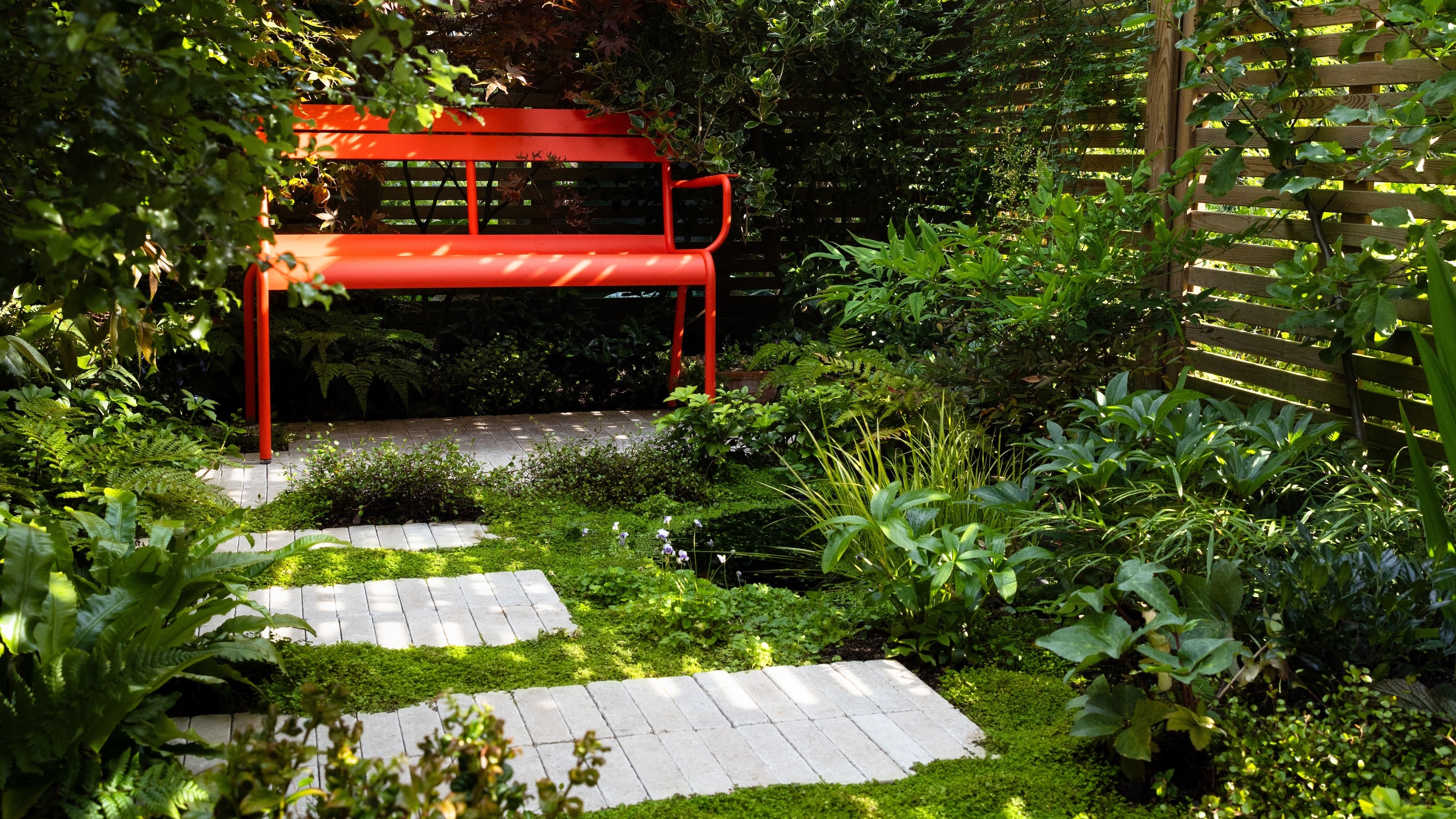
Credit: www.livingetc.com
Maintain Your Garden
Creating a small garden requires thoughtful planning to maximize space. Choose compact plants and vertical features for height. Arrange paths and seating areas to enhance accessibility and aesthetics.
Maintaining your garden ensures its beauty throughout the year. A well-kept garden not only looks appealing but also thrives and flourishes. Regular care keeps plants healthy and vibrant. It involves tasks like pruning, weeding, and seasonal plant maintenance. Let’s explore these essential activities.Regular Pruning And Weeding
Pruning keeps plants in shape. Remove dead branches and leaves to promote new growth. It also helps maintain a neat appearance. Use sharp tools for clean cuts. This reduces the risk of disease. Weeding is crucial too. Weeds compete with your plants for resources. Regularly remove them to ensure your plants receive enough nutrients and sunlight.Seasonal Plant Care
Each season brings its own garden needs. In spring, enrich the soil with compost. Summer requires more watering to beat the heat. Watch for pests and treat them promptly. In autumn, prepare your plants for winter. Trim back perennials and mulch the soil. During winter, protect sensitive plants from frost. Cover them or move them indoors. Adapting care to the season keeps your garden healthy year-round.Frequently Asked Questions
How To Start Designing A Small Garden?
Begin by assessing your space and determining your garden’s purpose. Consider sunlight, soil type, and climate. Sketch a layout with paths, plants, and features. Choose low-maintenance plants that thrive in your environment. Incorporate vertical elements to maximize space. Prioritize functionality and aesthetics for a harmonious design.
What Plants Are Best For Small Gardens?
Opt for compact, low-maintenance plants that suit your climate. Consider dwarf varieties, perennials, and native plants for easy care. Vertical growers like vines or climbers save space. Mix foliage types for texture and color. Herbs, succulents, and small shrubs are perfect for small garden areas.
How To Maximize Space In A Small Garden?
Utilize vertical gardening techniques with trellises, walls, and hanging pots. Select multi-purpose plants for beauty and function. Plan pathways and seating to enhance accessibility. Use containers to create movable plant displays. Incorporate layers with tall and short plants for visual interest and depth.
What Are Affordable Garden Design Ideas?
Repurpose materials like pallets for planters and furniture. Use recycled containers for planting. Create focal points with DIY projects like painted stones or handmade sculptures. Plant seeds instead of buying full plants. Choose native plants for low-cost, sustainable options. Explore community swaps for free resources.
Conclusion
Creating a charming small garden is achievable. Start with a simple plan. Choose plants that suit your space and climate. Arrange them thoughtfully for visual appeal. Add paths or stones for easy access. Consider vertical gardening to save space. Use containers for flexibility and style.
Maintain your garden with regular care. Water and prune as needed. Enjoy the beauty and tranquility of your garden. It’s a place to relax and unwind. Your small garden can become a favorite spot. Remember, every little effort brings big joy.
Happy gardening!







