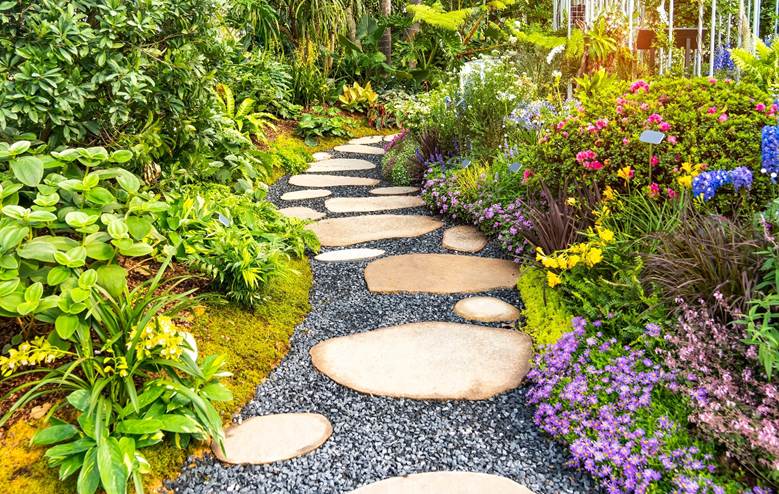
Imagine stepping into your garden and being greeted by a beautifully designed path that guides you through the lush greenery. It’s more than just a walkway; it’s a journey that transforms your outdoor space into a picturesque retreat.
You might wonder how to achieve such a captivating design for your garden paths. The good news is, creating a stunning garden path doesn’t require a degree in landscaping. With the right tips and tricks, you can design paths that enhance your garden’s charm and functionality.
This article will guide you on how to design garden paths that not only suit your style but also invite you to explore every corner of your garden. Get ready to discover how simple materials and thoughtful designs can make a big difference in your outdoor sanctuary.
Credit: www.hgtv.com
Choosing Path Materials
Creating the perfect garden path is not just about aesthetics; it’s about connecting different spaces within your outdoor sanctuary. The materials you choose can dramatically influence the look, feel, and functionality of your garden paths. Whether you’re aiming for a rustic charm or a modern vibe, the right materials can help you achieve your vision while complementing the surrounding landscape. Let’s dive into some popular path material choices to help you design the garden path of your dreams.
Natural Stone Options
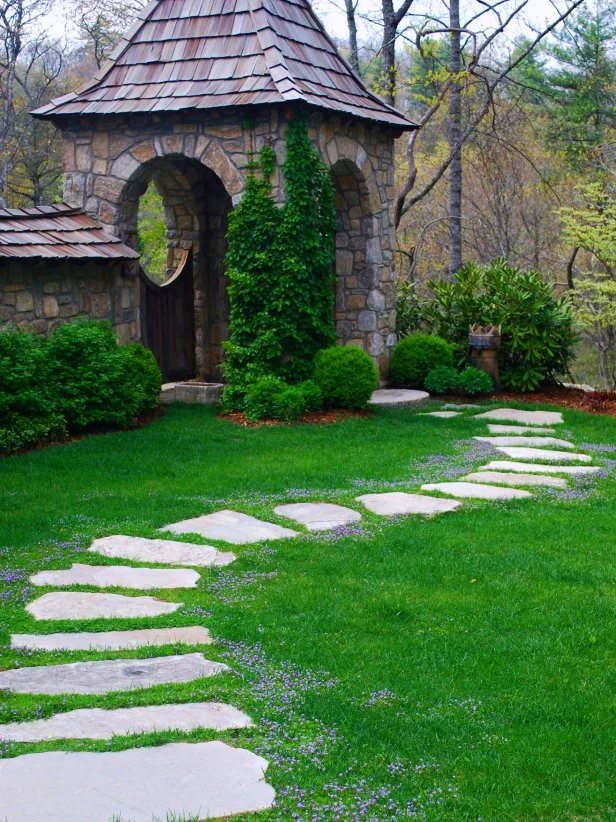
Natural stone is a timeless choice that brings elegance and durability to any garden path. Whether you opt for slate, granite, or limestone, each stone offers unique textures and colors that can enhance your garden’s natural beauty.
- Slate: Known for its rich hues, slate can add a sophisticated touch. It’s perfect for creating a smooth, modern path that contrasts beautifully with greenery.
- Granite: Extremely durable, granite is ideal for high-traffic areas. Its speckled appearance adds an interesting visual element.
- Limestone: Lighter in color, limestone can brighten shady areas and is relatively easy to shape.
Think about how these stones will look wet after a rain shower, or how they might age with time. Does your garden’s style lean more towards a rugged, natural look or a polished, structured appearance?
Gravel And Pebble Choices
Gravel and pebbles offer a casual, relaxed vibe to garden paths. They are an affordable and versatile option that can be easily replaced or updated.
- Pea Gravel: Small, rounded stones that are comfortable underfoot and excellent for drainage. They can be used to create winding paths that mimic natural landscapes.
- Crushed Stone: Offers a more angular look, ideal for a minimalist or contemporary garden design. It provides a firm surface that is less prone to shifting.
Consider the sound of crunching gravel underfoot as you stroll along your path. Do you want a path that feels like a walk through nature, or something more structured?
Brick And Concrete Alternatives
Brick and concrete are perfect for those who prefer a more structured and traditional approach. These materials are durable and can be customized with various patterns and colors.
- Brick: With its classic charm, brick paths can create a warm, inviting atmosphere. They are highly durable and can withstand heavy foot traffic.
- Concrete: Offers endless customization with stamped patterns and colors. It’s a solid choice for a clean, modern look.
Reflect on the maintenance aspect. Are you prepared for the upkeep required to prevent moss and weeds from taking over the joints? Or are you looking for a low-maintenance option?
Ultimately, the materials you choose should reflect your personal style and the overall theme of your garden. As you explore these options, think about how they align with your vision for your outdoor space. Which material speaks to you and complements the story your garden tells?
Path Layout And Design
Designing garden paths involves choosing materials like stone or gravel for durability and charm. Consider path width for easy movement and curves for a natural look. Combine plants and lighting to enhance beauty and safety.
Designing garden paths can transform your outdoor space into a serene escape or a vibrant passageway. The path layout and design are crucial in setting the tone and functionality of your garden. Whether you prefer a whimsical touch or a more structured approach, understanding the elements of path design can help you create a charming and practical pathway.Curved Vs. Straight Paths
Curved paths offer a sense of mystery and allure, inviting you to explore further. They can make a small garden appear larger by guiding the eye in a meandering direction. Straight paths, on the other hand, create a more formal and direct route, often suitable for contemporary landscapes. Think about the mood you want to convey. Do you want visitors to linger and explore, or quickly move from one area to another? Your choice between curved and straight paths will significantly impact the ambiance of your garden.Incorporating Focal Points
A path should lead somewhere meaningful—a beautiful plant, a water feature, or a cozy seating area. These focal points provide a destination and make the journey along the path more rewarding. Consider placing a bench under a shady tree or an art piece at the end of the path. These focal points act as visual anchors and give purpose to the path’s direction.Balancing Functionality And Aesthetics
While aesthetics are important, functionality should not be overlooked. Ensure your path is wide enough for comfortable walking, especially if it’s used frequently. Materials should be safe and durable, reducing the risk of slips and trips. Blend practical aspects with beauty. For instance, use gravel for a rustic look that also provides drainage, or opt for pavers that offer a sleek appearance with easy maintenance. Balancing these elements will ensure your path is both attractive and user-friendly. Have you ever walked through a garden and felt an immediate connection to its design? That’s the magic of a well-planned path layout. What kind of experience do you want your garden to offer?Creating A Cohesive Look
Creating a cohesive look in garden paths involves matching colors and materials with the surrounding landscape. Use consistent patterns to connect different areas, enhancing flow and harmony. Simple designs make the garden inviting and easy to navigate.
Creating a cohesive look in your garden paths can transform your outdoor space into a harmonious retreat. The key is ensuring that every element complements the overall aesthetic, providing a seamless transition from one area to another. This involves careful consideration of style, planting choices, and the use of color and texture.Matching With Garden Style
Your garden path should be an extension of the garden’s style. Whether you have a rustic, modern, or cottage garden, the path’s design should reflect that theme. For a cottage garden, consider using gravel or stepping stones to enhance the quaint charm. In a modern garden, sleek concrete or geometric paving could emphasize clean lines and minimalism. Think about your garden’s main theme and choose materials that resonate with it.Complementary Planting Ideas
Planting alongside your path is another effective way to create a cohesive look. Choose plants that complement the path materials and garden style. If your path is made from natural stone, consider low-growing herbs like thyme or lavender to soften the edges. For a gravel path, ornamental grasses can add movement and texture. Ensure the colors and textures of the plants enhance the path rather than overshadow it.Using Color And Texture
Color and texture are powerful tools in garden design. They can bring life to your paths and tie together different garden elements. Use contrasting colors to make your path stand out or blend similar shades for a subtler effect. Textures like rough stone or smooth pebbles can add tactile interest. Ask yourself, does the path invite exploration and curiosity through its colors and textures? By focusing on these elements, you can create garden paths that not only lead the way but also enrich your outdoor space with beauty and cohesion.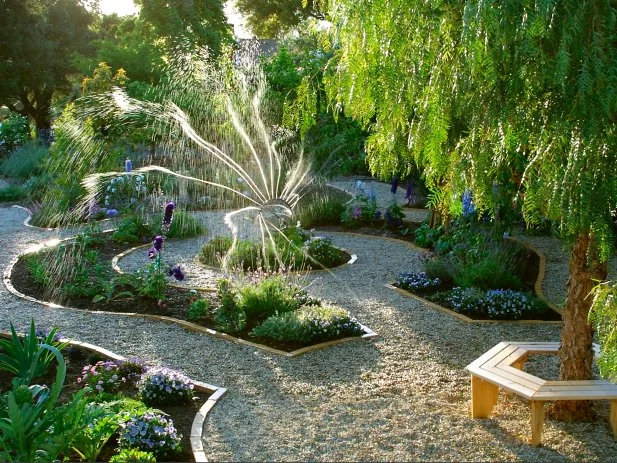
Credit: www.hgtv.com
Installation Techniques
Designing garden paths involves choosing materials like stone, gravel, or brick. Arrange them in patterns for visual appeal. Ensure stability and drainage for long-lasting paths.
Designing garden paths can transform your outdoor space into a beautiful, functional area. Installation techniques are crucial to ensure your paths are durable and visually appealing. From preparing the ground to laying materials, each step requires careful attention. Let’s delve into the essentials of crafting stunning garden paths with these techniques.Preparing The Ground
The first step in installing your garden path is preparing the ground. Clear the area of debris, plants, and roots to create a smooth surface. Use a shovel or hoe to remove any obstacles. This ensures your path is level and stable. Consider the type of soil in your garden. Some soils may need extra compacting to prevent shifting. Use a tamper or rented compactor for best results. Create a slight slope for drainage. A gentle incline prevents water pooling, which can damage your path over time.Laying The Materials
Now that the ground is ready, it’s time to lay the materials. Choose between gravel, brick, stone, or concrete based on your design preference and budget. Lay down a weed barrier fabric before adding materials. This helps prevent weeds from growing through your path. Place materials carefully. Use a level to ensure each piece is even with the next. This attention to detail results in a professional-looking path.Ensuring Proper Drainage
Proper drainage is vital to prevent water damage. Consider installing a French drain or using permeable materials for effective water flow. If your path is on a slope, incorporate channels or grates to guide water away. This protects your path and surrounding plants. Think about the local climate. Heavy rain or snowfall requires more robust drainage solutions. Tailor your approach to your environment for longevity. Have you ever considered how a well-designed path can affect your garden’s overall look and feel? Proper installation techniques can make all the difference.Maintenance Tips
Designing garden paths involves choosing the right materials and layout. Select durable stones or gravel to ensure longevity. Keep paths clear of debris and regularly check for uneven spots to prevent accidents.
Designing garden paths is an art, but maintaining them ensures they remain a beautiful part of your landscape. Regular maintenance not only keeps your paths looking fresh but also extends their longevity. Let’s dive into some essential maintenance tips that can make your garden paths a standout feature in your yard.Regular Cleaning Practices
Keeping your garden paths clean is crucial. Dirt, leaves, and debris can accumulate quickly, especially during windy or rainy seasons. A simple sweep with a broom or a blast with a garden hose can go a long way. Consider the surface material of your paths. For stone or brick paths, a pressure washer might be needed occasionally to remove stubborn grime. Remember, regular cleaning reduces slipperiness and prevents damage over time.Repairing Damage
Cracks and chips are inevitable in garden paths. The key is to address them promptly. Small cracks in concrete can be filled with sealant to prevent them from expanding. For stone paths, replacing a broken stone is often the best solution. Have you ever tripped on a loose brick or stone? It’s not just a nuisance—it’s a safety hazard. Secure loose materials with a bit of mortar or sand to keep your paths safe and smooth.Seasonal Adjustments
Each season brings its own set of challenges. In autumn, falling leaves can create a slippery surface, while winter might introduce ice hazards. Regularly check and adjust your maintenance routine to suit the season. How do you prepare your paths for winter? Applying a sealant before the first frost can protect against cracks caused by freeze-thaw cycles. Additionally, use a gentle de-icing solution to prevent damage to your path materials. Maintaining your garden paths doesn’t have to be a daunting task. With these practical tips, you can enjoy a beautiful and functional garden path all year round. What maintenance challenges have you faced in your garden path journey?
Credit: illustrarch.com
Enhancing Path Appeal
Garden paths serve as more than just walkways. They enhance the overall garden design. Path appeal invites visitors to explore and enjoy your garden. Simple design changes can make paths stunning.
Adding Lighting Features
Lights create a magical atmosphere along garden paths. Use solar lights for an eco-friendly option. Place them at intervals for a soft glow. Consider lanterns for a vintage feel. Spotlights highlight special plants or features. Path lights ensure safety during evening strolls.
Integrating Water Elements
Water features add tranquility and charm to garden paths. Small fountains can be placed beside paths. Bubbling rocks offer soothing sounds. A narrow stream can run parallel to the path. Ensure water is clean to avoid pests. Water elements attract birds and butterflies.
Incorporating Artistic Touches
Art adds personality to garden paths. Use mosaic tiles for colorful patterns. Install sculptures for visual interest. Painted stones can guide visitors along the path. Murals on nearby walls create a unique backdrop. Choose elements that reflect your personal style.
Frequently Asked Questions
What Materials Are Best For Garden Paths?
Choosing the right materials depends on your garden style and budget. Popular options include gravel for a casual look, bricks for a classic touch, and concrete for durability. Natural stones offer elegance, while wood chips provide a rustic feel. Consider maintenance and weather conditions when selecting materials.
How Do I Plan A Garden Path Layout?
Start by assessing your garden’s size and shape. Sketch the path’s route, considering accessibility and aesthetics. Ensure paths connect key areas like the patio, shed, and flower beds. Use curves for a natural look. Balance functionality with beauty for an inviting garden path.
How Wide Should A Garden Path Be?
Garden path width depends on its use. For single-person access, 2-3 feet is sufficient. Main paths should be 4-5 feet wide, allowing easy passage. Wider paths offer comfort for larger gatherings. Adjust width based on space availability and garden layout for optimal flow.
What Plants Work Best Along Garden Paths?
Select plants that enhance the path’s beauty without overwhelming it. Low-growing perennials like lavender or creeping thyme add color. Ornamental grasses create texture. Use shrubs for structure and seasonal interest. Ensure plants complement the path materials for a harmonious design.
Conclusion
Crafting garden paths can transform your outdoor space. Simple steps make a big difference. Think about materials that suit your style. Gravel, stone, or bricks are great choices. Consider the path’s purpose and flow. Make sure it feels natural and inviting.
Remember the importance of proper width for easy movement. Add curves for a more organic look. Lighting can highlight the path beautifully at night. Personal touches like plants or decorations enhance charm. Designing a garden path is about creativity. Enjoy the process and watch your garden come alive.