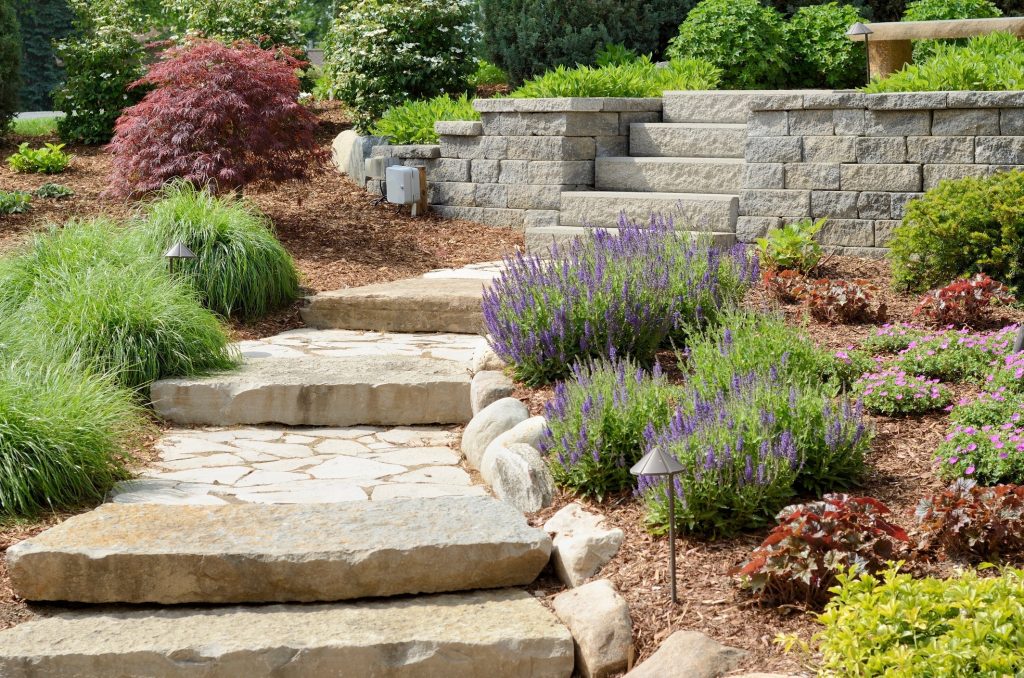
Imagine stepping into your backyard and feeling like you’ve entered your personal oasis. Designing a garden landscape might seem like a daunting task, but it’s easier than you think.
With a little guidance, you can transform your outdoor space into a breathtaking retreat that reflects your style and meets your needs. In this guide, you’ll discover simple yet effective tips to create a garden landscape that not only enhances the beauty of your home but also provides a sense of calm and relaxation.
Whether you have a sprawling yard or a cozy patio, this article will show you how to make the most of your space, turning it into a place you’ll love to spend time in. Ready to unlock the secrets to a stunning garden landscape? Let’s dive in!
Credit: edwardgeorgelondon.com
Planning Your Garden Space
Designing a garden landscape involves creating a balanced layout of plants, paths, and features. Consider sunlight, soil, and space to ensure a harmonious design that complements your home. Plan for future growth to maintain the beauty and functionality of your garden space.
Planning your garden space is a crucial step in designing your dream landscape. It’s where creativity meets practicality, setting the foundation for a garden that reflects your personality and serves your lifestyle. Whether you’re aiming for a serene escape or a vibrant social hub, starting with a solid plan ensures a seamless journey from vision to reality.Assessing Your Space
Begin by closely examining your garden area. Take note of its size, shape, and existing features such as trees or structures. Consider the sunlight patterns throughout the day and how they might affect plant growth. Is your space flat or does it have slopes that might require terracing? Understanding these elements helps you make informed decisions about what can realistically be achieved. Think about the climate and soil conditions as well. Different plants thrive in different environments, so matching your garden’s conditions to suitable plant varieties can save time and effort in maintenance. It’s like choosing the right clothes for the weather; you wouldn’t wear a winter coat in summer!Setting Goals And Budget
Define what you want from your garden. Do you envision a tranquil retreat, a playful space for children, or perhaps a lush vegetable patch? Setting clear goals guides your design choices and ensures the final result aligns with your desires. Next, determine your budget. Landscaping can range from inexpensive DIY projects to high-end professional designs. Knowing your financial limits upfront prevents unexpected costs later on. Prioritize key elements that matter most to you, and allocate resources accordingly. A friend once spent a fortune on exotic plants only to realize they couldn’t afford essential garden furniture—don’t let that be your story!Choosing A Style
The style of your garden should harmonize with your home and personal taste. Are you drawn to minimalist designs with clean lines, or do you prefer a rustic, cottage feel with winding paths and abundant blooms? Research different styles and gather inspiration from books, magazines, or online platforms. Imagine how each style would fit into your space and lifestyle. Do you want a low-maintenance garden or are you ready to invest time in nurturing a more complex setup? Your choice here dictates everything from plant selection to layout and materials. Ultimately, planning your garden space is about balancing aspirations with reality. What will you do to create a garden that speaks to you?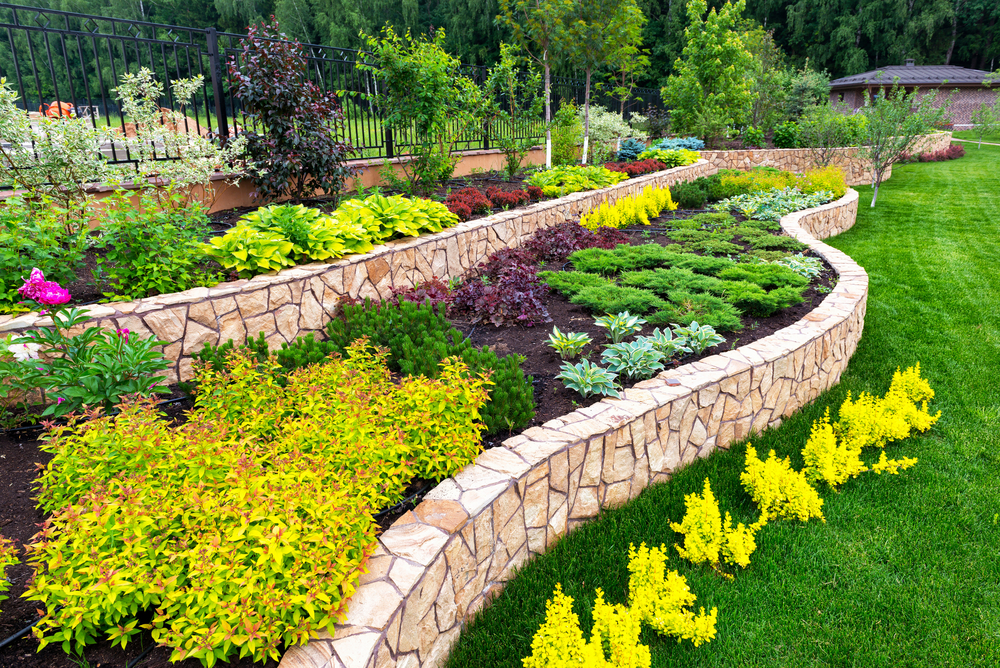
Credit: www.extraspace.com
Selecting Plants And Materials
Choosing the right plants and materials is crucial for a beautiful garden landscape. Consider climate, soil, and maintenance needs. Mix colors, textures, and heights for visual interest and harmony.
Selecting the right plants and materials is vital in garden landscape design. The choices you make here affect the beauty and sustainability of your garden. You must consider local climate, soil type, and available space. Let’s explore some important aspects of choosing plants and materials.Native Plants Selection
Native plants thrive in local conditions. They require less water and maintenance. They attract local wildlife, supporting biodiversity. Choose plants adapted to your region’s climate. Research local plant nurseries for native options. Native plants often resist pests better, reducing the need for chemicals.Hardscape Materials
Hardscape materials form the backbone of your garden. They include paths, patios, and walls. Choose materials that complement your garden’s style. Natural stone offers a timeless look. Concrete is versatile and cost-effective. Brick provides a classic touch. Consider the durability and weather resistance of materials.Sustainable Choices
Sustainability is crucial in modern garden design. Use recycled materials for pathways and structures. Choose drought-resistant plants to conserve water. Install rain barrels to collect rainwater. Opt for solar lights to save energy. Compost kitchen waste for a healthy garden. Sustainable choices benefit the environment and your wallet.Creating Focal Points
Designing a garden landscape involves creating focal points to draw attention. Use colorful plants or unique sculptures for interest. These elements guide the eye and enhance the space.
Creating focal points in garden design draws the eye and adds interest. These elements guide visitors through the space, highlighting unique features. A well-placed focal point can transform a garden, making it memorable and inviting.Using Color And Texture
Color and texture can make a garden pop. Bright flowers can catch the eye. Mixing plants with different leaf shapes adds depth. Choose colors that complement each other for harmony. Contrast makes certain areas stand out. Consider seasonal changes for year-round appeal.Incorporating Water Features
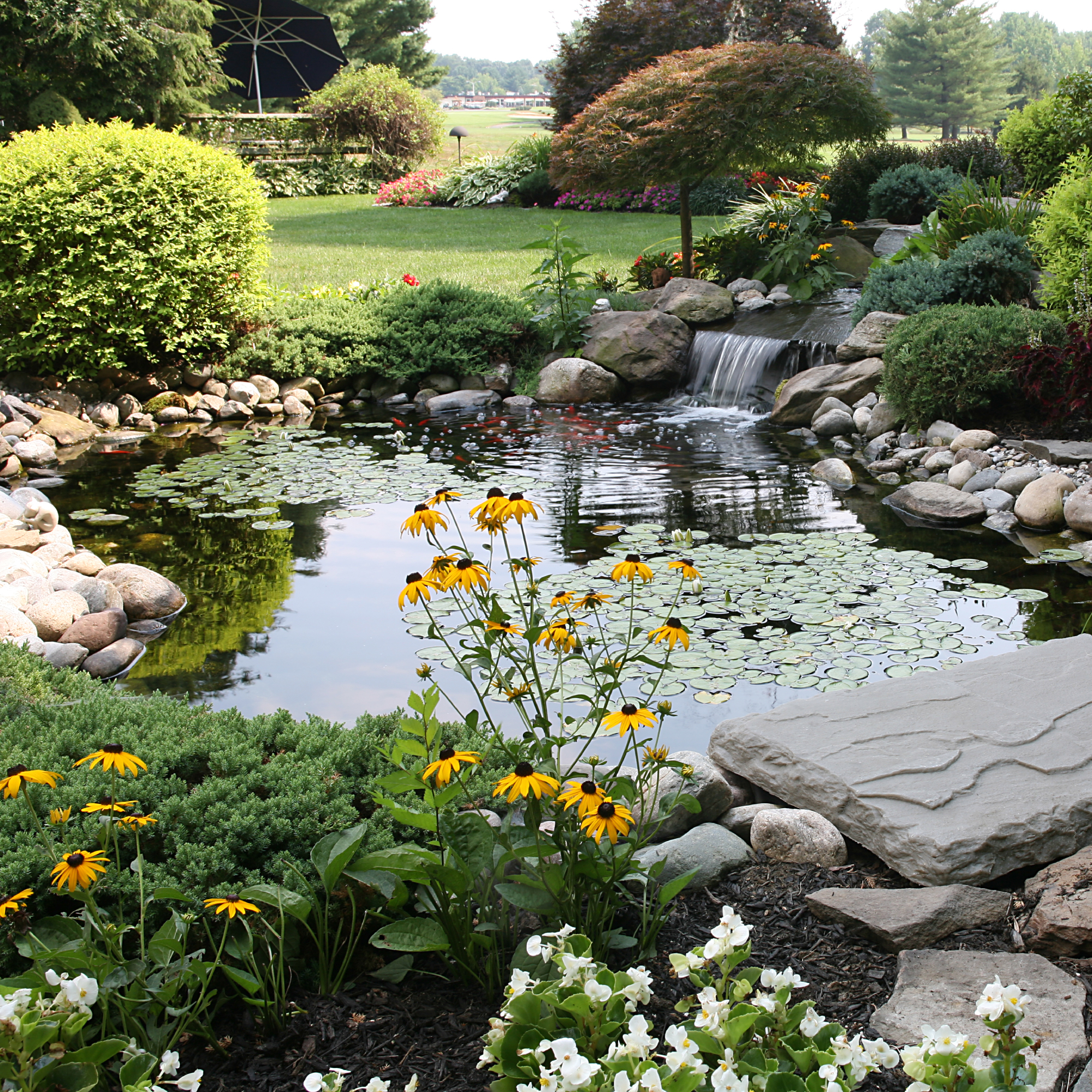
Water features create a calming atmosphere. A small pond can become a focal point. The sound of a fountain adds serenity. Reflective surfaces add visual interest. Use water plants for added texture. Ensure the feature suits the garden size.Art And Sculpture Integration
Art enhances garden character. Sculptures add elegance and interest. Choose pieces that match the garden style. Position art where it can be appreciated. Large sculptures can dominate spaces. Smaller pieces offer subtle charm.Designing For Functionality
Designing garden landscapes requires a balance between beauty and functionality. Consider plant placement for sunlight and shade needs. Choose materials that enhance the garden’s usability and aesthetic appeal.
Designing a garden landscape requires more than just aesthetic appeal. Functionality is key to creating a space that serves practical purposes while enhancing beauty. A well-designed garden should cater to movement, relaxation, and convenience. This involves thoughtful planning on pathways, outdoor spaces, and lighting.Pathways And Access
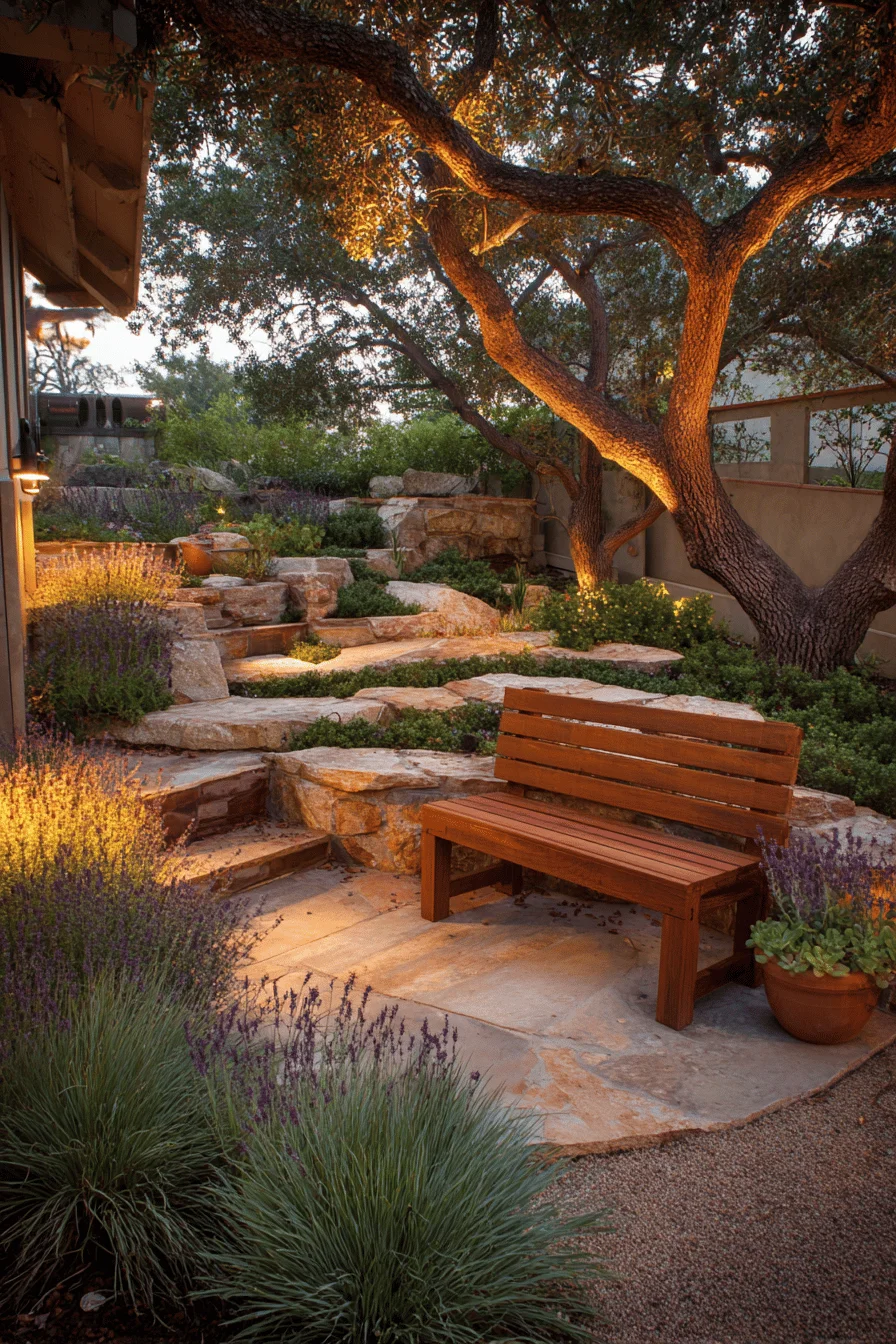
Creating pathways helps guide movement through the garden. Use durable materials like stone, brick, or gravel. Consider the width for comfortable walking. Curved paths can add visual interest and a sense of discovery. Ensure paths lead to focal points or areas of interest.Outdoor Living Spaces
Design spaces for relaxation and entertainment. A patio or deck can serve as a gathering spot. Incorporate seating and tables for comfort. Choose weather-resistant furniture. Add a barbecue or fire pit for warmth and cooking. Ensure privacy with hedges or screens.Lighting Considerations
Lighting enhances safety and ambiance. Use solar lights along paths for visibility. String lights create a cozy atmosphere. Spotlights highlight trees or sculptures. Choose energy-efficient options to save costs. Ensure wiring is safe and weather-proof.Maintaining Your Garden
Designing a garden landscape involves careful planning and creativity. Consider plant types, colors, and textures to create harmony. Arrange paths, seating areas, and focal points for a balanced and inviting space.
Maintaining your garden is crucial for its beauty and health. A well-maintained garden brings joy and enhances your outdoor space. Regular care keeps plants thriving and the landscape vibrant.Seasonal Care Tips
Each season requires specific garden tasks. In spring, focus on planting and soil preparation. Summer demands consistent watering and weed control. Autumn is perfect for pruning and clearing fallen leaves. Winter involves protecting plants from frost and planning for next year.Irrigation Systems
Efficient irrigation saves water and ensures plant health. Consider installing drip irrigation systems. They deliver water directly to the roots. Timers automate watering, saving time and effort. Choose systems that suit your garden’s size and plant types.Pest Control Strategies
Pests can damage your garden if not managed. Use organic methods to keep them at bay. Introduce beneficial insects like ladybugs. They help control pest populations naturally. Regular inspection helps catch problems early. Use natural repellents to protect plants without harming the environment.Expert Tips For Success
Creating a garden landscape that feels inviting and harmonious is an art. Expert tips can guide you through designing a space that reflects beauty and functionality. Whether you’re working with small spaces or aiming to enhance biodiversity, these insights will help you avoid common pitfalls and make the most of your garden area.
Common Mistakes To Avoid
Many gardeners overlook the importance of planning. Rushing into planting can lead to overcrowded spaces. Avoid planting without considering growth patterns. Another mistake is neglecting soil preparation. Healthy soil is crucial for plant vitality. Don’t ignore maintenance needs. Regular care keeps your garden thriving.
Tricks For Small Spaces
Small gardens can feel spacious with clever design tricks. Vertical gardening maximizes limited areas. Use trellises and wall planters to add height. Choose compact plants to prevent crowding. Mirrors can create an illusion of depth. Use them strategically for a sense of openness.
Enhancing Biodiversity
Biodiversity brings life and balance to your garden. Include native plants to support local wildlife. Diverse species attract beneficial insects. Create varied habitats with different plant types and structures. Water features enhance biodiversity by supporting aquatic life. Birdhouses and feeders invite feathered visitors.
Credit: www.gardeningknowhow.com
Frequently Asked Questions
What Are The Basic Steps For Garden Design?
Start by evaluating your space and selecting a theme. Choose plants based on climate and maintenance needs. Plan pathways, seating, and focal points for functionality. Use layers and textures for visual interest. Finally, integrate lighting and water features to enhance ambiance.
Regular maintenance ensures your garden remains beautiful and healthy.
How Do I Choose Plants For My Garden?
Consider climate, soil type, and sunlight availability. Select plants that suit your theme and maintenance preferences. Native plants often require less care and are environmentally friendly. Use a mix of perennials and annuals for year-round color. Group plants with similar water needs to ensure healthy growth.
What Are Popular Garden Themes?
Popular themes include cottage, modern, and tropical gardens. Cottage gardens are informal and colorful, with a mix of flowers and vegetables. Modern gardens focus on minimalism and clean lines. Tropical gardens feature lush foliage and vibrant colors. Choose a theme that complements your home and personal style for best results.
How Can I Create A Low-maintenance Garden?
Opt for native plants and drought-resistant species. Use mulch to retain moisture and suppress weeds. Design with simple layouts and choose hardy plants that require minimal care. Incorporate automated irrigation systems for efficient watering. Regular pruning and occasional fertilizing keep your garden looking fresh and vibrant.
Conclusion
Creating a beautiful garden landscape enhances your outdoor space. Start with a clear plan. Choose plants that suit your climate. Consider the soil type and sunlight. Include paths for easy movement. Add water features for tranquility. Use different heights for visual interest.
Don’t forget seating for relaxation. Regular maintenance keeps your garden healthy. Enjoy your garden as it grows and changes. Feel proud of your natural haven. Designing your garden is a rewarding journey. Embrace the process and creativity. Make your garden a reflection of you.







