Designing a garden in Phoenix can seem challenging, especially with its arid climate and scorching summers. But imagine stepping into your backyard oasis, where native plants bloom vibrantly, attracting hummingbirds and butterflies.
Picture a space where you can relax in the shade, surrounded by lush greenery that thrives in the desert heat. You might think such a garden is impossible, but with the right techniques, it’s within your reach. In this guide, you’ll discover practical tips and strategies to transform your outdoor space into a beautiful, sustainable retreat.
Whether you’re a seasoned gardener or a beginner, you’ll find inspiration and actionable advice to create a garden that’s not only stunning but also perfectly suited to Phoenix’s unique environment. Ready to turn your garden dreams into reality? Let’s dive in.
Climate Considerations
Designing a garden in Phoenix requires keen attention to the climate that shapes this unique desert city. The arid landscape presents its own set of challenges, but with careful planning, you can create a thriving garden that complements the environment. Let’s dive into the key climate considerations to keep in mind.
Understanding Phoenix’s Weather
Phoenix is known for its scorching summers and mild winters. The city experiences over 300 days of sunshine annually, with summer temperatures frequently soaring above 100°F. Winters, though mild, can occasionally dip to freezing at night.
Understanding these extremes is crucial. You might find that certain plants thrive in the intense heat, while others need protection from it. Timing your planting and watering schedule in harmony with the weather can greatly enhance your garden’s success.
Adapting To Heat And Dry Conditions
Adapting your garden to Phoenix’s heat and dry conditions is essential. Choose drought-resistant plants like succulents, cacti, and native wildflowers. These plants are not only resilient but also add vibrant color and texture to your garden.
Consider installing a drip irrigation system. It targets the root zone and reduces water waste, ensuring your plants get the moisture they need without overwatering. Mulching can also help retain soil moisture and regulate temperature.
Think about the placement of your plants. Those requiring more shade can be planted near taller plants or structures that provide shelter from the midday sun. How can you use natural elements to create microclimates within your garden?
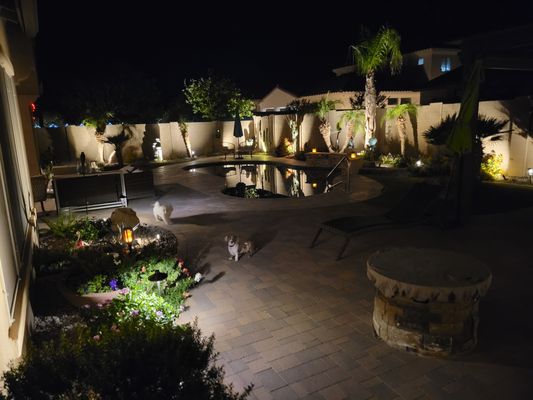
Credit: m.yelp.com
Choosing The Right Plants
Select heat-tolerant plants like succulents and cacti for a Phoenix garden. Opt for drought-resistant varieties to thrive in the desert climate. Consider native species for a sustainable and low-maintenance landscape.
Choosing the right plants for your Phoenix garden can be rewarding. The hot, dry climate presents unique challenges and opportunities. Selecting suitable plants ensures your garden thrives. Consider native and heat-resistant varieties. Opt for low-water plants to conserve resources. These choices enhance your garden’s beauty and sustainability.Native Plant Options
Native plants are adapted to Phoenix’s climate. They require less maintenance and water. Some popular native plants include:- Desert Marigold: Bright yellow blooms add color.
- Arizona Poppy: Vibrant orange flowers attract pollinators.
- Brittlebush: Silver leaves and yellow flowers brighten spaces.
Heat-resistant Varieties
Heat-resistant plants withstand Phoenix’s high temperatures. They keep your garden lush in summer. Consider these options:- Lantana: Colorful clusters of flowers bloom all year.
- Purple Sage: Striking purple blooms with a pleasant aroma.
- Agave: Sculptural plant with dramatic leaves.
Low-water Plants
Low-water plants conserve water and thrive in Phoenix. They require minimal irrigation. Consider these drought-tolerant options:- Red Yucca: Red tubular flowers attract hummingbirds.
- Rockrose: Bright pink blooms and evergreen foliage.
- Palo Verde: Green bark and yellow flowers provide shade.
Soil Preparation
Designing a garden in Phoenix requires careful soil preparation. The desert climate presents unique challenges for gardening. Preparing the soil ensures plants thrive despite the harsh conditions. Good soil preparation boosts plant growth and resilience. Let’s explore how to improve soil quality and retain moisture through mulching.
Improving Soil Quality
Phoenix soil often lacks organic matter. Adding compost enriches the soil with nutrients. It improves its structure, making it easier for roots to grow. Compost also enhances water retention, crucial in dry climates. Regularly mix organic matter into the topsoil. This practice keeps the soil healthy over time.
Test the soil’s pH level. Phoenix soil tends to be alkaline. Adjusting the pH helps plants absorb nutrients effectively. Use sulfur or gypsum to lower pH. This adjustment supports a wider range of plant types.
Mulching For Moisture Retention
Mulching reduces evaporation, conserving water in the soil. It acts as a protective layer, shielding the soil from direct sunlight. Organic mulch, like wood chips or straw, breaks down over time. This process adds more nutrients to the soil.
Spread mulch evenly around plants. Leave space around the stem to prevent rot. Mulching also suppresses weeds, reducing competition for water and nutrients. This method is simple yet effective for maintaining soil moisture.
Watering Techniques
Designing a garden in Phoenix requires careful watering techniques. Use drip irrigation to conserve water and ensure deep soil penetration. Mulching helps retain moisture, reducing evaporation in the arid climate.
Designing a garden in Phoenix presents a unique challenge due to its arid climate. Efficient watering techniques are crucial to ensure your garden thrives. By adopting smart watering strategies, you can maintain a lush garden while keeping water usage to a minimum.Efficient Irrigation Systems
Efficient irrigation systems are the backbone of a well-maintained garden in Phoenix. Drip irrigation is a popular choice, delivering water directly to the plant roots. This minimizes evaporation and ensures plants receive adequate moisture without waste. Consider installing a smart irrigation controller. These devices adjust watering schedules based on weather conditions, making your system even more efficient. It might seem like a significant investment, but the savings in water bills and plant health make it worthwhile.Water Conservation Methods
Water conservation methods are essential in a desert landscape. Mulching is a simple yet effective way to retain soil moisture. Spread a layer of organic material like wood chips or straw around your plants to keep the soil cool and reduce evaporation. Collect rainwater by setting up barrels under your downspouts. This free resource can be used to water your garden, reducing reliance on municipal water. Although rain is rare in Phoenix, every drop counts and contributes to a sustainable garden. How do you ensure your garden remains vibrant even with limited water? Share your tips and tricks in the comments below!Shade Solutions
Designing a garden in Phoenix requires creative shade solutions. Use pergolas and shade sails to protect plants from intense sun. Consider desert-friendly plants that thrive in shaded environments.
Designing a garden in Phoenix requires thoughtful planning, especially for shade. The intense sun can be challenging for plants and people. Effective shade solutions enhance comfort and plant health. Explore creative ways to keep your garden cool and inviting.Building Shade Structures
Shade structures are a practical way to manage sunlight. Consider pergolas or gazebos for stylish shade. Use materials like wood or metal for durability. Add outdoor fabric to block sun rays. Choose colors that complement your garden theme. Ensure structures are sturdy and weather-resistant.Selecting Shade Trees
Shade trees are vital for natural cooling. Native trees adapt well to Phoenix’s climate. Palo Verde trees offer excellent shade and require minimal water. Mesquite trees are another choice with broad canopies. Plant trees strategically to cast shade where needed most. Regular pruning ensures healthy growth and optimal shade coverage.Designing Aesthetically
Creating a garden in Phoenix requires understanding the desert climate. Choose drought-tolerant plants for sustainability. Use gravel paths and native cacti to enhance beauty while conserving water.
Designing a garden in Phoenix involves more than selecting drought-resistant plants and arranging them neatly. It’s about creating a space that speaks to your soul and complements the unique environment of the region. By focusing on aesthetics, you can transform your outdoor area into a personal oasis that reflects your style and enhances your home’s appeal.Creating Visual Interest
Visual interest is key to an aesthetically pleasing garden. You can achieve this by playing with textures, colors, and shapes. Consider combining different plant types, such as succulents and flowering shrubs, to create contrast. Add a splash of color with vibrant pots or garden ornaments. Think about how the sun casts shadows in your garden. Use these natural patterns to your advantage by placing taller plants in strategic locations. This creates dynamic visuals throughout the day. Remember, a visually interesting garden invites exploration and curiosity.Balancing Functionality And Beauty
In Phoenix, your garden must withstand high temperatures while remaining functional and beautiful. Opt for native plants that thrive in the desert climate. These plants require less water and maintenance, allowing you to focus on aesthetics without compromising functionality. Define zones within your garden to balance usability and charm. Create a cozy seating area with shade or a pergola for comfort. A well-designed path can guide visitors through your garden, showcasing its beauty while serving a practical purpose. Ask yourself: how can your garden be both a sanctuary and a space for entertaining? Balancing these aspects will create a harmonious environment that serves multiple purposes.Maintaining Your Garden
Designing a garden in Phoenix requires selecting drought-resistant plants to thrive in the desert climate. Incorporate native species and efficient irrigation systems to maintain vibrant greenery year-round. Opt for materials that withstand high temperatures, enhancing aesthetics and functionality.
Maintaining your garden in Phoenix requires attention to unique challenges. The desert climate presents dry heat and occasional cold snaps. Proper care ensures your garden remains lush and vibrant.Seasonal Care Routine
Adopt a seasonal routine for your garden. In spring, focus on soil preparation. Add compost to enrich the earth. During summer, water early in the morning. This helps prevent evaporation. Fall is ideal for planting hardy perennials. Winter demands protection for sensitive plants. Use covers to shield them from frost.Pest And Disease Management
Manage pests and diseases effectively. Regularly inspect plants for signs of damage. Check leaves and stems carefully. Use organic sprays for minor infestations. Encourage beneficial insects like ladybugs. They help control harmful pests naturally. Keep the garden clean and tidy. Remove dead leaves and debris promptly. This prevents disease spread and reduces pest habitats.
Credit: www.phgmag.com
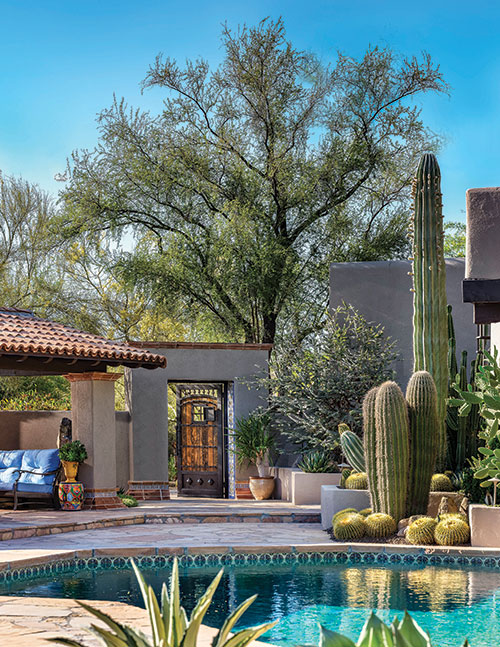
Credit: www.phgmag.com
Frequently Asked Questions
What Plants Thrive In Phoenix Gardens?
In Phoenix, choose drought-resistant plants like succulents, cacti, and native wildflowers. They adapt well to the arid climate. Consider desert trees like Palo Verde and Mesquite for shade. Incorporating local flora ensures your garden remains lush and sustainable, even with minimal water.
How Can I Optimize Water Usage?
Implementing drip irrigation systems conserves water effectively. These systems target plant roots directly. Use mulch to retain soil moisture and prevent evaporation. Select drought-tolerant plants to minimize water needs. Regularly check for leaks to avoid wastage and maximize efficiency.
What Are The Best Garden Design Tips?
Consider shade structures and native plants for a sustainable design. Use gravel paths for easy maintenance and water conservation. Incorporate raised beds for better drainage. Balance hardscape elements with greenery to create visual interest and harmony. Plan for seasonal changes.
How Do I Maintain My Garden In Summer?
Water early morning or late evening to reduce evaporation. Mulch helps retain soil moisture and keeps roots cool. Regularly check plants for signs of heat stress. Provide shade using structures or taller plants. Adjust watering schedules based on temperature variations.
Conclusion
Designing a garden in Phoenix can be rewarding. Consider the unique desert climate. Choose drought-tolerant plants that thrive in heat. Incorporate shaded areas for relief. Use gravel and rocks to conserve moisture. Drip irrigation systems help save water. Create pathways for easy access and maintenance.
Add native plants for a natural look. Consider seasonal changes for year-round beauty. Plan for both function and aesthetics. A well-designed garden enhances your outdoor space. Enjoy your desert oasis with family and friends. Remember, patience leads to a thriving garden.
Enjoy the process and watch your garden grow.